





Pinned Tweet
There's quite a few LPs to get through but I'm sure you'll love them all, as I said welcome aboard the slow readers club family 🫶🏻 @slowreadersclub


_Glsgo_ retweeted

Have a great day Rudies 🖤🏁
You’re Wondering Now, The Specials
#2ToneDublin


_Glsgo_ retweeted

Police and the ambulance service are in attendance at an incident in the Gorbals in Glasgow.
Officers have been spotted at the door of the Brazen Head pub. It's thought a helicopter seen hovering in the area is linked to the incident.
We're waiting for more details from the emergency services.

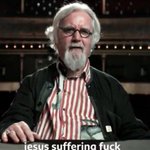
A Course Called Ireland - Bill Murray, the TV series you never thought you needed in yer life 👌🏻👏🏻👏🏻👏🏻


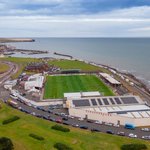
FC Como vs Arbroath FC, Gayfield vs Stadio Giuseppe Sinigaglia, 🏴🇮🇹 shared by rugged landscapes, twinned stadiums.


🚨 EXCLUSIVE: Glasgow's Kelvingrove Museum has removed Egyptian mummies from display because there was no 'informed consent from the deceased individual'👇
mol.im/a/16227743
#Exclusive #Scotland #Glasgow #Museums #EgyptianMummies #Woke @MailOnlineScot

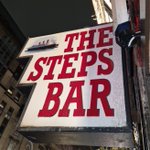
The Steps Bar - Glasgow
Original segregated "Womans Room (Snug)" with original waiter service area at the bar, for servicing female passengers on the Queen Mary, great bit of history, nautical theme still at the bar.
#QueenMary #Glasgow #Pub #Clydebank #Cunard #Pints


The difference in Aldi pricing in Scotland compared to England is stark, fkn joke tbh, thanks to the SNPs minimum alcohol pricing Act 2012


_Glsgo_ retweeted

When Celtic went into 1994, the club was in a state their supporters could hardly have imagined a few years earlier.
They had not won a trophy since 1989, Rangers were closing in on six league titles in a row, Celtic Park was crumbling and crowds had fallen badly.
The club was millions in debt, supporters were protesting against the board and by the start of March the Bank of Scotland was preparing to stop Celtic writing cheques altogether.
The bank told Celtic it was almost over.
Unless £1million arrived within 48 hours, followed by another £4million a few days later, the bank was pulling the plug.
That was when David Low phoned businessmen Fergus McCann.
McCann was on a golf course in Arizona.
“Your time has come.”
“They want £1m.”
“Okay.”
McCann moved the money from America and started the journey back to Glasgow.
Phoenix to New York.
New York to Heathrow.
Then Heathrow to Glasgow.
By the morning of March the 4th, McCann was back in Scotland.
His money was not.
At 10am, with the bank’s deadline only two hours away, the £1million still had not reached his British account.
Eventually it landed.
McCann and Low collected a banker’s draft from his bank in St Vincent Street and hurried to the Bank of Scotland.
Low looked at his watch.
11.52am.
Eight minutes before the deadline.
McCann headed for Celtic Park.
Outside, supporters who had spent months demanding change were waiting to find out whether the old board had finally lost control.
Brian Dempsey walked out to meet them.
“The game is over.”
“The rebels have won.”
Celtic still had the debts, they still had an old stadium and Rangers were still miles ahead of them on the pitch.
“This will not be sorted out overnight or even in a season.”
“Patience will never be more necessary among the supporters.”
McCann put in the rest of the money and eventually took control.
“It would’ve cost less, and left the previous owners with nothing, to go into liquidation.”
“But it would also be humiliating for Celtic.”
“So we paid all the bills.”
Three sides of Celtic Park were demolished and Celtic spent the following season playing at Hampden while work was carried out.
McCann was building a 60,000-seat stadium for a club that had been averaging crowds of around 28,000.
Even inside Celtic, not everyone had understood why season-ticket holders mattered.
McCann remembered being told:
“We don’t want season-ticket holders, they are nothing but trouble.”
His answer was to build a ground big enough for tens of thousands of them.
“The answer is that you have got to fill the park.”
“The average crowd was 28,000 and we built a 60,000-seat stadium.”
“How smart was that?”
“Well, it was the right thing to do.”
By the late 1990s Rangers were one title away from breaking Celtic’s record of nine in a row, and supporters wanted more money spent on the team.
McCann would not throw away the plan just to chase one season.
“We have a stadium to build and a long-term plan we need to stick to.”
“This club is going to be around for the next 100 years and I’m not going to put that at risk just to stop Rangers reaching 10.”
In May 1998, Celtic went into the final day knowing a win over St Johnstone would make them champions.
Henrik Larsson scored early.
Harald Brattbakk got the second.
Celtic won 2-0.
And for the first time in ten years, Celtic were champions.
McCann had always said he would leave after five years.
By the time he did, Celtic Park held more than 60,000 people, the club had more than 53,000 season-ticket holders and the debt he had inherited was gone.
He sold his shares and stepped away exactly when he said he would.
“I am satisfied with the progress the Club has made over the last five years.”
“I now look forward to once again being a full-time supporter.”
Five years earlier, Celtic had been hours away from the bank pulling the plug.
McCann left them with a rebuilt home, full stands and a club that could look after itself again.
“Things can go up and things can go down.”
“But Celtic, I hope, can go on forever.”
#football #celtic


