

Anti-aging researcher, proposed 10th hallmark of aging. Expert in the aging of extracellular matrix, machine learning and hardcore biohacking
Helsinki, Finland
Joined January 2020
- Tweets346
- Following61
- Followers243
- Likes238







Pinned Tweet
🎉 Excited to announce that I’ve won the "Rising Star Award" at the Longevity Summit Dublin 2024! 🏆🌟Honored to be recognized among so many incredible innovators in the field of longevity! Thanks @aubreydegrey and the incredible team of #longevitysummitdublin


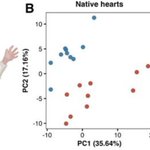
Did young bodies really rejuvenate old hearts? 🫀
A new preprint says yes. But clocks underestimate old ages, and the study compared old-to-young with young-to-old transplants. That combo alone can make hearts look "rejuvenated."
Full breakdown in my new article👇


WHY YANN LECUN WAS WRONG - AND SO WAS I
I got into a Facebook argument today that reminded me of an argument Yann LeCun made back in 2023.
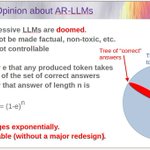
His point, roughly, was that autoregressive models are a dead end because errors compound. If every generated token has some probability e of taking you off the correct trajectory, then the probability of staying on track for n steps is:
P(correct after n steps) = (1 - e)^n
So it decays exponentially with the length of the generated sequence.
A little over a year later, o1 arrived - generating very long chains of reasoning while dramatically improving performance on many difficult reasoning benchmarks. Since then, the trend has only become stronger.
So what was wrong with the argument? A tiny bit of math makes it surprisingly clear. Let’s model reasoning using two states:
C_t = we’re on a correct reasoning path
W_t = we’re on a wrong one
Suppose that at every step there is a probability e of leaving the correct path.
In LeCun’s model:
P(C_t+1) = (1 - e) P(C_t)
and therefore:
P(C_n) = (1 - e)^n
What happens in the long run?
Consider the stationary state, where the probability stops changing:
P = (1 - e)P
eP = 0 => P = 0 for e > 0:
Eventually, the probability of remaining on the correct path goes to zero. But now let’s allow backtracking.
Suppose that, while on a wrong path, the model has probability r at each step of noticing the mistake and returning to a correct path.
Then:
P(C_t+1) = (1 - e)P(C_t) + rP(W_t)
Since P(W_t) = 1 - P(C_t):
P(C_t+1) = (1 - e)P(C_t) + r(1 - P(C_t))
At equilibrium:
P = (1 - e)P + r(1 - P)
Solving gives:
P = r / (e + r)
And now things get interesting.
The probability of being on the correct reasoning path doesn’t have to decay to zero at all.
For example:
e = 0.05
r = 0.5
Then:
P = 0.5 / 0.55 ≈ 0.909
But the exact number isn’t really the point.
Rewrite the equation:
P = 1 / (1 + e/r)
So in the long run, what matters is the ratio between how often the system makes mistakes and how good it is at recovering from them.
A system can keep making mistakes indefinitely without long reasoning becoming hopeless. What matters is whether it can detect those mistakes, revise earlier steps, and get back onto a productive trajectory.
So the exponential collapse was a consequence of a hidden assumption rather than autoregression.
Which leaves one obvious question:
I wonder what LeCun’s r is. 🤪
threadreaderapp.com/thread/1…

Longevity news
A brand-new Nature paper comes with a fairly spectacular title:
“Late-life semaglutide treatment slows ageing and extends lifespan in female mice.”
In plain English: start semaglutide in old mice, and they supposedly age more slowly and live longer.
Female mice, that is. For reasons I’ll get to later, males were not studied.
And the lifespan effect is genuinely impressive. Treatment started at 20 months of age, yet median lifespan increased from 742 to 834 days — a gain of 92 days, or 12.4%.
I won’t spend too much time celebrating the result. Every longevity influencer and transhumanist/immortalist will probably take care of that by tomorrow, if they haven’t already.
But the study does have real strengths.
1. Treatment started very late. Twenty months is old for a mouse. Very few interventions still produce meaningful lifespan extension when started this late in life; rapamycin is the classic example, although late-life benefits have also been reported for acarbose, 17α-estradiol and a handful of other compounds.
2. The lifespan experiment was reasonably sized, with roughly 40 animals per group.
3. These were ordinary ageing mice on a normal diet, not diabetic mice or some extreme obesity model. That makes the result much more interesting from a geroscience perspective.
4. The authors measured a ridiculous number of things: physical performance, coordination, memory, metabolism, neurogenesis, haematopoietic stem cells, inflammation, senescence markers, DNA damage, gene expression, and more. Quite a few of these outcomes moved in the same direction.
5. And, importantly, they did address the obvious objection: maybe the mice simply lived longer because they ate less. Semaglutide reduced food intake by about 24%, so the authors ran a separate calorie-restriction experiment with a comparable reduction in intake. On some outcomes CR and semaglutide looked similar; on exploratory behaviour, spatial memory and glucose control, semaglutide did better.
So far, so good.
Now for the fun part.
Problem #1: we don’t actually know how much of that +12.4% came from semaglutide itself
This is probably the biggest weakness of the lifespan experiment.
The semaglutide-vs-calorie-restriction comparison lasted five months and measured healthspan, not lifespan. Those CR mice were not followed until natural death.
A proper lifespan comparison is still ongoing.
Which means that, for now, the study shows something like:
semaglutide → 24% less food + other physiological effects → longer life
What it does not show is:
semaglutide → longer life than equivalent calorie restriction
And that distinction matters a lot.
Calorie restriction is one of the oldest and most reproducible ways to extend lifespan in mice. So we simply don’t know how much of those extra 92 days came from GLP-1-specific pharmacology and how much came from chronically eating a quarter less food.
Problem #2: the control mice died suspiciously young
Median lifespan in the control group was just 742 days.
For context, in a large study of multiple inbred strains, median lifespan in female C57BL/6J mice was 866 days.
So we get this slightly awkward comparison:
control: 742 days
semaglutide: 834 days
historical control from another large study: 866 days
In other words, after being “life-extended by 12.4%,” the semaglutide-treated mice ended up roughly where untreated C57BL/6J mice can land in other experiments.
Now, historical controls are not substitutes for contemporaneous randomized controls. Mouse lifespan is highly sensitive to husbandry, diet, colony effects, pathogens and dozens of other things.
Still, 742 days is low enough to raise a legitimate question:
Did semaglutide produce extraordinary extension of normal lifespan — or did it partly rescue something that made this particular control cohort unusually short-lived?
Problem #3: females only, one inbred strain, one lab
Not much to add here.
The result would become substantially more convincing if it replicated in both sexes and in genetically heterogeneous mice.
Right now we know that semaglutide extends lifespan in female C57BL/6 mice under one experimental setup.
That is interesting.
It is not the same thing as showing a broadly conserved anti-ageing effect.
Problem #4: a huge number of endpoints
This is both a strength and a weakness.
The authors tested dozens of physiological, cellular and molecular outcomes. And once you test enough things, some of them will look “significant” purely by chance.
At α = 0.05, if you test 50 completely null hypotheses, you expect 2.5 statistically significant results on average.
I couldn’t find a clearly described study-wide multiplicity-control procedure covering the full set of secondary phenotypic and molecular endpoints.
That doesn’t mean every comparison should have been dumped into one giant Bonferroni correction. But it does mean that isolated nominal p-values deserve caution.
The main survival result is a different story: P = 5.7 × 10⁻⁶ is so small that even a Bonferroni correction for 100 tests would leave it highly significant.
So I’m not worried about whether the mice lived longer.
I’m much more cautious about some of the mechanistic storytelling around why they lived longer.
Problem #5: “improved hallmarks of ageing” is not the same thing as “slowed ageing”
p16 went down. p21 went down. SA-β-gal went down. Inflammation decreased. γ-H2AX decreased. Some stem-cell phenotypes improved. Neurogenesis markers increased.
Interesting? Absolutely.
Proof that “ageing itself” slowed down?
Not quite.
There is a very tempting leap here:
“many age-associated features improved in old mice”
becomes
“we slowed the ageing process.”
Those are not equivalent statements.
Improved glucose tolerance after giving a GLP-1 agonist is hardly mysterious evidence of rejuvenation. It is almost an expected drug effect.
Lower inflammation after losing fat mass may simply be downstream of the change in metabolic state.
Likewise, lower p16/p21/SA-β-gal does not automatically mean semaglutide directly rejuvenated or cleared senescent cells.
And, as far as I can tell, none of the molecular mechanisms highlighted in the paper was shown to be necessary for the lifespan effect.
So at this point we have plenty of mechanistic candidates.
We do not yet have a causal chain.
And finally, my favourite problem: translating mouse lifespan extension to humans
This is where the story gets especially interesting, because we already have human mortality data for semaglutide.
In the huge SELECT trial, people taking semaglutide really did die less often.
All-cause mortality was 4.3% vs 5.2%, with HR = 0.81.
That is roughly a 19% reduction in mortality hazard.
This is an excellent result.
But SELECT was not a trial in healthy 40-year-olds taking semaglutide for longevity. Mean age was 61.6 years, everyone had overweight or obesity, and everyone already had established cardiovascular disease.
Median follow-up was only 3.3 years.
Still, let’s make an absurdly generous assumption in semaglutide’s favour:
suppose HR = 0.81 persists not for three years, but for the rest of a person’s life.
How much extra lifespan would that buy?
After middle age, human mortality approximately follows a Gompertz curve. The hazard of death roughly doubles every eight years.
A constant HR of 0.81 therefore corresponds to shifting the mortality curve to the right by approximately:
Δt = −8 × ln(0.81) / ln(2) ≈ 2.4 years
That 2.4 years is technically a horizontal shift of the mortality curve, not exactly the same thing as adding 2.4 years to life expectancy.
If you model someone around age 60 with roughly 20–25 years of remaining life expectancy and assume HR = 0.81 forever, the actual gain in life expectancy comes out closer to about two years.
So even under this extremely optimistic extrapolation, we are talking about roughly:
+2–2.5 years of life
or around
+2.5–3% of an ~80-year human lifespan.
Now compare that with the mice:
742 → 834 days = +12.4% of total median lifespan.
Already about four to five times larger in relative terms.
But there is an even more revealing way to look at it.
The mice started semaglutide at 20 months — roughly 609 days.
Median control lifespan was 742 days.
So when treatment began, the median control mouse had only:
742 − 609 ≈ 133 days
left to live.
The semaglutide group had:
834 − 609 ≈ 225 days
after treatment started.
That means semaglutide increased remaining median lifespan by roughly 69%.
Now that is a wild effect.
If we saw anything remotely comparable in humans, starting semaglutide at age 60–65 would add not two years of life, but something like another 15 years.
Human data show nothing even remotely close to that.
And remember: our hypothetical +2 years in humans is already an extremely generous extrapolation. SELECT observed HR = 0.81 for only about three years. We just pretended that exactly the same mortality reduction continues for another two decades or more.
So, to me, this paper is both a genuinely exciting result and an excellent demonstration of why percentages of lifespan extension in mice are almost meaningless when directly extrapolated to humans.
Semaglutide may very well extend human life.
In fact, the mortality reduction in SELECT is already a much stronger argument for that possibility than any biomarker of ageing.
But if the drug gives mice +12.4% total lifespan and almost +70% remaining lifespan, while the observed human mortality effect — even under an extremely optimistic extrapolation — corresponds to only about +2.5–3% of total lifespan, then clearly we are not looking at some universal “rate of ageing reduction.”
Mice and humans have different biology, different causes of death and very different contributions of individual pathologies to overall mortality.
So this study does not show that semaglutide “slows ageing” in humans in anything remotely like the way suggested by the mouse lifespan result.
As for how much semaglutide can actually reduce human mortality and ultimately extend human life — fortunately, that is a question human RCTs are already beginning to answer.
And for that question, I would trust the humans over the mice.


Would longer telomeres actually make humans live longer?
You have probably seen dozens of studies with headlines like:
“Short telomeres associated with higher risk of X.”
Cardiovascular disease. Dementia. Diabetes. Frailty. Mortality. Pick almost any age-related phenotype and there is probably a paper linking it to shorter telomeres.
The problem is that these studies are not very informative about the question we actually care about:
What happens if we artificially lengthen telomeres?
Disease itself can shorten telomeres. Smoking, inflammation, socioeconomic status and many other factors can affect both telomere length and health. A biomarker associated with disease is not automatically a causal driver of disease, and changing the biomarker does not necessarily reverse the outcome.
So do we simply have to wait for human experiments?
Some people are already experimenting.
In 2015, BioViva founder Liz Parrish publicly reported receiving experimental gene therapies, including an AAV-based hTERT telomerase therapy.
The idea did not come out of nowhere. In a well-known mouse experiment, systemic AAV-TERT treatment increased median lifespan by 24% when given to 1-year-old mice and 13% when given to 2-year-old mice. Importantly, the researchers did not observe an increase in cancer in the treated animals.
On paper, that looks extremely attractive.
But nature has already performed something resembling a randomized human experiment for us.
Some people are born with genetic variants that make their telomeres slightly longer. Others inherit variants that make them slightly shorter.
Because these variants are assigned at conception, long before people develop coronary disease, cancer or Alzheimer's disease, we can use them as instruments to ask whether telomere length itself is causally related to disease.
This is called Mendelian randomization.
In 2017, a large JAMA Oncology study did exactly this across 35 cancers and 48 non-neoplastic diseases, combining data from 420,081 cases and 1,093,105 controls.
The result was not “long telomeres good.” It was a remarkably clean trade-off.
Per +1 SD of genetically increased telomere length:
Cancer risk went up:
Glioma: ×5.27
Lung adenocarcinoma: ×3.19
Bladder cancer: ×2.19
Melanoma: ×1.87
Kidney cancer: ×1.55
At the same time, several non-cancer diseases went down:
Coronary heart disease: −22%
Abdominal aortic aneurysm: −37%
Alzheimer's disease: −16%
Interstitial lung disease: −91%
Biologically, this makes a lot of sense.
Shortening telomeres eventually limits the number of times a cell can divide. That is bad for tissue maintenance and regeneration.
But it is also useful if that cell has accumulated oncogenic mutations.
Longer telomeres give cells more replicative runway. That can help normal tissues - but it can also give premalignant clones more opportunities to expand and acquire additional mutations.
In other words, telomere shortening may not be simply “damage caused by aging.”
At least part of it may represent a cancer-vs-degeneration trade-off.
So I became curious about a slightly different question.
Forget individual diseases. What is the net effect on lifespan?
I made a deliberately crude back-of-the-envelope calculation.
Take the fraction of deaths attributable to each disease and multiply it by the corresponding effect of +1 SD genetically increased telomere length.
This requires some ugly assumptions - particularly translating disease-incidence ORs into cause-specific mortality and dividing cancer mortality by histological subtype - so don't take the second decimal place seriously.
But the approximate result was striking.
The non-cancer benefits reduce the total mortality burden by roughly 3.8–4.3 percentage points. But... the additional cancer burden adds roughly 7–8.5 percentage points.
Net effect:
about +3–4% mortality.
Now make one more intentionally crude assumption: adult human mortality follows a Gompertz curve with mortality roughly doubling every 8 years.
A constant 3.5% increase in mortality corresponds to an age-equivalent shift of
−8 × ln(1.035) / ln(2) ≈ −0.4 years.
So my toy model gives approximately:
−0.4 years per +1 SD of longer telomeres.
Nowhere close to mouse-like 20–30% life extension.
Approximately zero - and possibly slightly negative.
But there are several enormous caveats.
First, the Mendelian-randomization study estimated mostly disease incidence ORs, not mortality HRs. I am effectively assuming that a proportional increase in incidence translates into a similar proportional increase in cause-specific mortality. That is obviously not exact.
Second, the mix of causes of death changes dramatically with age.
This matters because cancer mortality eventually becomes much less dominant at extreme ages. Autopsy studies of centenarians are particularly interesting here: they find extensive cardiovascular and degenerative pathology, while lethal cancer appears substantially less prominent than at younger old ages.
So it is entirely possible that telomere lengthening has a negative or neutral net effect at 50–70 but a positive effect if initiated very late in life.
Third - and this is probably the most important caveat - being genetically predisposed to longer telomeres from conception is not remotely the same intervention as turning on telomerase at age 60 or 70.
Lifetime exposure gives premalignant clones decades of extra replicative opportunity.
A transient, tissue-specific telomerase intervention in an older person could have a very different benefit/risk ratio.
It could be safer because the exposure is shorter.
Or it could be more dangerous because an older person already contains many expanded clones carrying oncogenic mutations.
The Mendelian-randomization experiment cannot tell us which effect wins.
What I do think we can say is this:
There is no good reason to assume that simply lengthening telomeres will translate into a large increase in human lifespan.
Telomere shortening appears to sit in a biological trade-off: shorter telomeres impair regeneration and increase some degenerative diseases, while longer telomeres substantially increase the risk of several cancers.
That makes telomeres a nice example of a broader problem in aging research.
An age-related change can look obviously pathological when considered in isolation - and yet reversing it may simply move mortality from one set of diseases to another.
Not every hallmark of aging is necessarily a good therapeutic target just because it gets worse with age.

Sources / methodology for the telomere post:
Haycock et al., JAMA Oncology 2017 — Mendelian randomization across 35 cancers and 48 non-neoplastic diseases:
jamanetwork.com/journals/jam…
Bernardes de Jesus et al., EMBO Molecular Medicine 2012 — AAV-TERT in adult/old mice; median lifespan +24% / +13% without increased cancer in that experiment:
pubmed.ncbi.nlm.nih.gov/2258…
Berzlanovich et al. — autopsy study of 40 centenarians:
europepmc.org/article/MED/16…
Motta et al. — autopsy findings in 140 centenarians:
doi.org/10.1016/j.archger.20…
US mortality weights:
cdc.gov/nchs/data/nvsr/nvsr7…
Cancer mortality by site:
seer.cancer.gov/archive/csr/…
Important: the ~−0.4 year estimate is my own back-of-the-envelope synthesis, not a result reported by Haycock et al. It assumes that disease-incidence ORs can be approximately translated into cause-specific mortality effects, so it should be treated as a toy model, not a clinical prediction.

Alexander Fedintsev retweeted

Check out my latest article: Montelukast and lung cancer: a signal, not a preventive drug yet linkedin.com/pulse/monteluka… via @LinkedIn

Is there causal evidence that sleep affects health - not just observational correlations?
Wearables have trained us to obsess over sleep stages.
REM: 18%.
Deep sleep: 52 minutes.
Sleep score: 83.
Should we bother about these numbers? What do we actually know about causality?
One useful approach is Mendelian randomization, which uses genetic variants associated with sleep traits as natural experiments. It is not a substitute for randomized trials, but it can help distinguish causal effects from reverse causation and confounding.
The evidence is highly uneven.
1. Insomnia has the strongest causal signal
Genetic liability to insomnia has been associated with a higher risk of:
• coronary artery disease
• myocardial infarction
• heart failure
• ischemic stroke
• atrial fibrillation
• peripheral arterial disease
The effect sizes are usually modest (odds ratios ranging from 1.13 for atrial fibrillation to 1.24 for heart failure), but they appear across multiple cardiovascular outcomes and several independent analyses.
References: Larsson & Markus, Circulation, 2019 (PMID 31422675); Yuan et al., European Journal of Preventive Cardiology, 2021 (PMID: 33712906);
Insomnia liability has also been linked to depression, chronic pain, hypertension, greater waist circumference, and metabolic dysfunction.
However, “insomnia genetics” may capture more than reduced sleep itself. It may partly reflect hyperarousal, anxiety, pain sensitivity, restless legs, or other neurobehavioral traits.
So the causal exposure may not simply be “fewer hours asleep.”
2. Short sleep probably has real metabolic consequences
There is fairly consistent MR evidence that a genetic tendency toward short sleep is metabolically adverse.
A new 2026 GWAS used device-measured sleep in approximately 80,000 UK Biobank participants. In its MR analysis, each genetically predicted additional hour of night-time sleep was associated with:
- BMI lower by 0.366 kg/m²;
- lower HbA1c;
- T2D OR 0.61, 95% CI 0.42–0.89;
- a lower composite measure of biological age.
The BMI, HbA1c and biological-age associations survived multiplicity correction; the T2D result was just inside the corrected threshold.
Reference: JPortas L, Yuan H, Cai L, Smith-Byrne K, van Duijvenboden S, Kyle SD, Ray D, Howson JM, Doherty A. Genetic architecture of sleep in a genome wide association study of device measured sleep traits. Nat Commun. 2026 Apr 1;17(1):4715. doi: 10.1038/s41467-026-71252-y. PMID: 41922918; PMCID: PMC13212655.
Those effect sizes may be upwardly biased, however. The exposure instruments were derived from only 80,013 people, there may have been some sample overlap, and a lifelong genetic difference in sleep is not equivalent to experimentally adding one hour of sleep.
Earlier MR work also supports short sleep as a risk factor for myocardial infarction, although estimates vary with the genetic instrument and phenotype definition.
"Compared with sleeping 6 to 9 h/night, short sleepers had a 20% higher multivariable-adjusted risk of incident MI (HR: 1.20; 95% confidence interval [CI]: 1.07 to 1.33), and long sleepers had a 34% higher risk (HR: 1.34; 95% CI: 1.13 to 1.58); associations were independent of other sleep traits. Healthy sleep duration mitigated MI risk even among individuals with high genetic liability (HR: 0.82; 95% CI: 0.68 to 0.998)."
Reference: Daghlas I et al. Sleep Duration and Myocardial Infarction. J Am Coll Cardiol. 2019 (PMID: 31488267; PMCID: PMC6785011).
For chronic kidney disease, one MR analysis estimated an odds ratio of approximately 1.8 for CKD stages 3–5 per doubling in the genetic odds of being a short sleeper.
Reference: Park S et al. Short or Long Sleep Duration and CKD: A Mendelian Randomization Study. J Am Soc Nephrol. 2020 (PMID: 33004418; PMCID: PMC7790216).
These estimates should not be interpreted as: “sleeping one extra hour tonight reduces diabetes risk by X%.”
MR usually reflects lifelong genetic predisposition, not the effect of a short-term behavioral intervention.
3. Long sleep is much less clearly harmful
Observational studies often show a U-shaped curve: both short and long sleep are associated with worse health.
But MR provides much weaker support for long sleep being directly harmful.
Long sleep may often be a consequence or marker of:
• depression
• chronic disease
• inflammation
• frailty
• low physical activity
• poor sleep quality
• early neurodegeneration
It may also reflect longer time in bed rather than more restorative sleep.
Genetic instruments for long sleep are weaker than those for insomnia and short sleep.
So the claim that “sleeping too much causes disease” remains uncertain.
Reference: Austin-Zimmerman I et al. Nat Commun. 2023 (PMID: 37770476).
4. Morningness may reduce depression risk
Genetic predisposition toward an earlier chronotype is associated with a lower risk of depression and somewhat better subjective well-being.
References: Jones et al., Nature Communications, 2019 (PMID: 30696823); Daghlas et al., JAMA Psychiatry, 2021 (PMID: 34037671).
There is also some evidence that morning preference may be associated with a slightly lower risk of breast cancer.
Reference: Richmond et al., BMJ, 2019 (PMID: 31243001).
But this does not mean that forcing a natural night owl to wake at 5 a.m. is beneficial.
The relevant factor may be circadian alignment: matching sleep, light exposure, activity, and eating patterns to endogenous biological timing.
5. REM sleep: interesting, but not established
Until recently, sleep-stage GWAS were too small for meaningful MR.
A 2026 device-based study found nominal associations between longer genetically predicted REM sleep and:
• lower coronary artery disease risk
• lower heart failure risk
• better memory
• lower HbA1c
But these findings did not survive correction for multiple comparisons.
Reference: Portas L et al., Nature Communications, 2026 (PMID: 41922918).
There is also a major measurement problem.
Wrist accelerometers do not directly measure brain activity. They infer sleep stages from movement and physiology and are substantially less accurate than EEG-based polysomnography.
A genetic variant could affect muscle tone or movement during REM and therefore alter the wearable classification without meaningfully changing true REM sleep.
So the current REM findings are hypothesis-generating, not proof that increasing REM improves health.
6. Deep sleep has almost no robust causal evidence
For true deep sleep - N3 slow-wave sleep - the MR literature is extremely limited.
Most large biobank studies cannot reliably distinguish:
• N1
• N2
• N3
They often separate only estimated REM from total NREM.
At present, there are no large, replicated MR studies showing that increasing N3 sleep prevents:
• cardiovascular disease
• dementia
• cancer
• mortality
This matters because consumer wearables report “deep sleep” with limited accuracy.
There is currently no solid causal basis for trying to maximize the deep-sleep percentage displayed by a smartwatch.
7. Dementia may disrupt sleep more clearly than sleep causes dementia
Poor sleep is strongly associated with dementia observationally.
But MR findings are inconsistent.
Some large analyses have not found convincing evidence that insomnia or sleep duration directly causes Alzheimer’s disease: "MR analyses supported a causal link between genetically predicted insomnia and increased stroke risk (OR 1.31, 95% CI 1.13-1.51, p = 0.00072), but not with dementia or SVD markers." (PMID: 38350061).
Conversely, genetic liability to Alzheimer’s disease appears to reduce total sleep and NREM sleep:
"Higher Alzheimer’s risk was associated with shorter night-time sleep (β = −1.271 min/night, se = 0.423, P = 0.003) and NREM sleep (β = −1.358 min/night, se = 0.418, P = 0.001), both of which passed the Bonferroni correction threshold (P < 0.005 for reverse MR)." (PMID 41922918).
This supports an important alternative explanation:
Early neurodegeneration may disrupt sleep many years before diagnosis.
A bidirectional loop remains plausible, but current genetic evidence may be stronger for:
Alzheimer’s biology → disrupted sleep
than for:
reduced REM or deep sleep → Alzheimer’s disease
8. Napping is biologically heterogeneous
Genetic liability to frequent daytime napping has been associated with higher blood pressure and greater waist circumference.
Reference: Dashti et al., Nature Communications, 2021 (PMID: 33568662).
But “napping” is not one biological behavior.
People may nap because of:
• natural biphasic sleep
• insufficient nighttime sleep
• obesity
• sleep apnea
• depression
• neurological disease
• medications
• chronic fatigue
Combining all these causes into one genetic score makes causal interpretation difficult.
9. Sleep apnea probably matters, but obesity complicates MR
MR studies suggest that obstructive sleep apnea may contribute to hypertension and coronary artery disease.
However, sleep-apnea genetics overlap strongly with obesity genetics.
This makes it difficult to separate the independent effects of:
• intermittent hypoxia
• airway obstruction
• sleep fragmentation
from the effects of adiposity itself.
References: Strausz et al., American Journal of Respiratory and Critical Care Medicine, 2021 (PMID: 33243845); Wang et al., European Journal of Preventive Cardiology, 2023 (PMID: 36611115).
My evidence ranking
Relatively convincing
Insomnia liability → cardiovascular disease
Short sleep → obesity and impaired glucose metabolism
Short sleep → chronic kidney disease
Insomnia and short sleep → depression and chronic pain
Plausible but less certain
Morning chronotype → lower depression risk
Sleep apnea → hypertension and coronary disease
Short sleep → myocardial infarction
Morningness → slightly lower breast cancer risk
Highly preliminary
REM duration → cardiovascular outcomes
Sleep efficiency → metabolic outcomes
Napping → hypertension or metabolic disease
Sleep architecture → biological aging
Deep sleep → dementia prevention
The main conclusion is not that everyone should maximize sleep duration or optimize every wearable metric.
It is much simpler:
Chronic insomnia and genuinely insufficient sleep probably cause meaningful harm.
By contrast, there is still little causal evidence that increasing wearable-reported REM or “deep sleep” improves long-term health.
The most clinically relevant questions are therefore not:
“How can I raise my deep-sleep percentage?”
but:
“Do I have chronic insomnia?”
“Am I consistently sleep-deprived?”
“Do I have untreated sleep apnea?”
“Is my sleep schedule aligned with my circadian biology?”
Those are the sleep variables for which the current causal evidence is most actionable.

Nice! A new clinical trial in Finland will answer the question whether herpes zoster vaccine protects agains dementia! Can't wait to see the results but is'll take some time: estimated primary completion date is 2030-04-01 and study completion date is 2037-03-31 clinicaltrials.gov/study/NCT…

Excellent deep dive into the technical implementation of Midjourney Medical’s full-body ultrasound scanner. From the sensor ring to the computational tomography - worth the watch if you’re into medical imaging hardware.
youtube.com/watch?v=4nzzpUKh…
I've already written about one putative mechanism by which cancer might protect from Alzheimer's disease but I didn't know that Alzheimer's disease protects from cancer: cancer risk in people with AD is halved! Of course, part of it could be explained by biases of various sorts, part by genetic tradeoffs but some of it could be explained by disease biology and may lead to creation of new drugs!
nature.com/articles/s41514-0…


The Zombie Cell Antibody Bombshell
We've just witnessed yet another systemic failure in longevity science right now.
For years, p16INK4a has been treated as one of the key biomarkers of cellular senescence - the “zombie cell” state linked to ageing, cancer biology, tissue dysfunction, and the whole senolytics narrative.
But Sholto David’s deep dive points to a brutal possibility: hundreds of papers may have been using antibodies against the wrong “p16.”
Not p16INK4a - the tumour suppressor/cell-cycle regulator encoded by CDKN2A, but p16-ARC / ARPC5 - an unrelated actin-cytoskeleton protein with a confusingly similar name.
That sounds like a technical detail but it isn’t.
If your antibody does not bind the protein you think it binds, your beautiful western blot or immunostaining figure may not be measuring senescent cells at all. It may be measuring something else, while the paper interprets it as ageing biology.
The worst-case implication is that parts of the senescence literature may have built confidence on noisy or mislabelled evidence - especially where “p16” was used loosely, without rigorous antibody validation.
The consequences may be huge. This is an example of what hinders our progress in achieving radical life extension. We need thorough validation of all longevity and anti-aging papers. Regular peer-review isn't enough when it comes to a life and death question!


Wales, Australia & Canada natural experiments point to protection. England adds a serious null-result twist.
I think, I have an explanation that could reconcile these studies, please, give it a read: rlegroup.net/2026/06/19/does…


SHOULD WE CARE TOO MUCH ABOUT RESTING HEART RATE?
A lot of biohackers are obsessed with lowering their resting heart rate as numerous studies show that high RHR is associated with increased all-cause mortality. However, association doesn’t imply causation. But we actually CAN answer the question about causation using the right methodology - Mendelian randomisation. And this is what such study says: “Two-sample Mendelian randomization analyses indicate that higher genetically predicted resting heart rate increases risk of dilated cardiomyopathy, but decreases risk of developing atrial fibrillation, ischemic stroke, and cardio-embolic stroke. We do not find evidence for a linear or non-linear genetic association between resting heart rate and all-cause mortality in contrast to our previous Mendelian randomization study. Systematic alteration of key differences between the current and previous Mendelian randomization study indicates that the most likely cause of the discrepancy between these studies arises from false positive findings in previous one-sample MR analyses caused by weak-instrument bias at lower P-value thresholds.” nature.com/articles/s41467-0…

Mutations and Aging
Recent DNA sequencing studies have made me skeptical of the simple idea that aging is driven mainly by the cumulative burden of random somatic mutations. People with germline POLE/POLD1 proofreading defects can carry dramatically elevated somatic mutation burdens without an obvious generalized progeroid phenotype, and recent reviews argue that the burden and stochasticity of age-related mutations identified so far are hard to reconcile with most gradual aging phenotypes [PMIDs: 34594041, 38490496]. That said, this absolutely does not mean mutations are irrelevant for aging or longevity. To me, the key point is that not all mutations are equal: the ones most likely to matter are the ones that trigger amplification loops—clonal expansion, cancer, or self-propagating proteotoxicity [PMID: 35418684].
The clearest case is cancer. Somatic driver mutations are the engine of tumorigenesis, and cancer remains one of the main constraints on lifespan. Large pan-cancer studies suggest that tumors are typically driven by a relatively small number of driver events rather than by the sheer bulk of passenger mutations [PMIDs: 29625053, 32025007].
A second case is clonal hematopoiesis: an age-acquired mutation in a hematopoietic stem cell can give that clone a competitive advantage, allowing it to occupy a growing fraction of blood production. This matters even without overt leukemia, because clonal hematopoiesis is associated with higher all-cause mortality and cardiovascular disease; in mice, TET2-driven clonal hematopoiesis directly accelerates atherosclerosis, likely through heightened inflammatory signaling [PMIDs: 25426837, 28104796].
A third, more speculative possibility is prion-like propagation of mutant proteins. Mutant tau can recruit wild-type tau into aggregates, and seeded TDP-43 pathology can propagate aggregation together with nuclear loss of function [PMIDs: 35550593, 37248338, 40157356]. My guess is that, in at least some contexts, a mutation may matter less because it adds one more damaged molecule and more because it creates a seed that converts many normal molecules into a pathological state.
And I’d probably add a fourth category here: clonally expanding mitochondrial DNA mutations, which can rise to high local heteroplasmy and impair bioenergetics even if total mutational burden is modest [PMIDs: 25232829, 18311139, 12414225].
So the takeaway is not “mutations don’t matter”; it’s that random background mutational burden may be less important than rare mutations that can amplify themselves biologically. @ydeigin @aubreydegrey wdyt?
🤖 Made with AI
