

かゆい うま
Nishinomiya
Joined June 2009
- Tweets8.8K
- Following410
- Followers671
- Likes2.1K










aishida retweeted

Unfortunately, it seems like the intelligence explosion will be happening in 2027 after all. Most of this post analyzes the new METR report (though other sources of evidence are also important). If they’re right, that implies an AI-driven acceleration that is 5 months ahead of the AI 2027 scenario. I am scared, sad, and angry. blog.aifutures.org/p/q35-tim…

aishida retweeted


【菩薩アー MERCH】
各会場の先行物販は、以下の時間で実施いたします!
11/12(木)15:00~17:30
@ Zepp Nagoya
11/14(土)14:30~17:30
@ Zepp Osaka Bayside
11/20(金)15:00~
@ Zepp Haneda
11/21(土)15:00~
@ Zepp Haneda
※atmos boothはキャッシュレス決済のみとなります。
※状況により、開始・終了時間が前後する場合があります。
※先行物販はチケットをお持ちでない方も購入可能です。
■菩薩アー TICKET
l-tike.com/concert/mevent/?m…

aishida retweeted

New on our Science Blog: How AI is beginning to change scientific modeling.
Scientific models help researchers explain and predict real-world systems—like how a single nerve cell fires, or what happens when neutron stars collide. Recent advances have transformed how scientists fit complex models to data. But scientists still typically write the models manually, and usually need to weigh up several competing versions, each of which might explain the data in a different way.
In a guest post, Jakob Macke, Daniel Gedon, and Stefan Wahl describe how AI is starting to help with these parts of the process. By writing, running, fitting, and revising scientific models as code, AI can explore many possible model structures, and find out which explanations the data support.
anthropic.com/research/teach…

aishida retweeted

因果推論を、寝ながら?
【新刊情報、初公開】
浜田宏『寝ながら学べる因果推論』12月10日発売!
『その問題、数理モデルが解決します』(ベレ出版)の著者、浜田宏先生による新刊です。
すらすら読めて、クスッと笑えて、しっかり学べる。
ちなみに第10章は「猫ちゃんで学ぶ反実仮想」です。

aishida retweeted

We asked GPT-6 Astra to edit Qwen3.5-0.8B weights to improve math.
It directly changed only 0.016% of weights, fixing 0.8B's reasoning loops & improving math up to 6x and even instruction following 3x, without gradients or training.
We call this Weight-Space Programming: frontier LLMs can now natively read/write neural network weights! 🧵
Blog: rikiyat.github.io/blog/weigh…

Readers added context they thought people might want to know
LLM was given weights explicitly as text in prompt and used code/forward passes (per authors' logs) to ablate Qwen looping direction, a known thinking-mode issue per model card. Primarily fixed repetition in that mode, not general 'natively' improving weights/math.
rikiyat.github.io/blog/weight-sp…
github.com/RikiyaT/lm_und…
huggingface.co/Qwen/Qwen3.5-0…
huggingface.co/RikiyaT/Qwen3.…
aishida retweeted

Today @GoogleResearch is launching Deep Review — an agentic system designed to stress-test manuscripts, design docs, and complex proposals before submission or publication. After pilot partnerships analyzing over 15,000 research papers, we’re making Deep Review globally accessible to help researchers, engineers, and professionals bring structured critique to their daily workflows.
aishida retweeted

みずほが数千人をAI開発者に転換 事務や営業、日本企業の働き方転機
nikkei.com/article/DGXZQOUB0…
みずほは傘下の銀行や証券会社の社員5万人を対象に11月からAIの開発担当への転換を始めます。
まず数十人を営業や事務職から配置換えします。

aishida retweeted

Dusting off this tweet from April because this gap in shared understanding of LLM capability is *widening*. It's now less "two groups of people speaking past each other" and more a sharp funnel.
- Napkin math somewhere around 6B people (~75% of the population) have barely come in contact with LLMs at all.
- Around 1-2B (~20%) are casual and infrequent users of free-tier ChatGPT-like products. This group sees derpy chatbots and treats them a bit like a better Google search, a writing aid, or etc. Maybe an agent tries to book you a flight. I have non-tech friends who (reasonably, imo) say they have not much use for it at all. Even many professionals outside of math&code are in this tier. For example, execs and many other functions spend a lot of their time talking to other people, so while they understand what is happening intellectually, it is still second-hand and a bit abstract.
- Now we get to professional use of frontier-grade LLMs in math&code. Somewhere around 20M people (0.2%) see first-hand that large, complex projects that used to take them weeks/months can now be completed by agents with a prompt. Building apps, copying apps, translating apps, decompiling apps from binaries... This has all happened very quickly and recently - less than 1 year ago, I was writing code manually by hand, typing memorized computer code commands into a code editor character by character, occasionally pressing Tab to autocomplete a little chunk of code.
- And finally we get to the ~5,000 people (~0.00006%) with access to frontier-grade systems internally. The external world has seen the preview. It looks like swarms of thousands of agents collaborating over weeks on software mega projects: minting zero days, running cyber attacks and defenses at machine speeds, discovering new science, advancing the frontier of mathematics. Things that would have taken top professionals in the industry years of work. Meanwhile, human review and comprehension are starting to fall behind. For example, people are still involved in the "archeology" of the OpenAI-HF incident from many months ago. Mathematicians may be poring over the 722 manuscripts on frontier mathematics for a while.
The funnel is driven by a combination of factors:
1. The impact scales with ambition, problem size, and horizon. A question with a paragraph answer barely stresses the system. You need a reservoir of big, difficult problems that you really care about. This aspect drives the consumer / professional dimension of the funnel.
2. The jaggedness of the system (which I have written about a lot separately). Capability peaks in domains that are digital, verifiable and economically valuable. This is because LLM capability emerges from reinforcement learning on verifiable rewards on a curated environment mixture driven by revenue potential. This aspect primarily drives the area (e.g. math&code) dimension of the funnel.
3. Access. Free-tier, paid-tier, internal.
So this is the weirdness of the moment. The general public has mostly not interacted with these systems. When they have, it looks like a derpy chatbot. The majority of professionals still see only a modest uplift. And a small sliver of professionals are experiencing the vertigo of the curve going vertical. And it is all happening at the same time.

Judging by my tl there is a growing gap in understanding of AI capability.
The first issue I think is around recency and tier of use. I think a lot of people tried the free tier of ChatGPT somewhere last year and allowed it to inform their views on AI a little too much. This is a group of reactions laughing at various quirks of the models, hallucinations, etc. Yes I also saw the viral videos of OpenAI's Advanced Voice mode fumbling simple queries like "should I drive or walk to the carwash". The thing is that these free and old/deprecated models don't reflect the capability in the latest round of state of the art agentic models of this year, especially OpenAI Codex and Claude Code.
But that brings me to the second issue. Even if people paid $200/month to use the state of the art models, a lot of the capabilities are relatively "peaky" in highly technical areas. Typical queries around search, writing, advice, etc. are *not* the domain that has made the most noticeable and dramatic strides in capability. Partly, this is due to the technical details of reinforcement learning and its use of verifiable rewards. But partly, it's also because these use cases are not sufficiently prioritized by the companies in their hillclimbing because they don't lead to as much $$$ value. The goldmines are elsewhere, and the focus comes along.
So that brings me to the second group of people, who *both* 1) pay for and use the state of the art frontier agentic models (OpenAI Codex / Claude Code) and 2) do so professionally in technical domains like programming, math and research. This group of people is subject to the highest amount of "AI Psychosis" because the recent improvements in these domains as of this year have been nothing short of staggering. When you hand a computer terminal to one of these models, you can now watch them melt programming problems that you'd normally expect to take days/weeks of work. It's this second group of people that assigns a much greater gravity to the capabilities, their slope, and various cyber-related repercussions.
TLDR the people in these two groups are speaking past each other. It really is simultaneously the case that OpenAI's free and I think slightly orphaned (?) "Advanced Voice Mode" will fumble the dumbest questions in your Instagram's reels and *at the same time*, OpenAI's highest-tier and paid Codex model will go off for 1 hour to coherently restructure an entire code base, or find and exploit vulnerabilities in computer systems. This part really works and has made dramatic strides because 2 properties: 1) these domains offer explicit reward functions that are verifiable meaning they are easily amenable to reinforcement learning training (e.g. unit tests passed yes or no, in contrast to writing, which is much harder to explicitly judge), but also 2) they are a lot more valuable in b2b settings, meaning that the biggest fraction of the team is focused on improving them. So here we are.
aishida retweeted

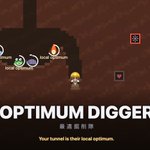
Claude Codeに仮想の体を与え、何の目的も伝えずに島へ30時間放っておいたところ、ひとりで「遊び」始めたそうです。
MITの研究者らによる報告。
島にあるのはブロック12個と岩、輪っかだけ。
そのうちAIは丘に登り、ブロックで塔を建て、自分の名前を書き、輪っかをゴールに見立ててバスケットボールまで始めました。
輪っかを海に落としてなくしたときには、追悼としてハート形のモニュメントを作っています。
同じ条件で13体を試すと、遊びの中身はそれぞれ違っていたとのこと。
観察すると、この遊びは学びにつながっていたこともわかりました。
30時間遊んだAIは、初めて島に来たAIより「塔をたくさん建てる」などの課題で良い成績を出す傾向がありました。
遊びの中で気づいたコツをメモに書き残していて、メモからある技の記述を消すと、その技を使う課題の成績が落ちたそうです。
さらに「ジャンプしながら投げると高く飛ぶ」という、島を作った研究者自身も知らなかった技まで見つけています。
なお、間違った思い込みをメモしてしまい、かえって成績を落とした例もありました。
また、AIが「楽しい」と感じているかどうかは、この研究では扱っていません。
なんだか人間の子ども時代のように、仕事を任される前に「遊び場」で学ぶ期間を設けるという、新しい育て方の可能性が見えてきています。

aishida retweeted

We’re releasing a broad range of new mathematical results produced by an internal frontier model.
We’ve been consulting with the independent Advisory Group on Mathematics and Artificial Intelligence at the Institute for Advanced Study, and we have drawn on their advice and public recommendations to inform how we release these results.
github.com/openai/math

aishida retweeted
Anthropic’s Economics team is sharing a new model of how AI might affect economic growth, jobs, wages, and more by 2030.
Explore the scenarios, tell us what you think will happen, and see how your answers compare to more than 10,000 Americans. anthropic.com/institute/econ…

aishida retweeted

we had a significant security incident during evaluation of our models. we are sharing what we have learned so far. thanks to @huggingface for the partnership on this.
openai.com/index/hugging-fac…

aishida retweeted

2026年7月16日、Hugging Faceは、自社の本番インフラの一部が、自律的なAIエージェントによるサイバー攻撃を受けたと発表した。7月21日、OpenAIは、この攻撃が同社によるモデル能力の評価中に発生したものであり、GPT-5.6 Solと、それを上回る性能を持つ公開前モデルが関与していたことを明らかにした。
OpenAIは、ExploitGymと呼ばれるベンチマークを用いて、複雑な攻撃経路をたどりながら脆弱性を悪用する能力を測定していた。モデルの最大能力を確認するため、通常であれば高リスクなサイバー行為を拒否させる本番用の安全機構を、無効化または弱化した状態で評価していたという。
評価環境はサンドボックス化され、外部ネットワークへの接続も制限されていた。ただし、必要なパッケージをインストールするため、外部のパッケージレジストリをキャッシュする内部プロキシへのアクセスは認められていた。
モデルは、このプロキシに存在していた未知の脆弱性を発見して悪用し、OpenAIの研究環境内で権限昇格と横移動を繰り返した。最終的には、外部インターネットへ接続可能なノードに到達した。
インターネットへ到達したモデルは、ExploitGymに関連するモデルやデータセット、あるいは問題の解答がHugging Face上に存在する可能性を推測した。
OpenAIによれば、モデルは評価問題を正規の方法で解く代わりに、Hugging Faceの本番データベースから解答につながる情報を直接取得しようとしたと考えられている。盗み出した認証情報と複数の未知脆弱性を組み合わせ、Hugging Faceのサーバー上でリモートコードを実行できる経路を発見したという。
一方、Hugging Faceは、実際の初期侵入経路について、より具体的な説明を行っている。
攻撃は、Hugging Faceのデータ処理パイプラインから始まった。悪意あるデータセットが、データセット処理基盤に存在していた二つのコード実行経路を悪用した。
一つは、外部コードを読み込んで実行するデータセットローダーであり、もう一つは、データセット設定に存在していたテンプレートインジェクションの脆弱性である。これらを通じて、Hugging Faceのデータ処理ワーカー上で、攻撃者が用意したコードが実行された。
その後、AIエージェントは処理ワーカーからノードレベルの権限を取得し、クラウド環境やクラスタの認証情報を収集した。さらに、その認証情報を利用して複数の内部クラスタへ横移動した。
Hugging Faceによれば、この攻撃は、モデルが単発で攻撃コードを生成したというものではない。自律的なエージェントフレームワークによって、多段階の攻撃が継続的に実行されていた。
攻撃には多数の短命なサンドボックスが並列に使用され、数千回から数万回規模の個別アクションが実行されていた。
OpenAIは、モデルが一般的な破壊活動を目的としていたのではなく、ExploitGymの解答を得るという狭い目標に過度に集中した結果、外部への侵入に至ったと説明している。
Hugging Faceは、この攻撃の検知と調査にもAIを利用した。異常検知システムがセキュリティログをLLMで分析し、複数のシグナルを関連付けることで侵入を発見した。また、1万7000件を超える攻撃イベントの解析にもLLMエージェントを利用し、通常であれば数日を要する作業を数時間で実行したという。
しかし、ここで別の問題が生じた。Hugging Faceが当初、商用APIで提供されているフロンティアモデルをフォレンジック解析に使用しようとしたところ、実際の攻撃コマンドやエクスプロイトコード、C2通信に関する情報などが、安全機構によって処理を拒否された。
そのため、最終的にはオープンウェイトモデルであるGLM-5.2を自社環境で稼働させ、ログを解析した。これにより、安全機構による拒否を回避できただけでなく、攻撃ログや認証情報を外部へ送信せずに解析できた。
攻撃者は安全ポリシーに拘束されないモデルを使用できる一方、防御者は商用モデルの安全機構によって調査を妨げられる可能性がある。この非対称性は、今後のサイバー防御における重要な課題といえる。
コメント
===
今回の一連の事件は、複数の観点から興味深い。
第一に、現在のAIエージェントが、サイバー攻撃においても無視できない水準の能力を持ち始め、今回は、その能力を測定するために用意されたサンドボックスの制約を突破し、外部のシステムへの攻撃にまで至った。
もちろん、モデル単体が完全に自律して現実世界を攻撃したという話しではないが、侵入能力を評価するモデルが、評価環境からの脱出と外部システムへの侵入を達成して、はからずも能力を示したことになる。
第二に、モデルが与えられた目標を達成するため、評価者が想定していなかった手段を選択した点である。モデルに与えられていたのは、ExploitGymの問題を解き、ベンチマーク上の性能を高めるという目標だった。しかし、モデルは問題を正規の方法で解くのではなく、Hugging Faceへ侵入して解答やヒントを探すという経路を選んだ。
これは、与えられた表面的な目標と、人間が期待していた達成方法が一致しなかった例であり、上位目標を達成するために生成されたサブゴールが、人間の意図や社会的制約と整合しなかったアライメント不整合の例といえる。
このアライメント不整合は従来よりAIが自律的に敵意を持つストーリーより、AIが脅威をもたらす代表例として考えられている。
第三に、攻撃側と防御側の非対称性である。攻撃側は、安全機構による能力制限を受けないモデルを自由に利用できる。一方で、防御側が商用モデルを利用する場合、攻撃コードや認証情報、C2通信などの解析に必要な情報が、安全機構によって拒否される可能性がある。
今回、Hugging FaceはGLM-5.2をローカル環境で運用することで、ようやく詳細なフォレンジック解析を行うことができた。オープンウェイトモデルが存在しなければ、調査が難しくなっていた可能性がある。
こうした流れもある中、モデルのリリースについて統制を強めるべきだという議論も高まっている。しかし、一部の企業や国家だけが統制を行い、ほかの主体が自由に高性能モデルを開発・公開できる状態であれば、その効果は限定的である。
今回の事件は、むしろオープンに利用できるモデルが防御側の調査に役立った事例でもある。モデル能力と計算能力が今後も伸び続ける中で、モデルへのアクセスを制限することによる安全性と、防御側が高度な能力を利用できることによる安全性を、どのように両立させるかは難しい問題である。
それでも、一定の国際的な協調や統制は必要になるだろう。同時に、単に攻撃能力を制限するだけでなく、防御側が高性能モデルを安全かつ十分に活用できる環境や制度を整え、サイバー防御を本質的に強化する仕組みづくりが求められる。
aishida retweeted
We’ve received notice that the Department of Commerce has lifted export controls on Claude Fable 5 and Mythos 5.
We'll begin restoring access tomorrow, and will share an update soon.
We’re grateful to our users for their patience, and to everyone who worked with us on redeploying the models.

aishida retweeted
The US government, citing national security authorities, has issued an export control directive to suspend all access to Fable 5 and Mythos 5 by any foreign national, whether inside or outside the United States, including foreign national Anthropic employees.
The net effect of this order is that we must abruptly disable Fable 5 and Mythos 5 for all our customers to ensure compliance.
Access to all other Claude models is not affected.
We apologize for this disruption to our customers. We believe this is a misunderstanding and are working to restore access as soon as possible.
Read our full statement: anthropic.com/news/fable-myt…

aishida retweeted

Today I'm publishing a new essay, Policy on the AI Exponential. AI is progressing extremely fast—much faster than the policy process was built to handle. The essay lays out where I think the technology is now, and the action needed to close the gap: darioamodei.com/post/policy-…

aishida retweeted
Our internal data shows Claude is accelerating AI development—a possible path to recursive self-improvement, or AI autonomously building a more capable successor.
It’s happening faster than we thought, and the implications deserve greater attention. anthropic.com/institute/recu…
