

nutrition writer | sports dietitian
North Carolina, USA
Joined April 2011
- Tweets3.7K
- Following2K
- Followers2.8K
- Likes3K


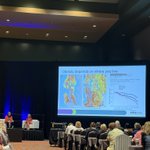



Slower weight loss in athletes is recommended when using GLP-1s to aid in maintenance of performance and lean mass. Recommendations are 0.5-1% of total body weight per week.
#fnce
Good morning from the second full day of #fnce in San Antonio!
I’m starting with a session on GLP-1 medications and athletes.
This is a good example for why BMI doesn’t tell the full story.
One study showed that over 54% of NFL players were obese based on BMI alone but less than 10% of that group were obese based on body fat.
#fnce

I’ve been at the @eatright_pro annual conference for approximately 24 hours and have heard the statement “seed oils don’t cause inflammation” in more than one session.
It’s worth repeating here.
#fnce
Very happy to hear the sports dietitian talking about supplements mention functional foods as an area where there’s a blurred line between food and supplements.
Bars, drinks, etc with additional ingredients traditionally found in supplements has created a grey area. #fnce
On to a presenter from the US Anti-Doping Agency. She is describing a risk spectrum with food on the lower risk side, in the middle are dietary supplements and to the higher risk side are FDA-approved drugs. Importantly, all of these categories are FDA regulated.
What isn’t regulated? Novel experimental substances that are unproven, not FDA approved, counterfeit/falsified, or from fraudulent online pharmacies.
#fnce
It’s not all doom and gloom with supplements though! Some have their place and can provide benefits.
Third-party certification is essential.
#fnce

This presenter just described a supplement as “a complete recipe for disaster and death” based on the ingredients.
So yeah, supplements aren’t benign and they’re not as regulated as you may think.
#fnce
OPSS is determining approval based on “lanes” defined like below. #fnce
There is a searchable database on their website.

This is an example of why I call the supplement industry the Wild West. (My words, not the presenter’s)
#fnce


Next up is a session about protecting consumers from harmful wellness and performance products. #fnce
If you know me then you know I treat all supplements with a healthy dose of skepticism. They can have their place but we need to be informed before adding to the diet.
“The food system in the US is designed to produce calories and it needs to be reformulated to produce nutrients. Quality not quantity.” - Dr. Drewnowski
#fnce
This is fascinating.
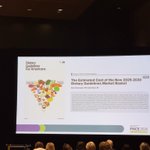
Estimated cost of the new dietary guidelines is $15.82/day and provides a median of 1997 calories and 74.4g protein.
The USDA Thrifty Food Plan estimates costs at well below this. #fnce

So many factors influence our health. Environment, food access, cost, safety, and more. #fnce

What are the drivers of food choice?
Taste
Cost
Convenience
Health
Variety
This is why it’s so important for healthier food to taste good and be affordable.
#fnce
Dr. Drewnowski points to a healthy diet as having 4 components:
1. Adequacy
2. Moderation
3. Diversity
4. Balance
#fnce
