

Founder, Veevo Health On a mission to prevent heart attacks Stanford graduate | Long-distance runner
San Francisco
Joined October 2021
- Tweets5K
- Following281
- Followers696
- Likes23.6K



Pinned Tweet
Why do some "low risk" people still have heart attacks?
A) Hidden soft plaque
B) Cholesterol was normal
C) Risk scores are wrong
a normal cholesterol panel doesn't mean your heart is fine.
it doesn't show plaque.
a standard blood test measures what's floating in your blood. it tells you nothing about what's already stuck to your artery walls.
that's the part that kills people.
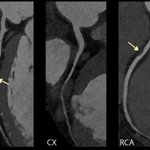
soft plaque is invisible to blood tests. invisible to calcium scores. it doesn't show up until a CCTA scan looks directly at the artery.
we built Veevo around this because too many people in their 40s and 50s are walking around with a "clean bill of health" that isn't actually clean.
the scan takes 30 minutes. no catheter. no surgery. you get a real picture of what's inside your arteries.
that's the whole idea.
3
7
192
10,000 steps a day was never science.
It was the name of a 1960s Japanese pedometer: the "Manpo-kei," or "10,000-step meter."
A 2025 review of 57 studies puts the real benefit closer to 7,000.
1) Which is true of a calcium score (CAC) scan?
A) Needs iodine contrast
B) Takes hours
C) Takes seconds, no contrast
D) Uses MRI
In CCTA reporting (CAD-RADS), what does a score of 0 mean?
A) Total blockage
B) Severe disease
C) Scan not done
D) No visible plaque or narrowing
Calcium scoring is most helpful for which group?
A) Adults at borderline or intermediate risk who are unsure about starting a statin
B) Everyone, every year
C) Someone having a heart attack right now
D) People with stents only
Which trial found that adding CCTA to standard care was linked to fewer heart attack deaths and non-fatal heart attacks over 5 years?
A) JUPITER
B) SCOT-HEART
C) ISCHEMIA
D) FOURIER
Which is a high-risk plaque feature on CCTA?
A) Heart rate of 60
B) Normal ejection fraction
C) Calcium score of 0
D) Napkin-ring sign
Before a CCTA, what should be checked?
A) Vitamin D level
B) Kidney function and contrast allergy
C) Blood sugar only
D) Thyroid antibodies
Same calcium score of 100: who is at higher relative risk?
A) A 40-year-old
B) A 70-year-old
C) Both identical
D) Depends only on LDL
Most people have had dozens of blood tests and have never once seen their own arteries
Cholesterol numbers estimate population-based risk
A heart scan shows the picture of arteries themselves.
I posted 30+ heart quizzes this month.
The one people get wrong the most: "If your calcium score rises on a statin, is the treatment failing?
Most say yes. Not necessarily. On a statin, soft plaque can calcify as it stabilizes.
A rising number isn't the whole story.
That's why I offer Veevo Scan so that people know how the plaque in their arteries looks like, not just how much calcium it has.
Blood pressure doesn’t need to make you feel ill to damage your arteries.
There's a reason it's called a silent killer.
A "full-body" scan that doesn't image the arteries of your heart isn't a full-body scan
It's a very good scan of everything else.
Whole-body MRI isn't designed to assess plaque in the heart's arteries.
The Veevo Heart Scan is built for exactly that: veevohealth.com/heart-scan/

6
99
Which of these can be normal in someone with high Lp(a)?
A. LDL (“bad”) cholesterol
B. Blood pressure
C. Both