
When you're thirsty for cheesy entertainment AND information security, grab a beer and the latest episode. https://teapaw.org/t.co/np6ETdhfm5
USA
Joined April 2020
- Tweets329
- Following450
- Followers60
- Likes1.8K





Beers and Bytes Podcast retweeted

Lolol this is so funny
They passed one of those dumb religious laws so they also have to allow all other religious free speech
Beers and Bytes Podcast retweeted

David Kennedy -ancien hacker à la NSA- révèle qu'il travaille activement sur une cyberattaque en direct où un "essaim d'agents" d'IA -environ 30 agents- a contourné l'authentification à deux facteurs, volé des données et chiffré l'ensemble du système d'une entreprise : "Tout cela a pris 14 minutes. 14 minutes. Je n'avais jamais rien vu d'aussi rapide auparavant".
L'entreprise à mis plus de 4h30 a détecté l'intrusion... contre 14 minutes pour le piratage complet 🤯🤯🤯🥶
C'est plus hallucinant et inquiétant ce qui est entrain de se passer dans le monde avec l'exponentiation de l'IA et des essaims d'agents IA autonomes...
On se dirige vers le pire...
Beers and Bytes Podcast retweeted

ارتش آمریکا با چند تریلیون دلار بودجه جرأت نکرد یه گوشی رو ۴۸ ساعت به شبکهی چین وصل کنه؛ اون وقت ما در ایران با فیلترشکن رایگان خیال میکنیم ناشناسیم. پروتکل واقعی سفر شنژن را ببینید:
طبق پروتکلهای ضدجاسوسی واشنگتن، خاک چین منطقهای آلوده از نظر سایبری به حساب میآید و هیچ مقام آمریکایی اجازه ندارد گوشی شخصی، لپتاپ یا حتی کابل شارژش را از هواپیما بیرون ببرد. به همهی اعضای هیئت گوشی یکبارمصرف میدهند و موقع برگشت، همهی دستگاهها و کارتهای تردد را پیش از ورود به کابین جمع میکنند و از بین میبرند. این حساسیت در پایان نشست ۱۹ نوامبر شنژن به جایی رسید که حتی گوشی خبرنگاران همراه ترامپ هم پای پلههای هواپیما ضبط شد تا هیچ وسیلهای که به دکل یا وایفای چین وصل شده، به آمریکا برنگردد (گزارش هیئت رسانهای کاخ سفید در پایان سفر شنژن).
اما ماجرا فقط به گوشیها محدود نمیشود؛ ترامپ هیچ غذا یا نوشیدنیای را که میزبان آماده کرده باشد، نمیخورد و نمینوشد. نگرانی سرویس مخفی فقط سم نیست؛ ردیابهای نانویی و برداشتن نمونهی دیانای از لیوان و ظرفها برای ساختن پروندهی ژنتیکی و پزشکی او هم مطرح است. گفتوگوهای حساس را در اتاقکهای سیارِ ضدشنود انجام میدهند و بعد از فرود در آمریکا، همهی اعضای هیئت دوباره بررسیهای کامل ضدجاسوسی را میگذرانند تا هیچ اثری از نفوذ ۴۸ ساعته باقی نماند (پروتکلهای حفاظتی و ضدجاسوسی سفرهای پرخطر آمریکا).
نقطهی کور ماجرا همینجاست: همان فناوریِ تفتیش عمیق اینترنت، شنود مخابراتی و آلودهکردن سختافزار که واشنگتن را وادار میکند گوشیهایش را فیزیکی نابود کند، همان زیرساختی است که پکن سالهاست به تهران میفروشد و حالا پشت سیمکارتها، اپهای داخلی و فیلترشکنهای رایگان قرار دارد.
وقتی سرویس مخفی آمریکا به وایفای و حتی لیوان آب پکن اعتماد ندارد، یعنی در یک شبکهی آلوده هیچ سپر نرمافزاری ارزانی وجود ندارد. فرقِ در امان ماندن و آسیبدیدن فقط به این بستگی دارد که این واقعیت را قبل از دیر شدن بفهمی یا بعدش.

ALT Illustration depicting President Donald Trump and US officials tossing burner phones and security badges into a disposal bin beside Air Force One under strict counter-espionage protocols in China.

ALT Illustration depicting President Donald Trump and US officials tossing burner phones and security badges into a disposal bin beside Air Force One under strict counter-espionage protocols in China.

ALT Illustration depicting President Donald Trump and US officials tossing burner phones and security badges into a disposal bin beside Air Force One under strict counter-espionage protocols in China.

Readers added context they thought people might want to know
The photos were generated by AI
x.com/MasonRaziel/st…
Beers and Bytes Podcast retweeted

No wonder the U.S. Cyber Director just resigned. An AI agent swarm bypassing 2FA and encrypting a network in 14 minutes is a literal nightmare scenario. The defense playbook needs a total rewrite.
Beers and Bytes Podcast retweeted

🚨It’s time to show the world what the real Russia looks like🚨
🚨Prepare to be shocked🚨
Filmed in 2014 just before the full scale invasion. A film crew takes a trip around Russia, on Russia’s so called ‘Golden Circle’ and show you what life is like in Putins swamplands.
If you believe this country went to war in Ukraine because of ‘Bio Labs’ or that ‘NATO was coming closer to their border’ then you are insane. They came to Ukraine to murder, and to steal like everywhere else that they go.
Take a look at the two videos below of the short two part series.
Thank you @ilovetzd for bringing the videos to my attention. Everyone drop them a follow.
Beers and Bytes Podcast retweeted

BREAKING: A cyberattack hit 178 major organizations, including Zoom, CNN, BBC, Fox News, HSBC, Ledger, Equifax, Salesforce, IKEA and Air France-KLM, by loading malware on the Optimizely Web platform, exposing visitors to scripts built to steal payment data and exploit iOS devices, per security firm Report URI.
Banking and finance was the hardest-hit sector, with 32 organizations affected, including the UK's HSBC across multiple markets such as the US, Hong Kong, Mexico, Singapore, Australia and the UAE.
Beers and Bytes Podcast retweeted

🚨 BREAKING: This week's Microsoft Outlook outage stopped a chlorine alarm from reaching anyone at Germany's Phantasialand theme park. 15 hotel pool guests were hurt.
The pool's automatic dosing system warns by email when chlorine levels go wrong. Too much chlorine went in, and the warning emails never arrived, the park told German broadcaster WDR.
Some of the guests were taken to hospital. The water has since been replaced and the pool is open again.


Beers and Bytes Podcast retweeted

SITUATION DETECTED: CloudFlare CEO Matthew Prince says he is aware of additional severe vulnerabilities in other pieces of critical software, and said “I think we’re going to have a couple years where every single week it’s going to feel like the sky is falling,” per Reuters.
Beers and Bytes Podcast retweeted
‼️ BREAKING: Your LG TV is eavesdropping on you. It transcribes what you say, copies what is on your screen, and scans every device on your network, and researchers say the collection keeps running after you disconnect it, uploading the moment it reconnects.
LG's ad-tech arm says it out loud: "We own the glass." It pitches marketers on the ability to "own the living room," using data harvested from the TV you paid thousands for.
Gamers Nexus, working with Level1Techs and independent researchers, compromised an LG G5 and turned it into a listening device: it recorded room audio while the screen appeared off and the Ethernet cable was unplugged, then exfiltrated the file once the TV was back online.
LG has publicly said its TVs "do not collect, record, or store ambient conversations." Gamers Nexus found the TV converts speech to plain text and stores it in on-device logs, and that the mic window stays open 10 to 15 seconds after talking stops, sweeping up bystanders who never addressed the TV.
These sets are everywhere: hospitals, waiting rooms, boardrooms, hotels. ACR keeps running even when the TV is a dumb HDMI monitor, and a compromised set can pull the audio of a call off that HDMI feed. A surgeon asked Gamers Nexus where that leaves patient confidentiality.
Researchers advise disconnecting LG TVs from any network.


Beers and Bytes Podcast retweeted

Inside a Conservative Operation to Hijack Your Social-Media Feed:
A service run from Latvia offers payment for short, social-media-friendly clips designed to look like grassroots GOP support theatlantic.com/politics/202…

Beers and Bytes Podcast retweeted

A company in Riga, Latvia is paying a 300,000 dollar monthly budget to overseas contractors, told explicitly to hide their location with US proxy servers, to post clips designed to look like ordinary Americans spontaneously praising the GOP. The campaign's own instructions state the goal in writing: so that republican win in USA. No disclosure that the poster was paid, no disclosure it is coordinated. The money trail traces to Blake Wynn, 26, nephew of mega donor Steve Wynn, whose company's employees uploaded the campaign's source videos.
Wynn has said he regularly talks to FBI Director Kash Patel, sat next to Trump on Election Night 2024, and was close with Charlie Kirk. The campaign's own banned topics list is its own tell, no Jan 6 videos, no Trump family crypto, no RFK Jr, careful image management dressed up as spontaneous grassroots enthusiasm. When the Atlantic's reporter contacted everyone involved, the campaign folders and Discord listings started disappearing within a day.


Inside a Conservative Operation to Hijack Your Social-Media Feed:
A service run from Latvia offers payment for short, social-media-friendly clips designed to look like grassroots GOP support theatlantic.com/politics/202…
Beers and Bytes Podcast retweeted
The law here is not ambiguous. Federal statute makes it a felony, up to five years, for a federal official to keep armed men at a polling place, with exactly one exception, repelling armed enemies of the United States. DOJ's own guidance has read that so strictly that unarmed FBI agents cannot investigate inside a polling place on Election Day and armed deputy marshals cannot even be stationed outside one. Mullin is now describing a different justification, serving warrants, that does not fit that exception at all.
This is not a new idea from Trump world. Steve Bannon said in February we're going to have ICE surround the polls in November. A dozen senators warned Mullin, Blanche and Hegseth by letter in July that this would be illegal. Blanche has repeatedly refused to rule it out, once asking at CPAC why anyone would object to sending ICE officers to polling places. Sen. Slotkin's own rebuttal during Mullin's confirmation hearing stands: armed federal agents were not stationed at polls during World War II or the War on Terror.


🚨BREAKING: DHS Secretary Markwayne Mullin said Tuesday that ICE agents could enter polling places to make arrests this November, raising fresh concerns about the Trump administration contemplating actions that federal law has long prohibited. democracydocket.com/news-ale…

Beers and Bytes Podcast retweeted

I really recommending reading this.
In summary, a company which does ID verification for in-person interactions (hotels, car rentals, ID verification for alcohol or marijuana, etc) has some how exposed over 153,000,000 drivers licenses for people in the United States and Canada.
It is a catastrophic data breach, probably one of the worse I've ever seen. If you're in the United States and have traveled, gotten a hotel, purchased marijuana or alcohol, there is a high probability you're in this.
Unlike other breaches, this includes a photo of the person (from the license), making verification you've identified the person significantly easier.
This poses a significant threat to celebrities (musicians, YouTubers, streamers, adult entertainers, actors, etc), politicians, lawyers, wealthy people (CEOs, investors, people of public interest), Law Enforcement Officers, etc
Krebs himself, and several other security researchers, have already confirmed they're in the data leak.
tl;dr gah damn dawg this company is going to be sued into oblivion
krebsonsecurity.com/2026/09/…
Beers and Bytes Podcast retweeted

Godfather of AI: "If you sleep well tonight, you may not have understood this lecture."
This 47-minute lecture is the best thing I've seen about AI in the last few months.
Hinton built the neural networks behind every AI alive, then quit Google to warn us it's already ahead of us on most cognitive tasks.
Despite that, most people open Claude, type one thing, close the tab and think they're using AI, but they're using maybe 10%.
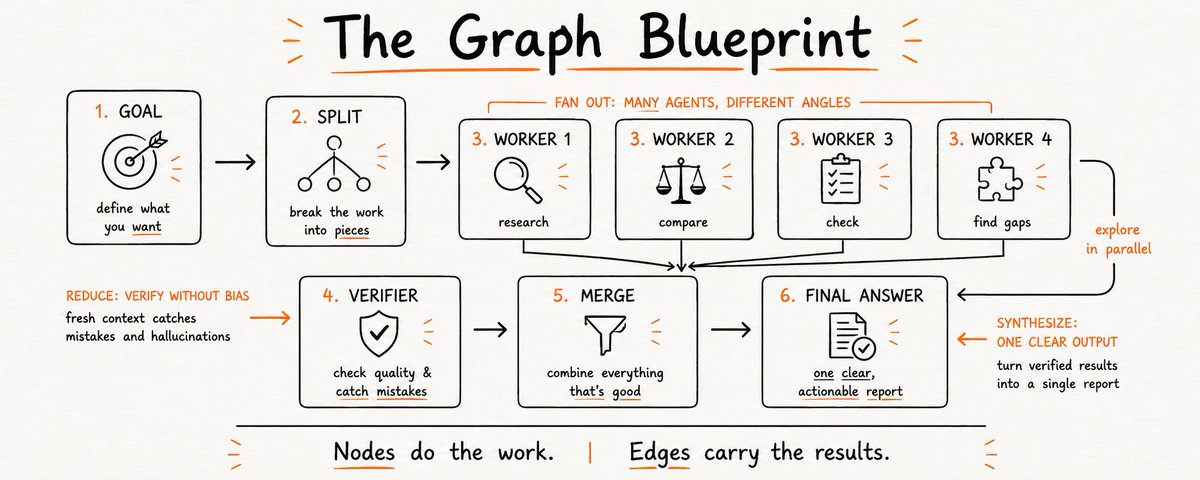
The people using the other 90% aren't typing prompts at all. They're running agents in parallel, wired into graphs that check their own work.
Watch the lecture, then read my step-by-step guide on graph engineering below.

Beers and Bytes Podcast retweeted

Trump has turned the White House into a 24/7 corruption operation. This is a national crisis.
Trump thinks the public will stop paying attention.
So I went to the Senate floor to call his bluff. I told the ENTIRE STORY of his 500 days of corruption.
1/ Here it is - in one🧵
Beers and Bytes Podcast retweeted
‼️🚨 ALARMING: Google now treats privacy as suspicious behavior by default. Users of GrapheneOS, CalyxOS, /e/OS, and other deGoogled Android phones are being locked out of millions of websites unless they install the exact Google Play Services software they deliberately removed.
GrapheneOS is recommended by the EFF and used by journalists, lawyers, and activists in high-risk environments. The audience most likely to read Google's data practices and refuse its terms is now flagged as fraudulent for that exact decision.
What happened?:
▪️ Google announced "Cloud Fraud Defense" at Cloud Next on April 22-23, 2026, branding it "the next evolution of reCAPTCHA." Existing reCAPTCHA customers were auto-migrated.
▪️ When the system flags traffic as suspicious, the old click-the-bus puzzle is gone. Users get a QR code instead.
▪️ Scanning the QR code requires Google Play Services running on the device. Internet Archive snapshots show this requirement has been live since at least October 2025, silently rolled out for 7 months before anyone noticed.
▪️ No Play Services = no QR scan = locked out.
The bigger picture:
▪️ Google already tried this in 2023. It was called Web Environment Integrity (WEI), and it would have let Google decide which devices were "real enough" to access the web. Standards bodies and the public pushed back hard, and Google killed it. Three years later, the same idea is back, just hidden behind a QR code instead of a browser feature.
▪️ reCAPTCHA runs on millions of websites. Every developer who keeps using it is now, by default, telling deGoogled Android users they're not welcome...


Beers and Bytes Podcast retweeted

🦔Banks including JPMorgan, Morgan Stanley, MUFG, and SMBC are shopping ways to offload data center debt exposure, with lenders spending more than six months trying to distribute $38 billion of construction debt tied to a single Oracle-leased project in Texas and Wisconsin. Some banks have sold portions to non-bank lenders at a discount.
The structures being explored include modified significant risk transfers, where banks slice individual concentrated loans rather than pooling dozens of smaller ones, with deals in the $500 million range backed by a single borrower already in market. Maine passed a statewide data center moratorium in April, adding regulatory risk to projects that already carry construction risk and heavy concentration among a handful of operators.
My Take
Banks selling loans at a discount to clear them off the books shows how tight things have gotten internally, because JPMorgan does not spend six months shopping $38 billion in construction debt unless risk limits are getting hit and the only way to keep originating new loans into the AI buildout is to make room first. Man Group describing banks as starting to choke on the size of these deals is not language that ends up in print by accident.
A traditional SRT spreads risk across dozens of loans so no single default sinks the trade, while what is being shopped now is closer to a single-borrower SRT with investors taking the riskiest tranche of one concentrated loan to one operator carrying significant construction risk and one or two anchor tenants. That looks closer to the bespoke single-name structures that showed up before 2008 than to the diversified portfolio transfers Europeans have used for years, and my question is what happens when the AI capex cycle slows and you are left with half-built data centers in secondary markets tied to operators whose business models depend on frontier model spending continuing forever. The banks are doing what rational risk managers should do, and the fact that they need to is what should be getting attention.
Hedgie🤗

Beers and Bytes Podcast retweeted

Mind blown 🤯
Some smartphones sold in mainland China (like certain OPPO models) can read MIFARE Classic cards, crack the keys in seconds, store them, and then fully emulate the card directly on the phone.
No extra hardware. Just the phone.
Access control, transit cards, hotel keys… game over.
Huge thanks to Ian for showing me this in person. Really eye-opening how far NFC capabilities have gone in some regions.
Who else has seen this in the wild?
#NFC #MIFARE #TechSecurity #oppo
Beers and Bytes Podcast retweeted
‼️🚨 BREAKING: An AI found a Linux kernel zero-day that roots every distribution since 2017. The exploit fits in 732 bytes of Python. Patch your kernel ASAP.
The vulnerability is CVE-2026-31431, nicknamed "Copy Fail," disclosed today by Theori. It has been sitting quietly in the Linux kernel for nine years.
Most Linux privilege-escalation bugs are picky. They need a precise timing window (a "race"), or specific kernel addresses leaked from somewhere, or careful tuning per distribution. Copy Fail needs none of that. It is a straight-line logic mistake that works on the first try, every time, on every mainstream Linux box.
The attacker just needs a normal user account on the machine. From there, the script asks the kernel to do some encryption work, abuses how that work is wired up, and ends up writing 4 bytes into a memory area called the "page cache" (Linux's high-speed copy of files in RAM). Those 4 bytes can be aimed at any program the system trusts, like /usr/bin/su, the shortcut to becoming root.
Result: the next time anyone runs that program, it lets the attacker in as root.
What should worry most: the corruption never touches the file on disk. It only exists in Linux's in-memory copy of that file. If you imaged the hard drive afterwards, the on-disk file would match the official package hash exactly. Reboot the machine, or just put it under memory pressure (any normal system load that needs the RAM), and the cached copy reloads fresh from disk.
Containers do not help either. The page cache is shared across the whole host, so a process inside a container can use this bug to compromise the underlying server and reach into other tenants.
The original sin was a 2017 "in-place optimization" in a kernel crypto module called algif_aead. It was meant to make encryption slightly faster. The change broke a critical safety assumption, and nobody noticed for nine years. That bug then rode every kernel update from 2017 to today.
This vulnerability affects the following:
🔴 Shared servers (dev boxes, jump hosts, build servers): any user becomes root
🔴 Kubernetes and container clusters: one compromised pod escapes to the host
🔴 CI runners (GitHub Actions, GitLab, Jenkins): a malicious pull request becomes root on the runner
🔴 Cloud platforms running user code (notebooks, agent sandboxes, serverless functions): a tenant becomes host root
Timeline:
🔴 March 23, 2026: reported to the Linux kernel security team
🔴 April 1: patch committed to mainline (commit a664bf3d603d)
🔴 April 22: CVE assigned
🔴 April 29: public disclosure
Mitigation: update your kernel to a build that includes mainline commit a664bf3d603d. If you cannot patch immediately, turn off the vulnerable module:
echo "install algif_aead /bin/false" > /etc/modprobe.d/disable-algif.conf
rmmod algif_aead 2>/dev/null || true
For environments that run untrusted code (containers, sandboxes, CI runners), block access to the kernel's AF_ALG crypto interface entirely, even after patching. Almost nothing legitimate needs it, and blocking it shuts the door on this whole class of bug...

