

An independent, nonprofit successor to Climate(.)gov, safeguarding public access to trusted climate data, tools, and information.
- Tweets309
- Following85
- Followers2.1K
- Likes21







ALT In my art, I try to convey that we can help reverse the effects of climate change. One hand is erasing the pollution caused by industrialization the world over, and the other is redrawing actions to restore the Earth’s beauty. I have always tried to help out the Earth, through stream clean ups and more. I hope people learn from my art that they can help change the world by just doing simple things like driving less, not littering, and maybe even setting up solar panels or wind turbines. The effects of climate change are only in our hands, so we should do whatever we can to help.


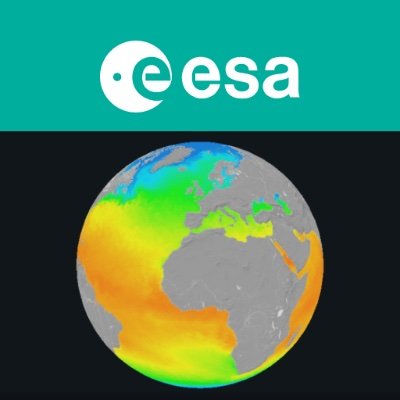

ALT How water levels shape phytoplankton blooms across Lake Kariba, 2004–2018. The heatmaps compare weekly changes in algae growth across the reservoir’s three basins. Symbols mark years with low, medium and high water levels. The maps show where persistent bloom hotspots occurred most frequently under each water-level condition. Satellite datasets from the European Space Agency’s Climate Change Initiative underpin the analysis. Greife, A. J., Calamita, E., Pinardi, M., Carrea, L., Maidment, R. I., Pitarch, J., et al. (2026).

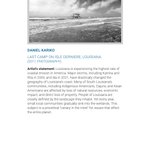
ALT Louisiana is experiencing the highest rate of coastal erosion in America. Major storms, including Katrina and Rita in 2005, and Ida in 2021, have drastically changed the geography of Louisiana’s coast. Many of South Louisiana’s communities, including Indigenous Americans, Cajuns, and Asian Americans are affected by loss of natural resources, economic impact, and direct loss of property. People of Louisiana are closely defined by the landscape they inhabit. Yet every year, small local communities gradually sink into the wetlands. This subject is a proverbial “canary in the mine” for issues that affect the entire planet.


ALT This work portrays Grinnell Glacier in Glacier National Park, Montana in four time periods between 1920 and 2006, with the glacier losing mass in each painting. The piece considers the marks that humanity leaves on the landscape, reflecting the impact of industrial and colonial activity on those same landscapes. While these paintings deal with impending climate catastrophe, rather than lingering in dystopia they celebrate the sublimity of the landscape by honoring the intricate geological and political webs that shape the identity of a place.


ALT This piece was commissioned by the University of Washington Climate Impacts Group. Developed in collaboration with scientists and tribal representatives, the work acknowledges the inevitable while highlighting how we can cultivate good. From the urban West Coast to the shrubsteppe of eastern Washington, resiliency looks different in every landscape. True resiliency is not bound within the realm of science; social justice is equally as vital to every solution. The piece aims to make climate resiliency concepts more accessible. After all, before any goal can be accomplished, it must first be envisioned.

ALT I created the Wildfire Progression Series sculptures and drawings using geographic data to reveal the shape of wildfires as they grew over time. Wildfire is both a necessary process for a healthy forest ecosystem and very destructive to human lives. I bring attention to the dissonant forces at play in wildland areas that have regularly burned throughout history, and are increasingly being developed by humans, whose presence in turn disrupts the wildland ecology.
