
Senior Engineering Leader and Founder building Open Source projects
Joined October 2026
- Tweets108
- Following54
- Followers23
- Likes42

Pinned Tweet

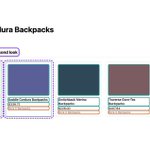
ALT I wanted an LLM to design a shop's product recommendations, not write its prices. So I built rudra-js, an open-source TypeScript library for React. The LLM picks the layout and copy. Titles, prices and images come from your catalog. It's early. Tell me what breaks.
1
1
94
You specify the tracking input to the generator, rudra-js does all the work.
- Sends the sanitized data to an LLM (Large Language Model), which is applicable only when a provider is configured.
- The LLM will design one product-recommendation block and send it back in the response for a product page.
- rudra-js checks it against your catalog, and React renders it.
1
15
The block is in the first HTML response with no client JS, so crawlers that skip JS still read it. React 18 or 19, Node 22.12+.
It's just me building this, and APIs may change before 1.0. Building a React or Next.js app? Try it on one page. Links in the first reply.
1
1
25
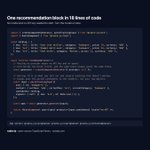
It also runs with no model. rudra-js builds the block itself, free, no API key. The quick start in the image below runs that way.
With the model on, you pay your own provider. There's a ready-made Claude adapter, or put another model behind a small interface.

1
1
26
The model's words get three checks. Price, discount, rating, delivery-date and stock patterns. Every digit must be in your data. A list of claims like 'top pick'. A field that fails is dropped.
Some rewordings and spelled-out numbers get through. The tests list them.
1
3
28
Titles, prices, images and links come from what you send when the page renders.
By default, rudra-js picks the grid or carousel products from your list, not the model. On my 500-shopper benchmark that mode made 460 model calls per 1000 page views, not 1000.
3
24
The LLM will never write HTML. It fills a few fields rudra-js defines: layout, headline, copy, which cards to highlight. There's no field for a price, product name, image or link (this comes from the tracking input).
It can only name SKUs from the list you pass in. The model's words render as escaped text.
3
30
Repo (MIT): github.com/clivedsouza1010/r…
Demo: demo.rudrajs.com/product/RJ-…
Docs: rudrajs.com
Quick start, no API key: rudrajs.com/learn/quick-star…

3
