

Machine Learning & Backend 😎 Founder of Humanity backed by Investors from Google, SF and Hong Kong.
Mountains
Joined June 2023
- Tweets1.6K
- Following365
- Followers314
- Likes1.3K
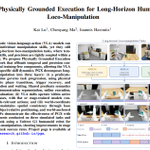






𝗠𝗮𝗸𝗶𝗻𝗴 𝗛𝘂𝗺𝗮𝗻𝗼𝗶𝗱 𝗥𝗼𝗯𝗼𝘁𝘀 𝗕𝗲𝘁𝘁𝗲𝗿 𝗮𝘁 𝗟𝗼𝗻𝗴-𝗛𝗼𝗿𝗶𝘇𝗼𝗻 𝗧𝗮𝘀𝗸𝘀
What if we could make existing VLA models better at complex robot tasks without changing their weights?
PGX does exactly that by combining:
Predicate-based state machines for task progression and recovery.
VLA models for manipulation skills.
World-coordinate locking for spatial precision.
Tested on a Unitree G1, PGX improved coffee-fetching success from 35% to 80% with unchanged GR00T model weights.
A fascinating combination of AI foundation models and classical robotics control.
Project: kl-research.github.io/pgx/
Paper: arxiv.org/abs/2611.26596
#Robotics #HumanoidRobots #VLA #EmbodiedAI

2
193
𝗦𝗲𝗹𝗳-𝗥𝗲𝘄𝗿𝗶𝘁𝗶𝗻𝗴: 𝗪𝗵𝗲𝗻 𝗔𝗜 𝗠𝗼𝗱𝗲𝗹𝘀 𝗦𝘁𝗮𝗿𝘁 𝗘𝗱𝗶𝘁𝗶𝗻𝗴 𝗧𝗵𝗲𝗶𝗿 𝗢𝘄𝗻 𝗪𝗲𝗶𝗴𝗵𝘁𝘀
A 27B model can inspect, modify and improve its own neural network weights.
No gradients. No retraining.
Here's what happened:
Self-improvement: Accuracy improved from 57.2% to 63.8% on 490 unseen problems.
Self-repair: Recovered a damaged model from 7.3% to 70.2% accuracy across six image benchmarks.
Self-testing: The model tests its modifications and keeps only improvements.
The bigger implication?
What if AI models could continuously improve themselves instead of waiting for another training run?
Research: arxiv.org/abs/2611.21885
#AI #LLM #MachineLearning #SelfImprovement #Research

9
317
𝗠𝗮𝗰𝗠𝗶𝗺𝗶𝗰: 𝗧𝗿𝗮𝗶𝗻𝗶𝗻𝗴 𝗛𝘂𝗺𝗮𝗻𝗼𝗶𝗱 𝗥𝗼𝗯𝗼𝘁𝘀 𝗼𝗻 𝗮 𝗠𝗮𝗰𝗕𝗼𝗼𝗸
Meta robotics director Jian Zhang has open-sourced MacMimic, a project that makes humanoid motion training surprisingly accessible.
Trains a simulated Unitree G1 to track 40 human motions.
Runs entirely on a MacBook Pro.
Completes training in just 22 minutes.
2× faster than BlinkMimic on the same Mac.
Robotics research is getting closer to running on everyday hardware.
air23zj.github.io/macmimic/
#Robotics #HumanoidRobots #AI #OpenSource

2
170
𝗛𝘂𝗮𝘄𝗲𝗶 𝗜𝗻𝘁𝗿𝗼𝗱𝘂𝗰𝗲𝘀 𝗢𝗦𝗧𝗔 𝗢𝟭 𝗣𝗿𝗼: 𝗔 𝗡𝗲𝘄 𝗔𝗜 𝗣𝗵𝗼𝗻𝗲 𝗕𝗿𝗮𝗻𝗱
Huawei has unveiled the OSTA O1 Pro, its first HarmonyOS AI phone under the new OSTA brand.
Key specifications:
Chip: Kirin 9030S
Battery: 7,000mAh
Display: 6.39-inch 1.5K
Design: 6.68mm thin, ~200g
Memory: Up to 16GB RAM + 1TB storage
Starting price: ¥5,699 (~$854)
Richard Yu says OSTA aims to become a pioneering technology brand for the AI era.
The smartphone battle is expanding beyond hardware to AI-powered experiences.
#Huawei #OSTA #HarmonyOS #AI #Smartphones

2
161
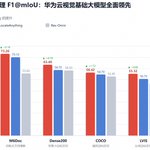
𝗛𝘂𝗮𝘄𝗲𝗶'𝘀 𝗩𝗶𝘀𝗶𝗼𝗻 𝗠𝗼𝗱𝗲𝗹: 𝟲.𝟵× 𝗙𝗮𝘀𝘁𝗲𝗿 𝗦𝗽𝗮𝘁𝗶𝗮𝗹 𝗚𝗿𝗼𝘂𝗻𝗱𝗶𝗻𝗴
Huawei Cloud is rethinking how vision models locate objects in images.
Instead of generating bounding-box coordinates sequentially, its approach uses a single spatial grid token per instance and decodes boxes in parallel.
The reported results are impressive:
87.6% fewer output tokens.
Generation time drops from 1,532.4 ms to 223.6 ms.
Achieves 27.7 boxes/sec.
Beats LocateAnything by 1.7–4.7 F1 points across six benchmarks.
On Huawei Ascend, additional optimizations push performance further:
17.3% lower single-stream latency.
3× higher multi-stream throughput.
No reported accuracy loss.
The bigger takeaway: smarter decoding strategies can deliver major inference gains without simply scaling model size.
#AI #ComputerVision #LLMInference #Huawei #GPU


2
162
𝗘𝗙𝗘-𝟵𝟴: 𝗔 𝗦𝗶𝗺𝘂𝗹𝗮𝘁𝗶𝗼𝗻 𝗕𝗲𝗻𝗰𝗵𝗺𝗮𝗿𝗸 𝗧𝗵𝗮𝘁 𝗣𝗿𝗲𝗱𝗶𝗰𝘁𝘀 𝗥𝗲𝗮𝗹-𝗪𝗼𝗿𝗹𝗱 𝗥𝗼𝗯𝗼𝘁 𝗣𝗲𝗿𝗳𝗼𝗿𝗺𝗮𝗻𝗰𝗲
One of robotic's biggest challenges is knowing whether performance in simulation actually translates to real-world robots.
Playground introduces EFE-98, a compact benchmark designed to bridge that gap.
What's interesting?
0.98 correlation with real-robot performance rankings (as reported by Playground).
Uses just 21.5% of the tasks in the full Embodied First Exam.
Runs at roughly 10% of the cost.
The idea is simple: evaluate robotic AI agents more cheaply without losing the signal that matters in the physical world.
A step toward making real-world robotics evaluation faster, cheaper, and more scalable.
Benchmark: withplayground.ai/leaderboar…
#Robotics #EmbodiedAI #AI #Simulation #RobotLearning
2
154
𝗔𝗻𝘁𝗵𝗿𝗼𝗽𝗶𝗰'𝘀 𝗜𝗣𝗢: 𝗦𝗮𝗳𝗲𝘁𝘆, 𝗦𝗰𝗶𝗲𝗻𝗰𝗲 & 𝗧𝗵𝗲 𝗕𝗮𝘁𝘁𝗹𝗲 𝗙𝗼𝗿 𝗧𝗵𝗲 𝗔𝗜 𝗡𝗮𝗿𝗿𝗮𝘁𝗶𝘃𝗲
On the day of Anthropic's historic $81.3B IPO, Dario Amodei delivered a striking message about AI's future.
He revealed that Anthropic's biology team had discovered what appears to be a new gene-editing mechanism, potentially opening the door to dozens of discoveries every month.
But what caught my attention was his statement:
"We haven't yet earned the right to talk about how great those things are."
There's an interesting contrast here:
Ambition: AI could accelerate scientific and medical discoveries dramatically.
Restraint: Anthropic emphasizes safety, responsibility and human benefit.
Positioning: The company is building its identity around delivering transformative AI while presenting safety as a central priority.
Whether genuine restraint, strategic positioning, or both, one thing is clear:
The battle for the future of AI is also becoming a battle over who gets to define its purpose.
Interview: ceointerviews.ai/interview/3…
#Anthropic #DarioAmodei #Claude #AI #AISafety
1
184
𝗕𝗲𝘆𝗼𝗻𝗱 𝗔𝗚𝗜: 𝗧𝗵𝗲 𝗥𝗼𝗮𝗱 𝘁𝗼 𝗔𝗿𝘁𝗶𝗳𝗶𝗰𝗶𝗮𝗹 𝗦𝘂𝗽𝗲𝗿𝗶𝗻𝘁𝗲𝗹𝗹𝗶𝗴𝗲𝗻𝗰𝗲 (𝗔𝗦𝗜)
DeepMind Institute's latest essay explores what happens after AGI and identifies four potential paths toward superintelligence:
Scaling: Bigger models, more compute and better reasoning.
New Paradigms: World models, continual learning and new capabilities.
Multi-Agent Systems: Millions of AI agents collaborating as collective intelligence.
Recursive Self-Improvement: AI accelerating its own development.
One particularly interesting insight: Effective global AI compute could grow at least 10× annually through hardware investment and algorithmic improvements.
AGI may not be the destination. It could be the starting point of an entirely new intelligence era.
Read the full essay:
institute.deepmind.com/essay…
#AGI #ASI #DeepMind #Superintelligence #AI

1
118
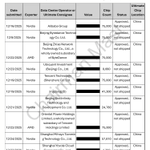
𝗨.𝗦. 𝗥𝗲𝘃𝗲𝗮𝗹𝘀 𝟴𝟳𝟵,𝟬𝟬𝟬+ 𝗔𝗜 𝗖𝗵𝗶𝗽 𝗘𝘅𝗽𝗼𝗿𝘁 𝗔𝗽𝗽𝗿𝗼𝘃𝗮𝗹𝘀 𝗳𝗼𝗿 𝗖𝗵𝗶𝗻𝗮
The U.S. House Foreign Affairs Committee has publicly released export-license data covering NVIDIA and AMD AI chips destined for China.
The findings reveal:
3.4 million AI chips requested for export.
879,000+ chip exports approved by the U.S. Bureau of Industry and Security (BIS).
Approvals included exports involving companies such as Alibaba and Tencent.
The disclosures cover a critical period of U.S. semiconductor export policy and raise questions about national security, technology access, and enforcement.
One important distinction: approved licenses do not necessarily mean all those chips were actually delivered.
As AI becomes a strategic resource, control over compute is becoming just as important as control over the technology itself.
Source: foreignaffairs.house.gov/new…
#AI #NVIDIA #AMD #Semiconductors #Geopolitics

1
131
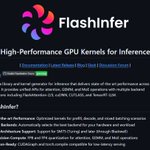
𝗙𝗹𝗮𝘀𝗵𝗜𝗻𝗳𝗲𝗿: 𝗧𝗵𝗲 𝗚𝗣𝗨 𝗞𝗲𝗿𝗻𝗲𝗹 𝗟𝗮𝘆𝗲𝗿 𝗕𝗲𝗵𝗶𝗻𝗱 𝗛𝗶𝗴𝗵-𝗣𝗲𝗿𝗳𝗼𝗿𝗺𝗮𝗻𝗰𝗲 𝗟𝗟𝗠 𝗜𝗻𝗳𝗲𝗿𝗲𝗻𝗰𝗲
Fast LLM serving isn't just about powerful GPUs. It's about optimizing attention, memory movement, and compute at the kernel level.
FlashInfer is an open-source (Apache 2.0) GPU kernel library and generator used by vLLM, SGLang, TensorRT-LLM, and TGI.
What makes it interesting for GPU and systems engineers?
• Unified Kernel Backend: One API for Attention, GEMM, and MoE, with backend selection across FlashAttention, cuDNN, CUTLASS, and CuTe DSL.
• Advanced Attention & KV Cache: Paged/Ragged KV caches, Cascade Attention, fused prefill + decode, Sparse Attention, and DeepSeek MLA.
• Low-Precision Compute: Optimized FP8, NVFP4, and MXFP4 kernels, alongside fused MoE routing and distributed communication.
• Fast Decoding: Optimized Top-K/Top-P sampling and speculative decoding, with GPU support spanning Turing to Hopper, Blackwell, and Rubin.
A great example of how low-level GPU engineering translates into faster, more efficient AI infrastructure.
Explore:
GitHub: github.com/flashinfer-ai/fla…
Website: flashinfer.ai
#AI #CUDA #LLMInference #GPU #OpenSource

𝗗𝗶𝗱 𝗖𝘂𝗿𝘀𝗼𝗿 𝗿𝗲𝗯𝗿𝗮𝗻𝗱 𝗞𝗶𝗺𝗶 𝗞𝟮.𝟱 𝗮𝘀 𝗖𝗼𝗺𝗽𝗼𝘀𝗲𝗿 𝟮?
Moonshot AI's Yulun Du claims that:
Composer 2 uses the same tokenizer as Kimi.
An API request reportedly exposed a Kimi K2.5 model identifier.
Moonshot says Cursor neither obtained permission nor paid licensing fees.

2
140
𝗔𝗜 𝘀𝗼𝗹𝘃𝗲 𝗮 𝟭𝟱𝟬-𝘆𝗲𝗮𝗿-𝗼𝗹𝗱 𝗺𝗮𝘁𝗵𝗲𝗺𝗮𝘁𝗶𝗰𝗮𝗹 Problem?
A mathematician claims to have discovered a proof of the Riemann Hypothesis, one of mathematics' biggest unsolved problems, working alongside Claude.
What's fascinating is how they worked together:
• Human intuition guided the direction.
• Claude connected complex mathematical ideas and helped crack crucial steps.
• The proof was formalized using Lean, a mathematical verification system.
The proof still needs independent scrutiny, but the possibilities are incredible.
Original note: alpo.ge/remark.pdf

2
172
𝗜𝗻𝗸𝗹𝗶𝗻𝗴-𝟮-𝗠𝗶𝗻𝗶: 𝗧𝗵𝗶𝗻𝗸𝗶𝗻𝗴 𝗠𝗮𝗰𝗵𝗶𝗻𝗲𝘀’ 𝟮𝟲𝗕 𝗟𝗼𝗼𝗽𝗲𝗱 𝗠𝗼𝗘 𝗳𝗼𝗿 𝗟𝗼𝗰𝗮𝗹 𝗦𝗲𝘁𝘂𝗽𝘀
Thinking Machines Lab just open-sourced Inkling-2-Mini under Apache 2.0 a compact multimodal MoE model that punches well above its weight on local hardware.
• 𝗟𝗼𝗼𝗽𝗲𝗱 𝗠𝗼𝗘 𝗗𝗲𝘀𝗶𝗴𝗻: 26.2B total parameters (3.4B active), where 12 middle layers loop 3× with shared weights to act like 48 layers (~5.4B effective active params per token).
• 𝟭𝗠 𝗖𝗼𝗻𝘁𝗲𝘅𝘁 & 𝗩𝗶𝘀𝗶𝗼𝗻: Natively handles both text and images with a 1M-token context window, tool calling, and adjustable reasoning effort.
• 𝗦𝘁𝗿𝗼𝗻𝗴 𝗕𝗲𝗻𝗰𝗵𝗺𝗮𝗿𝗸𝘀: Leads 32 of 48 benchmarks in its class beating Qwen3.8-27B, Gemma 4 31B, and Nemotron 3.5 Super VL on coding, vision, and agent tasks.
• 𝗥𝗲𝗮𝗱𝘆 𝗳𝗼𝗿 𝗟𝗼𝗰𝗮𝗹 𝗥𝘂𝗻𝘀: Ships with Day-0 GGUF quants from Unsloth plus MLX, llama.cpp, and SGLang support.
Model: huggingface.co/thinkingmachi…
GGUF: huggingface.co/unsloth/Inkli…
#AI #LocalLLM #OpenSource #MoE #Multimodal

1
135
𝗡𝗜𝗻𝗳𝗲𝗿-𝟰𝟬𝟴𝟬: 𝗥𝘂𝗻 𝗦𝗲𝗻𝘀𝗲𝗡𝗼𝘃𝗮-𝗟𝗼𝗼𝗽-𝟵𝗕 𝘄𝗶𝘁𝗵 𝟮𝟱𝟲𝗞 𝗖𝗼𝗻𝘁𝗲𝘅𝘁 & 𝗩𝗶𝘀𝗶𝗼𝗻 𝗼𝗻 𝟭𝟲𝗚𝗕 𝗚𝗣𝗨𝘀
Running strong multimodal models with huge context on 16GB cards usually forces heavy compromises. Community developer roofkid just updated NInfer-4080 to support SenseNova-Loop-9B a looped 9B model rivaling Qwen3.8-27B on RTX 4080 and other 16GB 40-series GPUs.
• 𝟮𝟱𝟲𝗞 𝗖𝗼𝗻𝘁𝗲𝘅𝘁 + 𝗩𝗶𝘀𝗶𝗼𝗻: Unlocks full 256K context with image support inside 16GB VRAM (while keeping Qwen3.8-27B 100K text-only support available).
• 𝗛𝗶𝗴𝗵𝗲𝗿-𝗤𝘂𝗮𝗹𝗶𝘁𝘆 𝗔𝗪𝗤 𝗕𝘂𝗶𝗹𝗱: Built from the AWQ checkpoint instead of re-quantizing from BF16, preserving stronger coding benchmark results (MBPP).
• 𝗢𝗻𝗲-𝗖𝗹𝗶𝗰𝗸 𝗗𝗼𝗰𝗸𝗲𝗿 𝗦𝗲𝘁𝘂𝗽: Included .sh and .bat scripts automatically pull the prebuilt runtime image and weights only Docker is required.
GitHub: github.com/roofkid/ninfer-40…
#AI #LocalLLM #RTX4080 #OpenSource #MachineLearning

1
1
140
𝗚𝗮𝗺𝗲-𝗖𝗿𝗲𝗮𝘁𝗶𝗼𝗻-𝗔𝗴𝗲𝗻𝘁𝘀: 𝗧𝘂𝗿𝗻𝗶𝗻𝗴 𝗮 𝗣𝗿𝗼𝗺𝗽𝘁 𝗶𝗻𝘁𝗼 𝗮 𝗣𝗹𝗮𝘆𝗮𝗯𝗹𝗲 𝗕𝗿𝗼𝘄𝘀𝗲𝗿 𝗚𝗮𝗺𝗲
Building a full game with AI is hard because compiling code isn't enough controls, rules, levels, and art all have to work together. Tencent built Game-Creation-Agents (GCA) to turn a plain-language request into a complete, tested Phaser 4 browser game.
• 𝗩𝗶𝘀𝘂𝗮𝗹 𝗕𝗹𝘂𝗲𝗽𝗿𝗶𝗻𝘁 & 𝗖𝗼𝗻𝘁𝗿𝗮𝗰𝘁𝘀: Starts by creating a multimodal design doc with scene mockups, then turns it into a runnable game shell with built-in test rules.
• 𝗘𝗶𝗴𝗵𝘁 𝗦𝗽𝗲𝗰𝗶𝗮𝗹𝗶𝘇𝗲𝗱 𝗔𝗴𝗲𝗻𝘁𝘀: Splits the work across dedicated roles coding scenes one by one while generating sprites and animations in parallel under strict file ownership.
• 𝗟𝗶𝘃𝗲 𝗣𝗹𝗮𝘆𝘁𝗲𝘀𝘁𝗶𝗻𝗴 & 𝗕𝘂𝗴 𝗥𝗼𝘂𝘁𝗶𝗻𝗴: Tests the actual running game in a browser with a code-blind critic, sending any broken mechanics or visuals back to the responsible agent before release.
Paper: arxiv.org/abs/2610.16776
GitHub: github.com/Tencent/Game-Crea…
#AI #AIAgents #GameDev #Tencent #OpenSource

𝗧𝗼𝗸𝗲𝗻𝗙𝗼𝗿𝗺𝗲𝗿 𝗩𝟮: 𝗦𝗰𝗮𝗹𝗶𝗻𝗴 𝗥𝗲𝗰𝗼𝗺𝗺𝗲𝗻𝗱𝗮𝘁𝗶𝗼𝗻 𝗠𝗼𝗱𝗲𝗹𝘀 𝘁𝗼 𝗟𝗼𝗻𝗴 𝗨𝘀𝗲𝗿 𝗛𝗶𝘀𝘁𝗼𝗿𝗶𝗲𝘀
Recommendation models usually face a tough trade-off. They analyze every past user action (too slow) or squash history into a summary (loses key details). Tencent and PolyU built TokenFormer V2 to keep every single user action visible at a fraction of the compute cost.
• 𝗟𝗼𝗰𝗮𝗹 𝗚𝗿𝗼𝘂𝗽𝘀 & 𝗠𝗲𝗿𝗴𝗶𝗻𝗴: Splits long user histories into small local groups mixed with user and item features, then merges neighboring groups in deeper layers to widen context without dropping events
• 𝗟𝗶𝗴𝗵𝘁𝘄𝗲𝗶𝗴𝗵𝘁 𝗚𝗹𝗼𝗯𝗮𝗹 𝗦𝘆𝗻𝗰: Connects separate history segments using compact relay and fusion tokens so shared context flows across the entire sequence.
• 𝗗𝗶𝗿𝗲𝗰𝘁 𝗔𝗰𝘁𝗶𝗼𝗻 𝗥𝗲𝗮𝗱𝗼𝘂𝘁: Lets the final prediction directly inspect every encoded action helping especially when user activity is sparse or uneven, and proving its value in live WeChat Channels ads.
Paper: arxiv.org/abs/2611.19074
#AI #RecSys #Tencent #MachineLearning #DeepLearning

1
111
𝗠𝗲𝘁𝗮-𝗥𝗧𝗟: 𝗘𝘃𝗼𝗹𝘃𝗶𝗻𝗴 𝗔𝗴𝗲𝗻𝘁 𝗛𝗮𝗿𝗻𝗲𝘀𝘀𝗲𝘀 𝗳𝗼𝗿 𝗖𝗵𝗶𝗽 (𝗥𝗧𝗟) 𝗢𝗽𝘁𝗶𝗺𝗶𝘇𝗮𝘁𝗶𝗼𝗻
Most LLM chip-optimization agents rely on hand-coded search loops. CUHK researchers built Meta-RTL (Register transfer level) a framework that evolves the agent’s search harness itself from EDA feedback while keeping the LLM (DeepSeek-V4.1-Flash), EDA flow, and budget fixed.
• 𝗛𝗼𝘄 𝗜𝘁 𝗘𝘃𝗼𝗹𝘃𝗲𝘀: An outer proposer (GPT-5.6 Sol) traces synthesis and equivalence-check failures back to harness decisions, probes fixes on a few circuits, and scores frozen harnesses in a sandboxed evaluator.
𝟯 𝗞𝗲𝘆 𝗘𝗻𝗴𝗶𝗻𝗲𝗲𝗿𝗶𝗻𝗴 𝗜𝗻𝘀𝗶𝗴𝗵𝘁𝘀:
(1) keeping an executable workspace of rewrite scripts to debug incrementally instead of regenerating RTL from scratch.
(2) saving a Pareto frontier of intermediate "stepping-stone" circuits rather than only the single best score.
(3) mapping critical-path reports directly to structural rewrites.
• 𝗚𝗮𝗶𝗻𝘀 & 𝗭𝗲𝗿𝗼-𝗦𝗵𝗼𝘁 𝗧𝗿𝗮𝗻𝘀𝗳𝗲𝗿: Beats Dr. RTL on 20 dev designs (-7.8% WNS, -11.0% TNS, smaller area on 70%) at ~3× lower API cost ($22.5 vs. $75), and transfers unchanged to 10 unseen IC-RTL designs (-20.5% WNS, -14.0% TNS, -12.6% total area)
Paper: arxiv.org/abs/2611.25891
#AI #ChipDesign #EDA #AIAgents #Hardware

12
422
𝗟𝗶𝗴𝗵𝘁𝗩𝗟𝗡: 𝗔 𝟬.𝟱𝗕 𝗗𝗿𝗼𝗻𝗲 𝗡𝗮𝘃𝗶𝗴𝗮𝘁𝗶𝗼𝗻 𝗠𝗼𝗱𝗲𝗹 𝗧𝗵𝗮𝘁 𝗕𝗲𝗮𝘁𝘀 𝟳𝗕 𝗕𝗮𝘀𝗲𝗹𝗶𝗻𝗲𝘀
Most language-guided drone models rely on heavy 7B+ LLMs and large visual histories that are tough to run onboard.
HKUST (Guangzhou) built LightVLN a fast aerial navigation framework using a compact 0.5B language backbone (Qwen2.5-0.5B).
• 𝗧𝗶𝗻𝘆 𝗩𝗶𝘀𝘂𝗮𝗹 𝗕𝘂𝗱𝗴𝗲𝘁: Compresses each past frame to 1 token (up to 16) and shrinks the current view from 256 to 32 tokens at most 48 visual tokens total.
• 𝗕𝗲𝗮𝘁𝘀 𝟳𝗕 𝗠𝗼𝗱𝗲𝗹𝘀: Hits 50.93% Test-Seen and 36.14% Test-Unseen success on OpenFly, plus 25.83% on AerialVLN-S using RGB alone.
• 𝗥𝗲𝗮𝗹-𝗧𝗶𝗺𝗲 𝗢𝗻𝗯𝗼𝗮𝗿𝗱 𝗦𝗽𝗲𝗲𝗱: Reaches 14.61 Hz inference (11.13 Hz end-to-end) on a Jetson Orin NX 16 GB paired with a DJI M350 RTK
Paper: arxiv.org/abs/2610.05024
#AI #Robotics #Drones #EmbodiedAI #ComputerVision

1
8
400
𝗧𝘂𝗿𝗶𝗻𝗴 𝗔𝗴𝗲𝗻𝘁: 𝗔𝗻 𝗔𝗜 𝗛𝗮𝗿𝗻𝗲𝘀𝘀 𝗳𝗼𝗿 𝗠𝗮𝗰𝗵𝗶𝗻𝗲-𝗩𝗲𝗿𝗶𝗳𝗶𝗲𝗱 𝗠𝗮𝘁𝗵 𝗥𝗲𝘀𝗲𝗮𝗿𝗰𝗵
As LLMs generate research-level math faster than humans can check it, verification has become the main bottleneck.
Shanghai AI Lab and collaborators built Turing Agent an end-to-end Lean verification harness designed to keep formal proofs faithful, valid, and complete.
• 𝗧𝘄𝗼-𝗦𝗰𝗮𝗹𝗲 𝗔𝗿𝗰𝗵𝗶𝘁𝗲𝗰𝘁𝘂𝗿𝗲: Pairs a Theorem Formalization agent (ensuring Lean statements preserve the original math, not just compile) with parallel Proof Formalization agents that decompose proofs into a verified DAG, reuse an experience pool, and trigger selective semantic review
• 𝗦𝘁𝗿𝗼𝗻𝗴 𝗧𝗖𝗦 𝗕𝗲𝗻𝗰𝗵𝗺𝗮𝗿𝗸𝘀: Hits 57%–62% faithful formalization on Formal TCS Bench (beating Claude Code by up to +32 pts) and ~83% pass@1 on RLMEval using GLM-5.3 and DeepSeek-V4-Pro
• 𝗩𝗲𝗿𝗶𝗳𝗶𝗲𝗱 𝗨𝗻𝗿𝗲𝘀𝗼𝗹𝘃𝗲𝗱 𝗢𝗽𝗲𝗻𝗔𝗜 𝗧𝗮𝘀𝗸𝘀: Powered by DeepSeek-V4-Pro and V4.1-Flash, formally verified 3 previously incomplete TCS proofs from OpenAI’s Oct 2026 math collection including a random 3-SAT variance bound requiring 108 verified auxiliary claims
Paper: arxiv.org/abs/2611.21299
Website: wangqy031216-cloud.github.io…
#AI #Math #FormalVerification #AIAgents #Research
