
Aerospace, Engineering, Member @EAA, @AeroSociety, Winner RAeS ILAD 2023, Runners up 2024
Bengaluru South, India
Joined October 2009
- Tweets8.3K
- Following638
- Followers634
- Likes45K


Prasenjit Das retweeted

आपको बुरा लग सकता है लेकिन मोदी सरकार गरीबी से बाहर निकली 50 करोड़ जनता की 10 साल तक अनाज, कैश, पक्का मकान, एलपीजी, लोन, इलाज हर तरह से मदद करती रहे, मैं इस नीति का समर्थक हूं.
रुपया आ जाने से कोई आलसी नहीं होता है. टाटा-बिड़ला-अंबानी-अडानी कोई आलसी नहीं हुए. थोड़ा रुपया आगे और रुपया कमाने की इच्छा जगाता है. ये पूंजीवाद का नियम है. ये मदद इसलिए ताकि लोग फिर गरीबी में न फंस जाएं. गरीब लोग गरीबी से आगे न निकलकर खरीदार बने, बाजार में आएं, ये बहुत जरूरी है. मूर्ख लोग ही इसे वामपंथ या मार्क्सवाद कहेंगे. ये मार्क्सवाद की नसबंदी है.
Prasenjit Das retweeted

KUKAってドイツ企業だけど中国に買収されてたのね
ロボットで木を削るの、日本で去年見たことはあったけど、ここまでバリバリやれずまだ開発中な感じだった
大工さんの仕事も変化していきそうだなぁ
もちろん全部じゃないだろうけど、墨付けとか不要になるのか
Prasenjit Das retweeted

もがみ型護衛艦のオーストラリアへの装備移転は、今でこそ、勝って当たり前だったかのように言われ、シンクタンクの人なども、申し訳ない言い方ですが、いわば、したり顔で解説していますが、実際には苦闘の連続でした。10年前、日本はまさにオーストラリアで、そうりゅう型潜水艦で大敗北を喫し、その後も他国で日本は連戦連敗、関係者にはトラウマが残っていました。国際競争入札で、俺たちは、どうせ当て馬だろ、という声が上がり、また、勝てるか分からないものに、取り組むことは、役人的には割に合わないと思う人たちもいたでしょう。まして相手は、今、最も勢いがある韓国勢、ちょうどオーストラリア陸軍の案件をとったばかりで、鼻息も荒かったです。そして経験豊富、オーストラリアで実績豊富で老練な欧州勢、ドイツとスペイン。日本が勝てるとはとても簡単には思えない状況でした。

If one has the patience to go through every page then a must have book for anyone interested in high performance engines. It cover every element of a high performance engine, magneto, spark plugs, fuel, lubrication, bearing, cooling, boosting.

Just ordered this interesting, but now hard to find book from @CalumDouglas1 for one of the young women in our family who's into racing, now in high-performance motor & racing school - a girl like that's gotta know her engines - I hope she finds this historical work impressive & motivating:

1
89
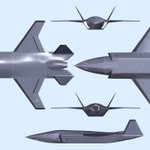
These are the kind of drones we should be building. Transonic drones with 200kms range and 1 hour of loiter. It will need more than depron and carbon fiber tubes with a jet engine. If this can be solved it can scale up to better things. Hope startup will scale up. @JSRDynamics

Target Drone Requirement: IAF Invites Industry Responses by December 4
idrw.org/iaf-target-drone-sy…

13
375
Prasenjit Das retweeted

This is such an important point. Thank you, @narendramodi ji, for bringing it up. ITI students deserve the same respect as IIT graduates.
In the AI era, a technically skilled factory workforce will have far greater employability and value. When I was younger, I interned at automobile factories in Germany and saw first-hand how they respect their skilled workers. That respect goes a long way in explaining Germany's rise as a high-quality manufacturing powerhouse. We need to remove the stigma around ITIs and restore a sense of pride in skilled work. #SkillIndia

#WATCH | I am determined to change the mindset that makes families feel ashamed of their children pursuing ITI courses. ITI students deserve the same respect as IIT graduates. Industries rely on their skills and hard work to function. I take immense pride in honouring these young achievers and recognising the dignity of skilled work: PM @narendramodi at the 5th Kaushal Deekshant Samaroh in Lucknow, Uttar Pradesh.
#KaushalDeekshantSamaroh #SkillIndia #SkillDevelopment #ViksitBharat
Prasenjit Das retweeted

मेरी एक बात लिख लीजिए…
वक्त तेजी से बदल रहा है…भविष्य ऐसा आने वाला है, जब हुनर की अहमियत सबसे महत्वपूर्ण होगी।
IT sector also creates low skill labour. Countries like UK used to recruit school girls to do calculations for engineers. That "girl computer" work got outsourced to India. Skills to build things such as welding, machining, or designing algorithms etc was never encouraged.

British created English education system to create Clerks hence its was all BA MA useless education system which created useless graduates whom we saw in 1970s and 1980s movies taking files and going around govt offices with NO VACANCY boards
And they destroyed all our merchant navy artisans trades crafts and dignity of labour
Even the command economy of Chachaji didn’t create huge industrial production to create jobs hence people either did agriculture or came to cities and became cheap labour or directly went to IT sector or professions
None of these can create jobs and income for everyone
China has huge labour sector which can manufacture anything from pin to space craft while we have only software engineers and back end workers
That is why we are not growing as fast we should be or can
First time I am seeing PM saying ITI is better than a BA or MA and a person which can make something is better than a graduate with useless degree
2
155
Prasenjit Das retweeted

A heck of a fight. Not that the Sabres understood what was happening.
One of the PAF pilots shot down, a Fg Offr PM Quereshi was picked up by Gen @rwac48 sir and taken PoW.
He later rose to command PAF as ACM.
As PAF was kept clueless during Kargil by the Pak Army, doubtless ACM PM Quereshi's experience with cluelessness helped him steer the force during that time.

#ThisDayThatYear | 22 November 1971
In the historic Battle of Boyra, four IAF Folland Gnats of No. 22 Squadron ‘Swifts’, scrambled from Dum Dum airfield, intercepted four intruding PAF F-86 Sabres that had violated Indian airspace and attacked Indian ground positions.
In a lightning dogfight lasting under three minutes, two PAF Sabres were shot down and a third was severely damaged, while all four IAF Gnats returned safely to base—drawing first aerial blood before the formal outbreak of the 1971 War.
A defining display of courage, skill, and precision, the Battle of Boyra showcased the IAF’s combat edge and set the tone for India's decisive air campaign in the East.
youtu.be/s1xQCZmDypE?si=N3sS…
#IndianAirForce #IAFHistory #BattleOfBoyra #1971War
@DefenceMinIndia @SpokespersonMoD @HQ_IDS_India @adgpi @indiannavy @CareerinIAF @air_veterans


Disassembling and overhauling Russian engines helped the Chinese build there own engines.

俄罗斯当年算得死死的,航发核心技术绝不能给中国,所以只卖整机,还笃定我们至少要买到2030年。结果从2016年过后,中国再也没签下过一笔AL-31的整台订单。
他们防住了图纸泄露、防住了技术转移,唯独没防住一件事:1300台发动机,被中国工程师拆了装、装了拆,整整磨了13年。
在俄罗斯看来,航发最核心的诀窍不在整机上,而在图纸、材料配方和工艺曲线里。
整机卖给你,能看到外形、量出尺寸,可材料配方、冷却路径、加工公差,这些都攥在自己手里。
所以他们只卖成品,附带维修保养文件,生产设计环节半点不松口。
可他们漏算了一层,中国从来不是等着投喂技术的国家,给个入口就能挖出整条技术路径,而维修保养,就是他们亲手递过来的那个入口。
当年俄方同意在中国搭建大修线时,特意在合同里划了红线:高压涡轮、燃烧室这些热端核心部件,必须运回俄罗斯原厂维修,中方只能处理风扇、机匣等外围部件。
在他们的认知里,中国人最多学会拆装外壳、更换易损件,核心的东西连碰的资格都没有。
可他们低估了中国工程师的韧劲,也低估了一套完整工业体系的爆发力。西安的大修车间里,工程师们把每一台送修的发动机拆到最小单元,两千多个零部件逐一测绘尺寸、分析材质、记录装配公差,拆完再原样装回反复验证。
没人教的工艺参数,就靠上千次对照实验慢慢摸索;查不出的合金成分,就把零件磨成粉末用光谱仪一点点比对。
就这么硬磨了几年,原本只能修外围的生产线,逐步啃下了热端部件的维修技术,甚至还把AL-31原本900小时的总寿命,硬生生延长到了1500小时,等于一台发动机发挥出一台半的作用。
更让俄方始料未及的是,中国从来没把全部希望放在逆向仿制上。航发的核心瓶颈说到底是材料,而中国在高温合金领域的布局,早在上世纪就已经埋下伏笔。
北京航材院的团队啃了几十年单晶叶片技术,从第一代到第二代DD6单晶合金,再到第三代DD9合金,全都是自主研发的成分配方,不仅耐温性能追上甚至超过了俄制原版材料,成本还比国外同级别产品低20%以上。
不是从AL-31上抄来了配方,而是我们自己的材料技术刚好走到了这一步,拆解实物只是帮我们验证了技术方向、校准了工艺细节。
还有一样东西,是俄罗斯人从来没算进成本里的,那就是实打实的工程经验。
1300台发动机,每一台都要经过拆解、排故、检测、装配的完整流程,上万次重复操作下来,工程师不用翻厚厚的手册,就知道哪一级叶片最容易出现疲劳裂纹、哪个装配间隙的偏差会引发后期振动、哪种工况下部件磨损最快。
这些藏在操作手感里的知识,不会写在官方图纸上,也不会标在工艺文件里,却是造好一台发动机最关键的底气。
俄罗斯防住了纸面上的技术转移,却防不住上千台真实运转过的发动机,在维修车间里攒出的、刻进工程师脑子里的工程能力。
正是这些点滴积累,托着国产太行发动机一步步走到了成熟可用。2005年涡扇10就完成了设计定型,可早期可靠性不足,始终没法大规模替代进口。
正是靠着维修AL-31攒下的海量实操经验,加上国产材料的持续突破,涡扇10一步步改进升级,推力、寿命、可靠性全面追上AL-31的后期型号。
到2016年,改进后的涡扇10已经能稳定装备歼-11B、歼-16等主力战机,完全可以替代进口产品,自然也就没必要再签下新的整机采购订单。
时至今日,太行系列发动机已经衍生出多个改进型号,全面装备了歼-10C、歼-16甚至歼-20隐身战机,从“能用”彻底走到了“好用”。
俄罗斯当年笃定我们要买到2030年,如今距离这个年份还有4年,可中国的主力战机早就换上了纯正的“中国心”。
这场跨越几十年的技术博弈,说到底不是谁偷了谁的技术,而是两种工业思路的碰撞:俄方守着苏联留下的技术家底吃老本,以为攥住图纸就能卡一辈子脖子;而中国靠着完整的工业体系、一代代科研人的死磕,给个支点就能撬起整个领域的突破。
58
Prasenjit Das retweeted
These depron models has turned Aero India into a aeronautical kitty party. Everyone talk but no substantial progress is made.
Prasenjit Das retweeted

Can autonomous systems bring 'combat mass' back to the Royal Navy's hybrid air wings? aerosociety.com/news/the-hyb…

Prasenjit Das retweeted

The Cosworth Vega remains one of the strangest cars General Motors ever sold, and its existence was almost entirely down to the engine. The project began with the aluminium four-cylinder block from the standard Chevrolet Vega, an engine whose reputation for durability had already become a serious problem for the company. Rather than develop an entirely new powerplant, Chevrolet turned to Cosworth Engineering in England to develop a sophisticated cylinder head for the existing architecture.
What came back was a dual-overhead-camshaft design with four valves per cylinder. That meant sixteen valves in an American production four-cylinder in 1975, at a time when most domestic manufacturers were still relying on conventional two-valve arrangements. Placing the camshafts directly above the valves eliminated the pushrods, lifters and rocker arms required by a conventional pushrod valvetrain. Removing that reciprocating mass reduced the mechanical limitations on engine speed, while the four-valve layout provided greater potential airflow through the cylinder head. The result was an engine designed to breathe and operate at higher rpm than the ordinary Vega four-cylinder could manage.
The Cosworth engine was a 2.0-liter unit, equivalent to 122 cubic inches, with an aluminium block and cylinder head, a forged crankshaft and electronic fuel injection. The injection system was particularly unusual for an American production car of the period, adding another layer of sophistication to an engine that was already far ahead of the domestic norm. On paper, it looked like a genuine piece of advanced engineering: lightweight construction, twin camshafts, sixteen valves and precise fuel delivery. But the engine had to satisfy the emissions regulations of the mid-1970s, a period when manufacturers were struggling to reconcile performance with increasingly restrictive requirements. By the time Chevrolet had brought the package into compliance, the official output was approximately 110 horsepower. For a two-liter engine in 1975, that was respectable, particularly given the emissions constraints. It simply was not the sort of figure buyers expected from a car carrying the Cosworth name and a price approaching that of a base Corvette.
That price became one of the project's biggest problems. The Cosworth Vega was essentially a highly specialised four-cylinder Vega with a premium powertrain, but Chevrolet was asking buyers to pay sports-car money for a car that still looked like a Vega and delivered only modest performance by contemporary expectations. The company had planned for substantially greater production, but demand never materialised at the expected level. Approximately 3,500 cars were sold across the 1975 and 1976 model years before the programme ended. The cutaway engines displayed in dealer showrooms and used for technical training were intended to demonstrate exactly what made the car different. They exposed the twin-cam cylinder head, the sixteen-valve arrangement and the other engineering details that were difficult to communicate through a brochure. Chevrolet was asking customers to pay for technology they could see, even if the performance figures did not make the case as convincingly as the hardware itself.
What makes the Cosworth Vega interesting today is that the engineering concept was far more successful than the commercial package built around it. Aluminium construction, twin overhead camshafts, four valves per cylinder and electronic fuel injection eventually became familiar features of high-performance engines across the industry. The Cosworth Vega had assembled those ideas in an American production car years before they became commonplace, but it arrived in a vehicle whose reputation was already damaged, at a price that placed it against much more powerful alternatives.
The engine was not the fundamental mistake. The problem was the combination of timing, market positioning and the car surrounding it. Chevrolet had built a remarkably advanced four-cylinder engine, then installed it in a Vega and priced it like a Corvette. It was the right engineering in the wrong car, at the wrong price, roughly fifteen years before the market was ready to appreciate it.

Prasenjit Das retweeted

With conflict in the Middle East squeezing crude supplies and gold imports, how can Narendra Modi protect India’s rapid rise?

Prasenjit Das retweeted

ADA Puts Unmanned AMCA Concept on Hold Amid Fighter Development Priorities
idrw.org/ada-unmanned-amca-v…

Prasenjit Das retweeted

Flying Stripped-Down F-15 “Silver Eagles” To Their Limits
F-15s in 'rocket ship' configuration get put through the wringer during flight test sorties right after they emerge from deep maintenance.
youtube.com/watch?v=C0tBhxNc…
