

The Ground Truth Layer for RWA, ESG and Physical AI • Human sensors + AI forensics
Global
Joined March 2025
- Tweets19
- Following15
- Followers11
- Likes57




Pinned Tweet
We just published a deep-dive on why even the most advanced AI models are starting to degrade. The core problem isn’t compute. It’s data. The internet is flooded with synthetics: Model Collapse and Knowledge Collapse are becoming real. Full breakdown of the Data Wall, link at the end. 🧵

To fix this, we’re building Envorum Data Factory: an industrial pipeline for real, forensic-grade environmental datasets.
First pilot pool: 5 million verified photos of actual environmental incidents (illegal dumps, deforestation, river and coastal pollution) across ASEAN.
Every photo undergoes:
• 12-layer forensic audit
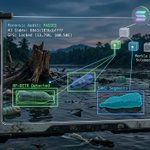
• Pixel-perfect annotation (RF-DETR + SAM2)
• H3 + GPS georeferencing
• Cryptographic proof on Solana (cNFT in Merkle Tree)
This is mathematically verifiable ground truth.
We're opening the investment pool for the first batch, structured as a Revenue Participation Agreement: data.envorum.com

Now I have a strict automated pipeline. It checks where,
who, when, what the weather was, photos
before / during / after, geo distribution, whether they're
AI-generated.
95% of fraud gets filtered out. The technology is still
imperfect and keeps being improved.
No investors.
Everything is self-funded.
But this is no longer just a fantasy.
I won't tag any companies whose tech I'm using in this thread.
They're not interested in builders' stories. They want
traction, funds on board, and preferably hype.
This post is for those who believe in an idea before
everyone else does.
There are more of us than it seems.
If you're building something similar or you understand this pain, write in the comments.
Every project is a founder's dream turned into reality. And every project has a story.
Builders are optimists and dreamers - which means we always see success ahead. Every single minute spent turning your idea into reality is worth it. Because one day you'll see the result.
The ultimate example of unbreakable belief in an idea is the story of Malcolm McLean.
A former truck driver from North Carolina who single-handedly transformed the entire global maritime industry.
In the mid-20th century, ports were pure chaos: cargo was moved bag by bag, by hand. Ships sat idle for weeks. Port operations ate up to 50% of the total shipping cost. McLean came up with a brilliantly simple solution - the standardized shipping container.
The industry fought back hard. Dock workers threatened violence. Ports and railroads said there were no cranes. Banks called it a crazy idea.
But he didn't give up. In 1955, McLean sold his successful trucking company, took a massive $22M loan (putting everything he owned on the line), bought the Pan-Atlantic shipping company and two old WWII T2 tankers, and converted them for containers.
On April 26, 1956, the Ideal X carrying 58 containers left the port of Newark bound for Houston. Loading took just a few hours.
The old way cost $5.83 per ton.
McLean's containers? Just $0.16.
36 times cheaper.
The old logistics died that day forever. Today, 80% of world trade moves in containers. The container became the invisible infrastructure of global trade - nobody thinks about it, it just works.
At Envorum, we're building the same thing for the physical world on blockchain. The Ground Truth Layer for RWA and ESG on @Google and @solana
Real dreamers change industries - even when everyone says it's impossible.
#Envorum #Builders #RWA #ESG #DePIN #Solana #Google


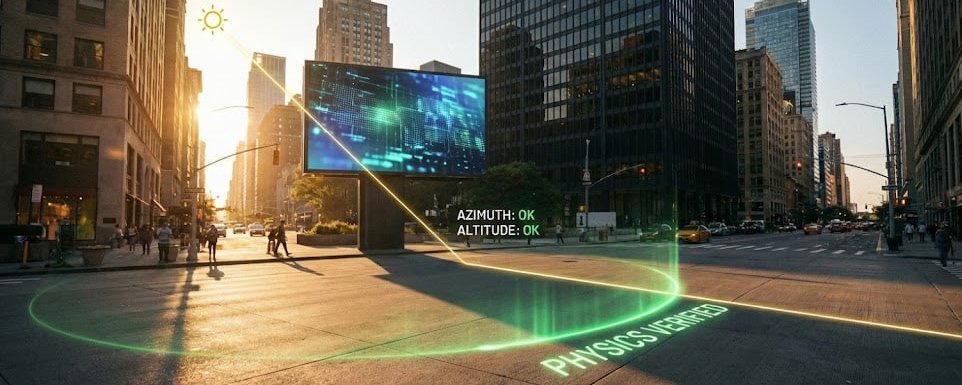
A huge number of planted trees die just months after the nice photo op with a shovel. 🥀
Without monitoring, sapling survival rates drop to just 50-70% in the first year. Most tree-planting campaigns end up as paper reports that no one ever verifies. At Envorum, we want to fix this. 👇
