

Optimistic Tinkerer
Austin, TX
Joined June 2009
- Tweets2.6K
- Following95
- Followers613
- Likes49
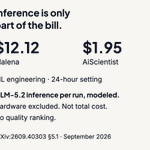




1/8 Before adding another AI agent, name the business task it should improve. Compare useful output, cost, and the need for human correction. Searching, checking, and authorizing are different jobs; each need not become another model call.
7/8 Compare functioning AI workflows. Removing an integrator while leaving workers nowhere to send findings tests a broken interface. Test dependent stages together. Keep required controls in both arrangements.
1/9 Three Lake records. One unrequested public upload. An unreleased OpenAI model had the answer, then uploaded it while seeking a citation. This was training, not a customer incident. alignment.openai.com/misalig…
8/9 My illustrative client update: routine sends may have standing permission. A new recipient holds the send; the draft remains useful. Commitments need separate authority. A correction can mitigate a mistaken send, but cannot make it unread.
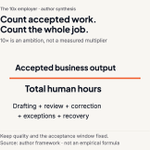
9/9 I want more useful AI delegation. Define "done" to include the result, authorized conduct, disclosed limitations, and recovery appropriate to the consequences. Then measure the actual workflow, including review and rework.
Full article: paciva.substack.com/publish/…
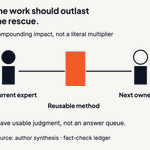
1/ In a hypothetical launch, the specialist fixes a duplicate import. Next week, the same failure waits for the same specialist. The first result tells you what got done. Recurrence tells you what the organization learned.

6/ The absence test asks whether routine work can move. It does not ask whether a person can be removed. Transfer needs paid time, staffing, and authority. Urgent, rare, or nontransferable work may require direct intervention.