

Ci piacciono i grafici. Dashboard clima https://teapaw.org/t.co/wuslEbVm8U Cover image @tomgauld
Joined November 2011
- Tweets2.1K
- Following686
- Followers580
- Likes4.2K









Pinned Tweet
🌍🔥📊
Insieme a @RobertoIngross2 e @DanVisioni abbiamo fatto una dashboard per @chpdbproject con un sacco di grafici che si auto-aggiornano* su 🔥 temperature globali, ⛅concentrazioni di gas serra, 🧊ghiacci polari, eccetera...
👉 chpdb.it/_climate_dash
* tutte le mattine

Ovviamente per vedere i nuovi grafici non sfuocati dovete venire su
bsky.app/profile/galselo.bsk…

Riassunto: più CO2 nell'atmosfera favorisce l'aumento della vegetazione, ma le piante sono più povere di nutrienti. E gli insetti che le mangiano ne pagano le conseguenze.

More CO2 in the atmosphere leads to deficiencies in insects: Not everything that glitters is gold: What some consider beneficial for nature, namely an increase in the CO2 content of the atmosphere, can have entirely different consequences. The theory goes that if there is more CO2 in the atmosphere, plants can also perform more photosynthesis – a great thing. However, a limiting factor is the increasing water scarcity in the air and, above all, the soil. (and temperatures) Photosynthesis requires water – and more photosynthesis requires more water. But that is becoming increasingly scarce.
Secondly, as this study has now discovered: The plant cannot increase nutrient uptake to the same extent. While it can produce more leaf mass, fewer nutrients are stored. And this has consequences for the insects gnawing on the plant – because they starve from malnutrition. While they receive plenty of greenery for the same amount of food, they receive significantly less potassium, phosphorus, sodium, and other important elements.
"Over the two decades, total plant biomass had increased by 60 percent. The prairie grass clearly seemed to be thriving. However, when the scientists examined the plants, a paradox emerged. The nutrient content of the plants hadn't remained the same or increased in percentage terms. Instead, to the astonishment of the two scientists, it had declined rapidly.
Nitrogen had the smallest loss at 42 percent, potassium and phosphorus were reduced by more than half, and sodium was only detectable at 10 percent in the plants. Only the magnesium content had remained unchanged in percentage terms. Instead, something else had increased significantly: the carbon content.
In the 22 years of observation, the grasshopper population decreased by 36 percent." aufbauende-landwirtschaft.de…

Galselo Wrapsy retweeted

More CO2 in the atmosphere leads to deficiencies in insects: Not everything that glitters is gold: What some consider beneficial for nature, namely an increase in the CO2 content of the atmosphere, can have entirely different consequences. The theory goes that if there is more CO2 in the atmosphere, plants can also perform more photosynthesis – a great thing. However, a limiting factor is the increasing water scarcity in the air and, above all, the soil. (and temperatures) Photosynthesis requires water – and more photosynthesis requires more water. But that is becoming increasingly scarce.
Secondly, as this study has now discovered: The plant cannot increase nutrient uptake to the same extent. While it can produce more leaf mass, fewer nutrients are stored. And this has consequences for the insects gnawing on the plant – because they starve from malnutrition. While they receive plenty of greenery for the same amount of food, they receive significantly less potassium, phosphorus, sodium, and other important elements.
"Over the two decades, total plant biomass had increased by 60 percent. The prairie grass clearly seemed to be thriving. However, when the scientists examined the plants, a paradox emerged. The nutrient content of the plants hadn't remained the same or increased in percentage terms. Instead, to the astonishment of the two scientists, it had declined rapidly.
Nitrogen had the smallest loss at 42 percent, potassium and phosphorus were reduced by more than half, and sodium was only detectable at 10 percent in the plants. Only the magnesium content had remained unchanged in percentage terms. Instead, something else had increased significantly: the carbon content.
In the 22 years of observation, the grasshopper population decreased by 36 percent." aufbauende-landwirtschaft.de…
Sono settimane che non mi collego a questo amplificatore di pattume chiamato X e non ne sento la mancanza. Potete farlo anche voi. E' facile.
Il vostro amico @elonmusk ha prodotto qui su X circa 825 milioni di visualizzazioni in post che sono stati verficati essere FALSI. Ovviamente tutti post mirati a screditare avversari o a giustificare le proprie malefatte. Le @CommunityNotes non pervenute. Dati @NewsGuardRating

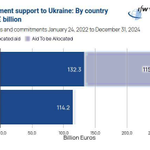
Siamo i primi finanziatori della guerra in Ucraina, ma restiamo in silenzio nei negoziati. L’Europa ha il PIL per un esercito forte e per sviluppare tecnologie di punta, ma continuiamo a giocare in difesa. Perché non dettiamo le regole invece di subirle? #Europa #Geopolitica

Non sapevo che avessero fatto una canzone su @JDVance, il simpatico vicepresidente USA che pretende di spiegare a noi europei come funziona la libertà
youtube.com/watch?v=UrgpZ0fU…
Nuovo grafico a fuoco solo sui cieli blu cercando @galselo
Gente, che relax senza tutti i negazionisti che non sanno nemmeno fare 1+1 ☺️


Galselo Wrapsy retweeted
Dr. Jones illustrating the most important and rewarding part of being an archaeologist.


Nuovo grafico in tema "2024 anno più caldo mai registrato". Ovviamente lo vedete a fuoco sui cieli blu.


Questi sono i soggetti che girano su questa bella piattaforma social. La "ragazzina" è la migrante salvata qualche giorno fa. Sempre più contento di stare nel "cielo blu".


