

Assistant prof. @BenGurionU, dad^3, train+bike, tired/aspiring barista. Studying how information systems can better serve us using ML, NLP, Stats, CSS, HCI.
Tel-Aviv, Israel
Joined January 2010
- Tweets495
- Following392
- Followers673
- Likes729



Nir Grinberg retweeted

השופט סולברג לא נענה לבקשה שלנו לדרוש מהסוקרים ומערוץ 14 בפרט לתאר בצורה קבילה (בהתאם לשיטות הסטטיסטיות המקובלות) את מאפייני הסקרים שלהם, וקיבל רק את הדרישה לפרסם את נוסח השאלות. נדמה שהוא חשב שלא ניתן לדון לעומק בנושא בזמן הקצר לפני הבחירות. בעתירה, תיארנו מגוון כשלים שיש לדעתנו בסקרים של ערוץ 14 או באופן שבהן הם מדווחים, וביקשנו שקיפות. השופט פסק שבהינתן חובת הדיווח, אנחנו, או כל מומחה אחר, יכולים לנסות להבהיר לציבור (באמצעים העומדים לרשותנו), כי "סקרים שערך מכון פלוני מעידים על כשלים במלאכתו". אני סבור שדיווח לקוני מקשה על היכולת של הציבור להבין האם תמונת המציאות שערוצי התקשורת מתארים לו מהימנה או לא. ובכל זאת, יש כמה דברים ברורים שעולים מהדיווחים הקיימים.
הדבר הברור ביותר לדעתי הוא האופן בו ערוץ 14 ממשקלים את הסקרים. בתשובה לעתירה, המשיבים טענו שהם עושים שימוש באלגוריתם מישקול של התוצאות שהם מקבלים שהוא הקניין הרוחני שלהם. אנחנו רצינו לטעון (השופט לא נתן לנו אפשרות לענות לתשובתם), שככל שמדובר בשיטה סטטיסטית מוכרת, היא לא מהווה סוד מסחרי, וככל שמדובר בשיטה סטטיסטית לא מוכרת, החוק הקיים דורש לציין באופן מפורש ש"הממצאים אינם תוצאה של סקר שנעשה בשיטות סטטיסטיות מוכרות".
מהדו"חות של Next Data לועדת הבחירות, עולה כי הם ממשקלים את המדגם כך שייצג את האוכלוסייה בהתאם לדפוס ההצבעה בבחירות 2022 (שיטה מקובלת). עם זאת, הם מדווחים בכמה מהסקרים על פקטור משקול בו הקואליציה זכתה ל-54% מהקולות. בפועל, זכתה ל-50.3% מהקולות (כולל שקד). טעות שכזו במשקול האוכלוסייה תעניק יתרון משמעותי לקואליציה ולנתניהו.
יש לנו חשדות לגבי טעויות סטטיסטיות עמוקות נוספות (למשל, לגבי שיטת הדגימה בה נעשה שימוש והיכולת שלה ללכוד מעבר בין הגושים בין מערכות בחירות) שישפיעו בצורה עצומה על התוצאות. אך לאור הדיווח הלקוני, אין לנו דרך לאשש (או להפריך) את החששות הנוספים. חבל.
תשובת ערוץ 14 לעתירה כללה מכתב תמיכה שכתב רוזנר, הסוקר של ערוץ 13, בו הוא קורא עתירה שלנו "חוצפה". עיקר הטיעון שלו היה "מי שלא מאמין לתוצאות של סוקר מסויים, שיסתכל על תוצאות של סוקר אחר. ממש כמו החלטה אם לצפות בארץ נהדרת או הישרדות. החדשות לא אמורות להיות תכנית כבקשתך, הן אמורות לנסות ולתת לאזרחים תמונה אמיתית של המציאות. לא לעצב אותה, לא לשעשע.


עמותת אקדמיה למען הדמוקרטיה הגישה עתירה נגד הסקרים של פילבר. אני ופרופ' ליאור שפר הגשנו חוות דעת מקצועית שמאירה ליקויים רבים באופן הדיווח, שמייצרים לדעתנו חשש כבד לגבי המידה שהסקרים הללו עומדים בהגדרה של "סקר שנעשה בשיטות סטטיסטיות מקובלות" שהחוק דורש.
maariv.co.il/news/politics/a…

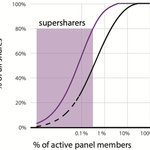
🚨New paper🚨out in @SocMedSoc w/ John Wagner and @jennifer_oser 🎉
We all know who's a political influencer on social media, right? Well... we may THINK we do, but what we're actually measuring is very different. How different? 🧵👇

The overarching story here is that to build knowledge about social media influencers, we need clearer, multidimensional frameworks (rather than a single metric), and we need to be more transparent about what we actually measure.
Read the full open-access article here: doi.org/10.1177/205630512614…. We are grateful for comments received from participants of the Digital Democracy Workshop at UZH, MPSA, and ICA conferences, and ERC funding.

Nir Grinberg retweeted

New paper!
Synthetic Persona Pretraining (SPP): Alignment from Token Zero
Rather than aligning models after pretraining, we do so from the very start.
SPP models are more faithful to our constitution, less misaligned, & more robust to jailbreaks. Advantage grows with scale! 🧵

At #ACL2026 in San Diego? 🌴 Come see our poster on JudgeMeNot, on how to personalize LLMs to emulate judicial reasoning.
📍 Grand Hall, Poster Session F
🕘 Tomorrow (Tue, July 7), 09:00 - 10:30 AM

🚨 Excited to share our new paper to appear in the Findings of ACL 2026!
JudgeMeNot asks: Can LLMs learn the specific reasoning signature of an individual judge? We tackle this in low-resource settings of Hebrew case law.
🔗Paper: arxiv.org/abs/2604.18041
🧵on nicer platforms👇

ALT The illustrative diagram shows our approach for training personalized LLMs to emulate Judge A (textualist) vs. Judge B (purposivist) and how those trained models might respond to a legal query.
Nir Grinberg retweeted

1/ Our new book with Zhen Guo, Nir Grinberg and David Lazer is out in @CambridgeUP Elements: Who Follows Whom? The Role of Geography and Similarity in Online Attention Networks
cambridge.org/core/elements/…

🚨 Excited to share our new paper to appear in the Findings of ACL 2026!
JudgeMeNot asks: Can LLMs learn the specific reasoning signature of an individual judge? We tackle this in low-resource settings of Hebrew case law.
🔗Paper: arxiv.org/abs/2604.18041
🧵on nicer platforms👇
ALT The illustrative diagram shows our approach for training personalized LLMs to emulate Judge A (textualist) vs. Judge B (purposivist) and how those trained models might respond to a legal query.
LinkedIn:
linkedin.com/posts/nir-grinb…

🎉 Super proud of this work out of our lab at @BenGurionUni ! Huge thanks to my co-authors Itay Razumenko and Arnon Sturm.
Nir Grinberg retweeted

Can social media detect economic shocks before official data does?
A new PNAS Nexus study led by @grinbergnir and @spfraib shows that AI models tracking job-loss disclosures on social media can predict U.S. unemployment insurance claims up to two weeks early, often

Nir Grinberg retweeted

New paper out in @PNASNexus
We show how skewed social media data can still be used to reliably estimate unemployment, not just nationally but down to the city level. 📈
doi.org/10.1093/pnasnexus/pg…
1/N

Nir Grinberg retweeted

ICYMI, our DomainDemo dataset, which describes how different demographic groups share domains on Twitter, is now available to download!
📄 Data descriptor: doi.org/10.1038/s41597-025-0…
📈 Interactive app to explore the data: domaindemo.info
💽 Dataset: doi.org/10.5281/zenodo.15151…

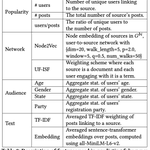
A belated 🧵 about our latest #KDD2024 paper. We developed a novel machine-learning approach for identifying fake news *sources* by leveraging network info and active learning 👇 doi.org/10.1145/3637528.3671…

This work wouldn't have been possible without the amazing work of Maor Reuben, @Ldfriedl & @PPuzis. Some of the intuition for looking at this problem came from past work done w/ @_kenny_joseph and @davidlazer.
Also check out the @BenGurionU news story about the study, which reminded me to write this 🧵🤦bgu.ac.il/en/news-and-articl…
