
کی محمد ﷺ سے وفا تو نے تو ہم تیرے ہیں، یہ جہاں چیز ہے کیا لوح و قلم تیرے ہیں
Joined December 2023
- Tweets14K
- Following1.1K
- Followers652
- Likes6.8K

Raja Akhtar Jawed راجہ اخترجاوید retweeted
The EPITOME of DIGNITY
The MOST VENERABLE &
BEAUTEOUS Miss
@MaddyTweetx 🌹❤️🙏
"There are more fake guides, teachers in the world than stars. The real guide is the one who makes you see your inner beauty, not the one who wants to be admired and followed."
— Shams Tabrez
In a world overflowing with loud voices demanding our allegiance, these timeless words by Shams Tabrez serve as a vital compass for the soul.
False guides thrive on the admiration of crowds, feeding their own egos by weaponizing outrage and demanding blind obedience.
A true guide, however, acts as a quiet mirror, awakening the pure, innocent heart to its own inherent dignity, clarity, and inner light.
When pure-hearted, simple-minded people fall prey to demagogues who preach obsessive hatred—such as blind, venomous hostility directed at the state and people of Israel—they risk losing their own humanity.
As Friedrich Nietzsche famously warned, "When you gaze long into an abyss, the abyss also gazes into you."
When innocent minds allow false teachers to fill them with relentless malice, the hatred meant for others slowly consumes their own inner peace, turning their pure hearts into reflections of the very darkness they claim to fight.
To protect the soul from such traps, we must also heed Søren Kierkegaard’s profound warning about the two ways a person can be fooled: "One is to believe what isn't true; the other is to refuse to believe what is true."
False teachers exploit both weaknesses. They feed the naive mind comforting fabrications while blinding it to the simple truths of shared humanity, compassion, and coexistence.
Ultimately, protecting an innocent mind from the web of hatred requires returning to the wisdom of Shams Tabrez. Never surrender your conscience to those who demand you hate in order to belong. Seek only the guidance that illuminates your own inner beauty—for a heart anchored in its own light can never be conquered by another’s darkness.


Raja Akhtar Jawed راجہ اخترجاوید retweeted
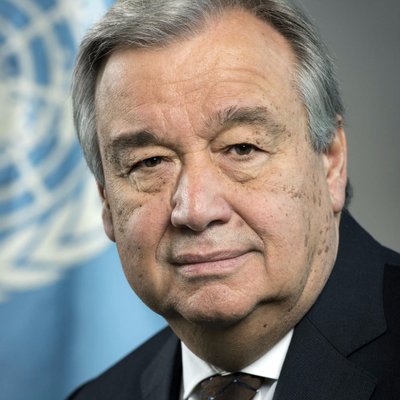
Violence against women & girls is universal shame that impacts every country & community.
Women & girls deserve freedom from fear, in a world that lets them reach their full potential.
Let’s stop the violence, end the impunity & deliver justice, safety & dignity for all.
Raja Akhtar Jawed راجہ اخترجاوید retweeted
The Epitome of Dignity
The Most Venerable &
Beauteous Miss
@MaddyViews ❤️🌹🙏
Your message is deeply moving, and there is no doubt that standing with the oppressed is a fundamental duty of our shared humanity. At the same time, true solidarity also calls for sincere, respectful reflection on the deeper spiritual foundations of our struggle.
For the Muslim community in Palestine—and across the world—it is worth asking a profound question:
in following modern, secular frameworks, have we unintentionally shifted our focus from pure Tawheed (La ilaha illallah) toward the worship of nationalism, land, culture, and ethnicity?
As Allama Iqbal famously warned, the greatest idol of the modern age is Watan (nationalism).
When the Muslims of the subcontinent sought a separate homeland, it was not for the sake of territory, race, or language, but solely in the name of Tawheed—a truth reflected in the very name we chose:
Pakistan (the Land of the Pure).
In Islamic thought, placing attachment to a piece of land above divine principles is a grave spiritual misstep, and turning away from the core of faith inevitably carries natural and spiritual consequences.
For a believer to abandon the universal brotherhood of Tawheed for the narrow idol of nationalism is, as Iqbal's philosophy reminds us, a descent from our highest human calling.
True liberation and lasting dignity come when our humanity is anchored in Tawheed—uniting us not merely by soil and blood, but by a higher, timeless truth.
Raja Akhtar Jawed راجہ اخترجاوید retweeted
The Epitome of Dignity
The Most Venerable &
Beauteous Miss
@MaddyViews ❤️🌹🙏
"Unlimited tolerance must lead to the disappearance of tolerance.
If we extend unlimited tolerance even to those who are intolerant, if we are not prepared to defend a tolerant society against the onslaught of the intolerant, then the tolerant will be destroyed, and tolerance with them."
— Karl Popper, The Open Society and Its Enemies (1945)
The Paradox of Tolerance:
A Gentle Boundary of Light
Tolerance is the quiet warmth that allows different voices, dreams, and beliefs to live side by side in peace. It is an open door, welcoming humanity in all its colors.
Yet, Karl Popper reminds us that even the noblest virtue needs a gentle boundary to survive.
True tolerance is a shared promise—a mutual agreement to let others breathe freely.
When hatred or tyranny knocks at that open door, demanding the right to silence everyone else, unconditional kindness becomes surrender.
To protect the garden of peace, we cannot invite the fire that seeks to burn it down.
In the end, drawing a line against intolerance is not an act of cruelty; it is an act of love for freedom itself.
A truly compassionate society must have the quiet courage to say no to hatred, so that kindness may live on for generations to come.
Raja Akhtar Jawed راجہ اخترجاوید retweeted
The Epitome of Dignity
The Most Venerable &
Beauteous Miss
@MaddyTweetx ❤️
The Divine Unity of Humanity:
Islam’s Rejection of Racism and Caste
At the very heart of Islam lies the profound truth of Tawheed—the Oneness of the Creator—which naturally blossoms into the unity of all humanity.
We are all the creation of one Almighty Lord, descending from the same origin.
As the Holy Qur'an beautifully reminds us, God divided humanity into diverse nations and tribes solely so that we might recognize and know one another, never so that we might claim superiority based on blood, race, or lineage.
In the sight of our Creator, true honor belongs only to righteousness and noble character.
Therefore, a true believer cannot walk the path of Islam while harboring the poisonous ideologies of caste discrimination, racial supremacy, or Nazi-style prejudice.
To embrace such anti-human beliefs is to betray the very essence of the Quran and the Sunnah, severing one's spiritual connection to the faith.
This is precisely why Islam cautions believers against aligning with ideologies and practices rooted in disbelief and oppression—not out of hatred for people, but to protect the purity of a believer's heart.
It is a divine safeguard so that a Muslim does not abandon the universal, liberating message of human brotherhood and fall into the darkness of racial arrogance and injustice.
True faith demands that we stand firmly against all forms of oppression while upholding the sacred dignity of every human soul.
Raja Akhtar Jawed راجہ اخترجاوید retweeted

After the Second World War, in 1945, three men sat together in the small Crimean city of Yalta: Winston Churchill, Franklin D. Roosevelt, and Joseph Stalin.
They decided how the post-war world would be shaped and divided. Germany was split into two, Eastern Europe fell under the influence of one superpower, and the rest of the world was left with little choice but to accept the decisions made by these three leaders.
Today, a similar picture has emerged.
In Shenzhen, Trump, Putin, and Xi Jinping were seen together.
The pose was almost identical, and even the seating arrangement looked similar. People immediately began calling it "Yalta 2.0."
The difference is that in 1945, all three powers had emerged victorious from a world war. Today, these three powers come from different positions.
The United States remains the world's leading military power, China has surged ahead in economic and technological competition, while the world cannot overlook Russia's nuclear and energy influence.
The appearance of these three leaders together at the same table signals that major global decisions may no longer be shaped by one side alone.
Europe is particularly concerned by this emerging picture.
Following the war in Ukraine, efforts were made to isolate Russia internationally.
Yet Putin has returned to the APEC diplomatic spotlight. Ukrainian President Volodymyr Zelenskyy himself has warned that he does not want this to become Yalta 2, 3, or 4.
The reason is simple: when major powers sit together to make decisions, those who are not at the table often have little say in the outcome.
For Pakistan, this development could offer strategic advantages. China is Pakistan's most important strategic partner. CPEC, defence cooperation, energy, and infrastructure are all closely linked to this partnership.
When Xi Jinping brings the leaders of the United States and Russia to the same table, it reinforces China's position on the global stage.
The stronger and more strategically independent China becomes, the better positioned Pakistan could be.
Similarly, if tensions between the United States and China ease and open confrontation is avoided, pressure on CPEC could also decrease.

Raja Akhtar Jawed راجہ اخترجاوید retweeted

ساگ اصل میں گھاس ہی تھا...😅
برصغیر کے لوگوں نے جب یہ گھاس پکا کر چکھی تو بہت اچھی لگی...
لیکن کوئی پوچھتا کہ کیا کھایا ہے؟ تو بتاتے ہوئے شرم آتی کہ ہم نے گھاس کھائی ہے..
چنانچہ ایک دن ایک دانا بابا جی نے کچھ دیر غوروفکر کے بعد لفظ گھاس کو الٹ دیا...
اب اس کا نام ساگھ پڑ گیا...
پھر زمانے کے گزرنے کے ساتھ نام میں تخفیف ہوئی تو ساگھ سے ساگ ہو گیا...
اب پنجاب کے دیہی علاقوں میں یہ ایک معزز سبزی کے طور پر کھایا جاتا ہے... جبکہ اسکی اصل وہی ہے جو پہلی سطر میں مذکور ہے.😁😆
جو بھی ساگ کو بہت پسند کرتا تھا،کھا کر طاقتور بن جاتا تھا اکثر مائیں یہی کہہ کہہ کر کھانے پر مجبور کرتی رہیں۔🤭😅


Raja Akhtar Jawed راجہ اخترجاوید retweeted
The Epitome of Dignity
The Most Venerable &
Beauteous Miss
@MaddyTweetx ❤️🙏
The Mirror of Progress:
Free Media and the Architecture of Democracy
A free and independent press is the quiet heartbeat of every thriving democracy. Across the world’s most open societies—from the nations of the West to Israel—media stands not as an instrument of power, but as a steadfast guardian of the public trust.
In these societies, journalism fulfills its highest calling: holding elected leaders accountable for their missteps, challenging complacency, and reminding those in authority of the promises they made to the people.
In the non-democratic world, however, the lens is turned in only one direction. State-controlled outlets eagerly scrutinize and critique the democratically elected leaders of the West, yet remain silent before the thrones of their own "infallible" rulers.
Where power cannot be questioned, truth is inevitably the first casualty.
History offers a profound lesson in this contrast.
The remarkable progress and prosperity of the democratic world did not happen by chance; it was forged in the light of open debate and relentless accountability.
Nations that suppress free expression often remain trapped in stagnation, while those that embrace a free press build the very foundation of human progress.
Raja Akhtar Jawed راجہ اخترجاوید retweeted
The Epitome of Dignity
The Most Venerable &
Beauteous Miss
@MaddyTweetx ❤️🙏
Homeland, History, and the Shadow of Hatred
Throughout history, the longing for a place to call home has been one of humanity’s deepest and most universal desires.
When we look at the emergence of Zionism in the late nineteenth century, we see a movement born out of survival—a response to centuries of persecution, pogroms, and the rising tide of European antisemitism.
Like the partition of British India in 1947, which gave birth to Pakistan so a minority could live free from fear, the creation of Israel was part of a broader twentieth-century wave of nations seeking self-determination and safety within their own borders.
At its core, this yearning for sovereignty is a shared human instinct.
Just as the Jewish people sought refuge and statehood in their ancestral land, the Palestinian people’s desire for an independent state reflects that same fundamental quest for dignity, belonging, and a secure homeland.
Recognizing this shared human aspiration is essential to understanding why this conflict remains so deeply felt, and why its resolution remains one of the great unfinished chapters of modern history.
Yet, in the modern world, the pursuit of justice and the debate over history are too often hijacked by those who thrive on division.
Across the globe, racists, neo-Nazis, and purveyors of hatred exploit complex geopolitical pain to spread their own venom.
Driven by bigotry and supremacist ideologies, these forces do not seek peace or justice for any people; rather, they weaponize history to fuel antisemitism, Islamophobia, and xenophobia, attempting to turn human suffering into a tool for their own dark agendas.
True moral clarity requires us to reject the poison of these hate-mongers while holding space for human empathy.
A lasting future cannot be built on the exclusionary hatred of racists and neo-Nazis, nor on the denial of any people's right to live in peace.
Only when we separate genuine human aspirations from the noise of bigotry can we hope for a world where every nation finds security, dignity, and a true home.
Raja Akhtar Jawed راجہ اخترجاوید retweeted
’’آپ نے حکومت کی تو عدل و انصاف کے ساتھ کی، پھر امن و اطمینان سے رہے، اسی لیے آج بے خوف ہو کر سو رہے ہیں۔‘‘
ایک مرتبہ حضرت عمر رضی اللہ عنہ صدقے کے اونٹوں کو خود اپنے ہاتھوں سے تیل مل رہے تھے۔
ایک شخص نے آکر عرض کیا:
’’امیرالمؤمنین! آپ یہ کام مجھے سونپ دیجیے، میں آپ کی طرف سے اونٹوں کو تیل لگا دیتا ہوں۔‘‘
حضرت عمر رضی اللہ عنہ نے فرمایا:
’’کیا قیامت کے دن تم میرے گناہوں کا بوجھ بھی اٹھاؤ گے؟‘‘
ایک رات حضرت عمر رضی اللہ عنہ مدینہ کی گلیوں میں گشت کر رہے تھے۔ اسی دوران آپ نے ایک دودھ بیچنے والی عورت کو اپنی بیٹی سے کہتے سنا:
’’دودھ میں پانی ملا دو تاکہ مقدار زیادہ ہو جائے، عمر کو تو اس بات کا پتا نہیں چلے گا۔‘‘
بیٹی نے جواب دیا:
’’لیکن امی! اللہ تعالیٰ تو دیکھ رہا ہے۔‘‘
حضرت عمر رضی اللہ عنہ نے اس گھر کو یاد کر لیا اور بعد میں اپنے بیٹے حضرت عاصم کے لیے اس نیک لڑکی کا رشتہ طلب کیا۔
اسی لڑکی کی نسل میں بعد ازاں وہ عظیم، زاہد، عادل اور مجدد خلیفہ پیدا ہوئے جنہیں حضرت عمر بن عبدالعزیز رحمہ اللہ کے نام سے یاد کیا جاتا ہے۔
امیرالمؤمنین حضرت عمر رضی اللہ عنہ کے دورِ خلافت میں جب مدینہ منورہ میں قحط پڑا تو آپ خیموں کے درمیان گھومتے، کھانے کی بڑی دیگ اپنے سر پر اٹھاتے اور خود غریبوں میں کھانا تقسیم کرتے تھے۔
قحط کے سال آپ نے دیہات سے آنے والے بدوؤں اور غریبوں کو مدینہ کے نواح میں آباد ہونے کی دعوت دی۔ ان کے لیے خیمے نصب کروائے اور فرمایا:
’’یا تو ہم سب مل کر زندہ رہیں گے یا سب مل کر مریں گے۔‘‘
ایک شخص نے حضرت عمر رضی اللہ عنہ سے عرض کیا:
’’امیرالمؤمنین! آپ اپنے بعد خلافت کے لیے اپنے بیٹے عبداللہ کو نامزد کیوں نہیں کر دیتے؟ وہ اس منصب کے اہل ہیں۔‘‘
حضرت عمر رضی اللہ عنہ نے فرمایا:
’’تم جھوٹ کہتے ہو، اللہ تمہیں ہلاک کرے! میں اللہ کو گواہ بنا کر کہتا ہوں کہ تمہاری اس تجویز سے سخت بیزار ہوں۔ میں خلافت کی ذمہ داری اپنے بیٹے کے سپرد کیسے کر سکتا ہوں، جبکہ مسلمانوں میں اس سے بہتر لوگ موجود ہیں؟‘‘
جب حضرت عمر رضی اللہ عنہ پر اس بدبخت مجوسی کے خنجر سے قاتلانہ حملہ ہوا اور آپ شہادت کے قریب تھے تو اپنے بیٹے حضرت عبداللہ بن عمر رضی اللہ عنہما سے فرمایا:
’’بیٹا! میرا رخسار زمین پر رکھ دو، شاید اللہ تعالیٰ مجھ پر رحم فرما دے۔‘‘
آپ نے اپنے بیٹے سے فرمایا:
’’دیکھو، مجھ پر کتنا قرض ہے۔‘‘
حساب کیا گیا تو معلوم ہوا کہ آپ پر چھیاسی ہزار درہم قرض ہے۔
آپ نے وصیت فرمائی:
’’اگر عمر کے خاندان کے مال سے یہ قرض ادا ہو سکتا ہو تو اسی سے ادا کر دینا۔‘‘
لیکن جب حساب کیا گیا تو معلوم ہوا کہ خاندان کے پاس اتنا مال بھی نہیں کہ آپ کا قرض ادا کیا جا سکے۔
ذرا تصور کیجیے! اپنے زمانے کی دنیا کی سب سے بڑی سلطنت پر حکومت کرنے والا شخص دنیا سے رخصت ہو رہا ہے، مگر اس کے ذاتی اثاثے اتنے بھی نہیں کہ اس کا قرض ادا ہو سکے!
اللہ کی قسم! اے عمر! آپ کی عدالت اور انصاف پر قربان جاؤں!
وہ لوگ تھے جن کی زندگی کا واحد مقصد اسلام کا پرچم بلند کرنا، کلمۂ توحید کو سربلند کرنا اور اللہ کے بندوں کے ساتھ عدل و انصاف کرنا تھا، نہ کہ دنیا کی لذتوں، عہدوں اور آسائشوں کے پیچھے بھاگنا۔
ایسے ہی لوگوں کے کردار سے امتیں عروج پاتی ہیں، ایسے ہی حکمرانوں کے عدل سے معاشرے سنورتے ہیں، اور ایسے ہی انسانیت نواز کرداروں کی بدولت قومیں دنیا پر حکمرانی کرتی ہیں۔
کیونکہ قومیں محض طاقت سے عظیم نہیں بنتیں، بلکہ عدل، امانت، دیانت اور انسانیت سے عظمت حاصل کرتی ہیں۔
Raja Akhtar Jawed راجہ اخترجاوید retweeted
حضرت عمر بن خطاب رضی اللہ عنہ ایک مرتبہ لوگوں سے خطاب کرنے کے لیے کھڑے ہوئے۔ آپ نے ایک لمبا لباس پہن رکھا تھا۔ فرمایا:
’’اے لوگو! میری بات غور سے سنو اور اسے سمجھو۔‘‘
حضرت سلمان فارسی رضی اللہ عنہ نے کہا: ’’اللہ کی قسم! ہم نہ آپ کی بات سنیں گے اور نہ ہی اسے سمجھیں گے۔‘‘
حضرت عمر رضی اللہ عنہ نے پوچھا: ’’اے سلمان! ایسا کیوں؟‘‘
انہوں نے جواب دیا: ’’آپ نے دو کپڑے پہن رکھے ہیں، جبکہ ہمیں صرف ایک ایک کپڑا ملا ہے!‘‘
حضرت عمر رضی اللہ عنہ نے اپنے بیٹے حضرت عبداللہ بن عمر رضی اللہ عنہما سے فرمایا: ’’عبداللہ! اٹھو اور سلمان کو جواب دو۔‘‘
حضرت عبداللہ نے کہا: ’’میرے والد کا قد لمبا ہے، اس لیے انہوں نے مسلمانوں میں تقسیم ہونے والے اپنے حصے کا کپڑا لیا اور اسے اپنے کپڑے کے ساتھ ملا لیا تھا، اسی وجہ سے ان کا لباس لمبا ہے۔‘‘
یہ سن کر حضرت سلمان فارسی رضی اللہ عنہ نے فرمایا: ’’اب کہیے، اے امیرالمؤمنین! ہم آپ کی بات سنیں گے اور آپ کے حکم کی اطاعت کریں گے۔‘‘
حضرت عمر رضی اللہ عنہ فرمایا کرتے تھے:
’’اللہ کی قسم! اگر دریائے دجلہ کے کنارے کوئی خچر بھی ٹھوکر کھا کر گر پڑا تو مجھے اندیشہ ہے کہ اللہ تعالیٰ قیامت کے دن مجھ سے پوچھے گا: اے عمر! تم نے اس کے لیے راستہ ہموار کیوں نہ کیا تھا؟‘‘
ایک مرتبہ حضرت عمر رضی اللہ عنہ نے اپنے بچوں کے پاس مٹھائی دیکھی تو اپنی اہلیہ سے پوچھا:
’’یہ مٹھائی خریدنے کے لیے پیسے کہاں سے آئے؟‘‘
انہوں نے جواب دیا: ’’میں بیت المال سے ملنے والے آٹے میں سے کچھ بچا لیا کرتی تھی، اسی سے یہ مٹھائی خریدی ہے۔‘‘
حضرت عمر رضی اللہ عنہ نے فرمایا:
’’تم آٹا بچاتی رہیں اور مسلمانوں میں ایسے لوگ بھی موجود ہیں جنہیں آٹا تک میسر نہیں؟‘‘
پھر آپ نے بچوں کے ہاتھوں سے مٹھائی لے لی اور فرمایا:
’’اسے بیت المال میں واپس کر دو۔‘‘
آپ کی اہلیہ حضرت عاتکہ بیان کرتی ہیں:
حضرت عمر رضی اللہ عنہ جب رات کو اپنے بستر پر سونے کے لیے آتے تو نیند ان کی آنکھوں سے اڑ جاتی اور وہ اٹھ کر بیٹھ جاتے اور رونے لگتے۔
میں پوچھتی: ’’امیرالمؤمنین! آپ کو کیا ہوا؟‘‘
وہ جواب دیتے:
’’محمد ﷺ کی امت کی ذمہ داری میرے سپرد کی گئی ہے۔ اس امت میں مسکین بھی ہیں، کمزور بھی، یتیم بھی اور مظلوم بھی۔ مجھے خوف ہے کہ قیامت کے دن اللہ تعالیٰ ان سب کے بارے میں مجھ سے سوال کرے گا۔‘‘
قحط کے سال، جسے عام الرمادہ کہا جاتا ہے، حضرت عمر رضی اللہ عنہ کا بھوک کی شدت سے منبر پر پیٹ آواز کرنے لگا۔ آپ نے اپنے پیٹ کی طرف اشارہ کرکے فرمایا:
’’اے پیٹ! تم آواز کرو یا نہ کرو، اللہ کی قسم! تم اس وقت تک سیر نہیں ہو گے جب تک مسلمانوں کے بچے سیر نہیں ہو جاتے۔‘‘
ایک مرتبہ آپ کا گزر ایک خیمے کے پاس سے ہوا۔ وہاں ایک عورت نے ابھی بچے کو جنم دیا تھا اور اس کے دوسرے بچے بھی موجود تھے۔ ان کا والد وفات پا چکا تھا۔
حضرت عمر رضی اللہ عنہ فوراً بیت المال گئے، وہاں سے آٹا اور تیل لیا، پھر خود آگ جلا کر ان کے لیے کھانا تیار کیا اور بچوں کے سامنے رکھ دیا۔
اس عورت نے آپ کو پہچانا نہیں تھا۔ وہ کہنے لگی:
’’اللہ کی قسم! آپ عمر بن خطاب سے کہیں بہتر انسان ہیں!‘‘
جب حضرت عمر رضی اللہ عنہ بیت المقدس کی فتح کے لیے روانہ ہوئے تو آپ کے لباس پر پیوند لگے ہوئے تھے۔
آپ کے ایک سپہ سالار نے عرض کیا
’’امیرالمؤمنین! اگر آپ کوئی خوب صورت لباس پہن لیتے تو اسلام کی عظمت اور وقار کا اظہار ہوتا۔
حضرت عمر رضی اللہ عنہ نے جواب دیا:
’’ہم وہ قوم ہیں جسے اللہ تعالیٰ نے اسلام کے ذریعے عزت عطا فرمائی ہے۔ جب بھی ہم اسلام کے علاوہ کسی اور چیز میں عزت تلاش کریں گے، اللہ ہمیں ذلیل کر دے گا۔
مصر کے ایک قبطی نے حضرت عمر رضی اللہ عنہ سے شکایت کی کہ مصر کے گورنر حضرت عمرو بن عاص رضی اللہ عنہ کے بیٹے محمد بن عمرو بن عاص نے اس پر ظلم کیا ہے
قبطی نے کہا
’’اے امیرالمؤمنین! میں نے اپنے گھوڑے پر ان کے گھوڑے سے آگے نکل کر مقابلہ جیت لیا تھا۔ اس پر انہوں نے مجھے کوڑے مارے اور کہا: تم مجھ سے آگے نکلنے کی جرأت کیسے کر سکتے ہو، جبکہ میں معزز خاندان کا بیٹا ہوں؟
حضرت عمر رضی اللہ عنہ نے محمد بن عمرو کو طلب کیا، پھر اس قبطی کو کوڑا دیا اور حکم دیا کہ وہ انہیں کوڑے مارے۔
اس کے بعد آپ نے وہ تاریخی جملہ ارشاد فرمایا:
’’تم نے لوگوں کو کب سے اپنا غلام بنا لیا، حالانکہ ان کی ماؤں نے انہیں آزاد جنا تھا؟
ایک مرتبہ رومی بادشاہ ہرقل کا سفیر حضرت عمر رضی اللہ عنہ کو تلاش کرتا ہوا مدینہ منورہ پہنچا۔
اس نے لوگوں سے پوچھا: ’’امیرالمؤمنین کہاں ہیں؟
لوگوں نے ایک درخت کی طرف اشارہ کرتے ہوئے کہا:
’’وہ وہاں ہیں، اس درخت کے نیچے چٹائی پر سو رہے ہیں۔
سفیر وہاں پہنچا تو اس نے حضرت عمر رضی اللہ عنہ کو بے فکری سے سوتے ہوئے دیکھا اور بے اختیار کہنے لگا
Raja Akhtar Jawed راجہ اخترجاوید retweeted
The Epitome of Dignity
The Most Venerable &
Beauteous Miss
@MaddyTweetx ❤️🙏
We stand at a moment in history where silence is no longer neutral, and where our allegiances speak louder than our words.
While anger is a natural reaction to witnessing immense human suffering, true moral clarity calls us to examine the company we keep and the values we choose to defend.
There is an enduring truth captured in the timeless wisdom: "Tell me who your companions are, and I will tell you who you are."
The people we stand beside, the causes we endorse, and the actions we excuse inevitably become a mirror of our own conscience.
When we align ourselves with injustice or turn a blind eye to oppression, we silently adopt those very traits into our own identity.
Equally profound is the reminder that "it is better to walk alone than to walk in the company of the unjust, and better still to walk in the company of the righteous."
Standing alone in defense of human dignity requires courage, yet solitude with a clear conscience is infinitely greater than belonging to a crowd that normalizes cruelty.
Better yet is seeking out those who champion compassion, fairness, and peace—for in their company, our humanity is not diminished, but elevated.
Ultimately, history will not ask how loud our anger was, but where we chose to stand when justice was on the line.
Let us choose our allegiances with wisdom, empathy, and unwavering moral integrity.
Raja Akhtar Jawed راجہ اخترجاوید retweeted
The Epitome of Dignity
The Most Venerable &
Beauteous Miss
@MaddyTweetx ❤️🙏
"You are the master of the unspoken word, yet the captive of the word once spoken."
Silence is a sanctuary where your thoughts remain completely yours, unjudged and pure.
As long as a word rests within you, you hold the crown of authority over it.
You can shape it, soften it, or let it fade away into quiet wisdom.
However, the very moment a word crosses your lips, the throne shifts.
It steps out into the world with a life of its own, beyond your reach and recall.
What was once your silent servant becomes your master, binding you to its consequences, interpretations, and weight.
True wisdom lies in knowing when to guard your peace through silence, and when to speak with grace and intention.🙏
Raja Akhtar Jawed راجہ اخترجاوید retweeted
"خود کو محبت سے محروم رکھنا (یا محبت کے معاملے میں خود کو دھوکہ دینا) دنیا کا سب سے خوفناک دھوکہ ہے؛ یہ ایک ایسا ابدی نقصان ہے جس کی تلافی نہ اس وقت میں ممکن ہے اور نہ ہی ابدیت میں۔"
اس قول کی دلنشیں اور آسان تشریح:
سورین کیرکیگارڈ کا یہ قول انسانی نفسیات اور محبت کی حقیقت کو ایک بالکل نئے زاویے سے پیش کرتا ہے۔
عام طور پر ہم سمجھتے ہیں کہ دھوکہ وہ ہے جو کوئی دوسرا شخص ہمیں دیتا ہے، لیکن کیرکیگارڈ اس سے بھی بڑے اور خطرناک دھوکے کی طرف اشارہ کرتے ہیں۔
اس کی تشریح درج ذیل نکات میں آسانی سے سمجھی جا سکتی ہے:
دوسروں کے دھوکے سے بڑا اپنا دھوکہ:
دنیا میں جب کوئی شخص ہم سے بے وفائی کرتا ہے یا ہمارا دل توڑتا ہے، تو ہمیں لگتا ہے کہ ہمارے ساتھ بہت بڑا دھوکہ ہوا ہے۔
کیرکیگارڈ کہتے ہیں کہ کسی دوسرے کے ہاتھوں دھوکہ کھا جانا اتنا بڑا نقصان نہیں ہے، جتنا بڑا نقصان یہ ہے کہ انسان خود اپنے آپ کو محبت کرنے سے روک لے۔
خوف اور بدگمانی کی دیوار:
اکثر لوگ اس ڈر سے کسی سے سچی محبت نہیں کرتے کہ کہیں ان کا دل نہ ٹوٹ جائے یا سامنے والا انہیں دھوکہ نہ دے دے۔
کیرکیگارڈ کے نزدیک یہ "محتاط" رویہ دراصل خود فریبی ہے، کیونکہ دھوکے سے بچنے کی کوشش میں انسان زندگی کی سب سے خوبصورت حقیقت یعنی محبت کو ہی کھو دیتا ہے۔
روح کا بنجر پن:
محبت صرف کسی دوسرے کو دینے کا نام نہیں، بلکہ یہ خود محبت کرنے والے کے دل کو زندہ رکھتی ہے۔
جو شخص اپنے دل کے دروازے بند کر لیتا ہے، وہ دراصل اپنی ہی روح کو اس نور اور تازگی سے محروم کر دیتا ہے جو صرف محبت سے ملتی ہے۔
ناقابلِ تلافی نقصان:
دنیا کے باقی تمام نقصانات (جیسے دولت، شہرت یا کسی کا ساتھ چھوٹ جانا) وقت کے ساتھ پورے ہو سکتے ہیں یا بھلائے جا سکتے ہیں۔
لیکن جس انسان نے اپنی پوری زندگی شک، انا یا خوف کی نذر کر کے محبت کے جذبے کو محسوس ہی نہ کیا، اس کا یہ نقصان کبھی پورا نہیں ہو سکتا؛ نہ اس دنیا میں اور نہ مرنے کے بعد۔
خلاصہ:
کسی سے محبت کر کے دھوکہ کھا جانا پھر بھی قابلِ برداشت ہے، کیونکہ کم از کم آپ نے سچے جذبے کو جیا تو سہی؛ لیکن دھوکے کے ڈر سے محبت کرنا ہی چھوڑ دینا اپنی ذات کے ساتھ سب سے بڑا ظلم اور دھوکہ ہے۔
Raja Akhtar Jawed راجہ اخترجاوید retweeted
As long-standing guardians of nature, Indigenous peoples are uniquely placed to demand urgent #ClimateAction and to show us the way.
It was such a pleasure to meet Indigenous representatives form around the world at #COP31.
I encouraged them to keep pushing world leaders to do what’s right.


Raja Akhtar Jawed راجہ اخترجاوید retweeted
رسول اللہ ﷺ نے اپنے صحابہ کرام رضی اللہ عنہم کی توجہ دل کی نرمی اور رقتِ قلبی کی اہمیت کی طرف مبذول کراتے ہوئے فرمایا:
’’جنت میں ایسے لوگ داخل ہوں گے جن کے دل پرندوں کے دلوں کی مانند ہوں گے۔‘‘
اور میں کہتا ہوں کہ جسے اللہ تعالیٰ نے نرم دل عطا فرمایا، اسے بہت بڑی نعمت سے نواز دیا۔
پس خوش نصیب ہے وہ شخص جو اپنے الفاظ کا انتخاب اس احتیاط سے کرتا ہے کہ کسی کا دل نہ دکھے، کوئی شرمندہ نہ ہو اور کسی کی عزتِ نفس مجروح نہ ہو۔
خوش نصیب ہے وہ شخص جو لوگوں کے قریب رہتا ہے، خود بھی دوسروں سے محبت کرتا ہے اور دوسروں کے دلوں میں بھی اپنی محبت پیدا کرتا ہے۔
خوش نصیب ہے وہ شخص جو نرم خو، ملنسار اور آسان طبیعت کا مالک ہو؛ جسے غصہ آنے میں دیر لگتی ہو اور جو جلد راضی ہو جاتا ہو۔
خوش نصیب ہے وہ شخص جو خرید و فروخت کرتے ہوئے، اپنا حق وصول کرتے ہوئے اور دوسروں کو ان کا حق دیتے ہوئے کشادہ دلی اور نرمی کا مظاہرہ کرتا ہو۔
خوش نصیب ہے وہ شخص جو بارش کی مانند ہو، جہاں بھی برسے، وہاں خیر و نفع پہنچائے۔
خوش نصیب ہے وہ شخص جو لوگوں کے درمیان چلتا پھرتا دلوں کو جوڑتا، ٹوٹے ہوئے حوصلوں کو سہارا دیتا اور غم زدہ دلوں پر محبت کا مرہم رکھتا ہو۔
خوش نصیب ہے وہ شخص جو لوگوں کی ضروریات کا خیال رکھتا ہو، ان کی پریشانیوں کو محسوس کرتا ہو اور بغیر کسی احسان جتائے اور تکلیف پہنچائے ان کی مدد کرتا ہو۔
خوش نصیب ہے وہ شخص جو لوگوں کے لیے ایک محفوظ پناہ گاہ ہو، جس کے سامنے وہ اپنے زخم بیان کرتے ہوئے کسی خوف یا جھجک کا شکار نہ ہوں۔
خوش نصیب ہے وہ شخص جو بے بسوں کے لیے جائے پناہ، خوف زدہ لوگوں کے لیے جائے امان اور غمگین دلوں کے لیے باعثِ تسلی ہو۔
اور خوش نصیب ہیں وہ تمام لوگ جو اللہ تعالیٰ کی عبادت اس کے بندوں سے محبت کرکے کرتے ہیں!
کیونکہ بعض لوگ عبادت گاہوں میں سجدے کرتے ہیں، اور بعض کے اخلاق، ان کی محبت اور ان کے حسنِ سلوک سے دوسروں کے ٹوٹے ہوئے دل سجدۂ شکر کے لیے آمادہ ہو جاتے ہیں۔
اللہ پاک مجھے بھی ایسا ہی بنا دے ۔ اور میرے تمام پڑھنے والوں کو بھی نرم و کرم کرنے والا بنا دے آمین