

founder, serial mistakes maker
Abu Dhabi
Joined September 2022
- Tweets4.4K
- Following550
- Followers1.9K
- Likes7.7K




the hardest part of a long pre-launch is that progress gets hard to see.
there's no revenue chart and no user count.
weeks of work go into things nobody outside the team will notice, like compliance and edge cases most users will never hit.
what helps me is keeping a simple list of decisions made each week.
a lot of building something regulated is closing open questions, and watching that list grow is the closest thing to a progress bar we have right now.
if you're in a long build too, find the thing that's actually moving and measure that.
1
7
303
if you can't explain why you lost a customer, you can't explain why you'll keep the next one
1
9
426
the first thing that breaks when a team grows is who knows what.
nobody plans for it, because at five people everyone just knows.
1
9
383
the most useful user conversations happen before there's anything to show.
with no screens to react to, people describe how they handle their money today and where it frustrates them.
ask them to walk you through the last time they did the thing you want to fix, step by step. most of your roadmap is in the workarounds.
1
8
339
two teams can build the exact same feature for very different reasons.
users never see the intention behind it, but over time they feel it. niyyah matters in product too.
1
10
277
building a company around faith attracts two kinds of candidates: people who join for the mission and people who join for the job.
you need both, and you need to know which one you're talking to.
mission people carry you through the slow months. they also take every product decision personally, because to them it is personal.
job people bring distance. they'll tell you a feature isn't ready when everyone else is too attached to see it, and they'll leave if the work stops being good work.
the mistake is hiring only one type.
a team of only believers moves on conviction and skips the boring checks. a team of only professionals ships solid products nobody really cares about.
the interview question i care about most now is "what would make you leave?"
the answer tells you which one they are faster than anything else.
the conversation co-founders avoid in year one is the one that ends things in year three: what happens if one of us wants out.
have it while you still like each other. it's a much shorter conversation then.
4
190
faith makes founder life simpler in one way people don't expect. my list of things i won't do was written long before the company existed.
it's like having compass that makes a lot of decisions other founders debate pretty easy to make in an instant.
2
5
217
filming this build has been more useful for me than for anyone watching.
saying the plan out loud on camera makes it very obvious which parts i actually believe and which parts we still need to work on.
3
187
after i closed my last company, i didn't start the next one right away. i took about a year.
founders tend to treat a gap like that as lost time. for me it changed how i looked at everything i'd built before, and i'd recommend it to anyone who can afford it.
when you go straight from one company into the next, you carry everything over, the blind spots and the reasons you were building in the first place. you just point them at a new market.
time away lets you separate what you're actually good at from what you were doing because the last company needed it.
it also gives you an honest answer to the one question that matters before starting again: would i do this even if it never made me rich?
i couldn't answer yes for games. i can for this.
if a year isn't realistic, take a month without building anything. the point is to make the next company an unbiased decision, and that's hard to do from inside the last one.
a lot of startup advice still floating around was written by founders who raised in 2021, when money was cheap and growth covered most mistakes.
it's good advice for 2021. check when someone built their company before you copy how they did it.
1
5
204
being a repeat founder mostly means you spot your old mistakes faster.
you still make new ones, you just make them with more confidence.
1
8
200
most "buy now, pay later" plans look halal. whether they actually are comes down to one detail almost nobody checks.
splitting a fixed price was never the problem, scholars settled that centuries ago. the problem only shows up if you're late and a fee gets added, because now who that fee goes to decides everything. if the lender keeps it, that's riba wearing a new name.
halal finance already solved it: you pledge upfront that being late costs you, paid straight to charity. the lender can still recover real costs, nothing more.
Able just skips it. it's a debit card, you spend what's already yours. nobody's waiting to profit off a rough month. no riba, so you never have to choose between your money and your deen.


11
461
record and transcribe every investor call (with permission), then tag each question they ask.
after 15 or 20 calls you'll have a ranked list of what actually worries investors about your company.
the top few go into the deck, the rest into your diligence faq.
8
301
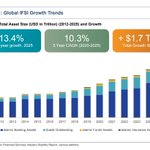
2,771 islamic funds are managing around $415 billion right now.
most muslims i know couldn't name one. could you?
1
5
162
name a fintech product you trusted immediately, on first open, before you'd even read a review.
what was it about those first five minutes that did that?
5
217