

El problema no es mi IQ, es mi escoba. Neurodivergente, ADHD, periodista.
Joined August 2007
- Tweets14.8K
- Following493
- Followers905
- Likes18.5K


Apparently, the screenplay wants us to experience Alya’s desperation as she tears everything apart looking for the recording that could clear her name. #tantrum
Fine. Desperation is understandable.
But here’s my question: is the writing exploring Alya’s vulnerability, or stripping her of competence so Cihan can swoop in and save the day? Again.
After 71 episodes, watching an intelligent, capable woman reduced to yet another emotional meltdown while the male lead gets to be the strategist is starting to feel less like character development and more like a recurring production meeting.
There’s a difference between showing a woman at her breaking point and repeatedly making her helpless to move the plot forward.
At this point, I’m not questioning Alya’s intelligence.
I’m questioning why the writers seem so determined to keep it off-screen.
#UzakŞehir @ayyapim @Uzaksehirdizi @cataykerem78

#UzakŞehir I 72. Bölüm 2. Tanıtım
“Cihan ne olur benimle kal!” 😳
#UzakŞehir yeni bölümüyle pazartesi 20.00’de #KanalD’de!
@ayna_yapim @ayyapim @KanalD
For me, the breaking point was Boran's resurrection.
I think we're getting closer to identifying where our perspectives meet, even if we're approaching the problem from different angles. And personally, I appreciate the opportunity to understand and learn from your perspective.
Before that, I could follow Alya's internal conflict, her resistance, her reasoning, and her gradual confrontation with a world she had never chosen to inhabit. Even the way she handled the Mine debacle at the beginning of Season 2 gave us something to examine, although I wasn't particularly fond of her decisions back then, either. And that's fine, too. I could still empathize with her.
After Boran's return, something changed in the writing. Her emotional suffering remained visible, but the psychological process behind her decisions became increasingly difficult to follow.
Boran made countless demands of her. But after seven years together in Canada, the story needed flashbacks and a genuine confrontation between Alya and Boran about the fact that their marriage had been built on smoke.
The screenplay failed to deliver.
Vurgun was the only character to mention that Boran had married Alya for immigration papers. And then? That revelation was simply forgotten.
But it left a significant hole in the storytelling.
Alya left the mansion to live in the apartment without telling Cihan about Boran's threats. So much happened afterward, yet the psychological reasoning behind her decisions became increasingly difficult to trace.
And I think the Season 2 finale is where the consequences of that writing choice became impossible to ignore.
The writers wanted the shock of Alya leaving Cihan. They got it.
What they failed to anticipate—or failed to address—was the psychological debt that decision would create for their female lead.
They didn't just separate two characters. They dismantled a relationship built over two seasons, damaged its foundation of trust, and sent Alya into Season 3 carrying decisions whose internal logic the screenplay still hasn't adequately explored.
And that's precisely why I struggle with the idea that we're simply watching a woman being punished for pursuing her independence.
I just don't see it. The storyline isn't strong enough to sustain that interpretation on its own.
And now the series is shifting its narrative focus toward Sadakat's secret and the clan war, which, ironically, was set in motion by none other than Alya's father — something she doesn't know yet.
I don't question Alya's right to leave. I question how the screenplay arrived at that decision, what it told us about her reasoning, and what it has allowed her to understand about its consequences.
So what narrative purpose does Alya's constant desire to leave actually serve?
What is her role in the story at this point, beyond being Deniz's mother, being pregnant, reacting to everything Cihan does, and interpreting his actions as threats?
We're talking about the female lead.
There's also something else I think may influence our different interpretations: cultural perspective.
I'm Mexican, and as a Western viewer, I may approach this story with different expectations about individual agency, accountability, and psychological development.
I'm also familiar with melodrama. Mexican television practically raised generations on it. I genuinely love the genre, but I'm struggling to find coherent storytelling here.
So my issue isn't the suffering, the sacrifices, or even the repetition.
It's what those experiences are supposed to change.
And Mardin matters here.
Alya doesn't have to surrender her principles or accept oppressive tribal customs. But after everything she's experienced, shouldn't we see some evolution in how she understands the world she now inhabits?
How does she navigate its power structures? What has she learned? How does she weigh her options? How does she reconcile her moral convictions with her own contradictions?
And what about her decision to seek Ecmel's help?
Instead, we repeatedly see her condemn other people's decisions while her own are framed largely as reactions to what has been done to her. Some of those reactions have been understandable and consistent with her circumstances; others seem like pure impulsiveness and tantrums.
That may be a deliberate characterization. If so, I want the writing to explore it.
Because a character's moral certainty can be a fascinating flaw, but only if the screenplay recognizes it as one.
I agree with you that Cihan's protective intentions shouldn't grant him narrative immunity. His actions deserve scrutiny, particularly when protection becomes coercion. And perhaps that's precisely why we're now seeing the clan war unfold.
But I also think the same principle must apply to Alya. We cannot discuss the consequences of her decisions without asking whether the screenplay has done the work of establishing how she reached them.
Perhaps our cultural and narrative expectations lead us to notice different aspects of the same imbalance. That's worth considering, and I think it's wonderful that we can explore those differences.
But here's where I ultimately stand:
The writers sacrificed the psychological continuity of their female protagonist for the shock value of a resurrection and a season finale. And eight episodes into Season 3, they still haven't fully addressed the damage.
The question isn't whether Alya deserves sympathy. She does.
The question is whether the writers have given her the interiority, self-awareness, and development that a protagonist of her importance deserves.
Because separating Alya and Cihan was easy.
Writing Alya convincingly after that separation was the real challenge.
And that's where I believe the screenplay has failed both the character and the audience.
Thanks @cagden12345 🤍
#UzakŞehir @Uzaksehirdizi @ayyapim

بعتقد إنو نحنا عم نناقش جانبين مرتبطين ببعض من مشكلة كتابة عليا بس من زاويتين مختلفتين إنتِ عم تركّزي على غياب البناء النفسي الواضح لقراراتها وعلى إنو المشاهد ما عم يشوف بشكل كافٍ كيف وصلت لهالاختيارات وليش عم تتصرّف بهالطريقة وأنا عم ركّز على الطريقة اللي السيناريو عم يقدّم فيها هالقرارات ونتائجها وكيف عم تأثّر هالطريقة على نظرة الجمهور لشخصيتها. يعني أنا ما عم قول إنو كل قرارات عليا منطقية أو إنو دوافعها مكتوبة بشكل مثالي ولا إنو ماضيها وخوفها بيعفيوها من مسؤولية أخطائها بالعكس ممكن يكون عندك حق إنو في قرارات كان لازم نشوف تمهيد نفسي أوضح إلها بس هيدا ما بينفي النقطة اللي طرحتها بمنشوري لأنو غياب هالمساحة النفسية بحد ذاته جزء من المشكلة اللي عم ناقشها. لما شخصية مثل عليا بتاخد قرارات تحت ضغط وخوف وتهديد وما نشوف بشكل كافٍ الصراع اللي بيوصلها لهالقرارات ولا كيف عم تتعامل مع تناقضاتها من بعدها بيصير المشاهد قدّام أفعال ونتائج أكتر ما هو قدّام شخصية عم نشوف تطوّرها من الداخل وهون بتصير أخطاؤها أسهل للحكم والإدانة لأننا عم نشوف نتيجتها من دون ما نشوف الرحلة النفسية اللي سبقتها. وبالنسبة لأمثلتك عن الزواج المزيّف من إنور وإخفاء الحقيقة عن جيهان ودينيز وغيرن أنا ما عم اعتبر إنو مجرد وجود ظروف صعبة كافي حتى نبرّر هالقرارات أو نقول إنو الكاتب نجح ببنائها نفسياً أكيد من حقك تسألي وين التمهيد وكيف وصلت عليا لهالاختيارات وهل شفنا أثرها عليها أو مراجعتها لنفسها. بس بنفس الوقت بدي ننتبه إنو نقد هالقرارات ما لازم ينفصل عن الطريقة اللي السيناريو عم يتعامل فيها مع نتائجها لأنو هون تحديداً بيجي اعتراضي الأساسي. أنا مش عم ناقش إذا عليا غلطت أو إذا كان لازم تتحمّل نتيجة قراراتها أنا عم ناقش ليش أخطاؤها غالباً بتتحوّل لشي بيشكّك بقدرتها على إدارة حياتها وبحقها بالاختيار بينما أخطاء جيهان بتضل مرتبطة بدوافعه وظروفه ومسؤوليته تجاه العيلة وحمايته إلها. ومش قصدي بهالكلام إنك إنتِ عم تبرّري جيهان أو إنك عم تدافعي عن كل تصرفاته لأنك وضّحتي إنك ما قلتي هالشي أصلاً أنا عم ناقش طريقة السرد نفسها مش موقفك الشخصي من الشخصية. وبالنسبة إلي النقطتين ما بيتعارضوا أبداً ممكن يكون السيناريو قصّر بإظهار العالم الداخلي لعليا وبنفس الوقت يكون عم يقدّم أخطاءها بطريقة بتخلي تدخّل جيهان يبدو كأنو الحل الطبيعي والوحيد. بل ممكن يكون غياب هالعالم الداخلي هو أحد الأسباب اللي بتخلّي الجمهور يشوف أخطاءها من دون ما يشوف صراعها ومعاناتها بالقدر نفسه اللي بيشوف فيه دوافع جيهان. وهون بيلتقي نقدك مع نقدي حتى لو اختلفنا بتحديد جوهر المشكلة. أنا ما بدي عليا تكون دايماً على حق ولا بدي كل تصرفاتها يكون إله تبرير جاهز وما عم أطالب إنو الكاتب يشرح كل قرار بحوار مباشر بدي بس نشوف مسار نفسي ودرامي متماسك يخلّي أخطاء الشخصيات جزء من تطورها مش وسيلة لإدانة شخصية وتفهّم شخصية تانية. لأنو بالنهاية التطوّر مش بس إننا نفهم ليش الشخصية غلطت بل كمان نشوف كيف واجهت غلطها وشو تغيّر فيها بعده وهيدا لازم ينطبق على عليا وجيهان بنفس المعيار.
#UzakŞehir #CihAl #sinemünsal #ozanakbaba
@jumets 🤍
My problem with Alya’s writing isn’t that the screenplay punishes her for seeking independence.
It’s that after 71 episodes, I still don’t understand the internal reasoning behind so many of her decisions.
I understand the circumstances. I understand the threats. I understand why she wants to protect Deniz.
What I don’t understand is how she gets from those circumstances to the choices she actually makes.
Why the fake marriage? Why let Cihan believe it was real? Why ask Deniz to keep a secret he wanted to tell? Why repeatedly blame Cihan for moving forward when she knows what he believes about her?
And most importantly, where is Alya’s own understanding of these contradictions?
You argue that the screenplay uses her mistakes to justify Cihan’s authority. I think there’s another possibility worth confronting: the screenplay keeps asking us to explain Alya’s behavior through circumstances without adequately developing her interiority.
Understanding Cihan’s motives doesn’t absolve his actions. Understanding Alya’s trauma doesn’t absolve hers.
And I refuse to confuse explaining a character’s circumstances with actually writing that character’s psychological development.
I don’t need Alya to be right. I don’t need her to obey Cihan. I don’t even need her to make good decisions.
I need the writers to show me why she makes the decisions she does.
Because here’s where I believe the writing fundamentally broke down: ever since Boran’s resurrection, Alya’s interiority has been progressively erased.
We see her suffering. We see her reacting. We see her leaving, returning, confronting, and making decisions that affect everyone around her.
But where is the reasoning behind those decisions?
When do we actually get to see Alya think? How does she reach her conclusions? What does she tell herself to justify her choices? What does she recognize about the consequences?
And if the screenplay doesn’t show us any of that, how exactly are we supposed to understand her?
I’m not asking anyone to agree with my interpretation.
I’m asking for evidence.
If you believe Alya’s psychological development is clearly established on screen, tell me: which episode? Which scene? Which dialogue actually shows us how she arrives at these decisions?
Not what we assume she feels. Not what we believe her trauma explains. Not the motivations we construct for her.
What has the screenplay actually written?
Because after 71 episodes, I’m done confusing the audience’s ability to rationalize Alya’s behavior with the writers’ ability to develop her character.
Show me the scene. Not the theory.
Thanks for asking for my input @cagden12345
#UzakŞehir @Uzaksehirdizi @ayyapim
ليش المشاهدين صاروا يشوفوا عليا كشخصية فقدت تطوّرها لدرجة إنّ البعض صار يعتبرها أسوأ شخصية؟ هل المشكلة فعلًا بشخصية عليا وتصرّفاتها أو بطريقة كتابة الشخصية وتكرار أخطائها من دون تطوّر حقيقي؟ وهل كره المشاهدين إلها ناتج عن قراراتها أو عن الطريقة اللي السيناريو عم يقدّم فيها هالقرارات؟ مكن البعض ما يتفق معي بس من خلال اللي عم شوفه هيدا اللي استنتجته وصرت مقتنعة فيه.
أول شي، فخ محاولة النجاة كخطأ درامي. السيناريو بيحطّ عليا بمأزق صعب. إذا استسلمت وسكتت بتخسر إرادتها وحريتها وبينحرم ابنها من فرصة يعيش بأمان بعيد عن سيطرة الآخرين. وإذا تحرّكت وحاولت تهرب أو تواجه بتتصمّم الظروف المحيطة فيها بطريقة بتقودها للفشل أو لارتكاب خطأ ممكن تكون عواقبه خطيرة. المشكلة هون مش إنّ عليا عم تغلط لأنّ الإنسان اللي عايش تحت الخوف والضغط والتهديد ممكن ياخد قرارات متسرّعة أو يرتكب أخطاء وهيدا شي طبيعي. المشكلة الحقيقية هي بكيفية توظيف السيناريو لهالأخطاء. لأنّ عليا ما عم تدفع ثمن قراراتها وبس بل كأنّها عم تنعاقب مرتين. مرة بسبب النتائج اللي بتوصل إلها ومرة من خلال الرسالة الضمنية اللي عم يفرضها النص على المشاهد واللي بتقول شايفة؟ جيهان كان عم يحميكِ من نفسكِ ولو كنتِ سمعتي كلامه والتزمتي بالقوانين ما كان وصلتي لهون. وهون بتصير محاولة النجاة نفسها وكأنّها خطأ وبتتحوّل رغبة عليا باستعادة حريتها واتّخاذ قراراتها بنفسها لسبب جديد لإدانتها. وبدل ما نشوف امرأة عم تحاول تلاقي مخرج من ظروف مفروضة عليها منلاقي حالنا قدّام سردية بتشكّك بقدرتها على التصرّف وبتخلّي تدخّل جيهان يبدو وكأنّه الحلّ الوحيد الممكن.ثاني شي،محو أخطاء صاحب السلطة وتبريرها. بالمقابل بيظهر خلل واضح بالتوازن السردي لما السيناريو بيتعامل مع جيهان وكأنّه عنده حصانة درامية. فتدخّلاته بقرارات عليا وفرض الحماية عليها بالقوة وتقييد خياراتها وحتى خضوعه لقوانين العشيرة القاسية غالبًا ما بتتقدّم ضمن إطار التضحية والواجب والظروف اللي ما بتسمحله يتصرّف بطريقة مختلفة. وطبعًا ممكن نفهم دوافع جيهان وممكن نتعاطف مع الضغوط اللي عم يعيشها بس فهم دوافع الشخصية ما لازم يتحوّل تلقائيًا لتبرير كل تصرّفاتها. متل ما ماضي عليا وخوفها ما لازم يكونوا عذر لكل أخطائها كمان مسؤوليات جيهان وظروفه ما لازم تعفيه من المحاسبة. المشكلة بتصير أكبر لما السيناريو ما بيكتفي بتخفيف مسؤوليته بل أحيانًا بيخلّي عليا نفسها تبرّرله تصرّفاته وكأنّ المطلوب منها تعترف إنّه كان معه حق حتى بالمواقف اللي انتقص فيها من قدرتها على الاختيار. وهون بيصير في كيل بمكيالين. أخطاء عليا بتتحوّل لحجّة ضدّها وضدّ استقلاليتها بينما أخطاء جيهان بتنحطّ ضمن سياق بيخلّي المشاهد يتفهّمها أو يتجاوزها. وكأنّ شخصية لازم تتحمّل مسؤولية كل قرار بتاخده وشخصية تانية بيكفي نفهم دوافعها حتى نخفّف عنها مسؤولية نتائج أفعالها. والأصعب إنّ هالاختلال ممكن ينعكس حتى على العلاقة بين الشخصيتين لأنّه بدل ما نشوف كل واحد فيهن عم يواجه أخطاءه ويتعلّم منها منلاقي السردية عم تميل باستمرار لتبرير طرف على حساب الطرف التاني. ثالث شي تحويل الصدمة النفسية إلى إدانة أخلاقية. في مشكلة أعمق بطريقة تقديم عليا وهي إنّ محاولاتها للخروج من الظروف اللي عم تعيشها ممكن تنفهم من خلال السيناريو وكأنّها تهوّر أو عناد أو قلّة وعي بدل ما نشوفها ضمن سياق الخوف والضغط والتهديد اللي عم تتعرّضله. أنا مش عم قول إنّ الخوف بيبرّر كل قرار ولا إنّ عليا معصومة عن الخطأ. بس في فرق بين إنّنا ننتقد قرار اتّخذته شخصية تحت الضغط وبين إنّنا نحوّل كل قرار خاطئ منها لدليل على إنّها ما بتعرف تدير حياتها وإنّ الشخص التاني كان لازم يقرّر عنها من البداية. والأمر نفسه بينطبق على جيهان. فينا نفهم إنّه بيتصرّف أحيانًا من منطلق الخوف على عليا أو الرغبة بحمايتها بس هيدا ما بيعني إنّ طريقته دايمًا صحيحة ولا إنّ نيّته بالحماية بتلغي الأثر اللي ممكن تتركه تصرّفاته على حريتها وثقتها بنفسها. المشكلة مش بمين فيهن بيغلط أكتر بل بالمعيار اللي السيناريو عم يستخدمه ليحكم على أخطاء كل واحد فيهن. ليش أخطاء عليا بتنعرض بطريقة بتشكّك بقدرتها على اتّخاذ القرار بينما أخطاء جيهان غالبًا بتنعرض بطريقة بتخلّينا نركّز على دوافعه وننسى النتائج اللي بتترتّب عليها؟ هيدا المعيار المزدوج هو اللي بيخلق الإنهاك العاطفي عند المشاهد. لأنّه مع الوقت ما بقى عم نشوف شخصيتين عم يتغيّروا نتيجة التجارب اللي مرقوا فيها بل عم نشوف صراعات عم تتكرّر وأخطاء عم تنعاد ومسؤوليات ما عم تتوزّع بطريقة متوازنة ولما كل محاولة من عليا لتستعيد استقلاليتها بتتحوّل لكارثة جديدة بينما القيود اللي عم يفرضها جيهان بتتقدّم باستمرار كأنّها ضرورة للحماية...++
#UzakŞehir #CihAl
“Whoever fights monsters should see to it that in the process he does not become a monster.”
— Friedrich Nietzsche,
Beyond Good and Evil.
And yes, I’m talking about Alya.
Moral superiority becomes hypocrisy the moment you demand accountability from others while refusing to examine your own choices.
#UzakŞehir
@ayyapim
I think there’s something deeply troubling about reading Deniz’s behavior primarily through the lens of his parents’ romance.
Yes, he wants Alya and Cihan together. Of course he does. He’s a seven-year-old child who wants his family to remain intact.
But turning his attempts to preserve that family into evidence of how clever a little matchmaker he is risks romanticizing his parentification.
Deniz wants to tell Cihan the truth. His mother asks him not to.
So now he’s protecting an adult’s secret, navigating his parents’ emotional conflicts, and apparently being expected to find another way to bring them together.
And once again, the screenplay is using a child to move a conflict the adults should be resolving themselves.
His intelligence doesn’t make that responsibility appropriate. His love for his parents doesn’t make it fair. And the fact that his intervention might advance the romance doesn’t make the emotional burden disappear.
A child trying to keep his family together is not necessarily a romantic triumph. Sometimes it’s a sign that the adults have failed to make him feel secure.
Deniz is seven years old.
He should be the person his parents are protecting, not the person the screenplay keeps recruiting to save their relationship.
#UzakŞehir @ayyapim @cataykerem78
Deniz bile artık Cihan’ın gözlerinden anlıyor. 😔
#UzakŞehir yeni bölümüyle pazartesi 20.00’de #KanalD’de!
@ayna_yapim @ayyapim @KanalD
The Hypocrisy of Being Right:
#UzakŞehir, Episode 70 — When Moral Superiority Becomes an Excuse for Everything
I want to talk about something I find genuinely disturbing in human behavior: the ability to hide your own darkness behind the absolute certainty of your moral goodness.
Because there is something particularly dangerous about people who believe their intentions automatically justify their actions. People who recognize cruelty when they're on the receiving end of it, but call it love, protection, or necessity when they're the ones inflicting it.
And after seventy episodes of Uzak Şehir, I find Alya's behavior increasingly hypocritical.
Not because she doesn't suffer or because she doesn't love Cihan. But because she repeatedly condemns behavior in others while reproducing remarkably similar patterns herself, without the screenplay consistently confronting that contradiction.
Sadakat Is the Villain. Until Alya Borrows Her Playbook.
Alya despises Sadakat's authoritarianism. She condemns her interference, her control, her secrets, and her conviction that family gives her the right to make decisions for everyone else.
And she's often right.
But what happens when Alya decides what's best for Cihan without consulting him? When she walks away from their wedding, constructs a fake marriage with Enver, and allows Cihan to make decisions based on that lie?
What happens when she tells Deniz the truth but asks him not to share it with Cihan, even though he doesn't want to lie?
What exactly distinguishes protection from control when the person making the decision refuses to acknowledge anyone else's right to participate?
Alya and Sadakat have different histories, different levels of power, and different reasons for behaving as they do. Those differences matter. But they don't erase the similarities in their methods.
Sadakat calls it protecting the family. Alya calls it protecting the people she loves. Both seem remarkably comfortable deciding what other people should be allowed to know.
Apparently, controlling someone else's life is unacceptable until you're the one convinced you have a good reason.
-The Exit Strategy That Ate the Character Arc
Alya turns to Ecmel to escape Mardin. Ecmel later admits that he arranged for drugs to be planted in Deniz's belongings so he could manipulate the custody situation.
The man she approached for help turns out to have manufactured one of the threats against her son.
What does Alya do when she discovers the truth? She goes after him with a gun, and Cihan intervenes before the confrontation escalates further.
Her anger is entirely understandable. Her response, however, deserves scrutiny. Yet another crisis produces another extreme decision, followed by another intervention that prevents us from seeing where that decision might otherwise have led.
Then there's Enver, the fake marriage, the very real consequences of that fiction, and Alya's insistence to Nare that Cihan told her to leave and get married.
Did Cihan make that decision for her? Did he put the ring on her finger? Did he construct the deception?
Or are we watching another attempt to move responsibility away from the person who actually made the choice?
And when Cihan announces his engagement to Berfin, Alya is devastated. I don't question her pain. I question the logic we're being asked to accept.
Cihan spent six years with Mine without marrying her because he didn't want to. He chose to marry Alya. She abandoned that wedding.
Now he has agreed to an engagement that serves a political alliance while the Albora clan faces a coordinated threat. His decision isn't beyond criticism. Kaya questions it, and so do I. Berfin's expectations also matter, particularly when Cihan appears to believe he can separate the political arrangement from the realities of marriage.
And Kaya raises an uncomfortable question: would Cihan have accepted this sacrifice if he didn't believe Alya was already married?
That possibility complicates his motives and his responsibility.
But it doesn't change what Cihan knows.
How exactly was he supposed to organize the rest of his life around a truth Alya chose not to give him?
And why does every discussion of Alya's heartbreak seem to require amnesia about the decisions preceding it?
The Child Who Apparently Works in Public Relations
Now let's discuss Deniz, because this is where the contradiction becomes particularly difficult to overlook.
Alya tells Enver she cannot bring her unborn baby into a world of lies. She insists that Cihan has the right to know he's the father, regardless of whether they reconcile.
For a moment, there it is: recognition. An adult acknowledging that someone else has a right to the truth.
And then she asks Deniz to keep quiet about her marriage to Enver being fake.
The unborn baby deserves a life free of lies, but Deniz gets assigned to the family cover-up department?
Deniz wants to tell the truth. He says so. Yet he's being asked to carry a secret that directly affects his relationship with Cihan.
What is he supposed to learn from that? That honesty is a virtue until it becomes inconvenient for his mother? That protecting someone means hiding whatever might upset them? That adults get to decide which truths a child must carry?
And where is the accountability for putting him in that position?
Alya loves her son. That isn't in question.
What I'm questioning is why the story seems so reluctant to examine what her decisions are teaching him.
Deniz isn't responsible for protecting his mother's version of events. He shouldn't have to choose between honesty and loyalty to someone he loves.
And if Cihan eventually discovers that Deniz was asked to preserve the deception, what happens to the trust between these adults?
Will the story examine that consequence? Or will another crisis arrive just in time to interrupt the conversation?
Love is not the question. Responsibility is.
And No, Pregnancy Is Not Character Development.
The pregnancy gives Alya an opportunity to reconsider her future. It also gives her an opportunity to tell Cihan the truth.
To be fair, she tries. She refuses Enver's proposal to claim paternity. She explicitly recognizes that Cihan deserves to know, regardless of whether they reconcile.
Those moments matter. In fact, they're precisely the moments I wish the screenplay would allow to develop.
But the episode ultimately withholds the conversation. We get another interruption, another emotional collapse, another retreat, and another promotional promise that perhaps next week someone will finally finish a sentence.
Is this supposed to be a slow burn?
I'm familiar with slow burns. I've watched them, enjoyed them, and defended their narrative value. A slow burn develops a relationship while delaying its resolution.
What exactly are we developing when the same conflicts keep returning and the characters keep responding with the same mechanisms?
How many times can Alya run before the story examines what she's running from? How many times can Cihan sacrifice himself before duty stops functioning as an adequate explanation? How many secrets can Deniz carry before someone remembers he's a child?
And how many pregnancies, engagements, family revelations, and conveniently timed emergencies does a screenplay need before it allows its protagonists to confront what they've done?
At this point, the medical emergencies seem to have a more reliable dramatic schedule than the conversations.
-I Refuse to Confuse Suffering With Accountability.
I don't need Alya to be perfect. I don't need Cihan to be innocent. I don't need Sadakat to be redeemed or Ecmel to discover a conscience.
I need their actions to mean something.
I need a story where recognizing your own pain doesn't automatically absolve you of the pain you've caused. Where making a sacrifice doesn't exempt you from responsibility. Where motherhood isn't treated as a universal explanation for decisions that compromise a child's emotional well-being.
And where characters don't get to borrow the moral high ground simply because the camera gives them a beautiful close-up while they cry.
Sinem Ünsal can deliver an extraordinary emotional performance. That doesn't mean the screenplay has supplied the missing psychological development.
An actor can make me believe a character is suffering.
The writers still have to make me understand what that suffering changes.
And that's where I've reached my limit.
I'm no longer interested in inventing an entire psychological architecture to explain decisions the writers refuse to examine. I'm tired of supplying the self-awareness, accountability, and emotional continuity that should exist on the page.
I'm tired of being told that another secret will change everything, only to watch the story invent a new reason why nothing can change yet.
I'm tired of mistaking repetition for depth and postponement for sophistication.
And I'm especially tired of watching moral certainty become an excuse for behavior that would be condemned immediately if another character were doing it.
When Moral Certainty Becomes Narrative Immunity
Other viewers may find this storytelling tremendously satisfying. They may consider the delayed revelations brilliant, the suffering necessary, and the repetition emotionally rewarding. That's their experience, and I have no reason to dispute it.
Mine has changed.
I don't object to the Turkish dizi tradition of extended storytelling. I object to a series that has spent seventy episodes promising emotional consequences while repeatedly postponing meaningful recognition.
The problem isn't that I don't understand what the writers are trying to do. It's that I no longer believe they're doing it well.
And here's the thought I can't shake: one of the most dangerous forms of hypocrisy is believing so completely in your own goodness that you stop questioning the harm you cause.
That's a fascinating flaw to explore in fiction, especially in a story built around family, sacrifice, authority, and moral obligation.
But only if the story recognizes it as a flaw.
Otherwise, we're not watching a complex examination of morality. We're watching moral certainty being used as narrative immunity.
Alya can condemn Sadakat while repeating some of her methods. Cihan can recognize the destructiveness of sacrifice while continuing to offer himself to the clan. Both contradictions could make them extraordinary characters.
But contradictions alone aren't character development. The story has to do something with them.
And after seventy episodes, I refuse to keep doing the writers' homework to make that distinction for them.
I understand the pain. I see the contradictions. I recognize the possibilities.
What I no longer accept is being asked to mistake those possibilities for development that has actually been written.
I'm done waiting.
#UzakŞehir @ayyapim @cataykerem78 @Uzaksehirdizi
#UzakŞehir I 71. Bölüm 1. Tanıtım
“Benim için artık sevmek yok, kaybetmek yok…”
#UzakŞehir yeni bölümüyle pazartesi 20.00’de #KanalD’de!
@ayna_yapim @ayyapim @KanalD
#UzakŞehir has reached a troubling narrative crossroads. Seventy episodes of betrayals, sacrifices, and dramatic revelations have produced plenty of suffering but increasingly little resolution.
Drawing on research into Turkish dizi viewing habits, this essay explores the difference between narrative repetition and meaningful development, questioning whether emotional attachment can sustain an audience once trust in the storytelling begins to erode.
The central argument: the problem isn't a lack of drama. It's the growing distance between what the story promises and what it actually delivers.
When every answer becomes another question, how long can an audience keep believing?
teapaw.org/jumets/status/21148945…
@ayyapim @Uzaksehirdizi @cataykerem78
This quoted post is unavailable.
70 episodes. Endless revelations. More questions, fewer answers. #UzakŞehir keeps promising that everything will change, yet meaningful resolution remains elusive. The plot moves. The characters barely do. How long can a story survive on broken promises?

Jumex 🇲🇽🇺🇦 retweeted

Cihan wouldn’t have accepted the engagement if Alya wasn’t married.. it all started with that fake marriage!!
#UzakŞehir
A pregnancy is not accountability, and an engagement is not a betrayal.
Who walked away from the wedding? Alya. Who chose not to marry Cihan? Alya.
Let’s remember: Cihan spent six years with Mine and never married her because he didn’t want to. He chose to marry Alya.
Now he’s agreeing to an engagement with Berfin for political reasons, because the Albora clan is facing a coordinated threat to its power, territory, and political survival. These are NOT equivalent choices.
And apparently, it takes a pregnancy for Alya to reconsider the future she walked away from. How unfortunate that the writers chose this route to confront her with the consequences of her decisions.
If we’re getting another 145 minutes of Alya debating whether to tell Cihan the truth, we’re not watching development. We’re watching narrative postponement dressed up as suspense.
Seventy episodes in, and apparently the biggest plot twist would be two adults making an informed decision together.
At this point, the ultrasound has revealed more than the screenplay.
And seventy episodes later, this is what the PR team is still being asked to sell: another unanswered question disguised as a major development.
Imagine having to manufacture suspense because the screenplay keeps postponing substance.
#UzakŞehir
@ayyapim @Uzaksehirdizi @cataykerem78

BU AKŞAM ‘UZAK ŞEHİR’DE NEFESLER TUTULUYOR!
ALYA, CİHAN’A HAMİLE OLDUĞUNU SÖYLEYECEK Mİ?
MERAKLA BEKLENEN YENİ BÖLÜMÜNDEN TANITIM PAYLAŞILDI
‘Ne olacaksa olsun...’
AyNA Yapım imzalı #UzakŞehir dizisinde bu akşam nefesler tutulacak. Bölüme saatler kala yayınlanan yeni tanıtıma hamile olduğunu öğrenen Alya’nın ultrason fotoğrafını alıp ‘Ne olacaksa olsun...’ diyerek odadan çıktığı an damga vuruyor.
AyNA Yapım imzalı ‘Uzak Şehir’in bu akşam Kanal D’de yayınlanacak 70. bölümüne Cihan, Alya’nın hamile olduğunu öğrenecek mi? sorusu damga vuruyor.
Diziden yayınlanan tanıtımda hamile olduğunu öğrenen Alya, Cihan’ın nişanlanacak olmasıyla büyük üzüntü yaşıyor ve gözyaşlarına boğuluyor. Alya’nın durumundan habersiz olan Cihan ise verdiği sözü tutarak Mirza’nın kızı ile nişanlanmaya Mirza’nın konağına gidiyor.
Alya’nın ultrason fotoğrafını alıp ‘Ne olacaksa olsun...’ sözleriyle odadan çıktığı anlar Alya, Cihan’a hamile olduğunu söyleyecek mi sorusunu da beraberinde getiriyor.

Five clans. One political marriage. And an ağa running out of choices. Cihan may save the Albora, but at what cost to himself? In Mardin, even heartbreak comes with a political agenda. The ağa may survive. But will the man? #UzakŞehir
teapaw.org/jumets/status/21137020…
@Uzaksehirdizi @ayyapim @cataykerem78
#UzakŞehir 70. Bölüm Özeti ve Kareleri:
Alya, yüreğinde taşıdığı şeyi artık saklayamayacağını bilir ve bir karar verir. Cihan’ın da söyleyecekleri vardır. Aynı gece, aynı avluda göz göze geldiklerinde ikisinin de bildiği ama birbirine söyleyemediği şeyler vardır.
O gece kimin konuşacağı, kimin susacağı her şeyi değiştirecektir. Ömrü boyunca herkesin sırrını bilen, bu topraklarda hiçbir şeyin ondan habersiz olmadığına inanan Sadakat Albora, bu kez bilmediği bir gerçeğin eşiğindedir.
Nare ise kaçtığı her şeyle yüzleşmek zorunda kalır. Önce ailesinin önüne saçılan fotoğraflarla, sonra yıllardır gidemediği bir mezarla... Orada onu bekleyen ise hiç tahmin etmediği biridir. Fidan’ın elinde Sadakat’i bile susturacak bir koz vardır. Ancak bu cesur hamle Kaya’nın öfkesiyle birleşince aileyi korkunç bir sınavla karşı karşıya bırakır.
Velayet davasında Alya’nın beklediği sonuç gerçekleşmezken, Ecmel’in elindeki yeni gerçek bütün dengeleri derinden sarsar.
Oğlunu kaybetme ihtimaliyle karşı karşıya kalan Alya, Ecmel’i durdurmak için gözünü tamamen karartırken, Cihan’ın yetişmeye çalıştığı bu tehlikeli mücadele ikisini bir kez daha karşı karşıya getirecektir.


Five clans. One political marriage. And an ağa running out of choices.
Cihan may save the Albora, but at what cost to himself?
In Mardin, even heartbreak comes with a political agenda.
The ağa may survive. But will the man?
#UzakŞehir @Uzaksehirdizi

I think we can finally begin to answer that question.
My issue with Alya isn’t that she doesn’t understand what’s happening around her. She’s intelligent, perceptive, and perfectly capable of recognizing other people’s motivations.
What she struggles with is recognizing her own responsibility for what happens next.
For two seasons, we’ve watched her respond to conflict through the same pattern: fear, unilateral decisions, emotional withdrawal, and eventually another attempt to leave. She explains her choices through motherhood, sacrifice, or necessity, but rarely examines what those choices cost the people around her.
And that’s where I see the real problem.
Alya understands why she does things. She doesn’t seem equally interested in understanding what her actions do to others.
Take Cihan. She decided to leave because she believed it would protect him from losing Serhat and from the burden of his obligations. But she never allowed him to make that choice himself. She decided what was best for him, left, and then struggled to understand why he wasn’t emotionally available when she returned.
That’s not a lack of intelligence. It’s a lack of accountability.
And there’s an uncomfortable parallel with Sadakat: both can justify making decisions for Cihan in the name of love and protection, without fully acknowledging the damage those decisions cause.
Episode 69 may be the beginning of something different. Alya finally seems to recognize Cihan’s pain. But recognizing someone’s pain isn’t the same as recognizing your responsibility for it.
The question isn’t whether Alya can understand. It’s whether the writing will finally allow her to take responsibility for what she already understands.
Because after two seasons, another explanation isn’t character development. A different choice would be.
Thanks @zzeplinn__ for asking 😊🙏
#UzakŞehir
@Uzaksehirdizi @ayyapim @cataykerem78

Fragman day, six hours later, another press release. And apparently, this time we’re getting an answer.
Or another cliffhanger pretending to be one. At this point, who knows?
Seventy episodes in, and two adults finishing a conversation would be the biggest plot twist yet.
Unfortunately, the writers seem allergic to consequences.
We shall see, don’t we?
#UzakŞehir
@Uzaksehirdizi @ayyapim @cataykerem78
CİHAN ALBORA NİŞANLANIYOR!
‘Neyin var senin Alya?’
AyNA Yapım imzalı ‘#UzakŞehir’ dizisi pazartesi akşamı heyecan dolu bir bölümle Kanal D ekranlarında izleyicilerle buluşacak. Olayların seyrini değiştirecek bölümden paylaşılan yeni tanıtıma Cihan’ın Mirza’nın kızı ile nişanlanması damga vuruyor.
AyNA Yapım imzalı ‘Uzak Şehir’de yeni bir sayfa açılıyor... Pazartesi akşamı yayınlanacak 70. bölümden paylaşılan yeni tanıtımda Mirza’nın teklifini mecburen kabul eden Cihan, nişanlanıyor.
Ailesini ve sorumlu olduğu halkını koruyabilmek için gerekeni yapan Cihan’a bu karar konusunda Kaya sert çıkıyor. Hastanede kendine gelen Ufuk’un mektupla ilgili söylediği sözler Alboralar nasıl bir gerçekle yüzleşecek sorusunu beraberinde getirirken Alya’nın kime silah çektiği ise merak konusu oluyor. Hamile olduğunu öğrenen Alya’nın, Cihan’ın kollarında fenalaştığı anlarda Cihan’a gerçeği söyleyip söylemeyeceği ise yeni bölümde cevap bulacak.


Another question? Seriously?
For the first time, a #UzakŞehir trailer has left me feeling absolutely nothing.
Not anger. Not frustration. Not even curiosity. Just empty as a tall glass after a very long night.
Which is quite an achievement for a trailer featuring enough drama to destabilize a small country.
My brain recognizes the action. The stakes are high, the music is fighting for its life, everyone looks appropriately devastated—or happy as hell. Right, Sado?—and the editing is practically screaming, YOU NEED TO SEE THIS.
My emotions, meanwhile, have left the building. No forwarding address.
Apparently, after 70 episodes, my nervous system has decided that Uzak Şehir is no longer an emergency worth responding to. Frankly, I’m considering sending it a thank-you note.
And what’s the latest earth-shattering mystery?
Will Alya tell Cihan she’s pregnant now that he’s engaged to someone else? 🤦🏻♀️
Seventy episodes. And we’re still wondering whether two adults will exchange basic information.
At this point, I’m not watching a love story. I’m supervising a very expensive communication disorder.
We’ve had countless departures, meaningless silences, emotional breakdowns, interrupted weddings, fake marriages, and enough suffering to qualify Mardin for international humanitarian assistance.
And somehow, the writers have looked at all this devastation and concluded that what the story really needs is another question mark.
I don’t need another question. I need an answer.
Not a wedding. Not a reconciliation. Not even a happy ending.
Just one meaningful conversation that doesn’t get interrupted by a kidnapping, a family emergency, a conveniently timed villain, or someone announcing they’re leaving Mardin for the 47th time.
I’ll even accept a complete sentence. Apparently, my standards have entered their own character-development arc.
There’s action, tension, emotional devastation, and enough dramatic music to resurrect the Ottoman Empire.
But movement isn’t progress. And exhaustion isn’t anticipation.
I used to analyze every glance, every silence, every symbolic object. Now I’m considering analyzing my own lack of interest. Go Figure.
The trailer is doing everything it can to make me feel something.
Unfortunately, after 70 episodes, the one thing it can’t manufacture is trust.
And apparently, the biggest plot twist of Season 3 is that I’ve finally learned how to watch what happens in Mardin.
Emotionally empty, but remarkably efficient.
#uzakșehir @ayyapim @cataykerem78
#UzakŞehir I 70. Bölüm 2. Tanıtım
“Neyin var senin Alya!”
Alya, hamile olduğunu Cihan’a söyleyecek mi? 😳
#UzakŞehir yeni bölümüyle pazartesi 20.00’de #KanalD’de!
@ayna_yapim @ayyapim @KanalD
Deniz came to his father looking for comfort. Instead, he found himself trying to ease Cihan’s heartbreak. Everyone is fighting for Deniz. But who is protecting him from the fight? Love was never the missing ingredient. Responsibility was. #UzakŞehir
English Version: teapaw.org/jumets/status/21129452…
Turkish Version:
teapaw.org/jumets/status/21129474…
#UzakŞehir I 70. Bölüm 1. Tanıtım
“O kalp atışı üç kişiye ait demek!" 🥹❤️
#UzakŞehir yeni bölümüyle pazartesi 20.00’de #KanalD’de!
@ayna_yapim @ayyapim @KanalD
Deniz, teselli bulmak için babasına gitti ama Cihan’ı teselli eden kendisi oldu. Ertesi gün bakıma muhtaç olan Deniz’di.
Herkes Deniz için savaşıyor. Peki onu bu savaştan kim koruyor?
Sevgi hiç eksik değildi. Eksik olan sorumluluktu.
#UzakŞehir
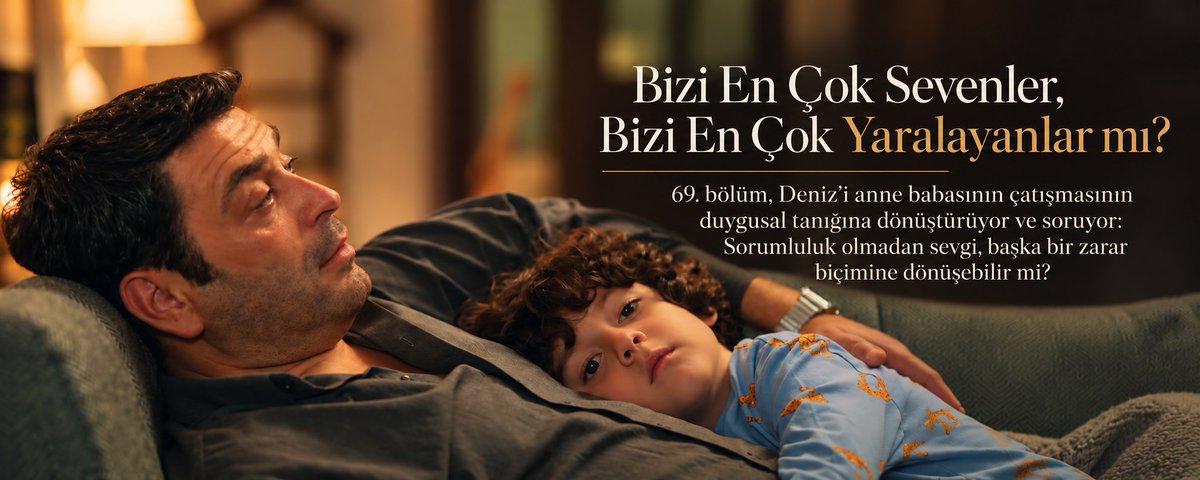
Deniz came to his father looking for comfort. Instead, he found himself trying to ease Cihan’s heartbreak.
Everyone is fighting for Deniz. But who is protecting him from the fight? Love was never the missing ingredient. Responsibility was.
#UzakŞehir
