

Reader, teacher, lover of both, and of humans in general. Trying to use my platform for good, one book and one kid at a time. (she/her)
- Tweets2.2K
- Following90
- Followers267
- Likes1.2K
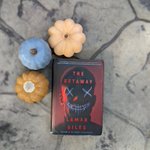


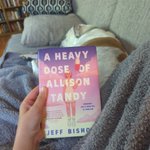


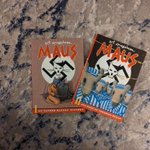

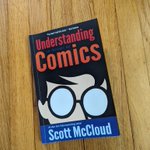


ALT "I must change my life so that I can live it, not wait for it."

ALT Text-heavy and colorful infographic titled the BREAKING NEWS CHECKLIST with 6 tips on "What to do when information is scarce, falsehoods are rampant and the story is still unfolding" 1 Mind the gap: Keep in mind that there’s often a gap between what the public wants to know and the verified information available. Unconfirmed or completely bogus content often rushes in to fill that gap. 2 Beware bad actors: Remember that bad actors often capitalize on breaking news situations to spread falsehoods for easy likes and shares. 3 Do a quick search: This is often your best defense against misinformation. 4 Look for evidence: Claims that make bold assertions but provide no links or other evidence should always be approached with caution. 5 Seek credible sources: Be intentional about looking for credible news and not relying on social media algorithms to bring you updates. 6 Practice patience: Quality journalism and verification take time. Be ready to follow news developments over time.


ALT Text-heavy graphic about misinformation with white background and aqua green text. Main categories of text below: - Top: IN BRIEF - Main header: Misinformation - Overview: Misinformation thrives on social media where anyone can share almost anything they choose, and attention spans are short. Here's a quick guide to help you understand what misinformation is and how to recognize it. Box 1 header: Why do people share misinformation? Box 2 header: Misinformation VERSUS Disinformation Box 3 header: Types (each with a paragraph) - False context - Fabricated content - Stolen satire - Imposter content - Manipulated content Box 4 header: Red flags (WATCH OUT) If you see these common misinformation themes and “rumor cues,” proceed with caution: Phrases: - "Let that sink in" - "The media won’t report this” - “Make this go viral” - “Do your own research” - “There are no coincidences" Patterns Box 5 header: Your best defenses Final box: Key resources


