





Khanh Tuong retweeted

Over the past week, I’ve been overwhelmed by the love and support of friends, industry colleagues, and people I've never met. Thank you to everyone who has shown kindness to my family and me. It means the world to me.
I came to the United States 53 years ago, and becoming an American citizen is one of the greatest gifts and proudest moments of my life. NVIDIA has been my life’s work. Building it into the company it is today alongside my colleagues has been a privilege and an honor. Nowhere but in America could a company like NVIDIA be possible. I love our country, and I love NVIDIA.
I did not live up to the standards expected of everyone at NVIDIA, and I have made serious mistakes in my personal life. I created problems for the Board that I deeply regret. I own my mistakes completely, and I am committed to cooperating with the Board’s independent investigation.
Since my departure, I’ve seen an outpouring of calls from NVIDIA’s employees, investors, business partners, and customers for me to return as CEO. Many continue to reach out to me directly as the company navigates complex technology, market, competitive, and geopolitical dynamics. NVIDIA is a once-in-a-generation company. If the Board of Directors decides that my return is in the best interest of our shareholders, our employees, the company, and America, I would be honored to answer these calls and return as CEO.
Thank you again to everyone who has shared their good wishes. I am profoundly humbled by your support. To my family: I love you, and I will spend the rest of my life being worthy of yours.
Jensen
Khanh Tuong retweeted

Prediction. Screenshot this post, we'll talk again in five years.
They're going to pull it off. Jensen Huang is going to be pushed out of Nvidia.
And here's what happens next.
Elon hires Jensen and puts him in charge of Terafab.
He's already said it publicly: hiring him would be an honor. And Terafab is the project made for him. A chip factory Musk wants to be the largest ever built, one terawatt of compute per year, from design to packaging under one roof. Terafab's challenge is to do in a few years what the industry took decades to build. There's only one man on Earth who knows every layer of that stack.
They execute like absolute maniacs.
Musk brings speed, capital and appetite for risk. Jensen brings thirty years of mastery of the stack: architecture, software, customers, supply chain. Musk builds factories faster than anyone alive. Jensen knows exactly what to put inside them. It's the only duo in the world capable of compressing a decade into three years.
SpaceXAI merges with Tesla.
This isn't even science fiction anymore: independent committees are already studying the merger. Rockets, satellites, AI, robots, self-driving cars, energy, and now chips. One single entity, integrated from silicon to orbit.
The group climbs to $50 trillion.
Today, SpaceX and Tesla are worth around $3.4 trillion combined. $50 trillion sounds insane. But remember: ten years ago, Nvidia was worth a few tens of billions. When you own superintelligence, the robots that do the work and the rockets that go to space, you don't capture a market. You capture the economy.
Elon buys Nvidia.
Meanwhile, Nvidia without Jensen does what every company does after losing its founder: it manages. It protects its margins. It loses ground to its own customers' in-house chips. And one day, it becomes a target. For a $50 trillion group, buying Nvidia is just one acquisition among others.
Jensen becomes the chip boss again.
He takes over the semiconductor division of the new entity. Pushed out of his own company, he gets it back from above, inside the largest industrial group in history.
Sounds crazy? Steve Jobs did exactly that. Pushed out of Apple, he came back when Apple bought NeXT. You know the rest.
Nvidia's board thinks it's getting rid of a problem.
It's creating the biggest competitor in its history.
See you in five years.


Khanh Tuong retweeted

> Haiti gangs snatch 4 Salvadorans
> they think they just bought themselves a negotiation
> Bukele goes public saying bring them back or you're done
> they try to hand him 4 random bodies and say it was them
> he calls out their bs
> sends 2,000 troops into Haiti
> tells the leader to gather their gangs so he can fight them
> gangs run to the UN for a deal
> refuses all deals
> ignores the UN mandate
> pushes into gang territory and starts cleaning them
> does more in two weeks than the UN did in 13 years
Bukele might be the greatest leader of the 21st century


Insane value.

For more than two years, we’ve been working in silence. Last month, we gave a first peek behind the curtain in the press. Today, our website is live.
It all comes down to one idea: building an AI-native software company that rethinks connectivity, starting with a mobile plan that just works, wherever you are.
10 € a month, unlimited data in 100 countries, 5G where available, connected in 30 seconds. The first step of many, more coming soon.
Take a look, and if you like what you see, join the waitlist (simsalasim.com/).

1
1
51
Khanh Tuong retweeted

Das deutsche Wirtschaftsmodell bricht gerade weg. Auto, Bau, Chemie. Die drei Industrien, die es jahrzehntelang getragen haben, können zu unseren Kosten nicht mehr wettbewerbsfähig produzieren.
Meine These: Die Demografie wird uns zwingen, das zu tun, was wir freiwillig nicht schaffen. Ab 2030 erreicht die Verrentungswelle der Babyboomer ihren Höhepunkt. Der Leidensdruck wird dann so groß, dass uns nur noch eine Wahl bleibt: volle Kraft auf die Automatisierung unserer Fabriken.
Robotik, KI und ausreichend günstige Energie. In dieser Schnittmenge liegt der Hebel, mit dem wir unsere Produktivität massiv steigern und wieder wettbewerbsfähig in Deutschland produzieren können. Aber wir müssen jetzt anfangen, nicht erst 2030.
China hat dasselbe Problem erkannt und handelt längst: Mehr als die Hälfte aller Industrieroboter weltweit wird heute dort installiert.
Ich sage: Vollgas, Leute! Das ist die letzte Chance, unseren Wohlstand zu bewahren.
Khanh Tuong retweeted
If you look closely enough, breakthroughs in everything are accelerating exponentially.
An exponential always starts off looking small.

this might be my last normal tweet before biotech goes vertical
i'm not a whistleblower. I don't work at Lilly, Novo or any of the big labs
but there is a massive shift happening in human biology right now.
it's sitting in press releases and almost nobody reads them
the last 6 months alone:
- a once-daily pill roughly doubled median survival in metastatic pancreatic cancer (13.2 vs 6.6 months)
- a one-time gene editing infusion cut hereditary angioedema attacks 87%, and 62% of patients stayed attack-free and off all other prevention for 6 months
- a one-time gene edit for cholesterol dropped LDL up to 62%, and it held for over a year
- a personalized mrna vaccine beat keytruda alone in a 1,137 patient melanoma phase 3
- retatrutide hit ~28% weight loss in a phase 3
- an ai-designed drug entered phase 3
- a pill that regrows hair passed its second phase 3
- an immunotherapy that could let some rectal cancer patients skip surgery, chemo and radiation just got fda approved
- a man lived 271 days off dialysis on a pig kidney
- human cells were caught passing chromosome-sized chunks of DNA to their neighbors, and it changes how the neighbors behave
we are on the verge of an era where the human body is a software problem and the update cycle gets shorter everyday
stick around, it's going to get weird
bio/acc



Khanh Tuong retweeted

So much of the climate hysteria is just aimless guilt roaming the earth in search of futile acts of atonement.


Afuera

Das alles ist so krank
„Die Bundesregierung sieht wegen der geplanten Einführung von Zuckersteuer und Plastiksteuer einen Bedarf von mehr als 1000 Stellen.“
focus.de/politik/deutschland…

Khanh Tuong retweeted
Ich fliege heute nach San Fransisco und werde im Flieger sehr viel Zeit haben zu diskutieren :) Habe deswegen mal 12 Punkte aufgeschrieben, die ich als wichtige Herausforderungen unseres Landes verstehe:
1. Strom ist für die Industrie zu teuer. Wer viel Energie braucht, zahlt hier deutlich mehr als in den USA, in China oder in Frankreich und Skandinavien. Aus der Atomkraft sind wir ausgestiegen, bevor genug günstige und jederzeit verfügbare Alternativen standen. Hohe Netzentgelte und Umlagen kommen hinzu.
2. Arbeit ist teuer. Eine Stunde kostet Arbeitgeber im Schnitt rund 45 Euro, etwa 29 Prozent mehr als in der EU. Auch gemessen an der Produktivität liegen die Kosten über dem Schnitt vergleichbarer Länder. Derselbe Handgriff ist anderswo oft billiger. Deshalb entstehen viele Stellen nicht hier.
3. Genehmigungen dauern zu lange. Für größere Anlagen und Fabriken vergehen in der Praxis oft mehr Monate, als das Gesetz vorsieht. Wer nicht weiß, ob und wann er bauen darf, investiert eher woanders.
4. Die Gesellschaft wird älter. Es werden zu wenige Kinder geboren, und die geburtenstarken Jahrgänge gehen in Rente. Auf immer weniger Erwerbstätige kommen immer mehr Rentner und Pflegebedürftige. Beiträge und Abgaben derjenigen, die arbeiten, steigen dadurch weiter.
5. Wir brauchen Zuwanderung in den Arbeitsmarkt, bekommen aber oft nicht die, die sich schnell selbst trägt. Wer zum Arbeiten kommt und etwas kann, entlastet die Kassen. Viele Schutzsuchende kosten aber über Jahre mehr, als sie einzahlen, weil Sprache, Ausbildung und Beschäftigung fehlen. Der Fachkräftemangel ist real, und ungesteuerte Zuwanderung belastet Haushalte und Kommunen.
6. Die Bundeswehr war jahrzehntelang unterfinanziert. Das Nato-Ziel von 2 Prozent wurde lange verfehlt. Personal, Munition und einsatzbereites Gerät fehlen bis heute an vielen Stellen. Die Ausgaben steigen seit 2022 stark. Eine Armee, die das Land im Ernstfall schützen kann, ist damit noch nicht fertig aufgebaut.
7. Die Wirtschaft wächst seit Jahren kaum noch aus eigener Kraft. 2023 und 2024 ist sie geschrumpft, 2025 nur um 0,2 Prozent gewachsen. Die Industrie produziert weniger als vor einigen Jahren. Hohe Steuern, Abgaben und Energiekosten machen das Leben teurer und Investitionen unattraktiver. Sie sind nicht die einzige Ursache. Hinzu kommen schwache Nachfrage, Konkurrenz aus China und zu wenig neue Produkte.
8. Zu viele junge Menschen verlassen die Schule ohne das, was Beruf und Ausbildung brauchen. In Mathematik und beim Lesen erreicht etwa jeder Dritte mit 15 nicht die Grundstufe. Der Abstand zwischen Kindern aus armen und reichen Familien ist so groß wie seit Beginn der PISA-Tests nicht. Gleichzeitig fehlen Lehrkräfte, und viele Schulgebäude sind marode. Wer nicht lesen, rechnen und eine Ausbildung durchhalten kann, fehlt später als Fachkraft.
9. Straßen, Brücken, Schienen und Schulen sind über Jahre zu wenig erneuert worden. Der Investitionsstau der Kommunen liegt bei über 200 Milliarden Euro, Schulen allein bei rund 55 Milliarden. Züge und Lkw stehen im Stau, während neue Werke und Wohnungen auf Anschlüsse warten. Geld ist eingeplant, kommt aber langsam bei den Baustellen an.
10. Wohnen ist in den Städten zu teuer, und es wird zu wenig gebaut. Hohe Mieten fressen Lohn und machen Umzüge dorthin unattraktiv, wo Betriebe Leute suchen. Lange Genehmigungen, teure Auflagen und hohe Zinsen bremsen den Neubau.
11. Der Staat ist langsam, wo er digital sein müsste. Viele Anträge laufen noch auf Papier, Behörden tauschen Daten schlecht aus, und das Internet auf dem Land ist lückenhaft. Das kostet Firmen und Bürger Zeit.
12. Der Staat gibt immer mehr aus, ohne dass die Wirtschaft mitwächst. Rente, Soziales, Zinsen und nun auch Verteidigung und Infrastruktur konkurrieren um dasselbe Geld. Wenn die Schulden schneller steigen als die Wirtschaftsleistung, bleibt später weniger Spielraum für genau die Dinge, die den Standort stärken würden.
Bezahlen tun das am Ende die, die arbeiten.
Wdyt?
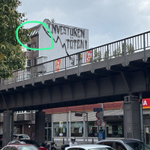
Hab diese kleine Dachgeschosswohnung am Kottbusser Tor ins Auge gefasst.
Lohnt sich hier ein Investment?


Berlin, Kottbusser Tor 2026. Unsere Stadt.
Seit 2008 gründen bzw. finanzieren wir Firmen in Berlin. Von A wie Amboss bis Z wie Zalando haben wir konservativ gerechnet +11.000 Berliner Jobs mit geschaffen. Weit über 1Mrd. Euro nur Einkommensteuer. Nicht Europaweit - HIER in Berlin.
Woher kommt dieser Hass? Wer sind diese Menschen? Es macht mich sprachlos.

2
138
52%..

Ich will das mit der Staatquote mal einmal ganz, ganz einfach erklären und die Brisanz aufzeigen (grob gerundet):
- Unser GDP ist circa 4000 Milliarden groß
- Unsere Staatsausgaben sind jetzt etwa 2100 Milliarden groß ( die aktuell kursierenden 52% vom GDP!)
- Unsere Staatseinnahmen, die zu den höchsten der Welt gehören, liegen auch ungefähr bei 2100 Milliarden (etwas drunter, wir haben ein Defizit…)
—> Leute, deswegen muss man sich doch einfach mal klarmachen, dass unsere Ausgabenseite das Problem ist. Nicht die Einnahmenseite (die wird allerdings auch bald Thema werden). Und wenn wir da nicht rangehen, werden wir unsere Probleme einfach nur vergrößern. Wer etwas anderes behauptet, lügt und trägt dazu bei, dass wir in der Schockstarre verharren und weiter absteigen.
24
Rage bait.
I am a Berliner and it doesn’t take so long if you know what you are doing.
We got a new internet contract last year and it took only 2 months with Vodafone. It only breaks down every 3 weeks or so and we are never longer than 20 hrs without internet.
Stop hating, start building.

Berlin is one of the worst places on earth to start a company. We've been trying for 4+ months to get any internet installed. Telekom just cancels. Everyone else has to use their infra, so they cancel too.
I will pay anyone, personally, €10k to get this fucking done for us.
2
1
174