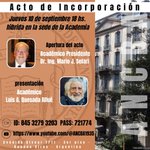
#CienciaArgentina "Estudiaremos el efecto de la proteína PRMT5, que regula desde el desarrollo en plantas hasta la proliferación celular en humanos. Así que entender mejor cómo actúa puede tener impacto en mejoramiento vegetal o salud humana". @mjyanovsky vía @agenciacyta
La fundación @pewtrusts otorgó uno de sus “Partnership Award” al jefe del Lab de Genómica Comparativa del Desarrollo Vegetal de la Fund Inst Leloir, Marcelo Yanovsky, y al dir del Lab de Neurobiología del Comportamiento del IBioBA, Esteban Beckwith. Leé +: shorturl.at/cxzy1
In 1933, a beautiful, young Austrian woman took off her clothes for a movie director. She ran through the woods, naked. She swam in a lake, naked. The most popular movie in 1933 was King Kong. But everyone in Hollywood was talking about that scandalous movie with the gorgeous, young Austrian woman.
Louis B. Mayer, of the giant studio MGM, said she was the most beautiful woman in the world. The film was banned practically everywhere, which of course made it even more popular and valuable. Mussolini reportedly refused to sell his copy at any price.
The star of the film, called "Ecstasy," was Hedwig Kiesler. She said the secret of her beauty was "to stand there and look stupid." In reality, Kiesler was anything but stupid.
At the time she made Ecstasy, Kiesler was married to one of the richest men in Austria. Friedrich Mandl was Austria's leading arms maker. His firm would become a key supplier to the Nazis. Mandl used his beautiful young wife as a showpiece at important business dinners with representatives of the Austrian, Italian, and German fascist forces. One of Mandl's favorite topics at these gatherings - which included meals with Hitler and Mussolini - was the technology surrounding radio-controlled missiles and torpedoes.
As a Jew, Kiesler hated the Nazis. She abhorred her husband's business ambitions. Mandl responded to his willful wife by imprisoning her in his castle, Schloss Schwarzenau. In 1937, she managed to escape. She drugged her maid, snuck out of the castle wearing the maid's clothes and sold her jewelry to finance a trip to London. (She got out just in time. In 1938, Germany annexed Austria. The Nazis seized Mandl's factory. He was half Jewish. Mandl fled to Brazil. (Later, he became an adviser to Argentina's iconic populist president, Juan Peron.)
In London, Kiesler arranged a meeting with Louis B. Mayer. She signed a long-term contract with him, becoming one of MGM's biggest stars. She appeared in more than 20 films. She was a co-star to Clark Gable, Judy Garland, and even Bob Hope. Each of her first seven MGM movies was a blockbuster. But Kiesler cared far more about fighting the Nazis than about making movies.
At the height of her fame, in 1942, she developed a new kind of communications system, optimized for sending coded messages that couldn't be "jammed." She was building a system that would allow torpedoes and guided bombs to always reach their targets. She was building a system to kill Nazis. By the 1940s, both the Nazis and the Allied forces were using the kind of single frequency radio-controlled technology Kiesler's ex-husband had been peddling.
Most of you won't recognize the name Kiesler. And no one would remember the name Hedy Markey. But it's a fair bet than anyone reading this post of a certain age, will remember one of the great beauties of Hollywood's golden age - Hedy Lamarr. That's the name
🇮🇹 Un imán pakistaní en Italia pronunció un sermón afirmando que todo musulmán debería luchar contra los infieles o enfrentar "consecuencias catastróficas".
Al día siguiente, la primera ministra italiana, Giorgia Meloni, solicitó personalmente su expulsión.
¡Llevaba 30 años viviendo en Italia y era residente permanente!
Solo este año, han muerto más cristianos a manos de musulmanes en Nigeria que habitantes de Gaza en tres años de guerra.
Ni un solo musulmán ni activista propalestino ha protestado, tal como sí lo hacen por Gaza. Qué curioso.
Галактика должна кишить жизнью. Миллиарды звёзд, миллиарды планет, миллиарды лет. Даже если цивилизации летят со скоростью в десятки раз медленнее света, одна из них могла бы заселить всю Галактику за несколько миллионов лет. А мы смотрим в небо — и слышим тишину.
Это и есть парадокс Ферми. Вопрос не «есть ли кто-то», а «почему их не видно, если они должны быть».
Ответов много, и почти каждый из них по-своему неудобен.
Великий фильтр.
На пути от мёртвой химии до цивилизации, которая выходит к звёздам, есть хотя бы один шаг, который почти никто не проходит. Возможно, жизнь возникает крайне редко. Возможно, сложные клетки — редчайшая случайность. Возможно, разум почти никогда не появляется. Или фильтр ещё впереди: цивилизации стабильно уничтожают себя ядерным оружием, климатом, биооружием или собственным искусственным интеллектом, не успев стать заметными. Если фильтр позади нас — мы редкие, но относительно в безопасности. Если впереди — мы обычные, и шансы невелики.
Редкая Земля.
Простая жизнь может быть обычным делом. А вот сложная, многоклеточная, разумная и технологическая — требует длинной цепочки крайне маловероятных условий: правильная орбита, Луна нужного размера, Юпитер как щит, тектоника плит, стабильный климат на сотни миллионов лет и ещё десяток факторов. Мы просто выиграли лотерею, которую почти никто больше не выигрывает.
Тёмный лес.
Галактика полна жизни, но все молчат не случайно. Любая цивилизация, которая кричит о себе в космос, рискует привлечь кого-то, кто сильнее и безжалостнее. Молчание — стратегия выживания. Мы только недавно начали светить радиоволнами и ещё не поняли, насколько это может быть опасно.
Зоопарк.
Более развитые цивилизации знают о нас, но сознательно не вмешиваются. Мы для них — заповедник или эксперимент. Они наблюдают, как мы развиваемся сами, и не вмешиваются, пока мы не достигнем определённого уровня.
Даже если цивилизации есть, они либо ещё не успели до нас добраться, либо уже давно ушли в другие формы существования — в виртуальные миры, в сон, в то, что мы не умеем замечать. Или они просто не считают нас интересными. Есть версия «радикальной обыденности»: другие цивилизации существуют, но они не боги, а примерно такие же, как мы, только чуть дальше. Никаких сфер Дайсона и галактических империй.
Сигналы могут быть узконаправленными, короткими, в других диапазонах или вообще не электромагнитными. Мы слушаем небо всего несколько десятилетий — мгновение по космическим меркам.
Учёные на данный момент не сходятся в одной версии. Многие считают, что парадокс частично «растворяется», если честно учитывать огромные неопределённости в уравнении Дрейка: вероятность того, что мы одни в Галактике, может быть не такой уж маленькой. Другие продолжают искать биосигнатуры в атмосферах экзопланет и техносигнатуры — и пока находят только тишину. Это уже не отсутствие данных, а данные.
Либо жизнь и разум — редчайшее чудо, и мы почти уникальны. Либо разумные цивилизации в большинстве своём недолговечны. Либо Вселенная полна тех, кто сознательно молчит. В любом случае тишина — не нейтральный фон. Это информация о том, как устроена жизнь, разум и выживание на масштабах Галактики.
И пока мы не узнаем, где именно находится Великий фильтр, каждый наш следующий шаг имеет вес больший, чем кажется.
El error es pensar solo en una pequeña rama biologica como somos nosotros.Seguro q hay muchisimos planetas con diferentes tipos d vida.Pero animales biologicanente exitosos solo raramente alcanzarían formas d comunicarse muy complejas.Elefantes, pulpos,etc muy intelig. Pero...
Галактика должна кишить жизнью. Миллиарды звёзд, миллиарды планет, миллиарды лет. Даже если цивилизации летят со скоростью в десятки раз медленнее света, одна из них могла бы заселить всю Галактику за несколько миллионов лет. А мы смотрим в небо — и слышим тишину.
Это и есть парадокс Ферми. Вопрос не «есть ли кто-то», а «почему их не видно, если они должны быть».
Ответов много, и почти каждый из них по-своему неудобен.
Великий фильтр.
На пути от мёртвой химии до цивилизации, которая выходит к звёздам, есть хотя бы один шаг, который почти никто не проходит. Возможно, жизнь возникает крайне редко. Возможно, сложные клетки — редчайшая случайность. Возможно, разум почти никогда не появляется. Или фильтр ещё впереди: цивилизации стабильно уничтожают себя ядерным оружием, климатом, биооружием или собственным искусственным интеллектом, не успев стать заметными. Если фильтр позади нас — мы редкие, но относительно в безопасности. Если впереди — мы обычные, и шансы невелики.
Редкая Земля.
Простая жизнь может быть обычным делом. А вот сложная, многоклеточная, разумная и технологическая — требует длинной цепочки крайне маловероятных условий: правильная орбита, Луна нужного размера, Юпитер как щит, тектоника плит, стабильный климат на сотни миллионов лет и ещё десяток факторов. Мы просто выиграли лотерею, которую почти никто больше не выигрывает.
Тёмный лес.
Галактика полна жизни, но все молчат не случайно. Любая цивилизация, которая кричит о себе в космос, рискует привлечь кого-то, кто сильнее и безжалостнее. Молчание — стратегия выживания. Мы только недавно начали светить радиоволнами и ещё не поняли, насколько это может быть опасно.
Зоопарк.
Более развитые цивилизации знают о нас, но сознательно не вмешиваются. Мы для них — заповедник или эксперимент. Они наблюдают, как мы развиваемся сами, и не вмешиваются, пока мы не достигнем определённого уровня.
Даже если цивилизации есть, они либо ещё не успели до нас добраться, либо уже давно ушли в другие формы существования — в виртуальные миры, в сон, в то, что мы не умеем замечать. Или они просто не считают нас интересными. Есть версия «радикальной обыденности»: другие цивилизации существуют, но они не боги, а примерно такие же, как мы, только чуть дальше. Никаких сфер Дайсона и галактических империй.
Сигналы могут быть узконаправленными, короткими, в других диапазонах или вообще не электромагнитными. Мы слушаем небо всего несколько десятилетий — мгновение по космическим меркам.
Учёные на данный момент не сходятся в одной версии. Многие считают, что парадокс частично «растворяется», если честно учитывать огромные неопределённости в уравнении Дрейка: вероятность того, что мы одни в Галактике, может быть не такой уж маленькой. Другие продолжают искать биосигнатуры в атмосферах экзопланет и техносигнатуры — и пока находят только тишину. Это уже не отсутствие данных, а данные.
Либо жизнь и разум — редчайшее чудо, и мы почти уникальны. Либо разумные цивилизации в большинстве своём недолговечны. Либо Вселенная полна тех, кто сознательно молчит. В любом случае тишина — не нейтральный фон. Это информация о том, как устроена жизнь, разум и выживание на масштабах Галактики.
И пока мы не узнаем, где именно находится Великий фильтр, каждый наш следующий шаг имеет вес больший, чем кажется.
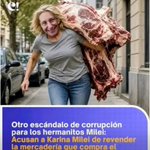
Apenas un día hábil después del sobreseimiento del presidente Javier Milei, su hermana Karina Milei y los otros nueve acusados en el caso $LIBRA, uno de los inversores perjudicados por el lanzamiento y colapso del criptoactivo apeló la decisión judicial, pidió que se revoque y que continúe la investigación, con duros cuestionamientos al juez y al fiscal a cargo de la pesquisa.
lanacion.com.ar/politica/cas…
🚨 A tiny injection could one day help cushion a damaged spine.
Imagine a special gel injected directly into a worn-out spinal disc, designed to act like a soft cushion inside your back. It sounds almost like science fiction, but researchers are exploring this technology to help people with degenerative disc disease.
As we age, the discs between our spinal bones can lose water and become thinner. They may no longer absorb pressure as effectively, potentially contributing to chronic back pain.
Now comes the fascinating part. Scientists have developed an injectable hydrogel called NPgel. In laboratory experiments using human spinal disc tissue, the gel increased disc height and improved its ability to handle mechanical pressure. Researchers also observed signs of improved tissue activity.
But there is a catch. These results came from laboratory testing of human disc tissue, not proof that the treatment can repair spinal discs inside living patients. Much more research is needed to establish its safety and effectiveness in people.
Could a tiny injection one day help restore the cushioning between our spinal bones? The science is promising, but this potential treatment is not yet a proven cure.
Source:
Cherif, H., Li, L., Snuggs, J., Li, X., Sammon, C., Li, J., Beckman, L., Haglund, L., & Le Maitre, C. L. Injectable hydrogel induces regeneration of naturally degenerate human intervertebral discs in a loaded organ culture model. Acta Biomaterialia, 176, 201–220
ALT A tiny injection could one day help cushion a damaged spine.
Imagine a special gel injected directly into a worn-out spinal disc, designed to act like a soft cushion inside your back. It sounds almost like science fiction, but researchers are exploring this technology to help people with degenerative disc disease.
As we age, the discs between our spinal bones can lose water and become thinner. They may no longer absorb pressure as effectively, potentially contributing to chronic back pain.
Now comes the fascinating part. Scientists have developed an injectable hydrogel called NPgel. In laboratory experiments using human spinal disc tissue, the gel increased disc height and improved its ability to handle mechanical pressure. Researchers also observed signs of improved tissue activity.
Los dos máximos artistas argentinos, entre los mejores creadores del siglo XX, eran de derecha y furiosamente antiperonistas, pero andá a explicárselo a @malepichot, que se las sabe todas.
Los dos máximos artistas argentinos, entre los mejores creadores del siglo XX, eran de derecha y furiosamente antiperonistas, pero andá a explicárselo a @malepichot, que se las sabe todas.
Notebook of Leonardo da Vinci, The Codex Arundel 📑
A collection of papers written in Italian by Leonardo da Vinci (b. 1452, d. 1519), in his characteristic left-handed mirror-writing (reading from right to left), including diagrams, drawings and brief texts, covering a broad range of topics in science and art, as well as personal notes. It's available online for free at the British Library online portal.
Finland just pushed electricity through open air. No cable. First ever nation to achieve this.
Researchers at the University of Helsinki and the University of Oulu fired high-intensity ultrasonic waves to carve an invisible channel through the air, then guided a spark down it.
Lasers handle the rest. Power-by-light beams energy to receivers where you really don't want a conductor: nuclear plants, high-voltage stations.
Radio-frequency harvesting pulls microwatts from ambient waves, enough to retire millions of disposable sensor batteries.
El 11 de marzo de 1944, los bomberos acudieron al número 21 de la rue Le Sueur, cerca del Arco del Triunfo en París, porque de la chimenea del hotel particular salía humo espeso y un olor insoportable.
Al entrar encontraron restos humanos en una caldera del sótano, una fosa con cal viva en el patio y decenas de maletas (alrededor de 72), ropa y objetos personales de personas desaparecidas. Los restos correspondían a al menos una decena de cuerpos, y las investigaciones posteriores identificaron material suficiente para unas 27 víctimas.
El propietario era el médico Marcel Petiot (nacido el 17 de enero de 1897). Bajo el alias de “doctor Eugène”, se presentaba como integrante de la resistencia capaz de organizar una ruta clandestina hacia Sudamérica, generalmente Argentina vía Portugal. Cobraba unos 25.000 francos por persona.
Exigía que los clientes —principalmente judíos perseguidos, buscados por la policía o fugitivos— acudieran de noche con dinero, joyas y sus pertenencias más valiosas.
Les decía que las autoridades argentinas exigían vacunas previas y les inyectaba cianuro. Luego se quedaba con todo y destruía los cuerpos por incineración o cal viva.
En la ciudad ocupada, donde miles de personas desaparecían por detenciones o deportaciones, muchas de estas ausencias no generaron búsquedas inmediatas.
La Gestapo sospechó de una red de evasión vinculada a la resistencia.
En 1943 usó al judío detenido Yvan Dreyfus como señuelo; Dreyfus contactó la red y desapareció. Petiot fue detenido temporalmente por los alemanes, pero recuperó la libertad. Tras el hallazgo de marzo de 1944 huyó, se ocultó bajo identidades falsas y se incorporó a las Fuerzas Francesas del Interior (FFI) como “capitán Valéry”. La policía francesa lo arrestó el 31 de octubre de 1944.
Su juicio comenzó el 18 de marzo de 1946. Petiot sostuvo que había ejecutado a espías alemanes y colaboradores como misión patriótica y se atribuyó 63 muertes.
La investigación identificó entre las víctimas a personas que buscaban escapar de la persecución y habían pagado por desaparecer. El 4 de abril de 1946 fue condenado a muerte por el asesinato premeditado de 24 personas (de las 27 retenidas en la acusación principal).
El 25 de mayo de 1946, a los 49 años, fue ejecutado en la guillotina en la prisión de La Santé. Nunca se estableció con certeza el número total de víctimas (se sospecha que pudo superar las 60) ni se recuperó todo lo robado.
Décadas después, en 1980, John Grombach, antiguo responsable de la organización estadounidense de inteligencia conocida como The Pond (red clandestina creada en 1942 dentro de la inteligencia militar, independiente de la OSS), publicó The Great Liquidator. Afirmó que Petiot había suministrado información durante la guerra a través de intermediarios, usando contactos con pacientes, refugiados y oficiales alemanes. Le atribuyó informes sobre agentes de la Abwehr enviados a Estados Unidos, la masacre de Katyn y el desarrollo de misiles en Peenemünde.
En 2004, el historiador Mark Stout publicó en Studies in Intelligence (revista vinculada a la CIA) los resultados de su investigación sobre los archivos de The Pond. Confirmó que Petiot figuraba entre las fuentes mencionadas por Grombach y que existía al menos un cable sobre su detención por los alemanes. Sin embargo, muchas de las operaciones detalladas por Grombach procedían de sus memorias y carecían de corroboración independiente. No se demostró que Petiot trabajara formalmente como agente contratado ni que sus asesinatos estuvieran relacionados con operaciones de inteligencia.
Las fotografías del juicio muestran a Petiot ante los jueces, con las maletas de las víctimas apiladas como pruebas: pertenencias preparadas para un viaje hacia la libertad que nunca comenzó
This scientist discovered that an ancient virus infected chimpanzee ancestors 4 MILLION years ago but spared humans, leaving behind DNA that switched OFF a gene involved in chimpanzee brain development!
Here's the really crazy part. When researchers removed that ancient viral DNA from chimpanzee cells, the silenced gene switched BACK ON!
Neurogeneticist Patricia Gerdes and her team identified 158 ancient viral insertions scattered across the chimpanzee genome, but humans lack these particular insertions.
The virus, called PTERV1, inserted its DNA into chimpanzee ancestors millions of years ago. One of those insertions appears to have silenced a gene called LINC00662, which is active during early human brain development.
Scientists used CRISPR to remove that viral DNA from chimpanzee stem cells in the laboratory, restoring the gene's activity.
But here's another fascinating discovery. The same gene is especially active in developing human brains around 10 to 12 weeks after conception.
When scientists suppressed this gene in miniature human brain models grown in the lab, they found reduced development of the extensions that help neurons form connections.
Humans have the same gene, but we don't carry the viral insertion that switches it off.
Could an ancient viral infection that our ancestors escaped have helped shape why human and chimpanzee brains evolved so differently?
Oyarbide sobreseyó a los Kirchner por enriquecimiento ilícito. Ahora sobreseen a Milei por Libra, con pruebas pendientes y las querellas apartadas, sin poder apelar. Cambian los gobiernos, sigue la justicia de rodillas ante el poder.
🇫🇷 ESCÁNDALO EN FRANCIA: Allan Brunon, dirigente de extrema izquierda de La Francia Insumisa, fue filmado posando junto a manifestantes encapuchados y banderas palestinas en Grenoble. Poco después, esos mismos encapuchados participaron en el saqueo de una sucursal bancaria de Crédit Agricole.