





今、ユーザーとしてショップが大事にされたらと思うこと。
色んな相場情報流れてくるんだけど
上がった分は下がる
下がったらまた上がる
シンプルにこれだけ。
株ポケはかなり優秀だから
価格が下がるのは株ポケの努力の賜物。
顧客の足元ばかり見て目先利益追い続け、結果的にカードの価値というより、カード売買の信頼を崩壊させたなんちゃってショップは自然淘汰される。
堅実に積み重ね工夫を凝らしたショップは
残る。
人の反応や流動性は以前より瞬間的に激しくなってきているから、どちらにも振り切りやすい。ネガティブな情報のほうが浸透しやすい。
今、ユーザーとしてショップが大事にされたら良いと思うこと。売買が安心して、流動的にカードが回転すること。そのためにもカードの背景や、イラストレーターへのリスペクト、株ポケの歴史を伝え深みを付加することがひとつじゃないかなと思います。ただ売るだけなら個人でもできますから。株ポケが最高の土台を築いてくださっているなかで商売スタートできるなんてハッピーしかない。当時からの本物のコレクター召喚して、カードの魅力を伝える企画をしてみるとか、昔のグッズに触れる親子企画をしてみるとか、海外相場を悲観する前に日本のコンテンツを、まだまだ最高な形で魅力発信できる余地はあるように思います。

13
545


Help❣️

Mystery Non-Glossy Pokémon Cards: Were They Pre-Release Samples?
I’ve been investigating a mysterious group of Japanese vintage Pokémon cards featuring a matte (non-glossy) finish.
So far, I’ve identified examples of 9 different Pokémon:
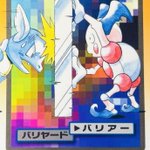
Rattata, Charmander, Machop, Zapdos, Aerodactyl, Chansey, Lickitung, Golduck, and Mr. Mime.
All of them retain their rarity symbols.
My current theory:
Could these cards be pre-production samples that were distributed to people involved in the manufacturing process before the official release of the Japanese Vending Series?
Perhaps some of these samples were taken home by employees or shared with family and friends, eventually finding their way into collectors’ hands.
This possibility became particularly interesting after receiving information from a collector who has researched these cards for many years.
They suggested that Media Factory handled manufacturing and distribution at the time, and that sample cards were produced before the final official cards.
According to their theory, some of these samples may have entered circulation through people involved in production.
I’ve also discovered something interesting about the printing.
Comparisons of the Japanese Pokémon name fonts on Lickitung and Aerodactyl revealed two distinct patterns.
The Mystery Variations match the font pattern found on releases outside the Vending Series, rather than the tighter lettering seen on the Vending cards.
This makes a simple Vending Series printing error a less convincing explanation.
However, we still don’t have enough evidence to establish when these cards were produced or how they were distributed.
This is where I need your help.
I’m particularly looking for:
Former Media Factory employees or people involved in Pokémon card production.
Collectors who acquired these cards directly from people involved in production.
Original documents, photographs, or records relating to pre-production samples.
Anyone who knows how these unusual cards first entered circulation.
I’m not trying to establish a theory without evidence. I want to find something that can actually support or disprove it.
If you have any information, photographs, or personal stories, please contact me via reply or DM.
Even a small clue could help solve one of the mysteries of vintage Japanese Pokémon cards.


10
551


