

Director Digestive Diseases Centre, Dr Khuroo's Clinic Srinagar. Former Director, Prof. & Head Gastroenterology & Chairman Medicine SKIMS, Soura Srinagar.
Srinagar J&K India
Joined December 2012
- Tweets672
- Following909
- Followers2.7K
- Likes28




Exploring ‘Le Corbusier City of Roses’.
The Rock Garden of Chandigarh.
A garden of over 5000 sculptures made from recycled industrial and household waste; crafted by a former road inspector, Nek Chand, in 1957; officially opened to the public on January 24, 1976; area 40 acres; the garden is divided into three distinct phases namely phase1: recycled industrial and household waste; phase 2: made of water falls and pools; phase 3: large swings, doll museum and amphitheatre; the garden unveils a unique collection of sculptures and a colourful mosaic of art pieces redefine the boundaries of creativity.

5
278
PGI Alumni Award 2026.
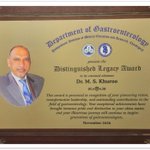
I was honored to receive the Distinguished Legacy Award from my alma mater, PGI Chandigarh, at the PGI Alumni Ceremony 2026 on 14th November 2026 at Hotel Lalit, Chandigarh. The Award reads as:
Department of Gastroenterology
Postgraduate Institute of Medical Education and Research, Chandigarh
Presents the
Distinguished Legacy Award
To its esteemed Alumnus
Dr. M. S. Khuroo
This award is presented in recognition of your pioneering vision, transformative leadership, and outstanding contributions to the field of Gastroenterology. Your exceptional achievements have brought immense pride and distinction to your alma mater, and your illustrious journey will continue to inspire generations of gastroenterologists.
November 2026

Shri Maharaja Hari Singh Hospital (SMHS Hospital): A place of learning.
Linked to the great Austrian philanthropist C.M. Hadow, S.M.H.S. has been a beacon of healing and hope for the Kashmiri community for decades. It was nostalgic to learn and practice clinical medicine alongside the legends of that era. As a budding physician, I observed Kashmir as a wormy world ravaged by several catastrophes. Peptic ulcer bleeding and perforation topped the list among those. Other conditions which struck this inbred population were valvular heart disease, chronic obstructive lung disease and cerebrovascular accidents, especially subarachnoid hemorrhage. Freezing long winter temperatures in poorly heated houses increased the risk of most of these ailments. In addition, I saw the young men struck by devastating esophageal cancers, and most of them were desperate to get a food bolus down their gullet. I worked tirelessly on several projects during that period to address some of these problems faced by the community; however, for several reasons, it was not possible to find an answer to such burning questions. So, to my dismay, I resigned from this system and joined PGI to further pursue knowledge and to harden my clinical skills.
[(British Kashmiri Medical Association (BKMA) Lecture. Speaker: Prof. Mohammad Sultan Khuroo. My journey to explore the unknown. 19th September 2026. 14:00-14:25 PM. 4th Annual Conference, BKMA UK. Leicester Marriott Hotel. Grove Park, Smith Way, Leicester. LE19 1SW. Delivered virtually].


A Father’s wish.
I graduated from Medical College Srinagar, Kashmir, India, with a brilliant academic record, earning a gold medal as “Best Outgoing Student” (1962-1967) and nine other awards for distinctions and first positions in most basic and clinical subjects. I had every chance to move to the West. However, based on this historical my father’s wish depicted in this slide, I stayed back on a full-time job at a monthly salary of 300 per month to serve my society on small payments and lived a life of austerity. I engaged in short stints of private practice and used substantial returns from it for research activities and protocols, including the discovery of hepatitis E. [(British Kashmiri Medical Association (BKMA) Lecture. Speaker: Prof. Mohammad Sultan Khuroo. My journey to explore the unknown. 19th September 2026. 14:00-14:25 PM. 4th Annual Conference, BKMA UK. Leicester Marriott Hotel. Grove Park, Smith Way, Leicester. LE19 1SW. Delivered virtually].

24
1,328
GMC, I know.
Based on merit, I joined Medical College Srinagar, an institution of great teaching and learning in basic and clinical sciences, ethics, and empathy. I graduated as the Best outgoing student with a Gold Medal, seven silver medals, and two bronze medals. [(British Kashmiri Medical Association (BKMA) Lecture. Speaker: Prof. Mohammad Sultan Khuroo. My journey to explore the unknown. 19th September 2026. 14:00-14:25 PM. 4th Annual Conference, BKMA UK. Leicester Marriott Hotel. Grove Park, Smith Way, Leicester. LE19 1SW. Delivered virtually].

14
1,866
Sopore: My Birthplace.
Every journey has a starting point, and mine began in the historic apple town of Sopore, known to many as the Chota London of Kashmir. I was born into a home of scholars of Persian and Arabic, who dedicated their later years to social work. Within the walls of our heritage home, which served as a sanctuary of education and knowledge, I was given the Persian pet name 'Gul ’, meaning a rose. The love, wisdom, and guidance I received throughout my career taught me to strive for excellence and integrity. I credit my success entirely to those foundational efforts (British Kashmiri Medical Association (BKMA) Lecture. Speaker: Prof. Mohammad Sultan Khuroo. My journey to explore the unknown. 19th September 2026. 14:00-14:25 PM. 4th Annual Conference, BKMA UK. Leicester Marriott Hotel. Grove Park, Smith Way, Leicester. LE19 1SW. Delivered virtually).

8
492
Dept. of Medicine, Medical College, Srinagar: My Alma Mater!
I learned from the media that the Department of General Medicine, Government Medical College (GMC), Srinagar, is hosting KASHMEDCON 2026 [Kashmir Medicine Conference] from October 14 to October 15, 2026, at the Sher-i-Kashmir International Conference Centre (SKICC), Srinagar. The theme of the conference is “Advancing Internal Medicine: From Evidence to Excellence in Clinical Practice”.
Dept of Medicine, Medical College Srinagar, has been my alma mater. It was here that I learned and practiced clinical medicine alongside the legends of that era. Under ingenious, innovative protocols in difficult circumstances, I published five seminal papers on Epidemic non-A, non-B hepatitis from this department, which evolved into the discovery of hepatitis E virus. These publications under my name from the Dept. of Medicine, Medical College Srinagar have accrued 2175 citations, raising the status of the Dept. in the national and international arena. Over the years, I have delivered invited talks and orations at numerous national and international forums.
It was a matter of satisfaction for me to learn that the Dept. of Medicine, Medical College Srinagar is hosting this important scientific event. I wish the conference success and good luck to the organizers.
My publications from the Dept. of Medicine, Medical College Srinagar (1978-1982 are as listed:
1. Khuroo MS. Study of an epidemic of non-A, non-B hepatitis. Possibility of another human hepatitis virus distinct from post-transfusion non-A, non-B type. Am J Med. 1980;68(6):818-24. Dept. of Medicine, Medical College, Srinagar. JIF, h-index, citations: 6, 272, 1038. [This paper established the existence of a new disease, which evolved into the discovery of hepatitis E virus. The paper is included in the history of medicine as a classic paper in Viral Hepatitis.
2. Khuroo et al. Incidence and severity of viral hepatitis in pregnancy. Am J Med. 1981; 70:252-255. Dept. of Medicine, Medical College, Srinagar. JIF, h-index, citations: 6, 272, 754.
3. Khuroo et al. Failure to detect chronic liver disease after epidemic non-A, non-B hepatitis. Lancet 1980; ii(8185):97-98. Dept Medicine, Medical College, Srinagar. JIF, h-index, citations: 109, 982, 98.
4. Khuroo MS. Chronic liver disease after non-A, non-B hepatitis. Lancet 1980; ii (8199):860-861. Medical Unit II, Dept. of Medicine, Medical College, Srinagar. JIF, h-index, citations: 109, 982, 33.
5. Khuroo, et al. Acute sporadic non-A, non-B hepatitis in India. Am J Epidemiol 1983;118(3):360-364. Work done at Dept. of Medicine, Medical College, Srinagar. JIF, h-index, citations: 4.1, 306, 223.
6. In addition, I published four papers related to gastric secretory pattern & upper GI bleed in Kashmir, etc. (JAPI 1975;23(5),321-325 & 1975;25(9),623-625 & 1977;25(9),623-625; JIMA 1974;63(6):185-187. Dept. of Medicine, Medical College Srinagar. JIF, h-index, citations: 0.58, 71, 29.
Total citations accrued from my publications from the Dept. of Medicine, Medical College Srinagar: 2175.

Abhi Bee Humara Nam hai ess fasanay main
ابھی بھی ہمارا نام ہے اس فسانے میں
World's Top 2% Scientists saga hits us as researchers every late September or early October. 2026 World Top 2% Scientists list was released on October 7, 2026. So, the buzz. Those who are included highlight their achievement and boost their success in research. Many dropouts are dismayed. The bulk of those not included mock the very idea and its significance. Whatever the reality, I believe this phenomenon is going to stay for many years to come.
The "Top 2% Scientists" list is an annual global database of researchers created by a team at Stanford University (led by Professor John P.A. Ioannidis) in collaboration with Elsevier using data from the Scopus citation database.
It identifies the top 100,000 researchers globally by a composite citation score (c-score) and defines those who rank in the top 2% of their specific scientific sub-field. There are two main Categories, namely Single-year impact, which measures citation influence during a specific recent calendar year, and Career-long impact, which measures cumulative citation impact across a researcher's entire working career. It is not an award, but a data-driven bibliometric index. The list reflects visibility

11
688
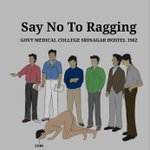
Say No to Ragging!!
Govt. Medical College Hostel (Hazuri Bagh, Lal Mandi, Srinagar) 1962
A ragging incident in one of the Medical Schools in J&K (Order No. 287 SKIMS/MC/Acad of 2026 dated October 1) is a matter of concern. We have come a long way to legally ban this ugly and cruel practice of welcoming our medical students on their day of starting a blessed career. Here is one incident why this practice should be and has been legally banned.
In June 1962, I joined GMC Srinagar and wanted to live in the GMC Hostel situated in Hazuri Bagh, Lal Mandi, Srinagar. I was informed of ugly and cruel incidents of ragging done by six senior students (2nd year), and so I took private accommodation in Kursu region, Rajbagh. One of my friends had no other option, was not concerned, and joined the Hostel. When the classes started, he did not turn up for classes for one week. I looked for him and could not find him around. After one week, I met him on the premises. I was shocked to see him haggard, pale, and unwell. He had a big wound on his forehead which was raw and oozing blood. His palms were injured due to bruises. I saw that his knees were bruised. When I asked him what happened, he broke down and wept bitterly and narrated the horrifying experience he had met.
Over these days, he was called in the evening every day by six seniors, stripped naked, and made to move a coin from one corner of the hall to another by his forehead (see the infographic image). While he performed this ugly and cruel act, they laughed and enjoyed his misery throughout the night. While doing so for nights, he felt prostrate and slept for days. Nobody came to his rescue. They pardoned him after one week and told him to continue serving them in the hostel, which he complied.
I believe ragging should be replaced by a dignified and respectable white coat ceremony, as is well done in the West. To allow an act of ragging in a medical school today is a breach of the practices of allowing our young doctors into this noble career.


Clinical Guidelines for Hepatitis E Vaccination in India: An Expert Panel Consensus Report on the Recombinant Hepatitis E Vaccine, HEV 239 mdpi.com/3996902 #mdpipathogens via @Pathogens_MDPI

Message: Former Faculty Medical Forum
It gives me immense pleasure and a deep sense of nostalgia to write this message for the souvenir being published by the Former Medical Faculty Forum, Kashmir. This publication is more than a commemorative volume; it reflects our shared journey, our collective memories, and our enduring commitment to the noble profession of medicine. It brings together colleagues who have devoted the prime years of their lives to the service of humanity, the education of countless medical students, and the advancement of healthcare in Jammu and Kashmir.
Medicine is not merely a profession; it is a calling that demands knowledge, compassion, humility, and unwavering dedication. Those of us who have had the privilege of serving as members of the faculty in our medical institutions have experienced the unique satisfaction of combining patient care with teaching and research. We have had the honor of guiding generations of young students into becoming competent, ethical, and compassionate physicians, and nothing is more gratifying than seeing our former students excel as leaders across the country and around the world.
As we look back over the decades, we recall a period marked by both challenges and achievements. While advances in medical science and technology—from artificial intelligence to digital health—have revolutionized the practice of medicine, they have also reinforced the timeless truth that technology can never replace empathy, ethical conduct, and the human touch. Despite numerous adversities, the healthcare landscape of Kashmir has evolved significantly, with new departments and specialized services expanding through the unwavering dedication of faculty members.
The Former Faculty Medical Forum Kashmir serves as a valuable platform for preserving this rich legacy. Retirement does not diminish one's commitment; rather, it provides an opportunity to contribute through mentorship, community service, and the sharing of wisdom acquired through years of experience. One of the greatest strengths of this forum lies in fostering fellowship and lifelong friendships, allowing us to reconnect and strengthen the bonds forged over years of shared work. It also provides an opportunity to celebrate our predecessors whose dedication laid the strong foundation upon which present-day medical education continues to flourish.
As senior members of the medical fraternity, we have a responsibility to encourage younger colleagues to uphold the highest standards of professionalism. Integrity, honesty, and a commitment to evidence-based practice must remain our guiding principles. The publication of this souvenir serves as a repository of these memories and achievements, preserving institutional memory and strengthening our professional identity.
I wish to acknowledge the tireless efforts of the office bearers and members who have worked diligently to strengthen this Forum. Beyond our professional accomplishments, we should always remember the larger purpose of medicine—the alleviation of human suffering. The gratitude of a recovered patient and the success of a former student are the true rewards of our profession, surpassing any award or recognition.
On a personal note, I feel deeply privileged to have shared this remarkable journey with so many distinguished colleagues. I congratulate the editorial team and all those associated with this publication. May this endeavor become a lasting tradition, strengthening our bonds and inspiring future generations to uphold the noble ideals of medicine.

3
436
Hepatitis E Vaccine, HEV 239: A consensus report.
Hepatitis E is our story. It has a global impact. The hepatitis E vaccine was conceived in 1999 and culminated in the highly effective product HEV 239 (Hecolin📷) in 2010. Since then, there have been remarkable human trials done, and the vaccine has proven safety, efficacy, and long-term protection. Its reach to India has been considerably delayed. Based on the results of a phase III trial, the vaccine received approval for use in India in August 2025. Welcome news. It was important to define a consensus on its role in India.
Through a delicate and painstaking process, we have completed a consensus report on the use of hepatitis E vaccine, HEV 239, in India. Based on an in-depth literature search (7195 articles), three rounds, and several revisions, a set of 18 statements (Section A: Vaccine safety and efficacy; Section B: Indications) was prepared. 33 senior, experienced, and highly accomplished practicing hepatologists working in 25 tertiary Medical Institutions from ten States in India gave their opinion on each statement for level of evidence; potential benefits and grades of recommendations under the dedicated GRADE system. We set 70% as the threshold for consensus.
The panel concluded that the vaccine is safe and highly effective, providing long-term protection. Based on the consensus, targeted vaccination was recommended for five high-risk scenarios/populations: outbreak-affected groups, hyperendemic pockets, women of childbearing age, patients with CLD, and solid organ transplant recipients. Limitations of the expert consensus report were highlighted, which included: Recent profound demographic and clinical transition of hepatitis E in India and reasons thereof; lack of WHO prequalification; lack of cost-effectiveness studies from India; logistic and financial constraints for widespread use; vaccine hesitancy among doctors, public, and Health administrators; predominance of clinical trials from China: total trials 20-China 11; Bangladesh 4; Sudan 2 (one ongoing); India 1; USA 1; Pakistan 1 (ongoing); safety concerns among pregnant women; lack of data on Children/adolescence, immunosuppressed, sick patients with CLD, etc. and Uncertainty about homologous and cross-genotype protection.
This consensus report provides a framework for deploying the HEV 239 (Hecolin📷) to mitigate disease burden in India while emphasizing the need for future real-world effectiveness and safety data from India.
REFERENCE:
Khuroo MS, Khuroo NS. Clinical Guidelines for Hepatitis E Vaccination in India: An Expert Panel Consensus Report on the Recombinant Hepatitis E Vaccine, HEV 239. Pathogens. 2026;15(8):783.
Website: mdpi.com/2076-0817/15/8/783
PDF Version: mdpi.com/2076-0817/15/8/783/…

Wonders of Clinical Medicine!
Moments of Hope, Hype and Happiness.
On a fateful day, a bride entered my busy clinic and wanted to speak to me. She stood in my consultation chamber, confronted me, and spoke, “Doctor sahib, I entered this clinic several years back when I had lost all hope to survive and live. You worked tirelessly for my well-being all these years, gave me hundreds of counseling sessions, and treated me with compassion. Over the years, I gradually recovered, gained confidence, and improved my health. I slowly developed the will to live and return to normalcy. A pending marriage proposal, once a distant dream, has become a reality, and the moment has arrived. Kindly accept the invitation to my marriage. It is my earnest wish that you attend my marriage ceremony.” I listened to her in silence. The whole clinic staff, patients, and their caregivers (attendants) were stunned.
On her marriage day, I drove hours to reach her home and attended the ceremony. She herself (in the bride's attire) served me the meal and sat beside me for over an hour while I was in her house.
A few months later, she again attended my clinic (this time with a proper appointment) and wanted treatment for emesis gravidarum (vomiting of pregnancy). An obstetric ultrasound revealed a sac with a fetus showing an actively beating heart.
We hope and pray for a successful pregnancy and the birth of a new soul. Ameen.

Salt Tea (Noon Chai) and Cancer Esophagus in the Kashmiri Population: Cause and Effect.
Dear Viewers: Let Science speak for itself.
The data that form the basis of these statements have been meticulously collected over decades. These are published in high-ranking International Journals and are heavily cited by the International medical fraternity. Each statement is followed by a supportive publication.
Disease Burden
The incidence of esophageal cancer in Kashmir is among the highest in the world. The age-standardized incidence rate (ASIR) in the valley is 43.6 per 100,000 per year for men and 27.9 per 100,000 for women. (1) The burden of esophageal cancer in Kashmir is 3 to 6 times higher than in other major Indian metropolitan areas and the West. However, the incidence in Kashmir is comparable to other regions within the Asian Cancer esophagus belt, such as the Caspian littoral of Iran and the Henan and Shanxi provinces of China. (1) We have evidence that healthy adults have a high occurrence of esophagitis, dysplasia, and carcinoma in situ, which finally culminates in cancer. The data generated show that extensive exposure to nitrates and aliphatic amines in food items is related to the occurrence of cancer in this population. (2, 3) In a meticulously conducted case-control study, five food items were associated with esophageal cancer. These include 1. Salt tea (>5 cups per day; OR 5.93), 2. Smoking (OR 4.75), 3. milk (<30 g/day; OR 1.92), 4. fats/oils (>30g/day; OR 1.92), and 5. fruits (<6 times/month; OR 2.40). (4)
The consumption of Salt Tea (Noon Chai) is considered a critical risk factor in the pathogenesis of esophageal cancer in Kashmir, a region with an exceptionally high incidence of the disease. (2, 5-7) Research indicates that the unique preparation and heavy consumption of this beverage contribute to a biological progression from chronic inflammation to malignancy. (8, 9)
Pathological Progression
The evolution of esophageal cancer in the Kashmiri population follows a well-defined pathological sequence that typically takes 20 to 30 years to culminate in frank cancer:
1. Chronic Esophagitis: A study of 107 healthy volunteers revealed that 75% of the adult population had histological evidence of chronic, non-reflux esophagitis. This inflammation is asymptomatic and results from continuous injury to the esophageal epithelium. (10)
2. Mucosal Changes: Continued irritation leads to more advanced changes, including acanthosis and atrophy.
3. Dysplasia: Approximately 10% of healthy volunteers showed signs of dysplasia, a precancerous state where tissues undergo abnormal changes. (10)
4. Carcinoma in Situ: This is the final stage before the development of invasive cancer, found in about 2% of the asymptomatic population studied. (5, 6, 10, 11)
The Role of Salt Tea (Noon Chai)
Noon Chai is the most popular beverage in Kashmir, with many individuals consuming up to 10 cups per day. A case-control study determined that consuming more than 5 cups per day carries an odds ratio of 6 for developing esophageal cancer. (1) The pathogenesis involves several chemical and physical factors:
• Endogenous Nitrosation: The preparation of Noon Chai involves brewing green tea leaves with sodium bicarbonate (soda) until a thick red-brown extract is formed, to which salt and milk are added. This process creates highly reactive precursors. (9)
• Caffeine-Derived Carcinogens: Pure caffeine, when treated under these specific tea-preparation conditions, forms caffeidine and caffeidine acid. Upon nitrosation (simulating gastric conditions), these form two potent N-nitroso compounds: mononitrosocaffeidine (an asymmetric nitrosamine) and dinitrosocaffeidine (an N-nitrosamide). Mononitrosocaffeidine has been specifically identified in typical Kashmiri salted tea.(12, 13)
• High Methylating Activity: Salted tea shows high methylating activity, equivalent to 3 p.p.m. N-methylnitrosourea, a known carcinogen.
• Exposure to Amines and Nitrates: Frequent consumption results in exceptionally high exposure to aliphatic amines such as methylamine (1200 µg/day) and ethylamine (14,320 µg/day), which can react endogenously to form carcinogenic nitrosamines. (13)
• Irritants and Thermal Injury: The tea is traditionally drunk boiling hot, potentially causing thermal injury to the esophagus. Furthermore, common salt (NaCl) is a known irritant to the gastric and esophageal epithelium and may enhance the effects of other carcinogens. (7)
Synergistic Factors
While salt tea is a primary factor, its impact is often compounded by other local habits. For example, smoking tobacco through a hubble-bubble (Jajeer) and a diet high in sun-dried vegetables (Hakh) and red chili cakes (Wur) also contribute to the high intake of nitrates and amines, further driving the progression from esophagitis to squamous cell carcinoma. (4, 14-18)
References
1. Khuroo MS, Zargar SA, Mahajan R, Banday MA. High incidence of oesophageal and gastric cancer in Kashmir in a population with special personal and dietary habits. Gut. 1992;33(1):11–5.
2. Tricker AR, Preussmann R. Carcinogenic N-nitrosamines in the diet: occurrence, formation, mechanisms and carcinogenic potential. Mutat Res. 1991;259(3-4):277–89.
3. Siddiqi M, Kumar R, Fazili Z, Spiegelhalder B, Preussmann R. Increased exposure to dietary amines and nitrate in a population at high risk of oesophageal and gastric cancer in Kashmir (India). Carcinogenesis. 1992;13(8):1331–5.
4. Thesis. “Diet and risk of cancer of the esophagus in Kashmir: a case-control study. A thesis was submitted to the Sher-i-Kashmir Institute of Medical Sciences, Srinagar, Kashmir, for the award of the MD (General Medicine) degree in the 1993 session.
5. Khuroo MS, Khuroo NS. Status report: Cancer of the esophagus in Kashmir. JK Practitioner. 2000;7(2):145–8.
6. Siddiqi M, Preussmann R. Esophageal cancer in Kashmir--an assessment. J Cancer Res Clin Oncol. 1989;115(2):111–7.
7. Khuroo MS. Esophageal Cancer in Kashmir: An overview. Greater Kashmir: A daily English Newspaper [Internet]. 2023. Available from: greaterkashmir.com/.../esoph… (greaterkashmir.com/.../esoph…).
8. Siddiqi M, Tricker AR, Preussmann R. Formation of N-nitroso compounds under simulated gastric conditions from Kashmir foodstuffs. Cancer Letters. 1988;39(3):259–65.
9. Siddiqi M, Tricker AR, Preussmann R. The occurrence of preformed N-nitroso compounds in food samples from a high-risk area of esophageal cancer in Kashmir, India. Cancer Letters. 1988;39(1):37–43.
10. Goswami KC, Khuroo MS, Zargar SA, Pathania AG. Chronic esophagitis in a population (Kashmir) with high prevalence of esophageal carcinoma. Ind J Cancer. 1987;24(4):232–41.
11. Thesis. Role of personal and dietary habits in the etiology of premalignant lesions and malignant tumors of the esophagus.” Thesis submitted to Sheri-Kashmir Institute of Medical Sciences, Srinagar, Kashmir, for the award of the degree MD (General Medicine) in the session 1992.
12. Kumar R, Mende P, Wacker CD, Spiegelhalder B, Preussmann R, Siddiqi M. Caffeine-derived N-nitroso compounds--I: Nitrosatable precursors from caffeine and their potential relevance in the etiology of oesophageal and gastric cancers in Kashmir, India. Carcinogenesis. 1992;13(11):2179–82.
13. Ivankovic S, Seibel J, Komitowski D, Spiegelhalder B, Preussmann R, Siddiqi M. Caffeine-derived N-nitroso compounds. V. Carcinogenicity of mononitrosocaffeidine and dinitrosocaffeidine in bd-ix rats. Carcinogenesis. 1998;19(5):933–7.
14. Tricker AR, Siddiqi M, Preussmann R. Occurrence of volatile N-nitrosamines in dried chilies. Cancer Lett. 1988;38(3):271–3.
15. Katiyar S, Hedau S, Jain N, Kar P, Khuroo MS, Mohanta J, et al. p53 gene mutation and human papillomavirus (HPV) infection in esophageal carcinoma from three different endemic geographic regions of India. Cancer Letters. 2005;218(1):69–79.
16. Kumar R, Mende P, Tricker AR, Siddiqi M, Preussmann R. N-Nitroso compounds and their precursors in Brassica oleracea. Cancer Letters. 1990;54(1):61–5.
17. Tricker AR, Kumar R, Siddiqi M, Khuroo MS, Preussmann R. Endogenous formation of N-nitrosamines from piperazine and their urinary excretion following antihelmintic treatment with piperazine citrate. Carcinogenesis. 1991;12(9):1595–9.
18. Siddiqi M, Tricker A, Kumar R, Fazili Z, Preussmann R. Dietary sources of N-nitrosamines in a high-risk area for oesophageal cancer--Kashmir, India. IARC scientific publications. 1991(105):210–3.
