







콩나물비빔밥 retweeted

The Cleveland Fed tracks inflation data in real-time.
One thing that stands out below is that November monthly CPI is tracking at 0.07 and PCE is tracking 0.17.
Both of these would be big drops and step in the right direction.
Nov CPI is released on 12/10.
PCE tomorrow is projected to come in hot at 3.81.

콩나물비빔밥 retweeted

🚦 VOLATILITY ALERT: 🇺🇸 U.S. ECONOMIC DATA AT 8:30 AM ET (7:00 PM IST)
📊CORE PCE PRICE INDEX
Previous: 0.3%
Forecast: 0.3%
📊PRELIM GDP DATA
Previous: 3.4%
Forecast: 3.5%
📈 IF PCE < 0.3% + GDP > 3.5% → BULLISH 🚀
⚪ IF BOTH MEET EXPECTATIONS → NEUTRAL
📉 IF PCE > 0.3% + GDP < 3.5% → BEARISH 🔻


콩나물비빔밥 retweeted

Yesterday’s rally may have looked impressive, with a huge number of stocks up 10%, 20%, even 30%. But when you put those moves into perspective, it’s clear the market still has work to do.
$QQQ recovered only a relatively small portion of its recent decline and remains below a declining 10-day moving average. Most of the AI/Tech names look similar - big percentage rallies, but still badly damaged charts in well-established downtrends.
Volume on both the Nasdaq and NYSE was below the previous day. Nvidia reinstating its founder appeared to be the catalyst that ignited the rally, but the market was already heavily oversold and poised for a bounce. One day and one man are not enough to change the trend.
So the question is whether the major indexes have established a low or yesterday was simply a sharp oversold rally within an ongoing correction. Historically, some of the biggest rallies occur during bear markets.
Even if the major indexes fail to reach bear market correction percentage declines, a bear market in tech has already occurred. There are far too many stocks down 50-80%, to dismiss the declines as healthy pullbacks.
What happens from here is what matters. We need to see follow-through buying, broader participation and improving breadth. More importantly, before getting aggressive, I want to see quality stocks setting up and breaking out of sound bases - not simply broken leaders bouncing back into well-established downtrends.
Interest rates remain an obstacle. Minutes from the Fed’s October meeting showed that policymakers remain concerned about inflation and that additional tightening may still be necessary.
On the positive side, we’re entering what has historically been a favorable November-December period, and the months following midterm elections have also tended to be strong, particularly during the first half of the following year.
One could argue whether those historical tailwinds will be strong enough to overcome a rising-rate environment. But I should also point out that we would never allow seasonality, cycle work - or the Fed, for that matter - to override what the market itself is actually telling us.
Those are all factors to consider, but in my world, price and volume, breadth, leadership and the action of individual stocks ultimately have the final say.
For now, the market still has to prove itself. minervini.com

콩나물비빔밥 retweeted

[나만 알고 있는 메모리 산업의 초특급 호재]
삼성전자, SK하이닉스의 주가가 떨어진다 -> 메모리 반도체 악재가 우르르 나온다.
삼성전자, SK하이닉스의 주가가 오른다 -> 메모리 반도체 호재가 우르르 나온다.
그리고 이젠 후자에 주목할 차례임.
최근 손정의 소프트뱅크 회장이 SK하이닉스 인수를 위해 약 1조 달러 규모의 자금 조달을 준비했던 것으로 알려졌음.
당연히 인수는 불가능하겠지만, AI 산업에서 메모리 반도체의 가치가 얼마나 높은지 알 수 있는 이벤트임.
소프트뱅크는 ARM을 보유하고 있기 때문에 AI 반도체를 설계할 수 있고,
SK하이닉스를 손에 넣게 될 경우 AI 반도체 + HBM 생태계를 갖춤과 동시에 반도체 설계와 생산이 가능해지니 시너지 효과가 아주 큼.
그래서 주가가 폭락한 김에 욕심이 생길 수밖에 없었을 것임🥹
내가 더 중요하게 보는 것은 메모리 반도체의 가치가 몇 단계 점프하고 있다는 점임.
최근에 나오는 리포트들을 보면 빅테크들과 기존 3~5년 LTA를 넘어 10년 이상, 최대 20년까지 구매를 보장하는 초장기 계약 이야기까지 나오는 것 같음.
이게 사실일 경우 메모리 반도체는 더이상 시크리컬이 아니라는 것을 보여주는 것이고,
이는 밸류에이션의 폭발을 의미함🔥
과거 메모리 반도체는 제조사가 막대한 설비투자를 부담하고,
공급 과잉이 발생하면 가격 하락에 따른 실적 악화를 혼자 떠안는 구조였음.
그런데 앞으로는 고객이 장기간 구매 계약을 체결함으로써 일정 가격 이상으로 안정적인 공급이 가능해지고,
투자 자금까지 지원받을 경우 메모리 반도체 제조사의 부담이 크게 작아지게 됨.
최근 메모리 반도체 기업들을 두고 지분 투자나 설비투자 지원 등의 얘기가 나오는데 이게 진짜라면 메모리 반도체 기업들의 밸류에이션은 지금의 2배가 되어도 이상하지 않음.
이렇게까지 메모리 반도체의 위상이 높아지는 데는 AI 산업의 구조적인 성장이 존재하기 때문인데,
특히나 AI가 스스로 진화하는 재귀적자기개선이 바로 앞까지 오고 있다는 것이 크리티컬함.
AI가 AI를 스스로 발전시키면 무한 순환 구조가 만들어지면서 HBM 등 메모리 반도체 수요가 폭증하는 구조임.
최근 주가가 폭락하면서 안 좋은 이슈들이 우르르 나왔는데,
반대로 주가가 폭등하면 좋은 이슈들이 우르르 나올 것임.
원래 주가가 이슈를 선행하는 것이 주식 시장임.
그래서 당장의 주가 움직임에 일희일비하지 말고,
올해 연말과 내년 여름 휴가를 보고 가자고 매일 매일 말한 것이고.
내가 보는 메모리 반도체는 퐁당퐁당이 너무 심해서 밸류를 줄 수 없는 시크리컬 산업에서 AI 시대의 핵심 인프라 산업으로 변모하고 있음.
그래서 나는,
메모리 반도체 밸류에이션의 구조적인 성장을 기다리고 있음.


협력사들을 개무시하고, 하인 대하듯 하는 것으로 유명한 애플이라서 더 놀랍다.
애플이 장기 계약을 체결하지 않고도 안정적인 수급을 받을 수 있는가? X
애플이 중국산 메모리 반도체를 받아서 단가 협상에 우위를 점했는가? X
자,
생각을 해보자.
시중에 메모리 반도체 100개가 있다고 쳐보자.
수요는 150개라고 쳐보자.
공급과 수요의 비율은 1 : 1.5다.
여기에 장기 계약(LTA)으로 50개가 계약됐다고 해보자.
시중의 메모리 반도체는 50개로 줄어들고, 수요도 100개로 줄어든다.
똑같이 50개씩 줄어들었다.
그런데 공급과 수요의 비중은 1 : 2가 된다.
시중의 메모리 반도체 가격은 그대로일까 더 비싸질까?
이걸 이번 애플과 삼성전자의 계약이 증명했다고 본다.
여전히 시중에 메모리 반도체 수급은 타이트하며,
LTA를 체결하지 않은 물량은 훨씬 더 비싸질 수 있다.
LTA를 체결하지 못한 업체는,
사업을 접거나
판매량을 줄여 점유율을 빼앗기거나
아주 비싼 가격에 메모리 반도체를 사야할 것이다.
이 글이 최대한 널리 퍼져서 진실이 멀리까지 닿기를


콩나물비빔밥 retweeted

메리츠증권은 최근 미국 클라우드서비기업(CSP) 등 빅테크들이 통상적인 3~5년 LTA가 아닌 '초장기 LTA'를 제안하기 시작했다고 전했다. 이러한 초장기 LTA는 10년이 넘는 계약을 기반으로 최대 20년까지의 구매약정을 요구하고 있으며, 관련해 산업 내 다양한 논의가 진행 중이라는 것이다.
김 연구원은 "메모리 업체들 입장에서는 단순한 구매확약만으로는 해당 물량 생산 확정에 거부감을 보이고 있다"며 "이는 언제나 생산능력(Capa) 확장에 따른 고정비 급증 부담이 오롯이 생산자 몫인데다가, 과거 사이클 급락의 트라우마가 남아있기 때문"이라고 설명했다.
아울러 "소프트뱅크 투자 제안처럼 메모리 업체 입장에서는 의사결정권이 섞이는 지분투자(Equity-financing)보다는 부채투자(Debt-financing)가 사업 위험성을 압도적으로 낮추기 때문"이라며 "최근 복수의 구매자들이 메모리 장기 조달을 모색하고 있는 상황에서 머지않아 단순한 구매 계약 외에 메모리 업체에게 유리한 사업 구조가 새롭게 도출될 것으로 예상된다"고 내다봤다.
hankyung.com/article/2026112…


콩나물비빔밥 retweeted

🚨 GLM 5.5 DROPPING NEXT WEEK.
And the numbers are actually ridiculous.
We’re talking about OVER 1 TRILLION PARAMETERS, a 1M token context window, open weights and a massive focus on autonomous coding agents.
The model was reportedly being developed to compete directly with Claude Fable 5.2 and Mythos.
And there’s still a LOT we don’t know about what Z.ai has been working on.
Google just released Gemini 4 Neon, OpenAI finally shipped Astra and Sol, and Kimi is already sitting at 46 on Artificial Analysis.
If GLM 5.5 actually delivers anything close to those rumored capabilities, we could be looking at one of the biggest open-weight releases of the year.

콩나물비빔밥 retweeted

Leopold, please answer your phone ☎️
Situational Awareness 2.0 failed before it started

콩나물비빔밥 retweeted

Qwen4 release prep is happening👀 !
I checked the repo's and pr mentioned and can confirm there are movements.
Qwen4 serving work is underway!
Below pr add evidence that ecosystem is getting ready for rest of Qwen4 models !
vllm-project/vllm-sail/pull/362
huggingface/trl/pull/8490
alibaba/rtp-llm/pull/1751
And since today is Friday, if release does not happen today then it's postponed to next week, assuming weekend release is not happening.


Qwen4-27B weights haven't been released yet, but Alibaba's engineering activity is getting hard to ignore.
Within just 7 minutes, major Qwen4-related changes landed across three repositories.
First, vLLM-Sail added 6,869 lines of code to bring Qwen4-Exp serving support to Alibaba's T-Head ZW-M890P chips, revealing more details about its MXFP4 indexer, DeepSelect and FP8 PLE components.
Minutes later, Alibaba's RTP-LLM added Qwen4 FP8 MoE and MTP-3 CUDA graph optimizations for Nvidia H20, while Hugging Face's TRL added AsyncGRPO support for Qwen4-Exp.
This is a pretty strong sign that the Qwen4 ecosystem is moving closer to release.
I'm especially curious about the model lineup. We could see multiple sizes, potentially 27B, 32B, 35B, 80B or even 128B. But none of those sizes are confirmed by these code changes yet.
Really looking forward to seeing what Alibaba releases.


콩나물비빔밥 retweeted
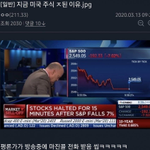
헷지펀드들 줄줄이 망하고
드러켄 밀러옹도 힘들다하고
미너비니가 숏포지션을 청산하고
마이클 버러지가 신나하며 나대는게
지금 시장상태를 잘 보여주는거 같으니
조금 여유를 가지고 지켜보자.
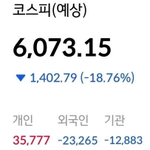
그래. 주식시장이라는게 사실 기업의 펀더멘탈도 중요하지만, 결국 '미래에 돈을 얼마나 버느냐'가 중요한것도 충분히 잘알겠어.
근데 시발 2년후에 돈을 못벌거같아..후엥..
이게말이되냐 시발ㅋㅋㅋㅋㅋㅋㅋㅋㅋㅋㅋㅋㅋㅋ
7
콩나물비빔밥 retweeted

AMD : 엔비디아 중국 논란 터져서 제가 대장 됐습니다
공매도: 근데 너도 중국이랑 엮였던데? ㅋㅋㅋㅋ
2026년 11월 19일 미국 반도체 업계 근황
엔비디아 : 형님들 저 중국 수출 문제 때문에 요즘 좀 힘듭니다
AMD : ㅋㅋㅋㅋㅋㅋㅋㅋㅋ
엔비디아 : 넌 왜 웃어?
AMD : 형님 덕분에 투자자들이 저한테 오고 있는데요?
엔비디아 : 아 ㅋㅋㅋㅋ 부럽네
AMD : 이제 AI 반도체 대안은 저죠
그때 갑자기 Hunterbrook 등장
헌터브룩 : 잠깐만요
AMD : 예?
헌터브룩 : 형님도 중국 블랙리스트 기업이랑 연결고리가 있는데요?
AMD : ???
헌터브룩 : IEIT Systems 아시죠?
AMD : 중국 서버업체잖아요
헌터브룩 : 2025년 3월 미국 수출 블랙리스트에 올랐습니다
AMD : 네
헌터브룩 : 근데 그 이후에도 AMD의 신규 펌웨어가 해당 업체 서버에서 발견됐는데요?
AMD : 예?
헌터브룩 : 최소 6개 버전입니다
AMD : ...
헌터브룩 : 가장 최근 업데이트는 2026년 10월 19일입니다
엔비디아 : ㅋㅋㅋㅋㅋㅋㅋㅋㅋㅋ
AMD : 형님은 좀 조용히 하세요
그 시각 중국 서버업체들
IEIT : 저희 말고도 업체가 좀 있는데요?
헌터브룩 : 알고 있습니다
Kaytus : 싱가포르에서 서버 판매 중입니다
Aivres : 저희는 미국 캘리포니아인데요?
Maginfra : 저는 중국입니다
헌터브룩 : 근데 왜 네 회사 펌웨어가 그렇게 비슷합니까?
서버업체들 : ...
헌터브룩 : IEIT가 설계한 서버가 다른 브랜드로 팔리고 있을 가능성을 제기합니다
AMD : 아니 펌웨어가 비슷하다고 제가 직접 공급했다는 증거는 아니잖아요?
헌터브룩 : 맞습니다. 그래서 공급 경로와 라이선스를 확인해야 한다는 겁니다
엔비디아 : 어우 어디서 많이 보던 상황인데 ㅋㅋㅋㅋ
그 시각 AMD 재무제표
헌터브룩 : 형님 2025년 중국·홍콩 고객 청구 매출 얼마죠?
AMD : 77억 5,100만 달러입니다
헌터브룩 : 전체 매출의 22.4%네요?
AMD : 네
헌터브룩 : 싱가포르는요?
AMD : 42억 8,400만 달러요
헌터브룩 : 12.4%네요?
AMD : 근데 청구지 기준이지 실제 최종 사용처가 전부 중국이라는 뜻은 아닙니다
헌터브룩 : 그건 맞죠
헌터브룩 : 근데 중국 Tongfu와 반도체 조립·테스트 합작사도 운영하시죠?
AMD : 네
헌터브룩 : Tongfu 측 지분 85%, AMD 지분 15% 맞죠?
AMD : 네
헌터브룩 : 합작사에 1억 달러도 빌려주셨고요?
AMD : ...
헌터브룩 : 중국 관련 사업 구조가 생각보다 깊네요?
엔비디아 : ㅋㅋㅋㅋㅋㅋㅋㅋㅋㅋ
AMD : 형님 진짜 조용히 좀 하시라고요
그런데 갑자기 헌터브룩이 한마디 함
헌터브룩 : 아 그리고 저희 AMD 숏 포지션 있습니다
AMD : 예?
헌터브룩 : 공매도 포지션 공개했습니다
AMD : 아니 형님 ㅋㅋㅋㅋㅋㅋㅋㅋ
AMD : 보고서 내기 전에 하락에 베팅하신 거예요?
헌터브룩 : 저희 이해관계는 공개했습니다
AMD : 형님은 분석 보고서를 쓰시는 겁니까, 제 주가와 결투하시는 겁니까?
헌터브룩 : 둘 다 할 수는 있죠
엔비디아 : ㅋㅋㅋㅋㅋㅋㅋㅋㅋㅋㅋㅋ
그 시각 미국 상무부
미국 : 참고로 2027년 1월 10일도 주목하세요
AMD : 왜요?
미국 : 블랙리스트 기업이 50% 이상 소유한 해외 법인까지 규제를 확대하는 규칙의 유예 종료일입니다
AMD : 아...
미국 : 연장되지 않으면 관련 거래 규제가 더 까다로워질 수 있습니다
AMD : 하...
엔비디아 : 야 너도 이제 내 마음 알겠냐?
AMD : 형님이랑 같은 마음 되고 싶지 않았는데요?
ㅋㅋㅋㅋㅋㅋㅋㅋㅋㅋ
결론
헌터브룩이 제기한 핵심은 AMD가 수출 규제 대상 중국 업체들과 여전히 기술·사업적 연결고리를 가지고 있는 것 아니냐는 의혹임
IEIT의 신규 AMD 펌웨어, 관계사들의 유사 서버 설계, 중국 합작사와 라이선스 수입까지 문제가 제기된 상황
다만 최신 펌웨어가 발견됐다는 사실만으로 AMD의 직접 공급이나 불법 수출이 입증된 것은 아님
더구나 보고서를 공개한 헌터브룩은 AMD 공매도 포지션을 보유하고 있기 때문에 주장과 증거를 구분해서 볼 필요가 있음
엔비디아 : 중국 문제 때문에 나한테서 도망갔다며?
AMD : 네
엔비디아 : 근데 넌 어디로 도망갈 건데?
AMD : ...
헌터브룩 : 일단 저희 보고서부터 읽어보시죠
AMD : 아니 이 형님은 숏을 치고 독후감까지 쓰라 그러네 ㅋㅋㅋㅋㅋㅋㅋㅋ
Hunterbrook의 조사 보고서 및 AMD 공식 공시를 바탕으로 구성한 풍자글. 관련 의혹은 법적 위반이 확정된 사안이 아니며, 매수·매도 권유가 아닙니두
콩나물비빔밥 retweeted
Finally some good news !!
About Qwen4 ofcourse !
Qwen dev's have been improving Qwen4 so much, thanks to RL that the version we are going to get is a vastly improved version, basically a version bumb or aka Qwen4.1.
This is really good, they know they can't release an inferior model, pressure is huge.
Now my hopes for Qwen4-27B is even higher !!
LFG !!!!
Only question is when, but they can take a bit more time if it means we get something that meets our expectations !


콩나물비빔밥 retweeted

[장문] 트럼프의 태평양 패권 선언, 알래스카 가스관, 그리고 대한민국의 운명
형들, 뉴스에서 트럼프가 ASEAN 정상회의(미국-아세안 특별정상회의, ASEAN-US Special Summit)에서 아시아 정상들 모아놓고 한 말 들었음?
"미국은 진정한 의미에서 태평양 국가입니다."
그러면서 뒤에 한마디 더 붙였는데 이게 진짜 핵심임.
"한국의 역사적인 투자 덕분에 우리가 방금 알래스카의 거대한 액화천연가스(LNG) 파이프라인을 승인했습니다."
뉴스 보는 일반인들은
"아, 또 트럼프가 ASEAN 정상회의 가서 립서비스하면서 한국한테 돈 내놓으라고 압박하네" 하고 넘길 텐데,
지정학적으로 판을 뜯어보면 이거 완전 21세기 판도가 바뀌는 거대한 그림임. 이 거대한 판의 내막을 처음부터 끝까지 싹 다 썰 풀어줌.
1. 원래부터 미국은 아시아의 '바닷길'을 쥐고 흔들던 패권국임
이걸 이해하려면 1945년 2차 세계대전 끝날 때로 잠깐 돌아가야 됨.
일본이 항복하면서 동아시아 힘의 균형이 완전히 박살 났잖아?
그때 미국이 일본 점령해서 재건시켜 주고, 한국 남쪽에 군정 깔고, 필리핀·괌·오키나와에 미군 기지를 쫙 박아 넣었음.
이게 그 유명한 한미동맹, 미일동맹의 시작임.
미국이 아시아에 직접 식민지를 세우진 않았지만, 영토보다 훨씬 사기적인 치트키를 손에 넣었음.
바로 '해상 교통로(바닷길)' 통제권임.
생각해 봐라. 한국이랑 일본이 중동에서 기름이랑 가스 사 오는 길, 중국이 공장 돌려서 만든 물건 전 세계로 수출하는 길, 동남아 무역선 다니는 길 전부 다 인도양이랑 태평양 잇는 바닷길로 다님.
그 뱃길을 미국 해군이 항공모함 띄워놓고 꽉 잡고 지켜준 거임.
전후 동아시아 경제 기적은 다 미국이 열어준 이 바닷길 위에서 일어났음.
근데 요즘 중국이 덩치 좀 커졌다고 이 판을 엎으려고 듦.지도 펴보면 중국 동쪽에 일본-오키나와-대만-필리핀으로 이어지는 섬 라인이 있는데, 군사 용어로 이걸 '제1도련선'이라고 부름.
중국이 태평양으로 뻗어 나가려면 미국이랑 동맹국들이 짠 이 방어선을 뚫어야 됨.
그래서 지금 미중 갈등은 단순히 관세 몇 퍼센트 더 붙이는 무역 싸움이 아님. "아시아 바닷길의 주인이 누구냐"를 두고 벌이는 피 터지는 패권 전쟁임.
2. 이제 미국은 군사·무역에 이어 '에너지'까지 쥐겠다고 선언함
여기에 트럼프가 미국-아세안 특별정상회의(ASEAN-US Special Summit) 무대에서 '알래스카 LNG 개발'이라는 카드를 꺼내 든 거임.
이게 뭐냐면, 알래스카 북쪽 얼음 땅에 묻혀 있는 어마어마한 천연가스를 남쪽 항구까지 파이프라인으로 끌어온 다음에, 액화시켜서 배에 싣고 태평양 동맹국들한테 팔겠다는 구상임.
한국이랑 일본은 전 세계에서 손꼽히는 LNG 대량 소비국임.
원래 한국·일본은 중동에서 가스를 사 오려면 말라카 해협 지나고, 중국이 자기네 앞바다라고 주장하는 남중국해를 거쳐서 와야 했음.
만약 분쟁이 나거나 해상 봉쇄가 일어나면 에너지 수급에 큰 차질이 생김.
근데 알래스카에서 가스가 뚫린다?
그럼 남중국해 안 거치고 북태평양 직항으로 가스를 안전하게 땡겨올 수 있게 됨.
에너지 공급망의 지도 자체가 바뀌는 거임.
트럼프의 구상을 직설적으로 해석하면 딱 이 소리임.
"한국, 일본. 지금까지 너네 나라 안보 우리가 지켜줬지? 무역선 다니는 바닷길도 우리가 보호해 줬지? 이제는 너네 나라 공장 돌리는 데 필요한 에너지까지 우리가 직접 공급할게. 그러니까 투자해 새끼들아"
군사력, 무역, 금융에 이어서 '에너지'까지 미국 중심으로 하나로 묶어버리는 거임.
이렇게 동맹국들의 에너지 줄까지 미국이 쥐고 있으면, 중국이 아무리 경제력을 키워도 아시아 국가들을 자기 영향권으로 포섭하기가 훨씬 어려워짐.
3. 근데 트럼프는 왜 수많은 나라 중에 '한국'을 콕 집었을까?
트럼프가 ASEAN 정상회의에서 한국 투자를 직접 언급한 건 한국이 단순히 가스 소비국이라서가 아님.
알래스카 가스를 현실화하는 데 필요한 '산업 인프라'를 모두 갖춘 나라가 대한민국이기 때문임.
우리나라 동남권(부·울·경) 라인업 한번 봐라.
경남: 세계적인 수준의 조선소들이 몰려 있음. 영하 163도짜리 액화가스를 실어 나를 최첨단 LNG 운반선, 얼음 깨고 다니는 쇄빙선 건조 기술이 집약되어 있음.
울산: 초대형 석유·가스 저장 탱크랑 석유화학 단지가 한곳에 몰려 있음.
부산: 전 세계 물동량이 모이는 메가 컨테이너 항만임.
그림 한번 그려봐.
미국이 알래스카에서 가스를 뽑아 올림 -> 한국 조선소가 지은 배가 그걸 실어 나름 -> 울산 저장 탱크랑 부산 항만에 가져다 놓고 동북아 전역으로 유통·재공급함.
이 그림이 완성되면 한국은 단순히 미국 가스 사 쓰는 고객이 아니라, 미국산 에너지를 동북아에 뿌리는 핵심 허브(거점)로 발전할 조건을 이미 다 갖추고 있는 셈임.
4. 현재 정치적 쟁점: 손실 위험인가, 전략적 투자 기회인가?
이 프로젝트를 두고 한국 내 정치권과 전문가들 사이에서는 평가가 크게 엇갈림.
우선 알래스카 프로젝트 자체의 리스크가 큼.
알래스카 북부에서 남부까지 약 1,300km짜리 거대한 파이프라인을 깔아야 하고, 액화 설비에 항만까지 새로 지어야 함.
초기 투자 비용만 천문학적인 돈이 들어가는데, 나중에 공사비가 늘어나거나 국제 가스 가격이 하락하면 투자 수익성이 떨어질 우려가 제기됨.
보수 진영에서는 찢재명의 대미 협상 구도를 상당히 우려스럽게 봄.
트럼프가 관세와 미국 시장 접근권을 협상 지렛대로 삼아 자국 에너지 인프라에 한국 자본을 유치하려 압박하고 있는데,
찢이 통상 갈등을 피하려는 단기적 협상에만 매달릴 경우 미국은 자국 내 인프라를 확보하고 한국은 불확실한 사업에 막대한 비용만 떠안는 불리한 구조가 될 수 있다는 지적임.
나아가 장기적인 한미 동맹 전략 없이 관세 압박 대응에만 치중하면 자본은 유출되고 한국이 챙기는 전략적 이익은 제한적일 것이라는 비판이 나옴.
반면, 외교·통상 당국과 다른 시각에서는 한미 통상 마찰을 최소화하고 에너지 공급원을 다변화하기 위한 불가피한 전략적 선택이라는 반론도 존재하며, 아직 최종 투자 조건이나 손실 여부가 확정된 단계는 아님.
5. 향후 국가전략 전환론: 협상 구조를 역전시킬 조건들
보수·친미 외교 노선을 지지하는 관점에서는, 현재의 불리할 수 있는 협상 구도를 향후 정권 교체 및 국가전략 재설계를 통해 기회의 구조로 뒤집어야 한다고 주장함.
미국 역시 안정적인 투자자와 아시아 시장이 필요하기 때문에, 한국이 자본을 투입하는 대가로 아래 5가지 실질적 권리를 반드시 확보해야 한다는 논리임.
장기 공급권:
알래스카 LNG를 장기적이고 경쟁력 있는 가격 조건으로 확보
조선 수주권:
프로젝트에 투입되는 LNG 운반선 및 특수선박 건조 물량을 한국 조선사들이 수주
건설 참여권:
파이프라인, 액화설비, 항만설비 건설 과정에 한국 기업 참여 보장
동북아 상업적 권리:
미국산 LNG를 한국에 저장하고 주변국에 거래·재공급하는 허브 권리 확보
부·울·경 산업협력체계:
이를 부산·울산·경남 해양산업 발전과 직결되는 장기 한미 산업협력체계로 구축
이러한 조건들이 뒷받침된다면 알래스카 투자는 단순한 자본 유출이 아니라 한국 기업들의 장기적 먹거리를 확장하는 국가적 사업으로 전환될 수 있음.
6. 더 큰 그림: 알래스카 LNG와 '북극항로'의 결합
이 전략은 장기적으로 '북극항로' 시대의 주도권과도 맞물림.
알래스카 남부에서 한국으로 오는 LNG 항로와 러시아 북부를 거쳐 유럽으로 향하는 북극항로는 지리적 위치는 다르지만, 산업적 기반이 겹침. 두 항로 모두 극지 운항에 필요한 고도의 선박 건조 기술, 해양물류 역량, 에너지 저장 및 정비 인프라가 필수적이기 때문임.
경남 (조선): LNG 운반선, 쇄빙선, 극지 운항 선박 건조 기지
울산 (에너지): LNG를 포함한 동북아 에너지 저장·거래 중심지
부산 (물류): 북극항로를 이용하는 아시아·유럽 교역의 물류 거점
이 세 지역을 하나의 거대한 해양산업 벨트로 묶어 추진한다면, 알래스카 LNG 개발 참여를 발판 삼아 향후 북극항로 시대의 핵심 물류·에너지 관문으로 도약할 수 있다는 구상임.
7. 결국 트럼프 메시지의 진짜 수신자는 '중국'
트럼프가 미국-아세안 특별정상회의에서
"미국은 태평양 국가다"라고 선언하면서 알래스카 LNG를 강조한 시점은 중국과의 협상을 앞둔 타이밍이었음.
중국이 경제력과 해군력을 키워 서태평양에서 영향력을 넓히려는 상황에서, 미국이 기존의 군사동맹에 에너지 공급망이라는 새로운 축을 결합하려는 것임.
한국과 일본이 미국산 에너지를 공급받고 인프라 개발에 참여해 동북아 에너지망이 미국의 태평양 전략과 밀착되면, 중국이 이 지역에서 미국의 영향력을 대체하기는 더욱 어려워짐.
결국 트럼프가 중국에 보낸 지정학적 메시지는 다음과 같이 해석됨.
"태평양에서 미국의 시대는 끝나지 않았다. 지난 80년간 안보질서를 주도해 온 데 이어 이제는 에너지까지 공급할 것이며, 미국은 태평양에서 물러나지 않는다."
결론
트럼프의 ASEAN 정상회의(미국-아세안 특별정상회의) 발언과 알래스카 LNG 구상은 미국의 태평양 패권을 에너지 분야로 확장하려는 움직임이며, 대한민국은 미중 패권 경쟁과 통상 압박이라는 복합적인 변수 한가운데 서 있음.
현재의 협상 국면에서는 막대한 초기 투자 비용과 사업성 불확실성에 대한 우려가 크지만, 향후 외교·산업 전략을 어떻게 설계해 공급권, 수주권, 유통 허브 권리를 확보하느냐에 따라 대한민국이 동북아 에너지 허브이자 북극항로의 핵심 거점으로 성장할 수 있을지 판가름 날 전망임.
---------------------------------------------------------
[Trump’s Pacific Hegemony Declaration, the Alaska LNG Pipeline, and the Future of South Korea]
Did you catch what Donald Trump said in front of Asian leaders at the ASEAN-US Special Summit?
"The United States is, in the truest sense, a Pacific nation."
And then he dropped the real bombshell right after:
"Thanks to South Korea’s historic investment, we have just approved a massive liquefied natural gas (LNG) pipeline in Alaska."
To a casual news reader, this might just sound like typical Trump rhetoric—handing out diplomatic compliments while pressuring South Korea to open its wallet. However, when you break down the geopolitics, this is a massive 21st-century power play. Let’s unpack the entire chessboard from start to finish.
1. Historically, the U.S. Controlled Asia’s "Sea Lanes"
To understand this, we have to rewind to the end of World War II in 1945. With Japan’s surrender, the East Asian balance of power completely shattered. The U.S. led the occupation and reconstruction of Japan, established a military administration in southern Korea, and built a network of bases connecting the Philippines, Guam, and Okinawa. That was the birth of the U.S.-ROK and U.S.-Japan alliances.
The U.S. didn't establish formal colonies in Asia, yet it secured something far more potent than territory: control over the Sea Lines of Communication (SLOCs).
Think about it. The oil and gas shipments heading to South Korea and Japan from the Middle East, the massive exports of manufactured goods leaving Chinese factories for global markets, and Southeast Asian maritime trade all rely on the sea lanes connecting the Indian and Pacific Oceans. The U.S. Navy patrolled and secured those waters with carrier strike groups. Post-war East Asian economic miracles were built directly on top of this U.S.-guaranteed maritime order.
Now, a wealthier, stronger China is trying to flip the table.
If you look at a map, there is a chain of islands running along China’s eastern flank—Japan, Okinawa, Taiwan, and the Philippines—known in military strategy as the First Island Chain. For China to project naval power into the Western Pacific, it has to break through this strategic perimeter maintained by the U.S. and its allies. Therefore, the U.S.-China rivalry isn't just a trade dispute over tariffs; it is a full-blown hegemonic struggle over who controls Asia’s sea lanes and regional security order.
2. Now, Washington Wants to Add "Energy" to Military and Trade Dominance
This is where Trump’s Alaska LNG project enters the picture. The plan is to build a pipeline carrying vast reserves of natural gas from Alaska’s North Slope down to a southern port, liquefy it, and ship it across the Pacific to U.S. allies.
South Korea and Japan are two of the world's largest LNG importers. Traditionally, their energy shipments from the Middle East have had to pass through the Strait of Malacca and the South China Sea—waters where Beijing is aggressively asserting territorial claims. In the event of a regional conflict or maritime blockade, South Korea and Japan would face an immediate energy crisis.
If Alaska LNG comes online, East Asian allies get a direct, secure North Pacific supply route that completely bypasses the South China Sea. It fundamentally redraws the geopolitical map of energy supply chains.
Translated into plain English, Washington's message to its allies is:
"South Korea, Japan—we’ve guaranteed your security and protected your trade routes for decades. Moving forward, we’re going to supply the energy that keeps your factories running, too."
By fusing energy dominance with existing military, trade, and financial leverage, the U.S. makes it vastly harder for China to pull regional allies into its sphere of influence.
3. Why Did Trump Specifically Single Out South Korea?
Trump didn't mention South Korean investment at the ASEAN-US Special Summit just because Korea buys a lot of gas. He singled out Korea because it is practically the only country with the end-to-end industrial ecosystem required to make the Alaska LNG supply chain work.
Look at South Korea’s southeastern industrial belt (often called Bu-Ul-Gyeong: Busan, Ulsan, and Gyeongnam):
Gyeongnam (Shipbuilding): Home to world-leading shipyards with unmatched capability to build ultra-specialized LNG carriers (which keep gas liquefied at -163°C) and icebreakers.
Ulsan (Energy & Petrochemicals): Features massive crude oil and LNG storage terminals alongside dense petrochemical complexes.
Busan (Logistics): One of the world's busiest mega-container and maritime transshipment ports.
Picture the value chain: The U.S. extracts gas in Alaska $\rightarrow$ Korean-built LNG carriers transport it across the North Pacific $\rightarrow$ Ulsan and Busan store, trade, and redistribute it across Northeast Asia. South Korea already possesses the industrial foundation to evolve from a mere energy consumer into Northeast Asia’s premier energy distribution hub.
4. The Current Political Debate in Seoul: Financial Trap or Strategic Opportunity?
Inside South Korea, politicians and analysts are sharply divided over how the current administration is handling this deal.
First, the project itself carries massive financial risk. It requires building an ~800-mile (1,300 km) pipeline across harsh Alaskan terrain, plus liquefaction plants and export terminals. If construction costs balloon or global natural gas prices drop, the return on investment could tank.
The Conservative / Opposition Critique: Critics of President Lee Jae-myung’s administration argue that Seoul is walking into a lopsided deal. They contend that Trump is using tariffs and U.S. market access as leverage to pull Korean capital into American infrastructure. From this perspective, if the current government focuses strictly on short-term tariff avoidance rather than long-term grand strategy, the U.S. gets world-class energy infrastructure on its own soil while South Korea absorbs massive, uncertain financial risks with limited strategic upside.
The Counter-Perspective: On the other hand, supporters of the administration's pragmatic trade diplomacy argue that engaging in U.S. energy projects is a necessary strategic move to minimize trade friction with Washington and diversify energy imports away from the Middle East—noting that final investment terms and profitability structures are still subject to negotiation.
5. How Critics Say Seoul Could Flip the Script
Proponents of a staunchly pro-U.S. conservative foreign policy argue that even if the project starts under unfavorable terms, a future administration could redesign it into a generational national strategy. Because Washington desperately needs reliable capital and guaranteed Asian buyers, Seoul has leverage to demand five concrete commercial rights in exchange for its investment:
Long-Term Supply Rights: Locking in Alaska LNG at competitive, long-term pricing.
Shipbuilding Contracts: Securing exclusive or priority orders for Korean shipyards to build the required LNG carriers and ice-class vessels.
Engineering & Construction (EPC) Participation: Guaranteeing Korean firms major contracts in building the pipeline, liquefaction plants, and port facilities.
Northeast Asian Trading Rights: Securing commercial rights to store U.S. LNG in Korea and re-export/trade it to neighboring markets like Japan, Taiwan, and Southeast Asia.
Regional Industrial Integration: Tying the entire bilateral framework directly to the maritime industrial development of Busan, Ulsan, and Gyeongnam.
If Seoul locks in these five pillars, the investment shifts from a capital outflow into a multi-decade growth engine for Korean industry.
6. The Bigger Picture: Linking Alaska LNG to the Arctic Sea Route
Looking even further ahead, this strategy intersects with the emerging Arctic Sea Route. While the North Pacific route from Alaska to Korea and the Northern Sea Route (via northern Russia to Europe) are geographically distinct, they rely on the exact same industrial DNA: ice-capable shipbuilding, cold-weather maritime logistics, massive energy storage, and ship repair infrastructure.
By integrating Gyeongnam’s shipyards (LNG carriers and icebreakers), Ulsan’s energy complexes (storage and trading), and Busan’s port infrastructure (Eurasian maritime logistics) into a single maritime industrial mega-cluster, South Korea could leverage the Alaska LNG partnership to position itself as the premier gateway for both North Pacific energy and Arctic shipping.
7. The Real Target of Trump’s Speech: Beijing
Timing matters. Trump declared the U.S. a "Pacific nation" and touted Alaska LNG at the ASEAN-US Special Summit right ahead of critical engagements with China.
As Beijing expands its economy and naval footprint in the Western Pacific, Washington is reinforcing its traditional military alliances with an integrated energy supply chain. If South Korea and Japan rely on American energy and co-develop U.S. energy infrastructure, it becomes exponentially harder for China to displace American influence in the region.
Geopolitically, Trump’s message to Beijing reads like this:
"Don't think America's era in the Pacific is over. We’ve led this region’s security order for 80 years, and now we’re supplying its energy. No matter how strong China grows, the U.S. isn't going anywhere."
Conclusion
Trump’s remarks at the ASEAN-US Special Summit and his push for Alaska LNG represent a deliberate expansion of American Pacific hegemony into the energy sector. Caught right in the middle of U.S.-China strategic competition and aggressive American trade policy, South Korea faces a pivotal choice.
While upfront capital costs and uncertain returns pose real risks in the current negotiation phase, how Seoul structures its long-term diplomatic and industrial strategy—specifically in securing supply, shipbuilding, and regional trading rights—will determine whether South Korea merely foots the bill or emerges as Northeast Asia’s premier energy hub and gateway to the Arctic.


