

𝕐𝕠𝕣𝕦𝕓𝕒 ℕ𝕒𝕥𝕚𝕠𝕟 𝔼𝕧𝕒𝕟𝕘𝕖𝕝𝕚𝕤𝕥 | Yoruba history enthusiast|Omo Abeokuta | cybersecurity 👨💻| 🌕
Egba province
Joined September 2017
- Tweets10.9K
- Following622
- Followers13.6K
- Likes1.1K



Ààrẹ Ayọ̀dèjì retweeted

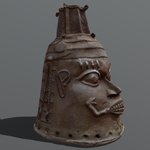
Ife's bronze heads were cast with the lost-wax method and are so lifelike they stunned the art world. Still astonishing. 🏺
Ààrẹ Ayọ̀dèjì retweeted
Ilé-Ifẹ̀: The Cradle of the Yoruba World, Part 2
In Part 1, we saw how tradition says the world began at Ilé-Ifẹ̀, and how kingship descended from Odùduwà. Now we turn to the art that carried the name of Ifẹ̀ across the world, and to the city as it stands today.
The Heads of Ifẹ̀: Art That Astonished the World
If the old stories gave Ifẹ̀ its fame at home, its art gave it fame across the world. Between roughly the 12th and 15th centuries, Ife artists produced some of the most accomplished sculpture ever made in Africa: life size heads in brass and copper, and terracotta portraits of extraordinary naturalism, calm and beautiful faces rendered with a mastery that scholars compare to the classical art of ancient Greece and Rome.
When the German explorer Leo Frobenius encountered the Ife heads in 1910, he could not believe they were African work. He famously and wrongly attributed them to a lost colony of Greeks, even to Atlantis. Later scholarship, and excavations by archaeologists including Frank Willett, established the truth: the heads were made in Ifẹ̀, by Yoruba artists, in a tradition with deep local roots reaching back centuries earlier. Scientific dating placed the great flourishing of Ife art in the centuries around 1200 to 1400, when Ifẹ̀ was a wealthy trading city connected by routes reaching toward the Niger and beyond, rich in glass beads and ivory. The bead making of Ifẹ̀ was famous in its own right.
The heads are believed to represent past Ọọ̀nis and royal figures, perhaps used in ceremonies honouring deceased kings. Today the finest examples sit in the Nigerian National Museum in Lagos and in museums around the world, including the British Museum, where questions of return and ownership remain part of their living story.
The Enduring Source
Centuries came and went. Kingdoms rose across Yorubaland, cities grew, wars were fought and trade routes shifted. Through all of it, one thing never moved: every crown still looked homeward. However powerful any Yoruba kingdom became, its royal house told the same story about where kingship began. Legitimacy was not seized; it descended, and it descended from Ifẹ̀. That is the quiet authority the city has carried for a thousand years. Armies pass. Sources remain.
Ilé-Ifẹ̀ Today
Modern Ilé-Ifẹ̀ is a living university city, home to Obafemi Awolowo University, one of the great institutions of Nigeria, where ancient shrines stand a short walk from lecture halls. The current Ọọ̀ni, Ọba Adeyeye Enitan Ogunwusi, Ojaja II, who ascended the throne in 2015, has carried the name of Ifẹ̀ across the world as an ambassador of Yoruba culture. The ancient city, with its palace grounds, groves and old sculpture sites, stands on the Tentative List of World Heritage Sites kept by UNESCO, recognised as a place of outstanding significance not only to Nigeria but to humanity.
Yet for Yoruba people everywhere, at home and across the diaspora, Ifẹ̀ needs no certificate. It is the orírun, the source. The place where the soil was first scattered on the waters. The place where the day dawns.
Sources and Further Reading
1. Frank Willett, Ife in the History of West African Sculpture (1967), the classic archaeological account of Ife art and its dating.
2. The British Museum and the Metropolitan Museum of Art, Heilbrunn Timeline of Art History, collection essays on Ife heads and Yoruba art.
3. UNESCO World Heritage Centre, Tentative Lists: Ancient City of Ile-Ife, Nigeria.

Ilé-Ifẹ̀: The Cradle of the Yoruba World, Part 1
Every Yoruba kingdom, wherever it rose, traces its crown back to one city. Ask a Yoruba king where his authority comes from, and sooner or later the answer leads to the same place: Ilé-Ifẹ̀, in present day Osun State, Nigeria. Ifẹ̀ is not simply the oldest Yoruba city. In Yoruba understanding, it is where the world itself began.
Where the Day Dawns
Yoruba tradition holds that Ilé-Ifẹ̀ is the site of creation. According to the sacred stories, Olódùmarè, the supreme God, sent Ọbàtálá down from the heavens to mould the first land and the first human beings out of clay. In one beloved telling, Ọbàtálá drank palm wine on the way and fell asleep, so Olódùmarè gave the task to Odùduwà instead. Odùduwà descended by a chain, poured soil upon the waters below, and set a hen down to scatter it. Where the soil spread, dry land appeared. That first land was Ilé-Ifẹ̀.
The name itself carries the meaning. Ilé-Ifẹ̀ is often rendered "the land of expansion" or "the place from which the earth spread out," the point from which humanity dispersed across the world. In Yoruba prayer and praise poetry, Ifẹ̀ is called Ilé Odùduwà, the home of Odùduwà, and the city where the day dawns.
Odùduwà and the Crown
Odùduwà stands at the head of nearly every Yoruba royal genealogy. Tradition describes him as the first Ọọ̀ni of Ifẹ̀ and the ancestor from whom the founders of the Yoruba kingdoms descend. His children and grandchildren are remembered as the princes who carried kingship out of Ifẹ̀ and planted royal lines in towns and kingdoms across the land that would become Yorubaland. The great carved stone staff known as Ọ̀pá Òrànmíyàn still stands in Ifẹ̀ today, a monument linked to Òrànmíyàn, one of the most celebrated of those princes.
This is why the kingship of Ifẹ̀ matters far beyond its own walls. In the Yoruba political tradition, legitimacy flows from Ifẹ̀. Kings across Yorubaland historically sought confirmation of their crowns from the Ọọ̀ni, and to this day the Ọọ̀ni of Ifẹ̀ is regarded as the spiritual head of the Yoruba people, the keeper of the source.
A City of Four Hundred and One Divinities
Ifẹ̀ is called the city of the 401 ìrúnmọ̀lẹ̀, the divinities of Yoruba religion. The faith that spread from here across the Atlantic world, surviving in Cuba, Brazil, Trinidad and beyond, has its fountainhead in the shrines and groves of Ifẹ̀. It is said that in the traditional week, a different deity is honoured in the city on each day. Festivals such as Ọlọ́jọ́, when the Ọọ̀ni spends days in seclusion and then emerges wearing the sacred Àrè crown, believed to be the original crown of Odùduwà, still draw the whole city together each year.
Ifẹ̀ also remembers its heroines. Mọ́remí Àjàṣorò, a queen of Ifẹ̀, is celebrated for giving up what she loved most in order to uncover the secret of the raiders who plagued the city, and so saved her people. Her story is retold in the Edì festival, and her statue, among the tallest in Nigeria, now stands in Ifẹ̀ as a monument to courage.
Part 2 continues with the art that astonished the world, and with Ilé-Ifẹ̀ today.
Sources and Further Reading
1. Samuel Johnson, The History of the Yorubas (1921), the foundational history of the Yoruba kingdoms and their Ife origins.
2. Robert S. Smith, Kingdoms of the Yoruba, an accessible survey of Yoruba political history.
This article is part of a daily series on the history of Yoruba communities.
Ilé-Ifẹ̀: The Cradle of the Yoruba World, Part 2
In Part 1, we saw how tradition says the world began at Ilé-Ifẹ̀, and how kingship descended from Odùduwà. Now we turn to the art that carried the name of Ifẹ̀ across the world, and to the city as it stands today.
The Heads of Ifẹ̀: Art That Astonished the World
If the old stories gave Ifẹ̀ its fame at home, its art gave it fame across the world. Between roughly the 12th and 15th centuries, Ife artists produced some of the most accomplished sculpture ever made in Africa: life size heads in brass and copper, and terracotta portraits of extraordinary naturalism, calm and beautiful faces rendered with a mastery that scholars compare to the classical art of ancient Greece and Rome.
When the German explorer Leo Frobenius encountered the Ife heads in 1910, he could not believe they were African work. He famously and wrongly attributed them to a lost colony of Greeks, even to Atlantis. Later scholarship, and excavations by archaeologists including Frank Willett, established the truth: the heads were made in Ifẹ̀, by Yoruba artists, in a tradition with deep local roots reaching back centuries earlier. Scientific dating placed the great flourishing of Ife art in the centuries around 1200 to 1400, when Ifẹ̀ was a wealthy trading city connected by routes reaching toward the Niger and beyond, rich in glass beads and ivory. The bead making of Ifẹ̀ was famous in its own right.
The heads are believed to represent past Ọọ̀nis and royal figures, perhaps used in ceremonies honouring deceased kings. Today the finest examples sit in the Nigerian National Museum in Lagos and in museums around the world, including the British Museum, where questions of return and ownership remain part of their living story.
The Enduring Source
Centuries came and went. Kingdoms rose across Yorubaland, cities grew, wars were fought and trade routes shifted. Through all of it, one thing never moved: every crown still looked homeward. However powerful any Yoruba kingdom became, its royal house told the same story about where kingship began. Legitimacy was not seized; it descended, and it descended from Ifẹ̀. That is the quiet authority the city has carried for a thousand years. Armies pass. Sources remain.
Ilé-Ifẹ̀ Today
Modern Ilé-Ifẹ̀ is a living university city, home to Obafemi Awolowo University, one of the great institutions of Nigeria, where ancient shrines stand a short walk from lecture halls. The current Ọọ̀ni, Ọba Adeyeye Enitan Ogunwusi, Ojaja II, who ascended the throne in 2015, has carried the name of Ifẹ̀ across the world as an ambassador of Yoruba culture. The ancient city, with its palace grounds, groves and old sculpture sites, stands on the Tentative List of World Heritage Sites kept by UNESCO, recognised as a place of outstanding significance not only to Nigeria but to humanity.
Yet for Yoruba people everywhere, at home and across the diaspora, Ifẹ̀ needs no certificate. It is the orírun, the source. The place where the soil was first scattered on the waters. The place where the day dawns.
Sources and Further Reading
1. Frank Willett, Ife in the History of West African Sculpture (1967), the classic archaeological account of Ife art and its dating.
2. The British Museum and the Metropolitan Museum of Art, Heilbrunn Timeline of Art History, collection essays on Ife heads and Yoruba art.
3. UNESCO World Heritage Centre, Tentative Lists: Ancient City of Ile-Ife, Nigeria.
Ilé-Ifẹ̀: The Cradle of the Yoruba World, Part 1
Every Yoruba kingdom, wherever it rose, traces its crown back to one city. Ask a Yoruba king where his authority comes from, and sooner or later the answer leads to the same place: Ilé-Ifẹ̀, in present day Osun State, Nigeria. Ifẹ̀ is not simply the oldest Yoruba city. In Yoruba understanding, it is where the world itself began.
Where the Day Dawns
Yoruba tradition holds that Ilé-Ifẹ̀ is the site of creation. According to the sacred stories, Olódùmarè, the supreme God, sent Ọbàtálá down from the heavens to mould the first land and the first human beings out of clay. In one beloved telling, Ọbàtálá drank palm wine on the way and fell asleep, so Olódùmarè gave the task to Odùduwà instead. Odùduwà descended by a chain, poured soil upon the waters below, and set a hen down to scatter it. Where the soil spread, dry land appeared. That first land was Ilé-Ifẹ̀.
The name itself carries the meaning. Ilé-Ifẹ̀ is often rendered "the land of expansion" or "the place from which the earth spread out," the point from which humanity dispersed across the world. In Yoruba prayer and praise poetry, Ifẹ̀ is called Ilé Odùduwà, the home of Odùduwà, and the city where the day dawns.
Odùduwà and the Crown
Odùduwà stands at the head of nearly every Yoruba royal genealogy. Tradition describes him as the first Ọọ̀ni of Ifẹ̀ and the ancestor from whom the founders of the Yoruba kingdoms descend. His children and grandchildren are remembered as the princes who carried kingship out of Ifẹ̀ and planted royal lines in towns and kingdoms across the land that would become Yorubaland. The great carved stone staff known as Ọ̀pá Òrànmíyàn still stands in Ifẹ̀ today, a monument linked to Òrànmíyàn, one of the most celebrated of those princes.
This is why the kingship of Ifẹ̀ matters far beyond its own walls. In the Yoruba political tradition, legitimacy flows from Ifẹ̀. Kings across Yorubaland historically sought confirmation of their crowns from the Ọọ̀ni, and to this day the Ọọ̀ni of Ifẹ̀ is regarded as the spiritual head of the Yoruba people, the keeper of the source.
A City of Four Hundred and One Divinities
Ifẹ̀ is called the city of the 401 ìrúnmọ̀lẹ̀, the divinities of Yoruba religion. The faith that spread from here across the Atlantic world, surviving in Cuba, Brazil, Trinidad and beyond, has its fountainhead in the shrines and groves of Ifẹ̀. It is said that in the traditional week, a different deity is honoured in the city on each day. Festivals such as Ọlọ́jọ́, when the Ọọ̀ni spends days in seclusion and then emerges wearing the sacred Àrè crown, believed to be the original crown of Odùduwà, still draw the whole city together each year.
Ifẹ̀ also remembers its heroines. Mọ́remí Àjàṣorò, a queen of Ifẹ̀, is celebrated for giving up what she loved most in order to uncover the secret of the raiders who plagued the city, and so saved her people. Her story is retold in the Edì festival, and her statue, among the tallest in Nigeria, now stands in Ifẹ̀ as a monument to courage.
Part 2 continues with the art that astonished the world, and with Ilé-Ifẹ̀ today.
Sources and Further Reading
1. Samuel Johnson, The History of the Yorubas (1921), the foundational history of the Yoruba kingdoms and their Ife origins.
2. Robert S. Smith, Kingdoms of the Yoruba, an accessible survey of Yoruba political history.
This article is part of a daily series on the history of Yoruba communities.
Ààrẹ Ayọ̀dèjì retweeted
Ilé-Ifẹ̀: The Cradle of the Yoruba World, Part 1
Every Yoruba kingdom, wherever it rose, traces its crown back to one city. Ask a Yoruba king where his authority comes from, and sooner or later the answer leads to the same place: Ilé-Ifẹ̀, in present day Osun State, Nigeria. Ifẹ̀ is not simply the oldest Yoruba city. In Yoruba understanding, it is where the world itself began.
Where the Day Dawns
Yoruba tradition holds that Ilé-Ifẹ̀ is the site of creation. According to the sacred stories, Olódùmarè, the supreme God, sent Ọbàtálá down from the heavens to mould the first land and the first human beings out of clay. In one beloved telling, Ọbàtálá drank palm wine on the way and fell asleep, so Olódùmarè gave the task to Odùduwà instead. Odùduwà descended by a chain, poured soil upon the waters below, and set a hen down to scatter it. Where the soil spread, dry land appeared. That first land was Ilé-Ifẹ̀.
The name itself carries the meaning. Ilé-Ifẹ̀ is often rendered "the land of expansion" or "the place from which the earth spread out," the point from which humanity dispersed across the world. In Yoruba prayer and praise poetry, Ifẹ̀ is called Ilé Odùduwà, the home of Odùduwà, and the city where the day dawns.
Odùduwà and the Crown
Odùduwà stands at the head of nearly every Yoruba royal genealogy. Tradition describes him as the first Ọọ̀ni of Ifẹ̀ and the ancestor from whom the founders of the Yoruba kingdoms descend. His children and grandchildren are remembered as the princes who carried kingship out of Ifẹ̀ and planted royal lines in towns and kingdoms across the land that would become Yorubaland. The great carved stone staff known as Ọ̀pá Òrànmíyàn still stands in Ifẹ̀ today, a monument linked to Òrànmíyàn, one of the most celebrated of those princes.
This is why the kingship of Ifẹ̀ matters far beyond its own walls. In the Yoruba political tradition, legitimacy flows from Ifẹ̀. Kings across Yorubaland historically sought confirmation of their crowns from the Ọọ̀ni, and to this day the Ọọ̀ni of Ifẹ̀ is regarded as the spiritual head of the Yoruba people, the keeper of the source.
A City of Four Hundred and One Divinities
Ifẹ̀ is called the city of the 401 ìrúnmọ̀lẹ̀, the divinities of Yoruba religion. The faith that spread from here across the Atlantic world, surviving in Cuba, Brazil, Trinidad and beyond, has its fountainhead in the shrines and groves of Ifẹ̀. It is said that in the traditional week, a different deity is honoured in the city on each day. Festivals such as Ọlọ́jọ́, when the Ọọ̀ni spends days in seclusion and then emerges wearing the sacred Àrè crown, believed to be the original crown of Odùduwà, still draw the whole city together each year.
Ifẹ̀ also remembers its heroines. Mọ́remí Àjàṣorò, a queen of Ifẹ̀, is celebrated for giving up what she loved most in order to uncover the secret of the raiders who plagued the city, and so saved her people. Her story is retold in the Edì festival, and her statue, among the tallest in Nigeria, now stands in Ifẹ̀ as a monument to courage.
Part 2 continues with the art that astonished the world, and with Ilé-Ifẹ̀ today.
Sources and Further Reading
1. Samuel Johnson, The History of the Yorubas (1921), the foundational history of the Yoruba kingdoms and their Ife origins.
2. Robert S. Smith, Kingdoms of the Yoruba, an accessible survey of Yoruba political history.
This article is part of a daily series on the history of Yoruba communities.
Is it that many women are not properly educated about PCOS, which is a hormonal condition that can affect metabolism, cause insulin resistance and contribute to weight gain, making weight management difficult for some women. Not every woman’s weight is simply a matter of diet or discipline. Sometimes, there’s an underlying medical condition that deserves attention and understanding.

Teach children the ways and values of their fathers while they are young, so that when they grow older, they will never depart from them.
Wait make oluko @arojinle1 come tell us how it’s neurology issue 🫠

Like oyenusi 🤣🤣🤣

I would have been the proudest to declare it, if we had real bullet-repelling charm, known as ayẹta. But I can categorically tell you it doesn't exist. I know a lot of people will have a problem with me for saying this. But they don't have the charm. Their fathers don't have it. All they heard are fables and stories.
Just look back at the people who claimed to have it. What happens to them when they had encounter with people who have guns? They either ran away or they died.
257


Ààrẹ Ayọ̀dèjì retweeted

Yoruba Rights Advocates issue this Statement in support of Dr. Azeezat Abiola Amusat, calling for accountability over the misrepresentation and misappropriation of Gele. We also call for an end to the erasure of Yoruba from our cultural heritage.
See Image Below.

Ààrẹ Ayọ̀dèjì retweeted
PRESS STATEMENT
Yoruba Rights Advocates warns of imprisonment, for intentional misappropriation of Yoruba Origin of Gele.
@PulseNigeria247
@instablog9ja
@ThisDayLive
@vanguardngrnews
@thesunnigeria
@bellanaija
@jcokechukwu
@gtbank


🤣🤣🤣 See as I dey laugh, but e pain me say na Jimmy @diisa2002 fall for Princess trap. She’s not even Nigerian; she’s Ghanaian. The first time she came on Clubhouse, she made it clear and said she had ties to Edo (Benin).
It was even funny when I was on Twitter saying she’s Yoruba 🤣🤣🤣. Plenty people tagged me to her posts, but I ignored her because she was in the Obidient camp, and I already knew she could misbehave and cause damage. She did the same thing on Clubhouse, and we all pushed her out before she ran to X.
Someone sent me this when they saw her tweet claiming to be Nigeria. 🤣🤣🤣

250
Smhhh🤦🤦🤦

The only place I know of where Ifá mentions Olugbo is in Ọ̀wọ́nrín Olugbo Asunlola, “Ọmọ Afi Araba Owó rẹ Ọmọ…”. Meanwhile, the names Olofin, Elu and the Ooni appear repeatedly throughout the 256 Odù Ifá.
Yes, the Ọ̀ṣàngangan Obamakin dynasty is among the ancient dynasties of Ilé-Ifẹ̀, and that is the lineage I come from. I proudly acknowledge my ancestral roots and the history attached to them.
However, when we speak of the supreme royal stool of Ilé-Ifẹ̀ and the sacred place of the Ooni within Yoruba traditional kingship, Kabiyesi Ọọ̀ni Ògúnwùsì, Òjájá II, occupies that throne.
Our ancestral lineages deserve recognition, but we must also understand the distinction between ancestral heritage, historical dynasties and the institution of the Ooni of Ifẹ̀.
Àṣẹ! Ilé-Ifẹ̀ ni orírun àti ìpilẹ̀ ìtàn Yorùbá.
402
And @sheffman14 they follow egun oooo 🤣🤣🤣
I want to know is he actually talking to some people Abi him just dey record content??
This guy dey piss me off real bad.
Ode elenu peyepeye, your cup will soon full..
Ooni this Ooni that.
Oma to te very soon Wenu werey bienu aja
329