

AfPA is a national network of policy-minded health care providers who advocate for patient-centered care.
Washington, DC
Joined October 2009
- Tweets10K
- Following602
- Followers3.2K
- Likes1.6K







Today is #AmyloidosisAwarenessDay.
Amyloidosis is often missed or mistaken for other conditions, delaying treatment for patients who need it. Recognizing the signs early can change outcomes.
Learn more: bit.ly/4eKkKaA

Postpartum depression can have a profound impact on new mothers, yet barriers to care can make it difficult to access the support and treatment they need.
Learn more: bit.ly/4f75HZN

#DYK? Hypertrophic cardiomyopathy, or HCM, is a disease in which the heart muscle becomes abnormally thick, making it harder to pump blood and potentially disrupting heart rhythm.
Expanding access to genetic testing can help identify at-risk patients and families earlier. Learn more: bit.ly/4ntZtpk

Clinical guidelines can shape treatment and access. Keeping them current matters.
Learn more: healthpolicytoday.org/2026/1…

Why get screened for lung cancer? @JVelottaMD, explains how early detection saves lives. Studies show screening can lower lung cancer deaths by more than 20%.
Learn more: bit.ly/4scNXRS

Biomarker testing can help diagnose neurological diseases earlier and guide more personalized treatment. For progressive conditions, that time can make a real difference in quality of life.
Learn more: bit.ly/4yqBI5x

Obesity is a chronic disease that raises the risk of heart disease, diabetes, and stroke. With proper treatment and coverage, Medicare patients can find their way to a healthier, happier life.
Learn more about Medicare coverage of obesity treatments: bit.ly/46cGRQZ
RSV season is here. Updated guidance expands protection for children.
Learn more: healthpolicytoday.org/2026/1…

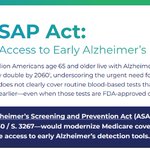
The Alzheimer’s Screening and Prevention Act, or #ASAPAct, would strengthen Medicare coverage for innovative tools that support earlier Alzheimer’s detection.
Learn more: bit.ly/4b6mla3

#DYK? 2.5 million Americans have uncontrolled asthma. Personalized care can help ensure every patient gets the treatment that works for them.
Learn more: bit.ly/41lCliq

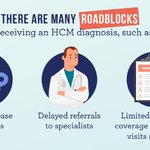
Roughly 700,000 adults in the U.S. have hypertrophic cardiomyopathy, or #HCM, making it difficult for their heart to pump blood. Yet these patients can face many roadblocks to receiving a diagnosis.
Learn more: bit.ly/4i0O4eD

Chances are you or someone you know lives with a chronic condition. Biologic medications are changing the outlook for many patients, and understanding your options is the first step.
This #HealthLiteracyMonth, discover how biologics work and how to talk with your health care provider about your treatment options.
Learn more: bit.ly/4z72LUb
Who decides what a medication is worth?
Prescription drug affordability boards typically include health economists and health insurance representatives. Adding patients and health care providers would bring lived experience and clinical expertise to the table.
Patients and providers deserve a say in the value of medication.
Learn more: bit.ly/3Vr7rTI

#RSV, or respiratory syncytial virus, is a common, highly contagious seasonal virus that affects 97% of children by the age of 2. Yet despite RSV being common among young children, most parents know little about it.
Learn more during #RSVAwarenessMonth: bit.ly/47wqDVo

Most adults only need one Lp(a) test in a lifetime, but one result can reveal a hidden risk that runs in the family. A conversation with a clinician is the first step.
Use @NatForumHDSP's guide to start the conversation: natforum.org/AfPA-Lpa
#SDMGuides2026 #CholesterolEducationMonth #WorldHeartDay

Alliance for Patient Access retweeted

ASBM’s former chairman, Dr. Madelaine Feldman, participated in the first panel of yesterday's #AfPASummit26: “The bottom line in pricing needs to be brought back to the patient’s ability to access the medication. For example -Many times affordability could be achieved by allowing the patient to pay their cost share (co-insurance) on the lowest post rebate/discount price of the drug.—including by basing cost-sharing on the lowest post-rebate price, especially for Part B drugs." @MattieRheumMD @patientaccess @LADAOrg @GlobalCRC @WarOnCancer @CSROAdvocacy

Voters agree: treatment decisions belong with patients and their doctors.
A new national poll from the Safe Step Coalition finds:
✅ 78% of likely voters support the reforms in the Safe Step Act
✅ Support crosses party lines: 78% of Republicans, 80% of Democrats, 75% of independents
✅ 90% trust their own doctor over their insurer to choose the right medication
The #SafeStepAct (H.R. 5509/S. 2903) offers a clear, timely path to step therapy exceptions. AfPA urges Congress to move it forward.
Learn more: bit.ly/4iGPFbj
#DYK? The 988 suicide and crisis lifeline is available to anyone, anytime, anywhere.
Learn more during #SuicidePreventionMonth: bit.ly/4t9nUtn

In Michigan, patients with amyloidosis often face insurance barriers that delay treatment, leading to worse health outcomes and higher costs. Kathi Luis knows this firsthand, and now she's sharing how removing these barriers can help patients get care sooner.
Learn more: bit.ly/4AuXk2X

Familial hypercholesterolemia is genetic, and it often goes undetected until a serious cardiac event.
Early FH screening, including for children, can protect the whole family.
Use @NatForumHDSP's guide to start the conversation: natforum.org/AfPA-FH
#SDMGuides2026 #KnowFH #FHAwarenessDay
