







PolicySeed UK retweeted

What most people don't know: when you fill up a petrol car most of the energy never moves it.
Petrol car: 13–21% of the crude oil's energy reaches wheels.
Electric car on today's UK grid: 43–45%.
Electric car on wind+solar: 77–80%.

Britain doesn’t need another 100 electricity tariffs.
It needs ONE good national tariff.
One clear price.
No confusion.
No games.
15p per kWh is our target.
And we’ve done the work to show how Britain can get there.
This is or policy policyseed.uk/policies/energ…
Electric cars should be CHEAP to run.
Charge overnight on cheap electricity.
Drive for pennies per mile.
And with our 15p national electricity tariff, charging during the day would be affordable too.
Cheap electricity. Cheap miles.
That’s what Britain needs.

Want to turn the lights on? DO IT.
Want to cook dinner at 6pm? DO IT.
Want to put the washing machine on? DO IT.
You shouldn’t need to check the electricity price before living your life.
Electricity should be AFFORDABLE.
ALL DAY. EVERY DAY.
A clever solution that could unlock cheap overnight EV charging for millions more homes without driveways.
And before anyone points out that you can’t always park outside your own home, there are already apps that let neighbours share private chargers.
That means households investing in a charger could also recover some of their costs by sharing it with others.
A practical solution that makes EV ownership more affordable and accessible.
gov.uk/government/news/drive…

ONE national domestic electricity tariff.
15p per kWh.
No postcode lottery.
No endless tariff comparisons.
No wondering whether you’re on the wrong deal.
ONE clear price. Across Britain.
It’s SIMPLE.
And it’s our plan for cheaper electricity.
Electricity is an ESSENTIAL service.
But Britain’s electricity system is full of charges, corporate profits and investor returns.
Everyone gets paid.
And households get the BILL.
We think electricity should work for the CUSTOMER. Not just the shareholders.
Britain has made electricity FAR too complicated.
Hundreds of tariffs. Different prices. Different standing charges.
And we’re expected to spend hours shopping around just to get a fair deal.
It’s ridiculous.
Electricity should be SIMPLE.
Electricity is EXPENSIVE.
Other countries have cheaper electricity. MUCH cheaper.
Britain should have cheap electricity too.
So why are British families paying so much?
Something needs to change.
When gas generation is low, wholesale electricity prices tend to be low.
When gas generation is high, wholesale prices tend to be high.
So where exactly is the evidence that generating MORE electricity from gas will make electricity CHEAPER?
We should be asking for evidence, not slogans.


PolicySeed UK retweeted
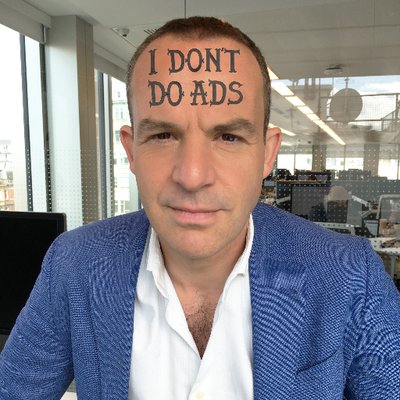
Pls share the below. Its one of those rules that may not get coverage as its technical, but needs to. I'm about to go on Good Morning Britain to discuss

Important News: @Ofgem’s just launched a ‘consultation’ about switching on the Market Stabilisation Charge as soon as November. It doesn’t sound a big deal, but it could be, it ain’t good for consumers and I don't want it to slip under the radar.
In a nutshell, it means if wholesale energy prices drop sharply, the cheap fixes and switcher’s deals offered will be a lot more expensive, in order to protect energy firms’ profits.
That’s because any firm taking on a new customer, including on a cheap fix or other specialist tariff, will have to pay compensation to that customer’s old supplier, if they switch. It's basically a form of switching penalty.
While technically this is a consultation, it’s one of those where Ofgem has made up its mind, but is required to consult - it will almost certainly happen. Below is my ‘first look’ explainer on this...
------------------------
How it works (simplified to make it easy to understand):
Ofgem decided to put this power back into suppliers’ licences in May, so it could switch it on quickly if needed, and now it is trying to do just that.
It means if wholesale prices drop more than 10% below the level built into the Price Cap (and remember the January Price Cap is currently predicted to be 25% higher than now), and someone switches supplier from that or any tariff, the new firm must pay the old one 85% of the drop in wholesale rates beyond that 10%.
So very roughly, say the wholesale energy in the Price Cap costs £1,000 (a made-up number, to keep it simple. This is about proportions, not exact amounts):
- If prices drop to £900, there’s no Market Stabilisation Charge.\
- If prices drop to £800, you get the first £100 drop, but 85% of the next £100 (£85) goes to your old supplier.
So almost certainly the new firm will make you pay the difference, meaning the tariff will be up to £85 more than it would otherwise have been (other factors could affect the amount, but this is a rough illustration)
In other words, the new supplier can’t pass a chunk of the saving from lower wholesale rates on to you, because it has to hand much of it to your old supplier.
Why Ofgem says it’s doing this
Its argument is that the Price Cap requires suppliers buy energy in advance. If wholesale rates fall sharply and people leave in large numbers, those suppliers would be left out of pocket, and it doesn’t want suppliers who did the right thing by buying energy in advance to be penalised.
My View
I don’t like it. This is a ‘Market Stabilisation Charge’ but the supplier market is pretty stable, and I doubt we are at the domino risk of suppliers going bust in the way they did in the early twenties. A good few energy firms have made large profits since then, and protecting them over winter by effectively dampening competition because it’s ‘not their fault’ feels raw.
After all we don’t take their profits off them when they make them ‘through no fault’. Until now, my hope had been that at some point the Middle East situation would de-escalate, wholesale rates would drop. While it would take months for that to feed into the Price Cap, other cheaper tariffs would be available to switch to. That would still happen, but the savings could be no-where near as good as otherwise.
------------
As noted, these are my provisional thoughts and this has only just come out. I will need to do more looking/thinking.
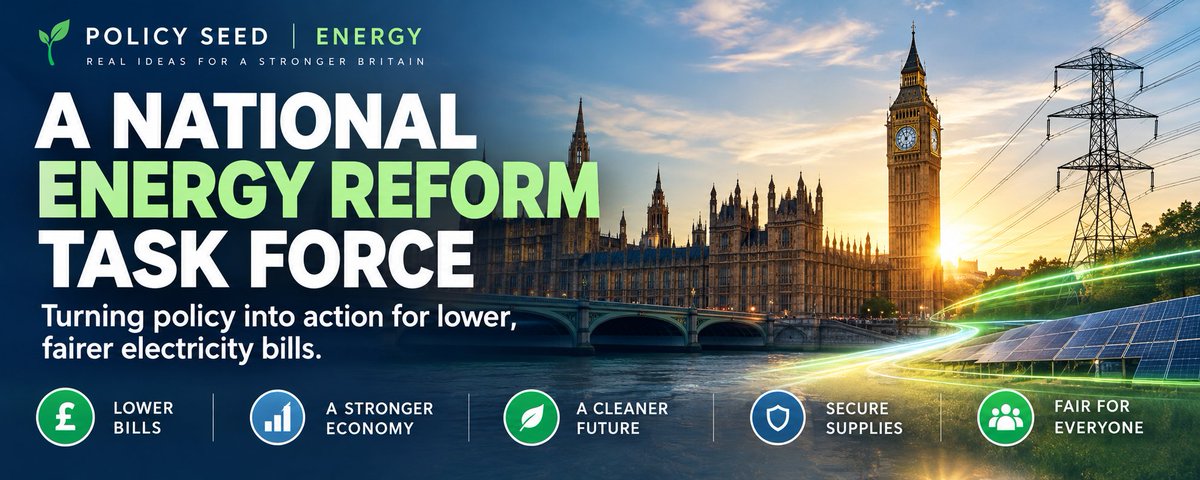


Britain doesn’t just need another promise that electricity will eventually become cheaper.
Our starting point is different:
🎯 15p/kWh domestic electricity
🌙 7.5p overnight
🏭 Competitive business electricity
🔌 Network reform
⚡ A resilient electricity system
Then work backwards to deliver it.
Explore the proposal 👇
policyseed.uk/policies/energ…
@Miatsf @mgshanks @energygovuk @andyburnham @JohnHealey_MP @number10gov @Number10press
PolicySeed UK retweeted

FACTCHECK: UK Conservatives double the ‘cost of net-zero’ after spreadsheet blunder
The Tory "Right Way" booklet makes an erroneous claim about the cost of cutting emissions, possibly taken from a Jan26 thinktank report, and deffo the most idiotic error I've seen for a while 🧵

