

jack of all trades, master of few. surviving on coffee, sports, & overpriced café aesthetics.
Bengaluru
Joined December 2019
- Tweets9K
- Following475
- Followers5.5K
- Likes33.9K




Pinned Tweet
4+ years into content & growth
and i have some major tea/notes to spill.
for context:
- scaled 2 YT channels from 0 - 100K subs
- took an IG page from 0 - 10K followers in 4 months
- built video content for founders doing 4–5M+ impressions/month
- cut influencer costs by 50% while driving 25% conversions
- built a 5,000+ person waitlist, w/o spending a single rs.
- worked on website copy, launches, retention, distribution + fundraising content.
basically, different versions of:
“we have a growth/content problem. figure it out.”
here’s what all those reps taught me:
1/ understand the problem before touching the solution
- “we need reels” is not a problem statement.
- do you need awareness? trust? signups? conversion? - retention?
- figure out what needs to move first,
the channel comes later.
2/ know your audience ridiculously well
- their language > your copywriting
- their problems > your content ideas
- their behaviour > your assumptions
the best insights usually don't come from a brainstorming doc but from talking to users, reading comments, lurking on reddit, looking at search behaviour and noticing what people repeatedly care about.
3/ break the problem down to fundamentals
- website isn’t converting ≠ redesign the website.
- content isn’t working ≠ post more.
- growth is slow ≠ increase distribution.
sometimes you have enough traffic and the message sucks. sometimes the message works and distribution sucks. sometimes both are fine and the product isn't converting.
*find where the system is actually breaking.*
4/ strategy dies on paper
- you can spend 3 weeks making the smartest strategy deck in the world.
- or ship 10 experiments and actually learn something.
hypothesise > execute > analyse > iterate
execution gives you information thinking alone never will.
5/ content + organic distribution are one problem
before creating anything, know:
- who is this for?
- why would they care?
- why would they share?
- where will this travel?
- what do you want them to do next?
“we'll figure out distribution after” is usually where good content goes to die.
6/ views are a terrible standalone metric
- 1M views can do absolutely nothing for the business.
- 10K views from exactly the right people can bring customers, hires, investors or users.
- know the outcome you’re optimising for before celebrating the screenshot.
7/ you probably don't need more content ideas. you need more depth
- one real audience problem can give you months of content.
- go deep on: behaviours + data + misconceptions + stories + mistakes+ opinions + solutions
- if you're running out of ideas every week, you probably haven't gone deep enough into the problem yet.
8/ analyse EVERYTHING
- why did this hook work?
- why did people share this but not that?
- why did 100K people watch but nobody click?
- why did people click but not convert?
- why did the idea everyone loved internally completely die?
- every experiment should make the next one smarter.
9/ eventually, reps turn into pattern recognition
- after enough campaigns, launches, founders, channels and failed experiments, you stop looking only at outcomes and start seeing the mechanics behind them.
- “this company got 2M views doing founder reels” tells you almost nothing.
- understand why something worked before copying what they did.
10/ don't be loyal to a format. be loyal to the problem
- sometimes the answer is 100 influencers.
- sometimes it's one really good founder video.
- sometimes it's rewriting the website.
- sometimes it's a waitlist campaign.
- sometimes you don't need more distribution at all. you just need to say the same thing better.
- the channels, formats and algorithms will keep changing.
the job stays surprisingly similar:
understand → hypothesise → execute → analyse → recognise patterns → repeat.
that's pretty much it from my GPT + overthinking + over-explaining brain.
with this, aayushi signing off 🫡
p.s. if you also love breaking down content/growth problems and going unnecessarily deep into why tf is this not working?
i’d love to chat.
dms are open :)
aa-yushi retweeted

my best work comes when i remove money from the equation completely...
it comes when i put my genuine interest in helping people - whether that's delivering a good service, educating through content, helping people build brands
& it always ends up making a ton of money anyway down the line, whether that's due to a project the partnership led to, rev-share on deals, etc.
at the end of the day, it's all about creating value for people - value created is the #1 metric to optimize
aa-yushi retweeted

Lesson I learned the hard way:
Getting 20 customers to pay you $5,000 per month is 10x easier than getting 5,000 customers to pay you $20 per month.
Most people who want to build a company should be thinking more about catching a few big fish than thousands of shrimp.
we're getting really good at creating content and really bad at building brands. no wonder most startup content looks and sounds the same.
recently read a piece on subtack around thinking like a creative director, not a feed addict. it put into words something i've been noticing in startup content for a while.
here's what i'd take away from it,
especially for early-stage founders:
1/ start with a narrative, not a content calendar.
- decide what you want your ICP to associate with your brand.
- build 2–3 recurring themes that reinforce that message.
2/ create content people can recognise.
- build recurring series around your founder's expertise, opinions, and customer problems.
- people should recognise your content even without seeing your logo.
3/ stop getting all your ideas from the feed.
- spend more time on customer calls, Reddit threads, sales objections, and industry conversations.
- your best ideas should come from your market, not your competitors' posts.
4/ think in campaigns, not isolated posts.
- pick one core message and build 5–10 pieces around it.
- use founder stories, customer experiences, product use cases, and different formats to reinforce the same idea.
5/ measure brand recall, not just impressions.
- look at the quality of inbound DMs, comments, and sales conversations.
- are people associating your brand with the problem you're trying to solve?
6/ stop turning one viral post into your entire strategy.
understand why the idea worked.
- explore different angles instead of recycling the same hook and format 20 times.
7/ use trends for distribution, not creative direction.
- a trending format can help your content reach more people.
- it shouldn't decide what your brand talks about.
most startups know exactly what they're posting next week. very few know what they want their audience to remember about them six months from now.
that's the difference between running a content calendar and actually building a brand.
i genuinely think this is one of the best times to be working in content.
for years, startups have spent so much money on building products, hiring engineers, and figuring out growth.
and now more founders are realising that having a great product means very little if nobody knows about it.
seeing more startups looking for people who can own content, build a founder's brand, and actually figure out distribution. (and not just people who can write posts or make reels.)
people who understand the business, the audience, and how content can drive growth.
if you're in content right now, i'd seriously double down on learning distribution. that's where i see the bigger opportunity.
most startups only think in campaigns when they're launching a product, announcing a feature, or running a big sale.
the rest of the year? it's just another content calendar with 20 posts to publish. i think that's where a lot of organic content goes wrong.
instead of coming up with 30 disconnected ideas every month, i'd rather:
> pick one problem or narrative worth owning for the month.
> build 2–3 strong content pieces around it, backed by customer insights, founder experiences, or actual data.
> distribute the same idea across formats, platforms, and relevant communities.
> use the audience's response to decide what to double down on next.
you don't need a new topic every day to stay relevant.
sometimes, you need to make the same important idea impossible for the right audience to miss.
some people travel through airports, live in tier 1 cities, have access to everything, and still lack the most basic civic sense.
can’t put their trays back at airport after security check in, can’t respect shared spaces, can’t teach their kids to be considerate of others.
how is basic public etiquette still so difficult?😭


never thought i’d be the girl who’d show up at an airport without a ticket and book the next flight to delhi at the counter, just to see her boy during his 12-hour layover.
but that’s what long distance looks like when you’re dating a man in the armed forces who barely gets any leave. 😭❤️


yk something is sus when a friend you haven't spoken to in years randomly texts you out of nowhere 😭


there’s something so intimate about someone noticing the ways you protect yourself and not making you feel difficult for it. they don’t take your hesitation personally, don’t rush you into being vulnerable. they just give you enough room to feel safe being known.
pleaseee recommend me some calm, work-friendly cafes in bangalore, preferably in hsr or koramangala. so done with the usual overrated, overcrowded spots.

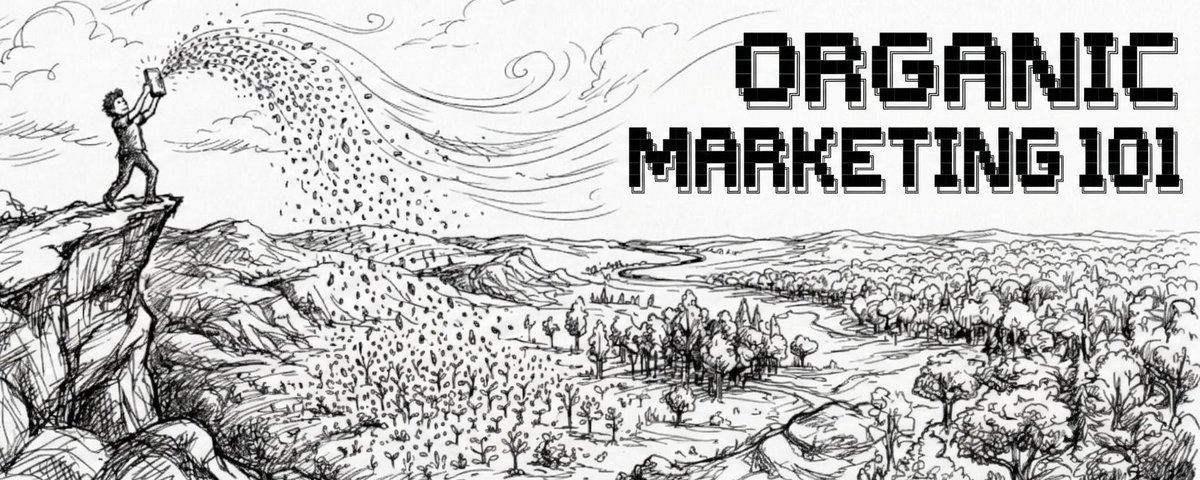
finallyyy people are doubling down on organic content & distribution. something i've believed in and worked on for years.
i'm so done with the numbers game people play. paid campaigns, inflated views, chasing impressions, and treating every piece of content like a math equation.
the day you stop optimising for numbers and start deeply understanding your audience, you realise how simple the fundamentals are.



aa-yushi retweeted
this is what happens when founders have too much access to AI 😭 but but but on a serious note, i've genuinely loved using emergent in my daily work as a non-tech person.
for context;
i work on founder content, brand & distribution across startups/clients, and honestlyyy, there's so much work that goes beyond my deliverables. @emergentlabs has made so many things easier.
a few areas where i've found it genuinely useful:
> content research: building small tools to collect, organise and filter content ideas, competitor posts and audience pain points instead of manually going through 20 tabs every time.
> content workflows: managing multiple founders means different content calendars, drafts, approvals and publishing schedules. having one place to track everything makes life easier.
> distribution experiments: building simple tools like calculators, quizzes or free resources around a founder's expertise that give people a reason to engage beyond just another linkedin post.
> client assignments/proposals: instead of just presenting a content strategy in a deck, being able to show what an actual content experience or experiment could look like.
> performance tracking: pulling together post-level metrics to spot which hooks, topics and formats are working, rather than just reporting impressions every week.
the biggest unlock for me isn't that i can suddenly build software. it's that i can create tools around the way i already work, without needing to learn how to code.

Who did this? 🤣
A game where you can cosplay as @ElonMusk or Ambani
If you're Ambani, there is a surprise waiting for you
Make your guy win 💀 Jio mere laal
billionaire-arena.emergent.h…