

Unleashing human potential in project management. Because great projects don’t run on checklists. They run on people.
Joined July 2020
- Tweets9K
- Following81
- Followers214
- Likes2K


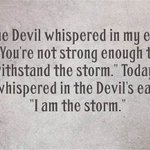




Risk competence is not permanent caution. It is knowing which uncertainties deserve attention and which do not. Build better risk judgment here: bit.ly/PM-References

Remote work changes where mentoring happens, not whether people need it. Better conversations can restore some of what distance removes. Learn how: bit.ly/Coach-Mentor

The office once supplied dozens of small coaching moments without anyone calling them coaching. Remote leaders have to recreate those moments deliberately.
Experienced PMs do not ask for clarity because they dislike ambiguity. They ask because they have seen ambiguity become a commitment nobody remembers making.
A status report should make the next decision easier
If it only describes what happened, it is not doing enough. Sharpen your reporting here: bit.ly/PMSurvivalGuide

Empathy in remote work is practical, not decorative. You cannot support someone well if you never understand the conditions they are working through. Read more: bit.ly/Coach-Mentor
Remote workers are not task-processing machines. Output matters, but so does understanding how someone works, what they are missing, and where they need support.
The sponsor attends every steering meeting and still avoids the one decision blocking delivery. Attendance is not sponsorship.


Unexpected events are not managed well by pretending they will not happen. Teams need habits that help them notice and respond. Keep this in your PM toolkit: bit.ly/PM-References
A good 1:1 should be a conversation your team member does not dread. Keep it human, listen closely, and make space for what matters to them. Visit the blog: bit.ly/Coach-Mentor
Good remote coaching is less about having the perfect advice and more about listening well, asking open questions, and staying present long enough for the real concern to surface.
A RAID log is not pessimism. It is organizational memory for the day everyone suddenly remembers the risk differently.
The people doing the work usually see estimating risk first.
Ask them before the date becomes a commitment. Better estimating habits here: bit.ly/PMSurvivalGuide
Better remote coaching starts with a simple shift: stop preparing your reply while the other person is still talking. Read this before your next coaching conversation: bit.ly/Coach-Mentor
The fastest way to ruin a 1:1 is to make it about the manager. Less pontificating. More listening. The conversation should help you understand the team member, not showcase yourself.
The architecture debate lasted an hour. The constraint that should have decided it was mentioned in minute three. Volume won. Delivery inherited the consequence.
A project can look controlled right up until the assumptions fail.
Make assumptions visible before the schedule hardens around them. A useful reset before planning: bit.ly/PMSurvivalGuide
Early-career and first-time remote workers may need more deliberate support than experienced colleagues. Read how mentoring can help close that gap: bit.ly/Coach-Mentor