

Professor. Views are mine. RT not endorsement. "In matters of style, swim with the current; in matters of principle, stand like a rock," Thomas Jefferson.
Boca Raton, FL
Joined July 2014
- Tweets11.4K
- Following944
- Followers1.4K
- Likes3.5K




Pinned Tweet
I am happy to announce that today I received copies of my book: Lebanon and Turkey: Historical Contexts and Contemporary Realities.
No empire or a regional power has helped mold the socio-political and religious landscape of a country as the Ottoman Empire and its heir (the Republic of Turkey) have helped shape modern Lebanon, yet no contemporary study has examined Lebanon-Turkey relations back to Ottoman rule of Lebanon. As such, the understanding of this historic and contemporaneous relationship is deficient. This text fills this gap, examining patterns and shifts in Lebanon-Turkey relations within the context of regional and international politics from Ottoman rule to Turkey’s AKP-led governments.
This comprehensive account of Lebanon-Turkey relations—grounded in layers of cultural, political, demographic, economic, and sectarian complexities and changes across centuries—analyzes the developments and dynamics that have helped shape modern Lebanon and its confessional system and politics. It underscores the misconceptions and lessons learned from this long-term relationship, locating Lebanon-Turkey relations along a historical continuum.
The topics with which this book project is concerned with:
-Ties Ottoman rule over Lebanon with contemporaneous Lebanon-Turkey relations
-Examines the shifts and development of Lebanon’s demography and sects under Ottoman rule
-Investigates Ottoman rule over Lebanon against the background of European rivalry
-Analyzes the transition of feudalism based in tax farming under Ottoman rule to political sectarianism in independent Lebanon
-Probes Lebanon’s sectarian massacres in the nineteenth century, which led to foreign intervention and the development of the country’s confessional system
-Examines Lebanon’s Great Famine (1915–1918) within the context of the Great War
-Analyzes Turkey’s foreign policy approach towards Lebanon within the context of Ankara’s ideological and practical outlooks
-Scrutinizes Turkey’s Justice and Development party’s (AKP) interest in Lebanon
-Explores Turkey’s influence in Lebanon
Reviews of the Book:
This is a refreshing, lucid, and seasoned research-based analysis that is crucial to understanding a contemporary Eastern Mediterranean in the midst of roiling shifts, what some have called ‘the end of the Arab century.’ A discerning survey probing deeply post-Ottoman Lebanese-Turkish relations, this book is of special importance on many levels to scholars of the Middle East but also genocide studies and the still ‘hidden’ history of the Great Famine on Mount-Lebanon. An edifying book and deeply researched, it is written and presented with clarity and deliberation yielding illumination.
— Franck Salameh, Boston College
Well researched, chronicled, and argued, Dr. Rabil’s book stands out as a unique study, in so far as, to my knowledge, no other work has meticulously examined and scrutinized Lebanon’s relationship with Turkey since Ottoman rule. The book successfully weaves together the major developments, including the overlooked Great Famine, of this relationship that helped shape modern Lebanon and continues to highlight both the chronic failures of the country’s confessional system and the promise of better Lebanon-Turkey relations, against the backdrop of a fast-paced changing world order.
— Joseph Alagha, Haigazian University
Robert Rabil makes clear the complicated, conflicted, and tragic history of Lebanon and its relationship with its neighbors. This compelling, insightful, and courageous book helps us understand Lebanon’s tangled and contentious history with its neighbors, Turkey and Syria. Lebanon is a microcosm of the Middle East, and Robert Rabil masterfully shows how its current crisis is rooted in history.
— Robert J. Allison, Suffolk University, author of The Crescent Obscured: The United States and the Muslim World 1776-1820
Professor Rabil masterfully traces Turkish Middle Eastern policy from Sultan Abdul Hamid’s Ottomanism to Davutoglu’s Neo-Ottomanism and Erdogan’s realism after the defeat of Arab popular uprisings that demonstrated the limits of Ankara’s regional ambitions. Rabil’s exceptional book educates students about the influence of Turkey in shaping Lebanon’s sectarian alignments and guides researchers to its importance in understanding the significance of transnational ideas in exacerbating Arab countries’ instability. Lebanon: From Ottoman Rule to Erdogan Regime is an essential read for those who wish to understand Turkey’s history and present to predict its future.
— Hilal Khashan, American University of Beirut
Professor Rabil does an excellent job explaining how the Ottoman Empire struggled to survive by applying a policy of mass killings, starvation, and deportations in the empire’s provinces that sought to become more autonomous. It is interesting how an empire resorts to cruel methods to keep itself from falling apart. Rabil’s study is also relevant to understanding contemporary Russia’s involvement in Ukraine. The case of the Ottoman Empire can serve as a historical paradigm to analyze powers that struggle against their own decline. A brilliant and highly enlightening book.
— Luis Fleischman, professor, Palm Beach State College and co-president, Palm Beach Center for Democracy and Policy Research
Robert Rabil ‘s Lebanon-Turkey Relations: From Ottoman Rule to Erdogan’s Regime,” is a gift for those studying the history, politics, and culture of Lebanon and its important neighbor, Turkey. In recent years Turkey’s foreign policy has become an often and serious topic of analysis for Middle Eastern scholars. This book provides an important addition to that literature. It is a unique study concentrating on Turkey’s impact on the development of Lebanon from its early history to its current involvement in the country. Through archival research, and interviews abroad Dr. Rabil provides new insights into Ottoman policies leading to the Great Famine of 1915-1918, the roots of the confessional system, the growth of Arab Nationalism, the Cold War, Lebanon’s civil war and Turkey’s recent and growing involvement in Lebanon and the region. This is a key contribution to filling the missing piece of the Lebanese – Turkish relationship’s place in today’s Middle East foreign policy puzzle. It really is a must read!
— Lenore G. Martin, Professor, Emmanuel College, Middle East Center and Weatherhead Center, Harvard University
Books can be purchased from Amazon, Barnes and Nobles and others, or from publisher with 25% discount, Ebook: $25.00 and paperback: $27.00.


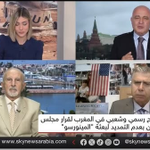
مشاركتي اليوم في النقاش حول قضية الصحراء الغربية والفيتو الروسي ضد المقترح الأمريكي، على قناة #SkyNews #UAE، مع الإعلامية المتميزة #imanelahsky.
أبرز النقاط التي طرحتها:
المبادرة الأمريكية: استناداً إلى قرار مجلس الأمن رقم 2797 الصادر في 31 أكتوبر 2025، قدمت واشنطن مقترحاً لتعديل ولاية بعثة الأمم المتحدة للاستفتاء في الصحراء الغربية (MINURSO)، التي أُنشئت في أبريل 1991 بموجب قرار مجلس الأمن رقم 690. ويهدف المقترح الأمريكي إلى الدفع نحو تسوية سياسية تقوم على اندماج الصحراء الغربية مع المغرب في إطار صيغة للحكم الذاتي المحلي.
الفيتو الروسي: استخدمت روسيا حق النقض (الفيتو) ضد المقترح الأمريكي الذي سعى إلى تجديد ولاية بعثة المينورسو وفق شروط معدّلة، وطالبت بدلاً من ذلك بتمديد تقني لولاية البعثة لمدة عام واحد. ومن المهم الإشارة إلى أن روسيا لم تستخدم الفيتو ضد القرار 2797 العام الماضي، الذي أقرّ بمقترح الحكم الذاتي المغربي باعتباره أساساً للتوصل إلى تسوية سياسية.
الرد على اتهامات الانحياز الأمريكي والهيمنة: يستند الموقف الأمريكي إلى إخفاق المسار الأممي في تنفيذ الاستفتاء لأكثر من ثلاثة عقود. وفي الواقع، أقرت تقييمات متعاقبة للأمم المتحدة بالصعوبات الكبيرة التي تحول دون تنظيم مثل هذا الاستفتاء. ففي عام 1996، عُلّقت عملية تحديد هوية الناخبين، وسط خلافات مستمرة حول معايير الأهلية للتصويت، الأمر الذي أدى فعلياً إلى تجميد مسار الاستفتاء.
الدعم الدولي: أيدت 11 دولة المقترح الأمريكي، في حين كانت روسيا الدولة الوحيدة التي استخدمت الفيتو ضده. وعقب التصويت، دعا العاهل المغربي الأمم المتحدة إلى إعادة النظر في استمرار وجود بعثة المينورسو وولايتها، بما في ذلك احتمال إنهاء دور البعثة في ملف الصحراء الغربية.
التداعيات الإقليمية: أدى الفيتو الروسي إلى خلق فراغ سياسي ودبلوماسي قد يؤدي إلى تصاعد التوترات، وربما تجدد الأعمال العدائية بين القوات المغربية وجبهة البوليساريو، بما يقوض فرص تحقيق الاستقرار الإقليمي.
الحسابات الجيوسياسية الأوسع: يرى بعض المراقبين أن الفيتو الروسي يندرج في إطار استراتيجية موسكو الأوسع لممارسة الضغوط على واشنطن والمجتمع الدولي. وإلى جانب المواجهة المتعلقة بإيران، قد تسعى موسكو إلى توظيف هذا الملف لتعزيز أوراقها التفاوضية وانتزاع تنازلات بشأن أوكرانيا، حتى لو جاء ذلك على حساب الاستقرار في الصحراء الغربية.
في نهاية المطاف، ثمة خطر من أن تتحول قضية الصحراء الغربية إلى ساحة أخرى تتغلب فيها حسابات التنافس بين القوى الكبرى على فرص تحقيق السلام الإقليمي والتوصل إلى تسوية دبلوماسية.
#skynews #usa #Morocco #Russia #westernsahara @ImaneLahSKY @fadilaskynews @MichellaSKY @potus @SecRubio @michaelgwaltz
youtu.be/DGlo7eiU_JU?si=fn_q…


My participation today in the debate on Western Sahara and Russia’s veto of the American proposal on #UAE #SkyNews, with sharp anchor #imanelahsky.
My main points:
The American initiative: Building on UNSCR 2797, adopted on October 31, 2025, Washington introduced a proposal to revise the mandate of MINURSO (the United Nations Mission for the Referendum in Western Sahara), established in April 1991 under UNSCR 690. The American proposal sought to advance a political settlement based on Western Sahara's integration with Morocco under an autonomy arrangement (and local autonomy).
Russia’s veto: Russia vetoed the American proposal, which sought to renew MINURSO's mandate on revised terms, and instead called for a technical extension of the mission for one year. Importantly, Russia did not veto Resolution 2797 last year, which endorsed Morocco's autonomy proposal as the basis for a political settlement.
Responding to accusations of American bias and hegemony: Washington's position is rooted in the failure of the UN process to implement a referendum for more than three decades. Indeed, successive UN assessments have acknowledged the considerable difficulties in organizing such a referendum. The voter-identification process was suspended in 1996 amid persistent disagreements over voter eligibility, effectively stalling the referendum process.
International support: Eleven countries supported the American proposal, while Russia was the sole country to veto it. Following the vote, Morocco's King called for the UN to reconsider MINURSO's continued presence and mandate, including the possibility of ending the mission's involvement in the Western Sahara file.
Regional implications: Russia's veto has created a political and diplomatic vacuum that could heighten tensions and potentially revive hostilities between Moroccan forces and the Polisario Front, undermining the prospects for regional stability.
The broader geopolitical calculation: Some observers interpret Russia's veto as part of Moscow's broader strategy to exert pressure on Washington and the international community. In addition to the confrontation over Iran, Moscow may be seeking leverage to extract concessions on Ukraine, potentially at the expense of stability in Western Sahara.
Ultimately, the Western Sahara dispute risks becoming another arena in which great-power competition undermines the prospects for regional peace and diplomatic resolution.
#usa #Russia #westernsahara #Morocco @potus @SecRubio
youtu.be/DGlo7eiU_JU?si=fn_q…


Robert Rabil retweeted

Key points from preliminary draft framework for US-Iran negotiations obtained exclusively by Al Arabiya English:
🔴 Iran could transfer its highly enriched uranium stockpile to an agreed third country or reduce its enrichment level
🔴 The Strait of Hormuz could reopen to international maritime traffic within seven days of an initial understanding
🔴 China could potentially serve as a guarantor of the implementation and sustainability of any agreement
🔴 Direct US-Iran negotiations could be held in Doha instead of Istanbul
🔴 Iranian measures on the nuclear file and maritime security would be matched by clearly defined US measures to ease sanctions, blockades and economic restrictions
🔴 An independent verification mechanism would assess compliance before each subsequent phase of implementation
🔴 Neither side would be required to make substantial concessions without receiving corresponding, independently verifiable commitments
🔴 A dispute-resolution mechanism involving mediators and guarantor parties would address delays or violations to help prevent renewed military escalation

My participation in the debate on the implications of Israel’s elections for President Donald Trump’s policy toward Iran on #uae #SkyNews.
My main points in response to the anchor’s questions:
@POTUS endorsement of @IsraeliPM #Netanyahu does not preclude him from working effectively with a different Israeli prime minister. The U.S.–Israel relationship is strategic and extends beyond individual political leaders.
Importantly, General Gadi Eisenkot is also a hardliner on Iran. While he may differ with Netanyahu on tactics and operational approaches, he is unlikely to diverge fundamentally on the strategic imperatives of Israel’s national security, particularly regarding Iran.
Vice President JD Vance’s letter to Mohsen Rezaei, Secretary of Iran’s Supreme National Security Council, reflects President Trump’s consistent preference for reaching a political agreement with Tehran, with the nuclear issue at its core. However, should diplomacy fail to produce a meaningful agreement, the prospect of a major American military strike against Iran, most likely in coordination with #Israel, remains very real.
#usa #iran #JDVance @gadi_eisenkot #Israel @skynewsarabia
youtu.be/nCB2QYGJszQ?si=h6Tb…


My participation in the debate @i24NEWS_AR about #Israel’s recent elections and the prospects of a military strike against Iran.
My main points:
Diplomacy remains @POTUS 's preferred option, but not an open-ended one. Vice President JD Vance’s letter to Mohsen Rezaei, Secretary of Iran’s Supreme National Security Council, reflects Washington’s continued preference for reaching a political agreement with Tehran, with the nuclear issue at its core. However, should diplomacy fail to produce a meaningful agreement, the prospect of a major American military strike against Iran, most likely in coordination with #Israel, remains very real.
General Gadi Eisenkot is also a hardliner on Iran. Although he differs with Netanyahu on tactics and operational approaches, he does not fundamentally diverge from him on the strategic assessment of Iran’s threat to Israel’s national security.
A joint American-Israeli strike against Iran would likely be severe and extensive. Potential targets would include the regime’s command-and-control centers, missile platforms, nuclear facilities, and military infrastructure. The Iranian regime might survive politically, but the destruction of its institutional and military capabilities could severely undermine its ability to govern effectively.
Iran would undoubtedly retaliate, as its officials have repeatedly threatened, by targeting civilian infrastructure in the Arab Gulf, including vital facilities, as well as American military bases. Nevertheless, I do not share the apocalyptic predictions voiced by the other guest and some participants that the entire Arab Gulf would be engulfed in flames. We have heard similar threats before, including Hezbollah’s repeated claims that it could destroy Israel at the push of a button. Such rhetoric should not be confused with actual strategic capabilities or outcomes.
Ultimately, Iran stands to be the biggest loser in a renewed military confrontation. It would therefore be in the Iranian regime’s interest to take Vice President JD Vance’s letter seriously and pursue a meaningful diplomatic agreement rather than risk a devastating military confrontation.
#iran #Israel #usa #IRGC #JDVance #GadiEisenkot #PMNetanyahu
youtu.be/8veO8wO3VtM?si=8St4…


Robert Rabil retweeted

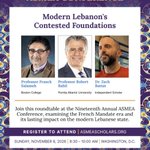
What did the French Mandate era set in motion for modern 🇱🇧 Lebanon? Join our roundtable at the Nineteenth Annual ASMEA Conference w/ Franck Salameh (@oldlevantine), Robert Rabil (@robertgrabil), and Zach Battat.
🔗 asmeascholars.org/upcoming-c…
#ASMEAScholars #ASMEAConference

Significant political initiative including Saudi Arabia and members of Mecca Agreement to visit #Tehran and try to seek a diplomatic solution to the ongoing crisis.
Clearly important factors, grounded in concerns about Saudi allies and worries about serious repercussions for Gulf security and economy, led to this initiative.
According to #KSA: "As part of the Kingdom of Saudi Arabia’s role in fostering regional and international dialogue and peace, the Ministry of Foreign Affairs confirms that the visit to Tehran—undertaken by His Royal Highness Prince Khalid bin Salman bin Abdulaziz Al Saud, Minister of Defense, alongside representatives from the Makkah Agreement for Joint Defense—to meet with senior Iranian officials, is part of ongoing efforts by the Makkah Agreement signatory states to de-escalate the current crisis, promote dialogue and diplomatic solutions, and support the mediation efforts led by the State of Qatar and the Islamic Republic of Pakistan."

Robert Rabil retweeted

Death toll in Jordan’s St. George Church terrorist shooting rises to 8 martyrs
#Jordan #Karak #SaintGeorge #StGeorgeAttack #Updates #Security #RumOrthodox #Christians
syriacpress.com/blog/2026/10…

مشاركتي في النقاش حول تصاعد الأزمة الأميركية–الإيرانية على شاشة #سكاي_نيوز_عربية (#الإمارات) مع الإعلامي سامي قاسمي.
أبرز النقاط التي تناولتها:
تستعد واشنطن لتوجيه ضربة عسكرية قد تكون مدمّرة لإيران، إلا أن الرئيس الأميركي دونالد ترامب لم يتخذ بعد قراراً نهائياً بشنّ الهجوم. وتهدف هذه الاستعدادات العسكرية إلى تعزيز سياسة الدبلوماسية القسرية التي تنتهجها واشنطن، وإجبار طهران على تقديم تنازلات جوهرية. ومع ذلك، فإن احتمالات اندلاع مواجهة عسكرية واسعة النطاق آخذة في التزايد.
أرى أن طهران باتت تفضّل استئناف المواجهة العسكرية على تقديم تنازلات استراتيجية. ويبدو أن النظام الإيراني يراهن على قدرته على الصمود أمام ضربة أميركية مدمّرة جديدة، مع إلحاق خسائر عسكرية واقتصادية وجيوسياسية باهظة بالولايات المتحدة، بما يكفي لإفشال أهداف واشنطن. إنها مقامرة استراتيجية خطيرة تنطلق من قناعة راسخة لدى النظام بأن مجرد بقائه في السلطة يشكّل بحد ذاته انتصاراً.
يعكس السلوك الإيراني الأخير هذا النهج التصعيدي. فالتقارير عن استهداف أربع سفن قبل يومين، إلى جانب رفض طهران، وفقاً لما ورد، اقتراح وزير الخارجية الروسي سيرغي لافروف نقل اليورانيوم المخصّب الإيراني إلى موسكو، تشير إلى استمرار رفض النظام تقديم تنازلات بشأن القضايا الجوهرية التي تشكّل محور المواجهة.
هل يمكن لضربة أميركية مدمّرة أن تؤدي إلى انهيار النظام الإيراني، أو حتى إلى تفكك الدولة الإيرانية؟ كلا السيناريوهين وارد من الناحية النظرية، لكن أياً منهما ليس حتمياً. وفي تقديري، تبقى احتمالات تحققهما محدودة في غياب انتفاضة شعبية واسعة، أو تفكك الأجهزة الأمنية والعسكرية للنظام، أو تدخل عسكري بري مباشر.
من الضروري التمييز بين انهيار النظام السياسي وتفكك إيران كدولة، فهما سيناريوهان مختلفان جذرياً. وبصورة عامة، لا ترى الولايات المتحدة ودول الخليج العربية وباكستان وتركيا مصلحة استراتيجية في تفكك إيران. إذ قد يؤدي مثل هذا السيناريو إلى تفجير صراعات عرقية ومذهبية، وزعزعة استقرار الدول المجاورة، وإطلاق موجات من النزوح واللجوء، وخلق فراغ جيوسياسي ستكون له تداعيات إقليمية بعيدة المدى.
يبدو أن رئيس الوزراء الإسرائيلي بنيامين نتنياهو يعتقد أن استمرار الضغط العسكري قد يؤدي إلى انهيار النظام الإيراني. غير أن هذا التقدير لا يحظى بالضرورة بإجماع المسؤولين الأميركيين والإسرائيليين، إذ يشكك بعضهم في قدرة الضربات العسكرية وحدها على إحداث تغيير سياسي جذري في طهران.
لم تنشئ واشنطن حتى الآن إطاراً مؤسساتياً وسياسياً متكاملاً لدعم المعارضة الإيرانية، على غرار الآليات التي طُوّرت لدعم المعارضة العراقية قبل غزو العراق عام 2003. وهذا يطرح سؤالاً استراتيجياً بالغ الأهمية: حتى لو نجحت العمليات العسكرية الأميركية في إضعاف النظام الإيراني بصورة شديدة، فمن سيملأ الفراغ السياسي الناتج عن ذلك؟ وكيف يمكن ضمان انتقال سياسي منظّم يحول دون انزلاق البلاد إلى الفوضى؟
خلاصة تحليلي:
قد يتمكن النظام الإيراني من النجاة من ضربة عسكرية أميركية مدمّرة، لكن البقاء في السلطة لا يعني بالضرورة الاحتفاظ بالقدرة على الصمود الاستراتيجي. فشنّ هجوم واسع على مراكز القيادة والسيطرة، والقيادات العسكرية، والبنى التحتية الحيوية، قد يطلق سلسلة من التداعيات تتجاوز بكثير حدود المواجهة العسكرية المباشرة.
وفي الواقع، قد لا يكمن الخطر الأكبر على النظام في الضربة الأميركية بحد ذاتها، بل في التداعيات السياسية والمؤسساتية والاجتماعية والاقتصادية التي قد تترتب عليها. فقد يجد النظام، بعد تعرضه لإضعاف شديد، نفسه أمام ضغوط داخلية متصاعدة، وانقسامات داخل النخبة الحاكمة، وتآكل متزايد في قدرته على إدارة الدولة وفرض سلطته.
وهنا تكمن المفارقة الاستراتيجية: فبينما قد لا تسعى واشنطن إلى تفكيك إيران، أو حتى إلى إسقاط النظام بصورة فورية، فإن ضربة عسكرية مدمّرة قد تطلق ديناميكيات داخلية لا تستطيع واشنطن ولا طهران السيطرة الكاملة عليها.
ويبقى السؤال مفتوحاً حول ما إذا كانت هذه الديناميكيات ستفضي في نهاية المطاف إلى انهيار النظام، أو تحوّله من الداخل، أو استمراره في السلطة رغم ما قد يتعرض له من خسائر جسيمة.
إن التمييز الجوهري هنا هو بين تدمير القدرات العسكرية للنظام وتدمير قدرته على الاستمرار في الحكم. فالأول يمكن تحقيقه بالقوة العسكرية، أما الثاني فيرتبط بتفاعل أكثر تعقيداً بين العوامل السياسية والمؤسساتية والمجتمعية.
وهذا ما ستكشفه التطورات المقبلة.
@SamyKasmiSKY @skynewsarabia @fadilaskynews @fchahwan @elhaweyah @TransparencyLBN @MTVLebanon @mofauae @MofaQatar_AR @KSAMOFA @MichellaSKY
youtu.be/NCPtd7nypI0?si=L-vx…


If you happen to be in South Florida! The second American capital of socio-political and ideological power!
#FAU #ASMEA #Newsmax #FoxNews #CNN #Skynews @fchahwan @fadilaskynews @MichellaSKY @elhaweyah @TransparencyLBN #elsiyasa


My interviews on the Ukraine crisis with #SkyNewsArabia
My main points:
The relationship between @POTUS and Ukrainian President Volodymyr Zelenskyy has deteriorated into an increasingly personal and political confrontation. What began as disagreements over the conduct of the war and the prospects for a negotiated settlement has evolved into a broader crisis of confidence between #Washington and #Kyiv.
A major source of friction has reportedly been Zelenskyy's refusal to temporarily suspend Ukrainian strikes against Russian oil refineries ahead of the U.S. midterm elections, despite President Trump's request. Trump reportedly viewed Zelenskyy's refusal as particularly objectionable given the extensive military, financial, and political support Washington has provided Ukraine over the years. From Trump's perspective, Kyiv's unwillingness to accommodate American concerns reflects a troubling disregard for Washington's strategic and domestic political priorities.
More fundamentally, Trump appears increasingly frustrated with what he perceives as Zelenskyy's unwillingness to embrace his diplomatic initiatives to end the war. The American president reportedly believes that Zelenskyy has become an obstacle to a negotiated settlement, raising questions about whether a change in Ukraine's political leadership might facilitate peace. Trump also considers the deep personal animosity between Presidents Vladimir Putin and Zelenskyy a significant impediment to diplomacy, complicating efforts to bring the two leaders to the negotiating table.
Nevertheless, the political tensions between Washington and Kyiv should not necessarily be interpreted as a fundamental rupture in American military and intelligence support for Ukraine. Secretary of State Marco Rubio has rejected Ukrainian allegations that Washington has curtailed its assistance, maintaining that U.S. commitments to Kyiv remain unchanged. This distinction is important: political disagreements between the two presidents do not automatically translate into a wholesale reversal of American strategic commitments.
The geopolitical implications could become even more consequential if Presidents Trump, Putin, and Xi Jinping convene a trilateral summit in China to discuss the Ukraine crisis. Such a meeting, particularly if conducted without meaningful Ukrainian participation, could deepen Kyiv's concerns that decisions affecting its sovereignty, territorial integrity, and security are being negotiated by major powers without its direct involvement.
#usa #ukraine #russia @POTUS @SecRubio
youtu.be/orEgV1OyEPc?si=-AV7…
youtu.be/So1OQK7CDOQ?si=WuPF…


مأساة لبنان المستمرة
كيف يمكن لـ #لبنان أن يستعيد سيادته، فيما تُواجَه محاولة الحكومة تنفيذ سياساتها بتهديدات بالمقاومة المسلحة، أو بالأحرى بأعمال إرهابية؟
إن التحذير الذي يُ reportedly صدر عن #حزب_الله، ومفاده أن أي محاولة من الجيش اللبناني لدخول معقله في #بيروت أو اعتقال أحد مسؤوليه ستُعامَل باعتبارها «عدوانًا إسرائيليًا»، يكشف جوهر المشكلة: لا يمكن لحزب سياسي أن يدّعي حق تحديد حدود سلطة الدولة عبر التهديد باستخدام القوة.
لا يمكن لدولة أن تكون ذات سيادة فيما يحتفظ حزب مسلح لنفسه بحق تحدّي حكومتها بالقوة. ولن يتمكن لبنان من بناء دولة فاعلة، وترسيخ سيادة القانون، وضمان مستقبله، ما دامت مؤسساته الوطنية مقيّدة من قبل تنظيم مسلح يفرض إرادته خارج نطاق السلطة الفعلية للدولة.
لبنان أولًا. يجب أن تكون الكلمة الفصل للدولة، وأن يضطلع الجيش بمهمته الوطنية، وألا يكون أي حزب فوق القانون.
@LBpresidency @nawafsalam #Lebanon #Hezbollah
al-akhbar.com/NewspaperArtic…هستيريا-أميركية-وسعودية-ولبنانية-سببها-خطة-الإيواء-ماذا-حصل

The Continuing Tragedy of Lebanon
How can #Lebanon reclaim its sovereignty when the government’s attempt to enforce its own policies is met with threats of armed resistance? or better yet terror acts.
#Hezbollah’s reported warning that any attempt by the Lebanese Army to enter its #Beirut stronghold or arrest one of its officials would be treated as an act of “Israeli aggression” exposes the fundamental problem: a political party cannot claim the right to dictate the limits of state authority through the threat of force.
A state cannot be sovereign when an armed party reserves the right to challenge its government by force. Lebanon cannot build a functioning state, uphold the rule of law, or secure its future while its national institutions are constrained by an armed organization operating beyond their effective authority.
Lebanon first. The state must prevail, the Army must fulfill its national mission, and no party can stand above the law.
@LBpresidency @nawafsalam
al-akhbar.com/NewspaperArtic…هستيريا-أميركية-وسعودية-ولبنانية-سببها-خطة-الإيواء-ماذا-حصل