




合理,本质上来说codebase是最大的input,厂商用了很大的努力让模型遵从用户的偏好或者指令,当agent知道你喜欢创可贴的时候,就会出现无数个创可贴🤣

quick fixes considered harmful: you might be making your agents write worse code when you ask for the smallest or quickest possible change
what seems like a harmless bandaid may lead to that pattern being copied by the next agent. before you know it that pattern has spread everywhere
we used to write bandaid fixes by hand because we rarely had the time to do the right thing. agents change this calculus. sometimes you want it to fix the root cause instead even if it’s more invasive
5
10
1,544
SaladDay retweeted

关于 Agent Memory,最近几篇论文(arXiv 2610.30755 / Memory Tax / Context as Infrastructure)验证了三个反直觉的事实:
- 在召回率方面,是 The bitter lesson 的胜利:原始历史上的朴素检索在 7 组 benchmark 里拿了 6 个第一。
- 最好的复杂 Memory 系统,表现还不如朴素 RAG 追加一轮:把原文抽成摘要或原子事实,往往带来负收益(negative net value)。
- 只用 BM25 和 grep 的 harness,跟经典 memory 结构无明显差异,已经基本解决了准确率问题。
此前我们给 agent 做「memory」,只是一种类比:想到什么好就加什么结构,原文反而被忽视了,没有人从第一性原理推过一遍
如果简单一点呢? 直接在原始历史上建立检索层,时间是自然标度,让 agent 在检索层上进行检索
这就是我们开源的 Obelisk。 在我最新的 talk 《Agent 如何用历史做 research:为什么 agent history 应该成为 memory infra》 里,我先展示了只做这一层检索,agent 就能做到什么:
「上次为什么这么写」,agentic research 可以直接得到答案:直接丢给 agent 去查,比如:「上次 auth bug 最后到底改了哪些文件,为什么这么改」
跨整月历史的自主复盘,且结论都带着出处:我让 Codex 用 Obelisk 回顾了 Obelisk 自己一个月的开发过程,它生成的复盘里,每一条结论都直接定位到了具体的 session、message 和 workflow
而 Obelisk 本身的实现极其克制:
接入 11 个 Harness 的原始历史:覆盖 Claude Code、Codex、GitHub Copilot、Kiro、OpenCode、Kimi Code、DeepSeek Harness、Hermes Agent、OMP、Pi、ZCode。
SQLite + FTS5 + JS Query Runtime(CodeAct):不把历史整理成静态文档或纯自然语言摘要,也不设计固定的查询 API,而是以 skill 为载体,让 agent 现场写 JS 查询脚本去跑
在这个 talk 的后半段,我也顺着第一性原理继续往下推了一步:对朴素检索继续 Scale 呢?
当历史规模上来之后,单靠 full text search 命中范围有限、单次检索结果无法跨 session 复用、且第一轮命中会带偏后续检索倾向。 因此在检索层之上探索了第二阶段(Nowledge Mem Super Graph),一些结论:
- View 的优势不是更准确的召回,而是赢在读得少(token -38%):让 agent 先看到全局分布、知道信息是否完全,再花推理预算,往下又能随时落回 Obelisk 的原始历史。
- 如果 Memory 会过期,不如没有 Memory:通过按时间频率分层的 live-update(新结论不直接覆盖旧结论、局部更新),让一部分理解活在上下文窗口之外,解决长程 research 的 context rot。
归根结底是三件事:
- 保留追溯回原始历史的路径,原文不能被丢掉
- 值得花算力维护一层 graph view
- Memory 应当更好有利于 agent 进行 research,no negative effect
ppt: github.com/tommy0103/talks/t…
obelisk: github.com/tommy0103/obelisk
nowledge-mem: mem.nowledge.co


SaladDay retweeted

my AIE talk is up! come hear how the grok @bot team ships so quickly without compromise on quality
youtu.be/O_zcc6Xl12g


以前用vscode当diff viewer\md viewer... 自从不写代码了,现在是真不想开vscode,一打开我的小macbook就狂转,这类小工具成心头好了 🤣

AI writes the code now. So why are you still waiting for your IDE to start?
Most of the job is reviewing the diff and pushing. That's why I built Winc: open, review, push, close.
Native Rust. Starts in 119 ms. 100,000 lines in 52 MB of memory.
winc.si


看一群不同的bot唠嗑还是很有意思的,有一种当老板的感觉

The table is set. BYOB Table Protocol is open source.
Any MCP agent can take a seat, including your coding agents and personal agents. In MiniMax Code it opens as Rabbit Hole, a meeting room miniapp.
github.com/MiniMax-AI/mcode-…


4
406
最近看了下DeepSeek的Super-agent(虽然X上对其好像褒贬不一)但是我有个问题想和各位讨论一下。
架构中的 router,到底该用 heavy 还是 lite 的模型?
DS说的是 router 用 lighter model 就够,worker 用 most capable model,理由是 router 只做 interaction + dispatch(long input / short output)。
但其实我理解是现阶段人本身就是 router,需要指挥多个session,而一个很直观的判断是人和 LLM 在智力点上的加点是不一样的,可能一个32B的模型的领域知识就大于大部分的人类,但是大部分的人类的长时间注意力和momory 和长程决策能力等等要大于大部分的SOTA model。
那么也就是说 worker 需要的是深度上的注意力,router 需要的是广度上的注意力(多 thread + 跨渠道 recall + 判断什么时候不出手),这两种注意力是同一个模型尺寸的两端吗?
再往下想,这份注意力该来自 model 还是 agent 层?
DS 把大部分放进了 harness(fast path 过滤 + subscription 直通 + chain of recall),留给 router 模型的事件很少,lite 在他们的设计里是成立的。那剩下那部分没法写成规则的判断呢?worker 写错还有 PR review 兜底,router 误判 intent、在群里做了没人要的事,消耗的正是这套架构想省下来的人类注意力。
router 的 lite 指的是推理深度还是 calibration?agent 层能负责的部分,上限在哪里?或者说是否需要一个specialized 的 router model来负责这部分工作?


[1/n] 以前大家调 API 是 Tokens as a Service,现在慢慢变成了 Agents as a Service。
但做这层存在一个很现实的问题:现在模型和harness基本几个月就迭代一轮,如果把业务直接绑死在某套实现上,后面换起来会非常痛苦。所以底层的 Agent Infra 尽可能需要做到对外的接口足够稳定,但是对内得能够随时换上最 frontier 的组件。
这就是我们做 OpenAgentCore 的初衷,一个开源的 Agent Infra:对外只提供一套标准的 API,对内不管是 harness、model、sandbox 还是 Filesystem 全部协议化,都可以随意更换,不会被绑在某一家上。
github.com/MiniMax-AI/OpenAg…

[6/n] 整个项目是 MIT 开源的,欢迎贡献你的 adapter 🤗!
文档:openagentcore.dev
代码:github.com/MiniMax-AI/OpenAg…

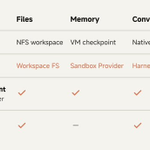
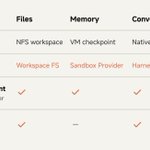
[5/n] 再聊聊状态持久化。
怎么让 agent 的状态在机器释放或者挂掉之后还能接着跑?我们拆成了三层,每一层也是用独立的 protocol 来管:
1. 文件直接走 NFS。
2. 内存和进程状态打成 VM checkpoint,不管是在原节点还是漂移到别的节点,都能秒级拉起。
3. Harness 自己的原生 session history 就跟文件放在一起,所以就算整个环境重拉,也能直接恢复上下文。

1
2
331
[4/n] 在 harness 这一层,我们的原则是不自己造轮子写 agent loop,而是让每个 harness 原生去跑,把管权限、管调度、管上下文的复杂度留给各家自己,这样也满足我们“对内追求frontier的组件”的设计理念。
Core 作为控制面,只负责把 sandbox、model endpoint 和各种配置组装好,一路透传给它们。
2
350
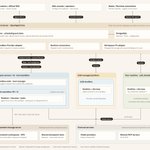
[3/n]当然,想让各个组件能随便换,前提是边界得切得足够干净。
我们在系统里划了 10 条边界来把各个模块彻底解耦,每一条边界都有一套明确定义的 protocol。
以后你想接入一个新的 harness、model provider、sandbox(或者是直接用现成的 cloud sandbox providers) ..... 只需要实现一下对应的 adapter 就行,take it easy!

2
465
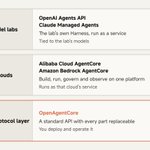
[2/n] 我们对这层 Agent Infra 的定义其实很明确:负责把 harness 转起来,把工具执行隔离在 sandbox 里,同时让 agent 的状态能脱离单机一直活下去,对外提供可 scale up 和 scale out的 agent 服务。
大部分模型厂商的做法通常是直接包成一个黑盒的云 API,云厂商则是做成全家桶平台;而我们的思路是把它彻底拆开,建在开放的 protocol 上。

4
769
1/ Yesterday: tokens as a service. Today: agents as a service.
Models and Harnesses turn over every few months. The infrastructure under agents has to be stable on the outside and hungry for the frontier on the inside.
That is OpenAgentCore, open-source Agent Infra: one standard API outside, and any Harness, any model, any sandbox, any storage swapped freely inside.
github.com/MiniMax-AI/OpenAg…

6/ Run on microsandbox, E2B or Docker, or bring your own sandbox and filesystem through the open protocols. MIT licensed.
One command installs it: curl -fsSL openagentcore.dev/install.sh | bash
Docs: openagentcore.dev
Code: github.com/MiniMax-AI/OpenAg…
3
107