

Track your curiosity. Books → countries → context. The Strava for understanding the world. 🌍📚
Joined January 2026
- Tweets51
- Following49
- Followers5
- Likes89



Breaking news tells you what is happening.
History tells you why.
Iran’s role in today’s conflict is rooted in decades of structural change, especially the pivot in 1979.
This 24-second short is just an entry point.
For real context, read more at Strabo.
China wasn’t always this powerful.
In 1978, it made a decision that reshaped the global economy.
It didn’t abandon communism.
It redesigned it.
24-second breakdown below.
Full reading path → strabo.world/china

Japan was destroyed in 1945.
What followed wasn’t recovery. It was reinvention.
I made a 23-second breakdown.
Full reading path → strabo.world/japan
youtube.com/shorts/5YtSN2AlN…
1945 didn’t just end a war, it forced a question:
If everything collapses, who do you become next?
The first Strabo Blog essay explores Japan’s reinvention through books and film.
strabo.world/blog
If you’ve never read seriously about Russia 🇷🇺,
you don’t fully understand Europe.
Or revolution.
Or empire.
Or modern power.
Here’s a simple way to fix that 👇
3. The Road to Unfreedom — Timothy Snyder
To understand today’s Russia, you have to understand its theory of history.
How it sees the West.
How it sees itself.
How it narrates decline and destiny.
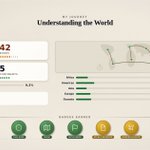
Everyone says they’re “curious.”
Very few can show:
– what they’ve studied
– where they’ve focused
– how their thinking changed
If you’ve never read about Pakistan 🇵🇰,
you don’t fully understand modern geopolitics.
Here’s a simple way to fix that 👇
3 books to better understand Pakistan, in order:
1) The Idea of Pakistan — why the country exists
2) Pakistan: A Hard Country — how power actually works
3) Magnificent Delusions — the regional chessboard
Understanding countries requires structure.
We build reading journeys by country → strabo.world