




aadi retweeted

AIPAC is why your fantasy football team stinks.
AIPAC is why the weather is bad.
AIPAC is why you need an app to park.
Say NO to Bernie’s obsessive scapegoating.
YES to an America that works with our ally to create U.S. jobs, keep America safe, and promote democratic values.

if this is the bubble i'd hate to see what its like when its not a bubble lol

SF’s dating pool was once, as an Egyptian founder put it to us, “drier than the desert in my homeland.”
Now, gorgeous women are flocking to the city.
Why? As AI gets cheaper to build, companies flush with venture cash are hiring beautiful women to charm investors and clients.
Enjoy it while it lasts, gentlemen. As @nicolewizman1 writes: paying hotties 6 figures to get drunk with your business prospects feels like a pretty good sign we’re in a bubble. 👇


aadi retweeted

Good morning, Stanford.
While you slept, we slipped a copy of The Stanford Review under every dorm-room door on campus.
Enjoy your morning paper.



aadi retweeted

Pretty much everybody I meet that isn’t chronically online has the insights of an unsophisticated naive child.
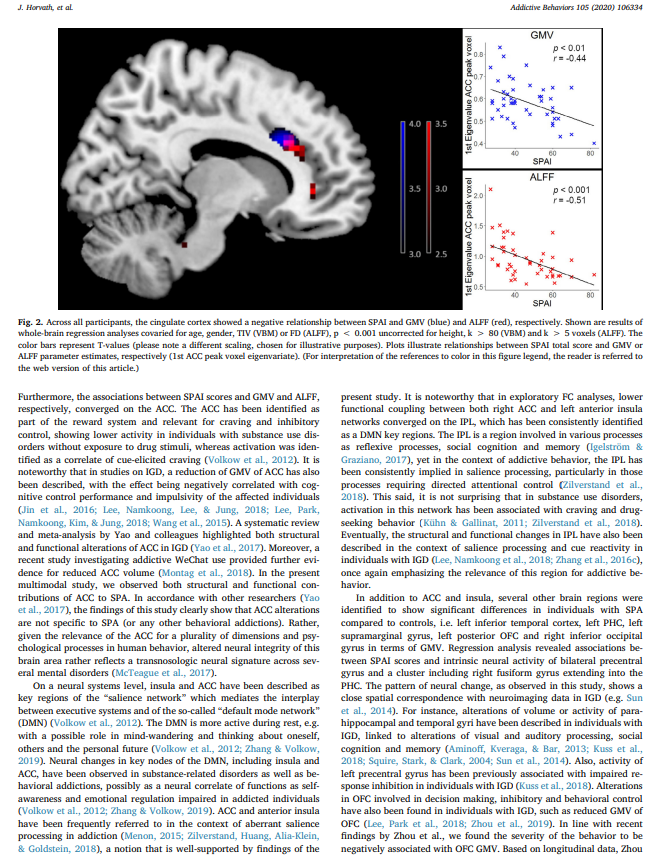
So I really don’t care if the anterior cingulate cortex is a little less glowy. Clearly that doesn’t contribute to judgment.


aadi retweeted

>Laminin is one of the proteins that helps cells attach to their surroundings
>Literally holds us together
>In many diagrams, its structure is shaped like a cross
>Colossians 1,17: “He is before all things, and in Him all things hold together.”
Creation gives testament to its Creator

aadi retweeted

broadly I don’t think anyone is truly bitter lesson pilled enough yet
there are universal truths about all creation that are hidden within the structure of language. the models will uncover them. john 1:1

Today we announced the Claude-led discovery of a molecular machine that we suspect could represent a new gene editing mechanism. Its precise function, biotechnological utility (if any), or level of significance is not yet clear, but at minimum it is work I would have been proud to do as a PhD student. The work was done mostly, though not entirely, by Claude: our life sciences team suggested a broad area of research, Claude read through the literature and a bunch of genome data and discovered something interesting, then Claude proposed experiments to verify the discovery and our team carried them out.
It’s easy to dismiss this as a one-off or curiosity, but we’ve repeatedly seen a pattern where AI performance in new intellectual domains goes from weak to superhuman in a matter of a few years. In 2023 models struggled to do math at the level of an average high-school student. In 2024 they started to do well on math competitions for the best high-schoolers in the country, in 2025 they started to solve minor open problems, in early 2026 more significant open problems, and in late 2026 they are beginning to solve the top few open problems in all of mathematics. We believe AI for biology is on a similar exponential trend.
The main difference between biology and mathematics, of course, is that math can be done purely theoretically, while biology requires experimentation. Some have used this to draw the conclusion that AI’s utility in biology will be limited. We think this is wrong. As we’ve demonstrated today, humans can collaborate with AI to perform the experiments, validate key results in a few weeks and, if necessary, work with the AI to iterate on what they find. Eventually it may even be possible for Claude itself to safely perform the experiments by autonomously controlling lab equipment, with appropriate safeguards in place, but we aren’t doing that today (our lab is also a BSL1/BSL2 facility that doesn't handle materials dangerous to humans).
More broadly, biomedical advancement has many stages — from fundamental biology discoveries, to translational research, to drug discovery, clinical trials, and finally the actual delivery of medicines and health care to patients. We are also interested in these later stages, but even simply accelerating the first stage of fundamental biological discoveries has the potential to speed up and broaden the entire pipeline. Improving our understanding of biology and sharpening biologists’ tools can drive forward all of the later stages, for example by identifying new drug targets, finding new therapeutic modalities, allowing for more precise measurement, and speeding up the experimental loop which itself further accelerates our understanding of biology. This will not in itself speed up clinical trial times, but if it succeeds it could greatly increase the number of promising candidates that go into the pipeline — an increase in throughput even though latency remains.
In Machines of Loving Grace, I wrote about AI’s potential to “cure most diseases in 5-10 years” — a goal that sounds impossible, but one I believe is just barely possible if AI is applied to every stage of the pipeline. The first step is showing that AI can first help with, and then drive, biological discoveries.
Claude’s discovery is the latest in a line of related prior work that goes back decades, beginning with systems like CRISPR, and continuing with discoveries like the bridge recombinase and VIPR in the past few years. Recently, there has been heightened interest in systems based on reverse transcriptase (RT) enzymes, the enzyme underlying the system Claude identified. And most recently, a Stanford team working independently described a novel RT system with an associated non-coding array that is in some ways similar to the one Claude found, though they are distinct systems that evolved independently from each other. I believe that we’re at the very beginning of finding such systems and developing them into powerful tools for biotechnology.
I’m proud of the resources Anthropic has invested in accelerating the public benefits of AI through the life sciences, and we’re aiming both to grow our life sciences team and to work with other scientists to extend this approach to a broad range of problems. If you have a proposal for a research collaboration or are interested in joining our life sciences team, please reach out.

aadi retweeted

Can’t be bothered to get meaningfully involved in the taste/new aesthetics/loss of beauty discourse so thought I’d put together a reading list that you can give to your agent to summarise:
• David Hume - ‘Of the Standard of Taste’ (1757)
• Edmund Burke - ‘On Taste’ (1759)
• Immanuel Kant - ‘Critique of Judgement’ (1790)
• GWF Hegel - ‘Lectures on Aesthetics’ (1835)
• John Ruskin - ‘The Lamp of Memory’ (1849)
• John Ruskin - ‘The Nature of Gothic’ (1853)
• Charles Baudelaire - ‘The Painter of Modern Life’ (1863)
• Friedrich Nietzsche - ‘On the Uses and Disadvantages of History for Life’ (1874)
• William Morris - ‘The Prospects of Architecture in Civilisation’ (1881)
• Filippo Marinetti - ‘The Futurist Manifesto’ (1909)
• Adolf Loos - ‘Ornament and Crime’ (1913)
• Le Corbusier - ‘Toward an Architecture’ (1923) *especially the chapters ‘The Engineer’s Aesthetic and Architecture’ & ‘Eyes Which Do Not See’*
• Walter Gropius - ‘The Theory and Organization of the Bauhaus’ (1923)
• Lewis Mumford - ‘Assimilation of the Machine’ in ‘Technics and Civilisation’ (1934)
• Walter Benjamin - ‘The Work of Art in the Age of Mechanical Reproduction’ (1936) *particularly the final third*
• Clement Greenberg - ‘Avant-Garde and Kitsch’ (1939)
• Theodor Adorno & Max Horkheimer - ‘The Culture Industry: Enlightenment as Mass Deception’ (1944)
• Meyer Schapiro - ‘Style’ (1953)
• Martin Heidegger - ‘The Question Concerning Technology’ (1954)
• Reyner Banham - ‘The Machine Aesthetic’ (1955) *also the book ‘Theory and Design in the First Machine Age’ (1960) for broader history of early modernist architecture*
• Reyner Banham - ‘The New Brutalism’ (1955)
• Jane Jacobs - ‘The Death and Life of Great American Cities’ (1961) *haven’t personally read this but canon*
• George Kubler - ‘The Shape of Time’ (1962) *one of my favourites*
• Robert Venturi - ‘Complexity and Contradiction in Architecture’ (1966)
• E. H. Gombrich - ‘Style’ (1968)
• Manfredo Tafuri - ‘Architecture and Utopia’ (1973)
• Susan Sontag - ‘Fascinating Fascism’ (1975)
• Pierre Bourdieu - ‘Distinction’ (1979)
• Fredric Jameson - ‘Postmodernism, or The Cultural Logic of Late Capitalism’ (1984) *the essay not the book, especially parts on pastiche and nostalgia*
• Marc Auge - ‘Non-Places’ (1992)
• Umberto Eco - ‘Ur-Fascism’ (1995)
• Rem Koolhaas - ‘The Generic City’ (1995)
• Elaine Scarry - ‘On Beauty and Being Just’ (1999)
• Arthur Danto - ‘The Abuse of Beauty’ (2002)
• Rem Koolhaas - ‘Junkspace’ (2001)
• Svetlana Boym - ‘Nostalgia and Its Discontents’ (2007) *also her book ‘The Future of Nostalgia’ (2001)*
• Mark Fisher - ‘The Slow Cancellation of the Future’ (2014)
• Byung-Chul Han - ‘The Saving of Beauty’ (2015)
aadi retweeted

I know French so I’ll translate what she says:
A need for industrial production of anti-matter for a new generation of rockets
How central banks are failing and data itself can be a new currency. She urges the viewer to read Center Studies “Debt to the Center” to understand
She doubles down on a YIMBY policy for beautiful but affordable new housing for young families in major cities
The need for balancing the capex of more data centers coming online for larger AI training runs, while supporting a healthy Open Source ecosystem at the frontier to prevent lock-in on AGI
And finally she comes out on the side of Pope Leo on the Encyclical “Magnifica Humanitas” but suggest some amendments to the document, showing her background in mechanistic interpretability

aadi retweeted

>be me
>discover effective altruism
>apparently normal charity is inefficient
>why donate to random sad thing when spreadsheet can tell you optimal sad thing
>fair enough
>buy mosquito nets
>save lives
>numbers look good
>feel powerful
>couple years later
>someone asks an innocent question
>why only count people alive today
>huh
>future people matter too
>obviously
>my grandchildren shouldn't matter less just because they haven't spawned yet
>reasonable.jpg
>keep following logic
>what about their grandchildren
>also yes
>what about people in 500 years
>sure
>5000 years
>why not
>500 million years
>starting to get weird but morality is morality
>open calculator
>humanity could survive for an astronomically long time
>could colonize galaxy
>could have trillions upon trillions of descendants
>maybe digital people too
>maybe simulated civilizations
>maybe dyson spheres full of happy uploaded minds
>calculator starts smoking
>realize currently living humans are rounding error
>8 billion people suddenly looking extremely beta
>future contains potentially 10^something people
>can't even fit beneficiaries in google sheets
>new moral priority unlocked
>protect the long-term future
>stop thinking in units of "people helped"
>start thinking in "fraction of cosmic endowment preserved"
>malaria?
>terrible
>but only kills existing humans
>AI extinction could delete the entire light cone
>nuclear war could permanently derail civilization
>bad institutions could lock in terrible values for ten million years
>someone invents wrong constitution in 2140
>quadrillions suffer
>better fund governance workshop now
>friend says maybe we should improve hospitals
>explain opportunity cost
>friend says hospitals are full of actual sick people
>explain scope sensitivity
>friend stops inviting me to dinner
>need to decide what to fund
>easy
>expected value
>suppose project has one in a million chance of preventing extinction
>sounds tiny
>but extinction destroys 10^50 future lives
>multiply
>mother of god
>$10 million project has expected value of several galaxies
>charity evaluation complete
>someone asks where the one-in-a-million number came from
>expert judgement
>which expert
>us
>how calibrated
>extremely thoughtfully
>reduce estimate to one in ten million to be conservative
>still beats curing cancer by 38 orders of magnitude
>epistemic robustness achieved
>someone says maybe project doesn't work
>assign 20% chance
>still astronomical
>maybe project makes problem worse
>assign 5% chance
>still astronomical
>why 5
>because 30 felt pessimistic
>publish 46-page report
>contains seventeen sensitivity analyses
>every sensitivity analysis begins after assuming intervention has positive sign
>critic says you're multiplying enormous hypothetical stakes by extremely uncertain probabilities
>yes
>that's literally why it's important
>critic says the uncertainty might be structural rather than numerical
>make probability smaller
>critic says no, I mean maybe your model is wrong
>make probability smaller again
>critic begins rubbing temples
>discover AI safety
>perfect longtermist cause
>AI might kill everyone
>or create utopia
>or seize galaxy
>or tile universe with paperclips
>or create billions of conscious software minds
>finally a problem with numbers big enough for me
>start AI safety nonprofit
>mission: prevent dangerous AI
>hire smartest people available
>smartest people immediately start building better AI to understand dangerous AI
>interesting
>we must understand capabilities to understand safety
>we must scale models to study alignment
>we must race ahead so less responsible actors don't get there first
>we must deploy systems to learn how deployment can go wrong
>we must build the thing quickly because building the thing quickly is dangerous
>outsider asks why the people most worried about AI apocalypse all work at AI companies
>complicated field
>company releases stronger model
>very concerned
>company begins training even stronger model
>extremely concerned
>company raises $14 billion
>concern reaches unprecedented levels
>need to influence government
>future is at stake
>normal democratic process too slow
>politicians don't understand exponential curves
>public doesn't understand x-risk
>experts must guide them
>who counts as expert
>people who understand x-risk
>who understands x-risk
>our friends
>someone objects that this seems politically convenient
>explain we're representing future generations
>future generations unavailable for comment
>develop concept of value lock-in
>terrifying possibility that one ideology controls civilization forever
>therefore extremely important that civilization adopts correct values before lock-in
>whose values
>let's circle back
>begin with impartial morality
>end with small group of people deciding what quadrillions of hypothetical beings would want
>beautiful arc
>meanwhile actual humans keep doing annoying things
>voting wrong
>having parochial attachments
>loving family more than strangers
>caring about local community
>getting upset when told their suffering is cosmically negligible
>evolutionary biases everywhere
>explain that moral intuition cannot be trusted
>except intuition that future digital people count
>and intuition that extinction is uniquely bad
>and intuition that our probability estimates are sane
>and intuition that our institutional choices improve the future
>those intuitions survived peer review
>someone donates $5k to local homeless shelter
>inefficient
>could have funded 0.0000000000003% of an AI governance researcher
>think of all the simulated people you just killed
>okay maybe don't phrase it that way publicly
>PR team says "future generations deserve a voice"
>much better
>journalist asks what longtermism means
>say "future people matter"
>everyone agrees
>great
>journalist asks what follows from that
>well technically we should redirect enormous resources toward low-probability interventions affecting astronomical futures
>journalist raises eyebrow
>return to "future people matter"
>motte has entered the chat
>critic: of course future people matter
>me: glad we agree
>critic: I don't agree that your institute knows how to help them
>me: why do you hate our grandchildren
>eventually notice uncomfortable implication
>if future value dominates everything
>then helping people today mostly matters through effects on future
>education matters because future institutions
>health matters because future productivity
>democracy matters because future trajectory
>human beings slowly become instrumental variables in their own moral philosophy
>see starving child
>feel compassion
>check spreadsheet
>child's direct welfare contribution negligible
>but perhaps childhood nutrition improves national institutional quality
>compassion restored
>tell myself this is impartial altruism
>one day assistant asks obvious question
>"how do you know your intervention actually improves the far future?"
>silence
>open spreadsheet
>increase column width
>add confidence interval
>assistant asks again
>"no, I mean how do you know the sign is positive?"
>stare into cosmic light cone
>10^50 people staring back
>none of them exist
>none of them can tell me
>none of them can falsify my assumptions
>realize I have invented the perfect constituency
>infinitely important
>completely silent
>and always represented by me
aadi retweeted

the way I conceived of a 24 year old banker saving his colleagues from a burning building back when it happened, when I was still in high school, was these were adults. looking back now, so many of them were so, so young. they just started.


the girl I was talking to asking her group chat for advice about how to reject me and destroy my chudheart in a million pieces

A group of orcas was captured on camera engaging in what scientists call "ram-to-fragment" behavior.
One whale holds a large sunfish and lets go just before another rams it at high speed, pulverizing the fish into thousands of pieces.
In a new study, scientists say the behavior could be a clever way to feed the young, a form of play, or a combination of both.
Read more: abcnews.link/MyRkbvO
aadi retweeted

Yankee Doodle is literally a song that compares Americans to an effeminate moron that does nothing but try to peacock themselves by buying tacky crap yet it’s one of the country’s most famous patriotic songs. Part of our legacy is taking things meant to insult us and turning it around to be a symbol/anthem for us.


