




Pinned Tweet
Precopscan : The Bitcoin L1 Radar for any taproot Asset.
Every token.
Every covenant.
Any tree.
Any $leaf.
Any script.
Verify on-chain. 🌱
Precopscan (🌱) retweeted

cz点赞了这条。仔细看了下,原来btcfi有更深的一层意思:
1·如果矿工收益持续萎靡,而比特币原链上具有defi功能,质押btc就在比特币链上哪也不去,并释放类似axbt这样的流动性,会使得矿工(或者大户),能持有btc也能获得一个年化收益。这对比特币矿工而言是一种收入的新增。
2·文中提到的defai的意思是 比特币链上不仅进行defi,而且是ai参与的defi。这点暂时未有过多感想。
3·btc的defi并不需要很多的币来流通。(因为比特币大户可能更固执,倾向于价值贮藏,排斥新事物),但是仅仅只需要5%的比特币流通量,即可盘活整个比特币链的经济活跃性,比特币上的新项目的市值大大增加。
4·文中意思认为,不仅仅是比特币的价值贮藏成为了比特币储值的上限,而比特币原链上的defi金融行为一旦开始,也会出现类似eth的应用活跃高峰期,市值增加,eth的应用活跃低位惨淡期,市值下降。往好的方面看,比特币原链上的defi行为也会位比特币的总市值,和单币价格提供更高的价格数值。
5·由于crc20协议和闪电网络协议不存在竞争,crc20协议是链上的btc质押、借贷出流动性(借贷出axbt)、流动性池子参与者“获得利息”、axbt未来可以兑换runes货币、ordinals铭文货币、也可以兑换出wusd的稳定币。但是闪电网络是做什么?是把比特币锁在链上保险箱,然后在链下急速交易,原本好几分钟的交易,现在在闪电网络足够安全的协议下,数百万笔交易可以各自在几微秒完成,唯一的代价就是在链下加速,但是足够安全。所以闪电网络提升了比特币的交易速度,而crc20类似的协议提供了为何用户会产生流动性的需求,可以在比特币本身的链上生态的活动可以产生利息。
6·cz的点赞让我突然意识到对defi理解的不足:我以为会类似铭文一样只是一个新事物和热点,追求meme的机会。但是crc20的出现,其实对矿工的收益补贴会有利,而crc20的defi带来的新环境,会让比特币链上假设5%的用户产生流通,就会增强整个比特币链的生态的活跃度,项目生长度,反过来增强比特币的市值。也就是流动性产生的市值增益。而且这种增益也在增强保卫比特币的矿工们的收益,也在变相为保护比特币提供资金。
7·如果量子升级下,这些defi协议会不会需要改变?如果要改变,那现在的 协议能使用几年?还是说哈希碰撞改变但是不影响流通协议的代码?这点未知。
8·其实crc20协议会极大的增强比特币的链上负担和拥堵性,所以闪电网络类似的链下缓解和加速,是和btcfi必须互相利用共赢的,否则btcfi本身就会遭到反对。
总之,不仅仅是crc20的协议意义,而是比特币生态还需要什么?才可以保护btc,增强btc?最后再次提到bitmap,bitmap也会补贴矿工,以后再说。

致比特币大户的一封公开信
关于挖矿收益减半风险、激活沉睡在钱包内的BTC,共建比特币生态。
尊敬的比特币大户们:
当前为2026年10月底,下一次比特币减半预计在2028年4月前后(区块高度1,050,000),届时区块奖励将从3.125 BTC降至1.5625 BTC。减半是协议的既定规则,它持续强化稀缺性,但同时也压缩矿工的补贴收入。若价格未能充分对冲、链上手续费增长缓慢,或电力与设备成本上升,部分矿工可能阶段性退出,哈希率出现波动,从而在短期内影响网络安全性。对持有大量比特币的各位而言,网络的安全、去中心化与活跃度,直接关系到资产的长期价值与流通信心。
大量比特币长期“躺在钱包睡觉”,流动性不足是生态规模受限的重要原因之一。只要撬动其中约5%进入真实使用与流通,就能显著提升链上活动、手续费收入与整体经济体量,形成对矿工更可持续的激励闭环,让生态迅速壮大。这不是口号,而是简单的流动性杠杆效应:少量活跃资金可以撬动更大的应用、交易与创新规模。
要实现这一目标,需要在比特币原生路径上持续建设,而不是依赖外部桥或非原生方案。当前有两个方向值得重点关注:
• CRC20一层(L1)与DiFAI相关探索:CRC20是比特币主网上基于Taproot covenant的代币协议方向,通过脚本路径与锁定条件,把同质化资产规则更贴近比特币本身执行,降低对纯索引器记账的依赖。在此基础上结合DiFAI(去中心化金融+AI)思路,有望在一层上发展更原生的资产发行、交换与智能化应用实验,为沉睡的BTC提供更多原生参与入口。
• Sat20聪网(SatoshiNet)L2秒级流通层:聪网是基于闪电网络风格通道(RSMC)的比特币原生扩展网络,资产来源于主网,用户保留退出与控制路径,同时在L2上实现更低成本、更快(秒级)的资产流通与可编程执行。它支持BTC及主网原生资产的高效流转,适合作为高频交易、应用与社区基础设施的执行层,帮助把主网结算能力延伸到日常使用场景。
这两层相辅相成:一层提供更原生的资产与规则基础,二层提供秒级流通与应用体验。大户们拥有资金、影响力与长期视角,可以在以下方面共同参与:
1. 将部分闲置BTC用于支持矿工与基础设施(直接参与、长期协议或相关投资),稳定哈希率过渡期。
2. 关注并支持CRC20一类原生L1协议与聪网L2的开发、钱包、索引器、应用与社区建设,推动真实使用场景落地。
3. 以小比例资金试探性参与流动性提供、应用测试或生态资助,帮助形成“使用—手续费—安全”的正向循环。
4. 以机构或集体方式协作,而非单纯持有,共同提升生态的抗风险能力与规模。
比特币的长期价值不仅来自总量上限,更来自全球共同维护的安全网络与活跃经济。减半是挑战也是机遇。只要我们愿意让一部分沉睡的资金动起来,并持续建设原生基础设施,生态就有条件变得无比庞大。
期待各位大户以建设者的姿态共同参与,让比特币在奖励持续减少的过程中,依然保持强大的安全性与活力。
此致
敬礼
(一份关心比特币长期安全与生态发展的观察者)
2026年10月

Precopscan (🌱) retweeted

AXBT债券的抵押品是真实的BTC,不是包装的BTC,并且在BTC链上验证,所以AXBT债券不会超发。
根据CRC-20协议(crc.garden上的AXBT相关文档)的设计。
AXBT是CRC-20账本上的一种代币,通过CDP(抵押债务仓位)方式发行:用户把真实的原生BTC锁定在Bitcoin L1的Taproot金库输出(vault)里,indexer验证后才会在CRC-20账本上给对应地址记入相应数量的AXBT债务,并同时记录等额债务。抵押品是真实的BTC UTXO,不是包装代币(如WBTC)或跨链桥上的表示,也没有把BTC移出比特币主链。 crc.garden
发行公式是严格绑定净抵押金额C(sats)的:
q = \lfloor C \times 990 / (1085 + 4 \times k) \rfloor
其中k是选择的锁定期档位(1到100),对应约110%到150%的抵押率。其他无关的比特币输出不会被计入,从而不会额外增发AXBT。开仓需要完整的资金交易(funding tx)+特定标记({"p":"crc-20","op":"open","tick":"axbt"})+预签名退出路径,indexer会核对比特币链上的UTXO、脚本、CSV延时等细节后才承认并记账。 crc.garden
关闭金库时需要全额偿还(燃烧)对应的AXBT债务,才能释放锁定的BTC(通过预签名的owner exit或到期后的清算路径)。债务与抵押一一对应,indexer按比特币交易顺序重放并验证,无法凭空超发。 crc.garden
简单来说:AXBT的供给是由真实锁定的BTC抵押“背书”的,发行规则写在协议里并在BTC链上可验证,因此协议层面不会出现无抵押超发的情况。

Precopscan (🌱) retweeted

10 steps to understand #crc20.
1. bitcoin solved money. it's the best collateral on earth, but it just sits there. it never solved finance.
2. there is a liquidity paradox: to make ur btc work, u always had to give it away. a wrapper, an exchange, another chain.
3. every "btcfi" before took the coin off bitcoin. every time, someone else ended up holding the keys (we all know how that ends).
4. bitcoin made money honest. today, crc-20 makes it liquid. soft covenant is the core idea.
5. ur $btc goes into a vault: a taproot utxo, on L1, with time locks and spending paths bitcoin itself enforces (here, soft covenants).
6. from that vault u mint $axbt, a debt token backed by more $btc than it's worth (110% to 150%), with a (guarantee) term counted in blocks.
7. $axbt moves. swap it for $leaf. add liquidity to the pool. trade it. liquidate matured vaults. while ur $btc stays exactly where it is.
8. the yield: 1% swap fees to liquidity providers. and matured unpaid vaults go to whoever repays their debt.
9. every locked vault counts as tvl. $btc that was sleeping is now working. and u can verify every vault, every lp, every swap.
10. bitcoin where ur coins stay on L1, in ur own utxo, and still become liquid finance. none of it needed a fork. no new opcode. no consensus change.
let's grow (🌱)
Precopscan (🌱) retweeted

This is one of the cleanest explanations of real Bitcoin-native finance I’ve seen.
No wrappers.
No bridges.
No “trust us with your keys.”
Your $BTC stays in your own Taproot UTXO on L1. Soft covenants do the rest. You mint overcollateralized $AXBT, swap into $LEAF, provide liquidity, earn fees… and the Bitcoin never leaves the chain.
Most “BTCFi” still ends up moving the coin somewhere else. This one actually keeps it on Bitcoin.
Big respect to @tap3leaf and the whole @leaf_btc crew for building this the hard way no new opcodes, no consensus changes, just pure L1.
This is the direction that actually matters.
Let’s grow 🌱
#crc20 #Bitcoin #BTCFi


10 steps to understand #crc20.
1. bitcoin solved money. it's the best collateral on earth, but it just sits there. it never solved finance.
2. there is a liquidity paradox: to make ur btc work, u always had to give it away. a wrapper, an exchange, another chain.
3. every "btcfi" before took the coin off bitcoin. every time, someone else ended up holding the keys (we all know how that ends).
4. bitcoin made money honest. today, crc-20 makes it liquid. soft covenant is the core idea.
5. ur $btc goes into a vault: a taproot utxo, on L1, with time locks and spending paths bitcoin itself enforces (here, soft covenants).
6. from that vault u mint $axbt, a debt token backed by more $btc than it's worth (110% to 150%), with a (guarantee) term counted in blocks.
7. $axbt moves. swap it for $leaf. add liquidity to the pool. trade it. liquidate matured vaults. while ur $btc stays exactly where it is.
8. the yield: 1% swap fees to liquidity providers. and matured unpaid vaults go to whoever repays their debt.
9. every locked vault counts as tvl. $btc that was sleeping is now working. and u can verify every vault, every lp, every swap.
10. bitcoin where ur coins stay on L1, in ur own utxo, and still become liquid finance. none of it needed a fork. no new opcode. no consensus change.
let's grow (🌱)
Precopscan (🌱) retweeted
对leaf的一些分析:
比特币上以leaf开发的协议和eth上的defi协议仍然有些不同,但希望能透过以下说的缺陷和怀疑,再反观leaf的创新性,会更加理性:
1·eth上的defi,当借款人抵押,并借出,如果抵押物的价格下跌到清算线,会立即清算。对于债主而言,他借出去是比较安全的。
但是btcfi的leaf协议不同,即使借款人抵押了110%~150%于借出的axbt(每axbt等于1聪的价值绑定),清算线是不存在的,也就是btc抵押在里面下跌50%下跌99%归零还是上涨,都不会产生清算。leaf协议下的清算机制是:由借款者限定一个“时间线”,譬如100天之后,在这100天内无论比特币插针还是拔网线,还是暴涨,总之最后那一天只要比特币涨回去了,只要在最后一秒前把axbt给回系统,系统就会把抵押物btc返还给借款人。如果比特币暴跌50%,借款人发现手里的axbt的价值还大于比特币的价格,借款人就可以不还钱。他就可以在超过100天之后,拒绝还款。这时候市场上的债主,就可以开始“狩猎”了,债主在超过“时间锁”的100天之后,随时随地都可以去市场购买等同于当初借给借款人的axbt,等同数量。然后塞回给系统,系统再把暴跌了50%的比特币转给债主。
注意,leaf的债主并不是一个独立的人借给你的,leaf的债主是一群人,是一群市场上主动买入leaf和axbt代币各一半的,看好leaf协议的投资人,他们提供了流动性。借款人去借钱,系统收取一些税费奖励这些提供流动性的人;借款人借的钱,就是这些“提供双边流动性的债主”的钱(技术其实不是双边,但功能效果一样)。
刚刚讲了btc暴跌,下面讲下btc暴涨和不涨。如果100天之后,借款人忘记了时间,债主会在临近时分就开始“狩猎盯盘了”,哪个债主看到一笔超过“时间锁”的单子公开到市场的第一秒,他就可以将这些btc还保留有原价值或者暴涨的价值,以当初借款人借走的多少axbt的数量,以等同的axbt归还系统,就可以取回这笔btc,获得超额收益。
注意:债主之间谁gas高,谁第一个抢到,而且如果借款人即使超过100天,只要他比债主的gas费还高,他依然能有资格去还axbt赎回btc。
在这里会发现,借款人和债主之间是一种零和博弈的对手盘。双方甚至等于在针对“一个时间期限后”比特币是长还是跌,是多还是空的期权对赌。如果btc未来下跌,借款人开的“借款合约”不赎回,盈利,债主承担损失(因为借款人跑路了一分钱拿不回来,现在债主偿还axbt,至少还能回本一些,如果btc跌的太多了,债主也干脆不赎回了,不然再次增加亏钱,但幸好比特币整体的插针回复,和长期的回升力,这个导致崩盘的情况概率很小);如果btc未来上涨,债主们就期待借款人忘记还款期限,立刻“狩猎”这块肥肉,但是借款人如果普遍都很小心,那么债主们也就什么收益都没有,依然只有整个协议的流动性和微博利息。
2·稳定币并不如btc和axbt的流动性池子。
目前最大的问题是,整个协议号称一个axbt等于1聪,保证了一个比特币能兑换出的axbt的铆钉稳定性。但是由于axbt需要用户们通过唯一的交易对,现在市场上买入leaf代币,而leaf代币是在市场上波动的,然后再买入axbt。
因此axbt和比特币的一聪之间的汇率,也会因为目前leaf和axbt的池子比较浅,而产生波动。譬如axbt现在跌到了只能兑换0.8聪,这时候怎么办?
市场的借款人和债主都会自动去修复差价,譬如一个借款人本来要还1000axbt,他由于借到了axbt立刻买入了leaf,手上没有axbt,本来100天后到期要花1000聪的价格买回1000axbt还款,才能取回btc抵押物(约等于1100聪~1500聪的价值,时间锁的期限如果是200天更久,抵押物的价值系统就要求抵押的越高),但他现在看到只需要800聪就能还款,他会立刻去抄底这些axbt修复价差。
而市场上的债主们,同理,市场上如果一直停留着一些借款人超过时间锁的btc抵押物,而且长期没有一个债主愿意去支付axbt赎回,这证明现在现在市场很差,如果债主赎回这些不值钱暴跌50%的btc(比如:借款人之前9万美金抵押物,借走了6万美金的axbt的钱,债主支付了6万美金的axbt,现在比特币跌了50%,抵押物只有4.5万美金,但是借款人肯定沾沾自喜拒绝还钱,超过时间线,但一个个体的“狩猎”债主 任然要偿还给系统6万美金等值的axbt,注意借款人跑路的时候,不是这一个债主承担,是所有提供双边流动性池子的人共同承担,axbt的价格略微下跌,此时市场上这个违约的btc抵押物,借款人不要了,就看有没有个体债主愿意代替借款人偿还等数量的axbt给系统,也就是注入资金买入leaf,再兑换为axbt,这对系统而言就是修复了axbt的下跌,略微回升到1聪的平衡点。
但是这里注意:一个狩猎这些违约借款合同的人,他会计算:剩下4.5万美金价值的btc,我却要还款6万美金价值的axbt?他倒亏1.5万元?所以他大概率不会去还款。
而这时候当axbt下跌到0.8,他只需要还款5万元,如果axbt下跌到0.5他只需要花3万美金就可以买入之前6万美金等同数量的axbt,环入,就可以拿走4.5万美金价值的btc,中间利润为1.5万美金。
以上就是axbt目前价格暴跌如何修复,至少可以肯定的是,这个不会像luna那样螺旋暴跌。)
但是即使axbt的价格可以价格行为去修复,但是这只是弥补的方法,整个leaf协议最大的问题,依然是只有leaf一个入口,才能买入axbt,leaf的池子特别小,即使未来会很大,但是leaf毕竟还是不如一个类似usdc母公司提供法币和usdc1:1兑换的稳定的锚,而官方最好的方法就是提供btc和axbt的交易对。但是现在技术没法实现,因为现在只是质押btc,获得一部分axbt,但是axbt和btc之间的流动性池子并没有出现,而且这个技术障碍还需要未来去攻克。因为比特币原链很难识别crc协议,产生比特币和axbt之间的原生交换,或许未来leaf团队能攻克,但也需要很久譬如数年。
leaf团队,现在退而求其次,不能以btc和axbt进行锚定。我自己发行一个wusd的稳定币行不行?wusd被人们承认,是1:1锚定usdt的。而这里的风险在于,wusd能让circle这样的合规母公司,通过代币合约安全审查,然后发行吗?这也是很以后的事情。里面是否有漏洞?需要更严苛的审查。但是,至少类似我们这些早期使用者,愿意去支持,以1美金等于1wusd的方式去相信,或以()链下市场)usdt和wusd的池子,在它的链下客户端中兑换,会产生一个池子,再由wusd和axbt的(聪单位)间形成强劲有力的刚性兑付的锚定。
所以目前整个leaf的协议,最核心的问题就是刚性兑付,导致的1axbt能否稳定=比特币1聪,牢牢的锚定。这里是用户们安全储值,和保证axbt不会只有单单一个leaf通道进出兑换造成的,暴涨暴跌的波动性。
最疑虑的说完。我们再说说好处,再最后说回让人欣喜的愿景:
1·好处:
a·无论是runes的烷jin协议,这个协议即使是美国安全审计合规了,他们的defi也不是在btc的原链上的,是其它链下的池子,所以根本就不能说是btc的btcfi。还是第三方的。
b·eth的defi,有一个痛点,插针!!!如果插针30%,你的抵押物就已经爆仓了!对于借款人而言,当然开心的要死。对于借款人而言,插针立刻回收白白损失了。30%的亏损。而btc的时间线,你自己借款人自己写deadline,时间线,并且写了之后之前的任何一天,你都可以还款,而且不管btc如何插针,只要修复回去了,你就可以高高兴兴的赎回btc,根本就没有插针风险。所以对于借款人而言,这是很开心的一件事。
c·闪电网络和leaf协议不构成竞争,闪电网络是支付速度,处理速度,和leaf反而是互补性的。所以没有竞争。
d·之前的btc的defi是怎么做的?是类似在bsc链eth链发行映射一个假的wbtc进行,而管理wbtc的是一个第三方的机构,是人的机构!这是多么不安全的一个行为啊!!!
对于一个btc原生原教旨主义者,就和沙丘里的革命军一样,我的btc质押,怎么能掌握在帝皇的手里呢?所以btc的质押如果能就在比特币链上,非常的安全!就好了!所以leaf协议达到了,划时代的处理!
我甚至可以“贬低”的说,虽然axbt肯定不会像luna一样死亡螺旋,但是就算在比特币开始一次新概念的创新,再死亡一次,又如何?就没有高估值了?这段话可以省略。
回到客观的话来说:leaf是目前整个比特币,唯一提供了比特币的持有者(超级大户和权贵们),不用离开比特币链,把比特币质押在比特币原链上,不用交给别的人别的机构(会跑路),只靠比特币上的时间锁,就可以直接在原链上释放流动性,将静态储值,释放为比特币愿链上的动态流动性,具有套利的行为。我认为这个基础设施的出现,
先不管锚定的axbt的安全性,未来一定会出现axbt和更多比特币原生币中的交易对:
axbt/ordi
axbt/runes
axbt/bitmap
... ..
当比特币的defi基座从0到1出现,横向扩充更多比特币的原生交易对的流动性世界,就会出现。
注意:axbt和btc交易对的技术攻克很难,而axbt和ordi,runes,bitmap这些同为xrc-20的协议,同为 meta-protocol 资产,技术上相对可行,难度降低很多。就看未来leaf协议方如何攻克。
而注意,如果未来leaf和bitmap ordi之间的交易对,无法原链上攻克,只能链下撮合手段,第三方解决,这也会一定程度稀释leaf协议所谓的原生btc原链btcfi的叙事浓度。
最后说回整个协议,一开始的初心,也是最让人希望的愿景:
只在比特币原链上,发生比特币的金融行为,没有以太坊,比特币的wusd稳定币,比特币的静态储存质押,并释放出axbt的动态流动性在比特币链的未来更多池子内穿梭。
目前crc-20协议最牛逼的就是实现了借款人质押btc,在btc上原生的聪,类似染色的聪变为axbt(但不是染色聪说是),再释放一部分axbt给回借款人。
有人说为何我持有btc,就可以交易,我还要一个axbt来提供流动性?
因为btc你现在只能卖出,或者买入,然后质押给第三方,获得利息,btc你安安静静地持有就没有任何收益!就是一块死饼!但是axbt,btc还是在链上时间锁锁着的,你axbt就在链上,在没有其他交易对出现的当下最初期,你至少可以拿到axbt和leaf做流动性池子,获得稳稳的微弱利息和报酬。这也相当于btc现在持有你没有卖出,仍然在为你身产生收益。
总之,比特币第一次产生了质押和借贷,而借贷让你不用卖出btc,随时能够赎回的前提下,还稳稳的参与投机性、流动性的生息收益。
ordinals没有,stamp没有(src-20),atomicals没有(arc-20),cbrc-20没有,runes没有,bitmap没有。
这是比特币第一个原生defi的资产协议。
投能够接受归零的的钱,然后忘记他,很可能归零,也可能...
DYOR
@tap3leaf @leaf_btc @theprecop
如有错误请指出 纠正

GM Frens.
First CRC20 stablecoin on Bitcoin is a bigger step than it looks.
Most Bitcoin stablecoins still rely on sidechains or federations. @theprecop is trying to keep the state and enforcement closer to L1 using covenants under CRC-20. If the stablecoin pool works, it means they’re testing collateralized debt without moving everything off the base layer.
LEAF already handled basic tokens. An AMM and now a stablecoin pool is the next real test. Still early and liquidity will stay thin, but this is one of the few attempts actually building financial primitives directly on Bitcoin instead of waiting for a soft fork.
Worth watching how the first pool holds up. @laz1m0v @tap3leaf


Precopscan (🌱) retweeted
WUSD 是 PRECOP / CRC-20 协议在比特币 L1 上的稳定币(stablecoin)代币。 @leloupump 它属于 CRC-20 Mint / Burn Standard,和 AXBT 组成了 AMM 流动性池(AXBT-WUSD)。PRECOPSCAN 是这个协议的链上状态观察工具,用来展示基于 Taproot MAST 契约(covenant)的池子、金库等状态。
关键信息:
• 协议背景:这是 PRECOP(Predictive Covenant Oracle Protocol)+ CRC-20 体系。它在比特币主网用 Taproot + MAST + Simplicity 实现类 DeFi 功能(CDP 金库、恒定乘积 AMM 等),不需要软分叉,每个金库/池子都是独立的 Taproot UTXO。
• AXBT:BTC 抵押的债务代币(通过 CDP 金库铸造,锁 BTC 借出 AXBT)。
• WUSD:被明确称为该体系下的稳定币(“First CRC20 stablecoin on Bitcoin” / “stablecoin in development”)。近期(约 2026 年 10 月)有相关实验,包括无预言机荷兰拍卖(oracle-free Dutch auction)和 AXBT-WUSD 池子上线。 @laz1m0v
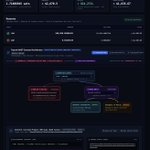
图中显示的现货价格(1 AXBT ≈ 0.21138 WUSD)、池子流动性(约 18k WUSD)以及契约结构(Stateful AMM Pool Covenant、Dual-Horner Monotonic 等)都符合这个定位。
注意:这和以太坊等链上常见的 Worldwide USD(WUSD) 法币抵押稳定币不是同一个东西。截图里的 WUSD 是比特币原生 CRC-20 代币,依托 PRECOP 的契约机制。
相关资料主要来自 crc.garden、PRECOP 相关 GitHub/README,以及协议开发者(@laz1m0v、@theprecop 等)的公开帖子。这个生态还比较早期,具体稳定机制(合成、抵押、拍卖清算等细节)以官方文档和链上状态为准

Precopscan (🌱) retweeted
LEAF just posted a short thread calling the whole thing highly experimental, running 32 bytes at a time, and sitting directly on Bitcoin.
That’s pretty honest. Most projects in this space overpromise. @leaf_btc is openly saying the system is still experimental while showing it’s actually executing on L1. The 32-byte constraint is interesting because it forces everything through small, verifiable pieces instead of big smart contract calls. It limits what you can do in one step, but it also means the state changes stay tightly bound to Bitcoin’s existing rules.
They already went from basic token minting to AMMs and now a stablecoin pool. Seeing them keep emphasizing that it’s experimental while shipping these pieces is better than the usual “this is the future of finance” posts. Still early, liquidity is thin, and a lot can break, but @tap3leaf and the Precop team are building actual financial primitives on Bitcoin instead of waiting for soft forks or moving everything to a sidechain.
Curious to see how the first stablecoin pool behaves once people actually start using it. @theprecop @laz1m0v

Precopscan (🌱) retweeted

The initial distribution model for crc20 was a linear bonding curve; in the new version, we also accept exponential bonding curves; do the math :-)
Precopscan (🌱) retweeted

#DeFi on $BTC — the infrastructure is ready. Are you not ready yet? #crc20 $leaf
$BTC 上面的 #defi,基础设施已就绪,你还没有准备好?#crc20 $leaf
**Why this actually breaks the previous model**
Bitcoin never had a clean way to do non-custodial debt and AMM logic on L1.
You either:
- moved to an account-based chain,
- accepted a sidechain / federation,
- or waited for a soft-fork that may never activate.
PRECOP doesn’t do any of that.
Every vault and every pool is a single Taproot UTXO.
The address *is* the state.
There is no shared storage. There is no global balance sheet.
If vault A is insolvent, vault B is physically unreachable.
That’s not an economic incentive. That’s topology.
The classic hole on Bitcoin has always been the signer.
Whoever holds the key that can spend the UTXO can usually redirect the outputs.
OP_CTV, OP_TXHASH, and BIP-443 exist because of this.
PRECOP closes it without them.
At vault creation the borrower generates an ephemeral key, pre-signs the exact residual output under `SIGHASH_SINGLE | ANYONECANPAY`, then destroys the private key.
The liquidator never sees it.
If they try to change the residual address or even shave 1 sat, Bitcoin Core rejects the transaction on L1 with `SCRIPT_ERR_SCHNORR_SIG`.
The sats never move.
Tokens are enforced separately.
The L2 indexer reconstructs the expected outputs from the witness stack.
Any mismatch (wrong edict count, wrong amounts, diagonal shift, desynced CRC20) is permanently marked as a Cenotaph.
State does not advance.
No soft-fork.
No shared pool.
No multisig.
No federation.
No bridge operator.
Just isolated UTXOs, a NUMS-tweaked address that *is* the state, and a pre-signature the liquidator cannot forge.
That’s the part that was considered impossible under current Bitcoin consensus.
It’s running.
LONG $LEAF 🌱

Precopscan (🌱) retweeted

**Why this actually breaks the previous model**
Bitcoin never had a clean way to do non-custodial debt and AMM logic on L1.
You either:
- moved to an account-based chain,
- accepted a sidechain / federation,
- or waited for a soft-fork that may never activate.
PRECOP doesn’t do any of that.
Every vault and every pool is a single Taproot UTXO.
The address *is* the state.
There is no shared storage. There is no global balance sheet.
If vault A is insolvent, vault B is physically unreachable.
That’s not an economic incentive. That’s topology.
The classic hole on Bitcoin has always been the signer.
Whoever holds the key that can spend the UTXO can usually redirect the outputs.
OP_CTV, OP_TXHASH, and BIP-443 exist because of this.
PRECOP closes it without them.
At vault creation the borrower generates an ephemeral key, pre-signs the exact residual output under `SIGHASH_SINGLE | ANYONECANPAY`, then destroys the private key.
The liquidator never sees it.
If they try to change the residual address or even shave 1 sat, Bitcoin Core rejects the transaction on L1 with `SCRIPT_ERR_SCHNORR_SIG`.
The sats never move.
Tokens are enforced separately.
The L2 indexer reconstructs the expected outputs from the witness stack.
Any mismatch (wrong edict count, wrong amounts, diagonal shift, desynced CRC20) is permanently marked as a Cenotaph.
State does not advance.
No soft-fork.
No shared pool.
No multisig.
No federation.
No bridge operator.
Just isolated UTXOs, a NUMS-tweaked address that *is* the state, and a pre-signature the liquidator cannot forge.
That’s the part that was considered impossible under current Bitcoin consensus.
It’s running.
LONG $LEAF 🌱
Precopscan (🌱) retweeted
Bitcoin never really had clean non-custodial debt + AMM logic sitting purely on L1. You either left for an account chain, trusted a sidechain/federation, or waited for a soft-fork that might never come.
PRECOP skips all of that. Every vault and every pool is just its own Taproot UTXO. The address is the state. No shared storage, no global balance sheet. One vault going bad can’t touch another. That’s topology, not just incentives.
The part that always broke on Bitcoin was the signer. Whoever controlled the key could usually redirect the outputs. Here the borrower creates an ephemeral key at open, pre-signs the exact residual output under SIGHASH_SINGLE | ANYONECANPAY, then burns the private key. Liquidator tries to change the destination or even shave 1 sat and Bitcoin Core rejects it on L1. Sats don’t move.
Tokens are handled separately by the indexer. Mismatch and it becomes a permanent Cenotaph. State simply doesn’t advance.
No soft-fork. No shared pool. No multisig. No federation. No bridge operator.
Just isolated UTXOs, a NUMS-tweaked address that is the state, and a pre signature the liquidator can’t forge. Stuff that was considered impossible under current consensus is actually running.
Been watching @leaf_btc and CRC-20 go from token to transfers to this via @tap3leaf and @laz1m0v. Curious to see the first real liquidations play out. @theprecop 🌱
**Why this actually breaks the previous model**
Bitcoin never had a clean way to do non-custodial debt and AMM logic on L1.
You either:
- moved to an account-based chain,
- accepted a sidechain / federation,
- or waited for a soft-fork that may never activate.
PRECOP doesn’t do any of that.
Every vault and every pool is a single Taproot UTXO.
The address *is* the state.
There is no shared storage. There is no global balance sheet.
If vault A is insolvent, vault B is physically unreachable.
That’s not an economic incentive. That’s topology.
The classic hole on Bitcoin has always been the signer.
Whoever holds the key that can spend the UTXO can usually redirect the outputs.
OP_CTV, OP_TXHASH, and BIP-443 exist because of this.
PRECOP closes it without them.
At vault creation the borrower generates an ephemeral key, pre-signs the exact residual output under `SIGHASH_SINGLE | ANYONECANPAY`, then destroys the private key.
The liquidator never sees it.
If they try to change the residual address or even shave 1 sat, Bitcoin Core rejects the transaction on L1 with `SCRIPT_ERR_SCHNORR_SIG`.
The sats never move.
Tokens are enforced separately.
The L2 indexer reconstructs the expected outputs from the witness stack.
Any mismatch (wrong edict count, wrong amounts, diagonal shift, desynced CRC20) is permanently marked as a Cenotaph.
State does not advance.
No soft-fork.
No shared pool.
No multisig.
No federation.
No bridge operator.
Just isolated UTXOs, a NUMS-tweaked address that *is* the state, and a pre-signature the liquidator cannot forge.
That’s the part that was considered impossible under current Bitcoin consensus.
It’s running.
LONG $LEAF 🌱
Precopscan (🌱) retweeted

Bitcoin L1 is becoming programmable. 🌱
CRC20 brings stateful assets, soft covenants, 32-byte Simplicity commitments, CDPs, Dutch auctions and AMMs into the equation.
$LEAF: the first CRC20 token, putting the protocol to the test.
No sidechains. No consensus change. Bitcoin L1.

**Why this actually breaks the previous model**
Bitcoin never had a clean way to do non-custodial debt and AMM logic on L1.
You either:
- moved to an account-based chain,
- accepted a sidechain / federation,
- or waited for a soft-fork that may never activate.
PRECOP doesn’t do any of that.
Every vault and every pool is a single Taproot UTXO.
The address *is* the state.
There is no shared storage. There is no global balance sheet.
If vault A is insolvent, vault B is physically unreachable.
That’s not an economic incentive. That’s topology.
The classic hole on Bitcoin has always been the signer.
Whoever holds the key that can spend the UTXO can usually redirect the outputs.
OP_CTV, OP_TXHASH, and BIP-443 exist because of this.
PRECOP closes it without them.
At vault creation the borrower generates an ephemeral key, pre-signs the exact residual output under `SIGHASH_SINGLE | ANYONECANPAY`, then destroys the private key.
The liquidator never sees it.
If they try to change the residual address or even shave 1 sat, Bitcoin Core rejects the transaction on L1 with `SCRIPT_ERR_SCHNORR_SIG`.
The sats never move.
Tokens are enforced separately.
The L2 indexer reconstructs the expected outputs from the witness stack.
Any mismatch (wrong edict count, wrong amounts, diagonal shift, desynced CRC20) is permanently marked as a Cenotaph.
State does not advance.
No soft-fork.
No shared pool.
No multisig.
No federation.
No bridge operator.
Just isolated UTXOs, a NUMS-tweaked address that *is* the state, and a pre-signature the liquidator cannot forge.
That’s the part that was considered impossible under current Bitcoin consensus.
It’s running.
LONG $LEAF 🌱