

PhD Researcher @unihh, Deaf Teacher, Math Education, Deutsche Gebärdensprache (DGS), interested in early childhood mathematics & patterning & number signs
- Tweets32
- Following99
- Followers84
- Likes79
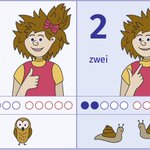


ALT A girl signs "ONE" and "TWO" in German Sign Language (DGS).


ALT ntributed to the results. We began the present article by exam- ining how researchers tend to present and interpret the mathematics performance of DHH students as lagging behind that of hearing peers. Yet, as we have stressed re- peatedly, researchers often forget that DHH youth are not just deaf or hard of hearing. As learners within the larger general pop- ulation, DHH students vary by gender/sex, age, race, culture, language, and disability. They may be contending with family situ- ations that can derail learning, or educa- tional approaches that do not support their individuality, full access to their language, or their emotional well-being. Many ed- ucators hold low expectations of DHH students, accepting the standardized mea- sured levels of achievement as standard


