

フリーランス | 人材系上場企業▶︎営業支社MVP▶︎25歳で独立▶︎ハワイ島でほぼ自給自足な暮らし▶︎人材教育事業▶︎ティールを標榜するIT系スタートアップ▶︎2回目の独立<イマここ>経営者・組織に起こり始めている「変容」「進化」を促進する仕事
東京
Joined July 2009
- Tweets4.7K
- Following627
- Followers1.2K
- Likes12.6K







Pinned Tweet
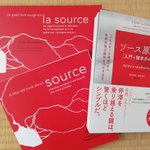
祝!ティール組織、ホラクラシー、ソース原理といった界隈を賑わせてきた新潮流をいずれも提唱者本人から直接学び実践・探究し続けてきた史郎さんが行き着いた実践知が詰まっている書籍が出版されました!


📙Amazonのリンクはこちらになります📙
amzn.asia/d/01Lgy2bE


『万物の黎明』原著者の1人であるデヴィッド ウェングロウ氏が来日され、京都と東京でシンポジウム、セミナーをされるのですね!!
#万物の黎明

ウェングロウさんご招聘企画の「第二報」です🛺💨
【ご案内/第二報】デヴィッド・ウェングロウさんとの「対話」(シンポジウム・研究セミナー)[2026/11/14(土)、2026/11/15(日)、 2026/11/21(土)][参加申込〆切:11/9(月)正午]| @AyumuKonasukawa
note.com/ayumu_konasukawa/n/…

92
「オフグリッド」とは、単に切り離すことではない。家を持たない建築家・堤庸策さんが探る「自律とつながりのあいだ」と、その先の村づくり greenz.jp/2026/10/14/yosaku-…

1
43
いっしー/けいちょん@ティール組織を実務的に探究中 retweeted

子供を読書家にするには。
4万人に伴走して見えてきた、読書家になる共通パターン。7段階のロードマップを公開!
media.yondemy.com/articles/b…

いっしー/けいちょん@ティール組織を実務的に探究中 retweeted
ずっと作りたかった「江戸時代の経路検索」ができました!!
徒歩・馬・早駕籠・継飛脚の4つから移動手段を選ぶと、ルートと概略日数を表示。
たとえば江戸から京まで、東海道経由で14日・中山道経由で16日と計算されます🚶
maps.chizutodesign.com/edo-r…
いっしー/けいちょん@ティール組織を実務的に探究中 retweeted

ほぼ全ての役職を辞めた私が唯一残ったのがこのYahoo!基金です。早速、昨日発災の熊本地震の金融支援金の募集が始まりましたので、ご支援のほど宜しくお願いします致します。
困った時は、お互い様🙇
令和8年熊本地震緊急支援募金 - Yahoo!ネット募金 yahoo.jp/QBsB-6

すごい!!

望月慎太郎が初の16強 松岡修造、錦織圭に続き日本男子3人目 ウィンブルドンテニス
sankei.com/article/20260704-…
世界ランキング151位の望月慎太郎(木下グループ)が同26位の19歳、ラファエル・ホダル(スペイン)に1―6、7―6、6―4、6―4で勝ち、四大大会で自身初の16強入りを果たした。

113
いっしー/けいちょん@ティール組織を実務的に探究中 retweeted

Claude Code ハッカソンで
上位 5 位のうち
エンジニアはたった 1 人だった!
(弁護士、エンジニア、心臓専門医、道路の専門家、音楽家)
「今後は、コードを書くスキルより
ドメイン知識を持つことの方が重要になってくるだろう」
という話をお聞きしています👂
なるほど…!💡
#CodeWithClaude

いっしー/けいちょん@ティール組織を実務的に探究中 retweeted

AIに潰されたはずのメディアが、
逆にAIで伸びている。
noteのMAUが1年で約1.4倍(8660万人)。
生成AI逆風下で、なぜ独り勝ちできているのか。
理由はシンプルな「設計の違い」
①広告なし
→ 炎上狙いコンテンツが生まれない
②課金モデル
→ 専門性・独自性の高い記事が経済合理的
③ランキングなし
→ PV偏重でなく、内容で競う文化
この3つが重なって「AIに引用されやすい一次情報」が自然に集積した。
文春オンラインが1年で600万人超減らす中、noteのAI経由流入は他サイトの4倍。
「広告を入れない」という創業時の制約が、10年後にAI時代の最強の堀になっている。
note、AI検索時代の逆風下でも読者4割増 独自コンテンツ生む3要素:日経ビジネス電子版(この記事は2026年6月11日 11:56まで無料で読めます)
business.nikkei.com/atcl/gen…
いっしー/けいちょん@ティール組織を実務的に探究中 retweeted
日本の抱える構造課題を、AIが調べて勝手にまとめてくれるシステムの雛形作ったので、フィードバックくれくれ。
fladdict.github.io/japan-tod…
生成AI時代のウェルビーイングと「境界線」について考えたことnote.com/lifetransit/n/n71f4…

1
42
「AIと読書会のあいだ」で見えた『問い』の話note.com/lifetransit/n/n93b7…

1
34
いっしー/けいちょん@ティール組織を実務的に探究中 retweeted

「Iターン移住なんて、大変なのにすごいですね」とよく言われます。でも実は、移住前には想像もしていなかった素晴らしい結果もたくさん待ってるんですよね。私自身東京から鹿児島に移住して、150%幸せだと断言できます。
KOBIRA編集部の敏腕ライター、いっちゃんも、入社1ヶ月で大阪から家族3人で鹿児島にIターン移住してくれました。その「飛び込んだ1ヶ月の記録」がnoteで公開されています。
朝のラジオ体操、自治会の回覧板、看護休暇のSlackスタンプ、出社が楽しみになるオフィス。
そのどれもが、移住前のいっちゃんが想像していた「田舎暮らし」のイメージを、良い意味でかなり裏切る毎日みたいです。
上司としても、同じIターン移住仲間としても、いっちゃんが毎日楽しそうに、幸せそうに働いてくれている姿を見られるのは、本当に嬉しい。
そして、この記事を届けたいのは「移住を検討している人」だけではなくて。
「ローカルで働くって、どんな感じだろう?」
「自分のキャリアを、地方でも楽しめるんだろうか?」
そう思っている人にこそ、覗いてみてほしい記事です。
組織変革やAI推進に挑戦できる環境も、家族を大切にできる制度も、出社して顔を合わせる楽しさも、全部そろった環境が、ローカルにだってあるんだよ。
そんなことを、一人でも多くの方に感じてもらえたら嬉しいです。
(記事のリンクは返信にて)

高校時代の硬式テニスが、実は私にとって心身の回復プロセスにつながっていたと気づいた話 #身体知性 note.com/lifetransit/n/nd574…

43
いっしー/けいちょん@ティール組織を実務的に探究中 retweeted

A Norwegian neuroscientist spent 20 years proving that the act of writing by hand changes the human brain in ways typing physically cannot, and almost nobody outside her field has read the paper.
Her name is Audrey van der Meer.
She runs a brain research lab in Trondheim, and the paper that closed the argument was published in 2024 in a journal called Frontiers in Psychology. The finding is brutal enough that it should have changed every classroom on Earth.
The experiment was simple. She recruited 36 university students and put each one in a cap with 256 sensors pressed against their scalp to record brain activity. Words flashed on a screen one at a time.
Sometimes the students wrote the word by hand on a touchscreen using a digital pen, and sometimes they typed the same word on a keyboard. Every neural response was recorded for the full five seconds the word stayed on screen.
Then her team looked at the part of the data most researchers had ignored for years, which is how different parts of the brain were communicating with each other during the task.
When the students wrote by hand, the brain lit up everywhere at once.
The regions responsible for memory, sensory integration, and the encoding of new information were all firing together in a coordinated pattern that spread across the entire cortex. The whole network was awake and connected.
When the same students typed the same word, that pattern collapsed almost completely.
Most of the brain went quiet, and the connections between regions that had been alive seconds earlier were nowhere to be found on the EEG.
Same word, same brain, same person, and two completely different neurological events.
The reason turned out to be something nobody had really paid attention to before her work. Writing by hand is not one motion but a sequence of thousands of tiny micro-movements coordinated with your eyes in real time, where each letter is a different shape that requires the brain to solve a slightly different spatial problem.
Your fingers, wrist, vision, and the parts of your brain that track position in space are all working together to produce one letter, then the next, then the next.
Typing throws all of that away. Every key on a keyboard requires the exact same finger motion regardless of which letter you are pressing, which means the brain has almost nothing to integrate and almost no problem to solve.
Van der Meer said it plainly in her interviews.
Pressing the same key with the same finger over and over does not stimulate the brain in any meaningful way, and she pointed out something that should scare every parent who handed their kid an iPad.
Children who learn to read and write on tablets often cannot tell letters like b and d apart, because they have never physically felt with their bodies what it takes to actually produce those letters on a page.
A decade before her, two researchers at Princeton ran the same fight using a completely different method and ended up at the same answer. Pam Mueller and Daniel Oppenheimer tested 327 students across three experiments, where half took notes on laptops with the internet disabled and half took notes by hand, before testing everyone on what they actually understood from the lectures they had watched.
The handwriting group won by a wide margin on every question that required real understanding rather than surface recall.
The reason was hiding in the transcripts of what the two groups had actually written down.
The laptop students typed almost word for word, capturing more total content but processing almost none of it as they went, while the handwriting students physically could not write fast enough to transcribe a lecture in real time, which forced them to listen carefully, decide what actually mattered, and put it in their own words on the page.
That single act of choosing what to keep was the learning itself, and the keyboard had quietly skipped the choosing and skipped the learning along with it.
Two studies. Two countries. Same answer.
Handwriting makes the brain work. Typing lets it coast.
Every note you have ever typed instead of written went into your brain through a thinner pipe. Every meeting, every book highlight, every idea you captured on your phone instead of on paper was processed at half depth.
You did not forget those things because your memory is bad. You forgot them because typing never woke the part of the brain that would have made them stick.
The fix is the thing your grandmother already knew.
Pick up a pen. Write the thing down. The slower road is the faster one.

身体知性という言葉、調べてみた。学術的には少なくとも5つの流れがありそう。note.com/lifetransit/n/n11a9…

27
身体知性の学び直しが、めちゃくちゃ面白い!| note.com/lifetransit/n/n8cf5…

26


