

Middle East, National Security and intelligence expert خبير لشؤون الشرق الأوسط وإيران Senior Fellow @inss_hebrew Nonresident Fellow @AtlanticCouncil
Joined March 2020
- Tweets7.5K
- Following771
- Followers95.2K
- Likes6.1K





Pinned Tweet
Before Striking Iran: Defining Achievable and realistic Objectives
Before considering a military strike against Iran, it is essential to be realistic about what such a campaign can actually accomplish.
There is little doubt that Iran is not a peer competitor to the United States militarily. The U.S. retains overwhelming conventional superiority and operational dominance across domains. However, Iran should not be underestimated. As demonstrated in previous limited confrontations, particularly in missile warfare, Tehran possesses meaningful asymmetric capabilities — especially in its ballistic missile arsenal and regional proxy network.
The core question, therefore, is not whether the United States can inflict damage. It is: What strategic objective is realistically achievable?
1. Regime Change
Even senior U.S. officials have acknowledged that regime change would be extraordinarily difficult to achieve.
There is no unified, viable opposition inside Iran capable of stepping in and governing. Moreover, regime change would almost certainly require a prolonged campaign, potentially including ground forces — something the American public and policymakers have shown little appetite for after Iraq and Afghanistan.
Absent a willingness to commit to a large-scale, long-term stabilization effort, regime change is not a credible objective.
2. Destabilizing the Regime to Trigger Internal Uprising
A military campaign could weaken the regime and create internal pressure. However, Iran’s leadership — particularly the Islamic Revolutionary Guard Corps (IRGC) — has no exit option. The regime’s survival is existential for its core leadership.
History suggests they would respond to internal unrest with overwhelming force. For destabilization to translate into meaningful political change, a sustained and prolonged campaign would likely be required. Even then, the most probable outcome may not be democratic transition, but internal chaos — potentially pushing Iran toward civil conflict.
That scenario carries significant regional and global risks.
3. Destroying Iran’s Nuclear Program
A military strike could significantly damage nuclear facilities. Precision strikes may delay progress and degrade infrastructure.
But strikes cannot eliminate scientific knowledge, human capital, or political will. Nor is it certain that all highly enriched material could be located and destroyed.
At best, military action may delay the program. It is unlikely to eliminate it permanently. Iran would almost certainly attempt reconstruction — potentially with greater determination and fewer constraints.
4. Eliminating Iran’s Missile Capabilities
A broad campaign could substantially degrade Iran’s missile inventory and production infrastructure.
However, Iran’s missile program is domestically based and central to its defense doctrine. It is viewed as a pillar of deterrence against superior conventional forces. Even after heavy losses, Tehran would likely prioritize rebuilding these capabilities.
The result may be temporary degradation rather than permanent removal.
5. Forcing Iran Back to Negotiations on Better Terms
There is an assumption that military pressure could coerce Tehran into accepting a more favorable agreement.
Yet past confrontations suggest that the Iranian leadership may choose endurance over capitulation. The regime may calculate that time increases political pressure on Washington to de-escalate, particularly if the conflict becomes prolonged or regionally destabilizing.
Rather than producing immediate concessions, military action could harden Iran’s negotiating position — or eliminate diplomatic channels entirely.
6. Targeting Supreme Leader Ali Khamenei
Some might argue that removing the Supreme Leader could fundamentally alter Iran’s trajectory.
However, decapitation strikes often produce unpredictable outcomes. Iran’s political system is institutionalized, not purely personalist. Removing Khamenei could trigger retaliation from Iran and its regional proxies and potentially force the United States into a much broader conflict.
It is also unclear whether such a move would moderate Iranian policy. It could just as easily radicalize it.
The Strategic Bottom Line
There is no question about U.S. military superiority in a direct confrontation. The real issue is strategic clarity.
For the first time in decades, the possibility of direct U.S.–Iran military confrontation raises the prospect of open interstate war rather than proxy conflict. That demands disciplined thinking about ends, ways, and means.
No available objective appears easily attainable. All carry significant second- and third-order effects. Many outcomes could be unpredictable — and not necessarily favorable to U.S. interests.
Thus, before initiating military action, policymakers must clearly define what “success” looks like — and whether the likely costs, duration, escalation risks, and regional consequences align with America’s broader strategic priorities.
Military capability is not the same as strategic advantage.
#IranRevolution2026
#Iran
No Need to Worry — Netanyahu Already Removed the Iranian Threat, Didn't He?
There is apparently no reason for Israelis to worry about Iran. After all, it was none other than Prime Minister Benjamin Netanyahu who proudly declared:
“We removed, for years to come, this danger hanging over us of the elimination of Israel’s population.”
He also assured us:
“We have lifted this dual existential threat from over our heads.”
And, of course:
“We have set the terror regime in Iran back many years.”
So, according to Netanyahu's own statements, the existential threat has been removed, Iran has been set back for years, and Israel has been saved from annihilation.
Why, then, should anyone be concerned about another confrontation with Iran? Unless, of course, the threat was never eliminated as completely as we were told.
The question is simple: If the Iranian threat was removed for years to come, why are we already talking about another war?
#IranWar
#iran

Iraq Is Moving in the Right Direction — But the Real Test Is Still Ahead
With all due respect, to Al-Zaidi, While his efforts deserve recognition, we should not confuse encouraging political rhetoric and minimal steps with a fundamental change in Iraq's strategic reality.
The Shiite militias have not been disarmed. Iran-aligned armed groups remain deeply embedded in Iraq's political and security structures, the Houthis have established links with Iraqi militias, and Tehran continues to exert considerable influence behind the scenes.
There have also been attacks against Saudi Arabia whose perpetrators have not been conclusively identified, not to mention repeated Iranian strikes against Kurdish targets. And make no mistake: if a major military campaign against Iran resumes, particularly one threatening the survival of the regime in Tehran, the relevant Iraqi militias are unlikely to remain on the sidelines.
None of this means that al-Zaidi efforts should be dismissed. Quite the opposite. Strengthening his government, reinforcing Iraq's sovereignty, and bringing Baghdad closer to the Arab world are important strategic objectives. Iraq must not be allowed to drift further into Iran's orbit. Al-Zaidi appears to understand this challenge, and at times he has demonstrated political courage and a willingness to say the right things.
But words are not enough. The fundamental question is whether his government can translate these intentions into meaningful action against armed militias operating outside effective state control.
And this is where we must distinguish between political intentions and actual capabilities. Even if al-Zaidi genuinely wants to reduce Iranian influence, it remains far from clear whether he possesses the political strength, institutional support, or security capabilities necessary to confront these militias. Some are integrated into Iraq's formal security establishment, enjoy substantial political backing, and possess military capabilities that the government cannot simply ignore.
This is not merely a question of Iranian influence. It is about restoring the Iraqi state's monopoly over the use of force, strengthening its institutions, and ensuring that decisions about war and peace are made in Baghdad rather than Tehran.
The most important test may come sooner than expected. If the confrontation between Washington and Tehran escalates again, can the Iraqi government prevent Iran-aligned militias from turning Iraq into another battlefield? Can Baghdad stop attacks against American interests or neighboring Arab states launched from Iraqi territory?
If the answer is no, then Iraq's sovereignty will remain severely compromised, regardless of how encouraging its prime minister's statements may sound.
At the same time, we should avoid The objective should not be to force Baghdad to sever those ties, but to ensure that its relationship with Tehran does not come at the expense of Iraqi independence, regional stability, or its growing relationships with Arab states.
The United States and Iraq's Arab neighbors should therefore support al-Zaidi efforts to strengthen the state and deepen Iraq's regional integration. But this support must be accompanied by clear expectations and measurable progress, particularly regarding the militias and the government's ability to exercise effective control over the use of force.
We should also recognize that confronting these groups will require more than political declarations. It will demand a sustained effort to strengthen state institutions, reduce the militias' political and economic power, and gradually bring all armed forces under genuine government authority.
The real measure of Iraq's independence is not what its prime minister says about Iran, but whether he can prevent Iran-aligned militias from dragging Iraq into a war that serves Tehran's interests rather than Baghdad's.
Iraq deserves the opportunity to reclaim its sovereignty, and al-Zaidi deserves support when he takes meaningful steps in that direction.
But sovereignty cannot coexist indefinitely with armed groups that maintain independent military capabilities and answer, at least in part, to foreign powers.
Al-Zaidi may be moving in the right direction. But we are not there yet. His greatest challenge is still ahead of him.
#Iraq

Prime Minister Al-Zaidi is sending a clear message: militia influence has no place in Iraq’s institutions. Iraq’s future belongs to its people, not armed factions operating outside the state. Sovereignty in action.
thenationalnews.com/news/gul…
Danny (Dennis) Citrinowicz ,داني سيترينوفيتش retweeted

Lieberman wants to save Israel, but rejects Jewish–Arab partnership that could strengthen it—and thereby deepens the damage to its standing.
Lieberman repeatedly stresses his desire to save the State of Israel and its standing in the world. Yet it is precisely against this backdrop that a fundamental question comes into sharper focus: How can one speak of restoring Israel’s international standing without addressing the question of political partnership with its Arab citizens?
Including Ra’am in the government could be much more than a coalition move. It could mark a historic shift in relations between Jews and Arabs in Israel, demonstrating that civic equality is not limited to the right to vote in elections, but also includes a genuine opportunity to participate in decision-making and shape the country’s future.
Such a move could also have international and regional significance. Jewish–Arab political partnership could present a more complex picture of Israeli society and offer a practical response to some of the criticism of the status of Israel’s Arab citizens and the policies of the Israeli government.
Of course, there is no obligation to agree with all of Ra’am’s positions. One can disagree with its policies, its outlook, and its coalition demands. But there is a fundamental difference between legitimate political disagreement and a principled rejection of the possibility of including an Arab party in government.
Precisely those who place the restoration of Israel’s standing at the center of their agenda must explain how their position on Jewish–Arab partnership fits into their vision for the country’s future.
Ultimately, Israel’s international standing depends not only on its public diplomacy or foreign policy, but also on how it treats all its citizens and the place it allows them to occupy in political life.
Genuine Jewish–Arab partnership is not only a key to Israel’s future as a democratic, egalitarian society shared by all its citizens, but also an essential condition for restoring its international standing, strengthening its legitimacy in the world, and securing its strategic future. Therefore, one cannot claim to want to save Israel, strengthen its standing in the world, and secure its future, while at the same time rejecting genuine Jewish–Arab partnership, which is one of the most important conditions for achieving these goals.

ליברמן רוצה להציל את ישראל, אבל דוחה שותפות יהודית־ערבית שעשויה לחזק אותה — ולהעמיק בכך את הנזק למעמדה.
ליברמן מדגיש שוב ושוב את רצונו להציל את מדינת ישראל ואת מעמדה בעולם. אבל דווקא על רקע הדברים הללו מתחדדת שאלה יסודית: כיצד אפשר לדבר על שיקום מעמדה הבינלאומי של ישראל בלי להתמודד עם שאלת השותפות הפוליטית של אזרחיה הערבים?
שילוב רע"ם בממשלה יכול להיות הרבה יותר ממהלך קואליציוני. הוא עשוי לסמן שינוי היסטורי ביחסי יהודים וערבים בישראל, ולהמחיש ששוויון אזרחי אינו מסתכם בזכות להצביע בבחירות, אלא כולל גם אפשרות אמיתית להשתתף בקבלת ההחלטות ובעיצוב עתידה של המדינה.
למהלך כזה עשויה להיות גם משמעות בינלאומית ואזורית. שותפות פוליטית יהודית־ערבית יכולה להציג תמונה מורכבת יותר של החברה הישראלית ולספק מענה מעשי לחלק מהביקורת על מעמדם של אזרחי ישראל הערבים ועל מדיניותה של ממשלת ישראל.
מובן שאין חובה להסכים עם כל עמדותיה של רע"ם. אפשר לחלוק על מדיניותה, על תפיסותיה ועל דרישותיה הקואליציוניות. אבל יש הבדל מהותי בין מחלוקת פוליטית לגיטימית לבין שלילה עקרונית של האפשרות לשלב מפלגה ערבית בשלטון.
דווקא מי שמעמיד את שיקום מעמדה של ישראל במרכז סדר יומו נדרש להסביר כיצד עמדתו ביחס לשותפות יהודית־ערבית משתלבת בחזונו לעתידה של המדינה.
בסופו של דבר, מעמדה הבינלאומי של ישראל אינו תלוי רק בהסברה או במדיניות החוץ שלה, אלא גם באופן שבו היא מתייחסת לכלל אזרחיה ובמקום שהיא מאפשרת להם לתפוס בחיים הפוליטיים.
שותפות יהודית־ערבית אמיתית אינה רק מפתח לעתידה של ישראל כחברה דמוקרטית, שוויונית ומשותפת לכל אזרחיה, אלא גם תנאי חיוני לשיקום מעמדה הבינלאומי, לחיזוק הלגיטימציה שלה בעולם ולהבטחת עתידה האסטרטגי.ולכן אי אפשר לטעון שאתה מבקש להציל את ישראל, לחזק את מעמדה בעולם ולהבטיח את עתידה, ובאותה נשימה לדחות שותפות יהודית־ערבית אמיתית, שהיא אחד התנאים החשובים ביותר להשגת המטרות הללו.

China Wants the Strait of Hormuz Open — But It Does Not Want Iran to Surrender
Like many other proposed solutions to the Iranian crisis, the idea that China could pressure Tehran into submission is unlikely to work. It reflects a fundamental misunderstanding of Beijing’s strategic interests.
China has a profound interest in the survival of the Iranian regime. In its global competition with the United States, the last thing Beijing wants is a pro-American government in Tehran. Iran remains an important geopolitical asset, helping constrain American influence in the Middle East.
This does not mean China will fight to defend the Islamic Republic. It won't. But Beijing is likely to use its economic, diplomatic, and political influence behind the scenes to help the regime survive, provided doing so does not jeopardize its own vital interests.
Of course, China wants the Strait of Hormuz reopened, energy exports restored, and oil prices brought back down. Its economic interests are substantial, and its relationships with Saudi Arabia, the UAE, and other Gulf states are arguably more important economically than its relationship with Iran.
But here is the critical distinction: China wants stability in the Gulf, not an American strategic victory over Iran.
Beijing may pressure Tehran to reopen Hormuz, reduce regional attacks, or accept a limited diplomatic arrangement. But pressuring Iran to compromise is fundamentally different from helping Washington force the Islamic Republic into submission.
China has considerable leverage over Tehran through oil purchases, trade, technology, and diplomatic support. Yet that leverage has limits. Iran's leadership has repeatedly demonstrated its willingness to absorb enormous economic costs rather than abandon what it considers its fundamental security and ideological interests.
There is another important dimension to this debate. As the United States considers reducing its military footprint in the Middle East, China faces an interesting strategic dilemma. It enjoys strong economic relationships across the Gulf while maintaining close ties with Tehran. A reduced American presence could create opportunities for Beijing to expand its regional influence.
But is China actually prepared to assume greater responsibility for Gulf security? For decades, Beijing has benefited from the American security umbrella without bearing the costs of maintaining it. Protecting shipping lanes, providing security guarantees, and managing regional conflicts would require a fundamental departure from China's traditional approach of limited political and military involvement.
There is little reason to assume Beijing is eager to replace Washington as the Gulf's principal security guarantor.
It is also important to distinguish between China's commitment to the Islamic Republic and its broader strategic interests. Beijing is not ideologically committed to Iran's current leadership. It could accommodate a different Iranian government, provided that government remained strategically independent of Washington. What China strongly opposes is the emergence of an Iran firmly aligned with the United States.
And this brings us to the central problem with the American approach. The Trump administration appears increasingly eager to find a way out of a war that has become politically and economically costly. Turning to China may reflect a recognition that American military and economic pressure alone has failed to produce Iranian capitulation.
But expecting Beijing to deliver what Washington has been unable to achieve would be another serious miscalculation. China may be part of the solution to the Hormuz crisis. It is unlikely to be part of an American strategy to force Iran's surrender.
Beijing wants the war to end, energy markets to stabilize, and regional trade to recover. But it has no strategic interest in helping Washington emerge from this conflict with a decisive victory that strengthens American influence at China's expense.
The bottom line is clear. China wants Hormuz open, but it does not want Iran defeated. And if Washington believes Beijing will force Tehran to accept terms that American military and economic pressure could not achieve, it is likely to be disappointed.
#IranWar
#iran
#china


איראן נערכת למערכה הבאה
כפי שהדגשתי @ynet המשטר האיראני אינו מתכוון להיכנע ללחץ האמריקני, גם במחיר של מערכה צבאית קשה נוספת. בטהראן מבינים היטב את המחיר הכלכלי והצבאי של עימות עם ארה"ב, אך ממשיכים להאמין שביכולתם לעמוד בו.
המשטר נערך לאפשרות של הסלמה, ובמקביל מכין את הציבור האיראני להשלכותיה. מבחינת ההנהגה, ויתור על עקרונות היסוד הביטחוניים והאידיאולוגיים שלה מסוכן יותר מהמשך העימות.
לכן, מי שמניח שעוד לחץ, מצור או תקיפה צבאית יובילו לכניעה איראנית פשוט אינו מבין את דרך החשיבה בטהראן. השאלה איננה כמה לחץ אפשר להפעיל על איראן, אלא מה עושים כאשר הלחץ אינו משיג את מטרתו.
@michael_mils


Another Attempt to Squeeze Iran — But Pressure Is Not a Strategy
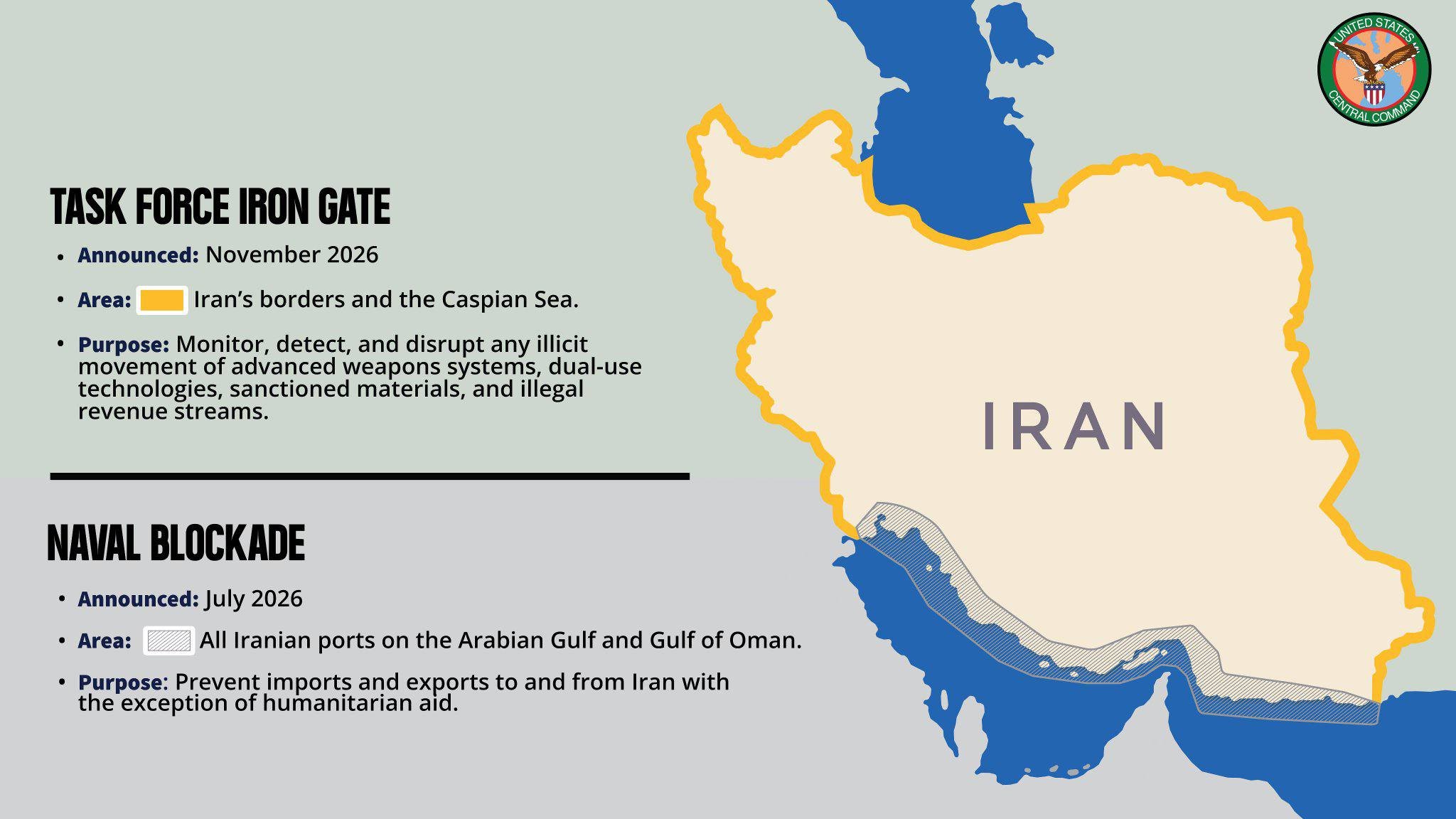
CENTCOM’s decision to establish Task Force Iron Gate to disrupt Iran’s land-based supply routes raises a familiar question: Can Washington really force Tehran to surrender by tightening the economic and logistical noose? I remain deeply skeptical.
First, there is no silver bullet for the Iranian challenge. Not military strikes, not a naval blockade, and certainly not an attempt to cut off Iran’s land routes.
Second, the operational challenges are enormous. Iran is a vast country with extensive borders, numerous smuggling networks, and decades of experience circumventing sanctions. Effectively disrupting these routes would require extraordinary intelligence capabilities, sustained regional cooperation, and potentially confronting Russian interests in the Caspian Sea. Iran also has considerable experience adapting to precisely this kind of pressure.
Third, even if the operation proves remarkably successful, we must distinguish between means and ends. Disrupting supply routes is a tool, not a strategy. If the ultimate objective is to force Iran into submission, I see little reason to believe this initiative will succeed where previous measures have failed.
Fourth, the more effective this pressure becomes, the greater the likelihood of an aggressive Iranian response. Tehran has demonstrated that it is prepared to absorb enormous economic costs rather than abandon what its leadership considers the regime's fundamental security and ideological interests.
Finally, we should not underestimate the difficulty of maintaining effective control over the movement of goods and materials across such an enormous geographical area. The United States cannot simply seal Iran off from the outside world.
The bottom line is that task Force Iron Gate may complicate Iran's activities and increase the economic and logistical pressure on Tehran. But it will not fundamentally change the regime's strategic calculations.
And if it becomes genuinely effective, it could accelerate escalation rather than produce concessions.
Washington needs to confront a basic reality: Iran is not going to surrender. Not under a naval blockade, not under pressure on its land borders, and not even after another devastating military campaign.
The real question is not how much additional pressure the United States can impose, but what political outcome that pressure is supposed to achieve, and whether that outcome is remotely realistic.
Without a credible diplomatic endgame, we risk creating yet another mechanism for escalation while moving no closer to resolving the Iranian challenge.
#Iran

The U.S. has just announced the total isolation of Iran, in addition to the naval blockade that has been in place against Iranian ports for months.
CENTCOM commander Adm. Brad Cooper has established Task Force "Iron Gate," a team of around 20 civilian and military personnel based in Tampa, Florida.
Their task is to prevent Iran from using land routes and the Caspian Sea to transport advanced weapons, dual-use technology, and sanctioned materials.

I have great respect for people who are willing to acknowledge that they were wrong, and Mr. Brooks is no exception.
But one thing needs to be emphasized: the writing was on the wall from the very beginning, and it remains there today.
It is not that the naval blockade has been ineffective. Quite the opposite. It has imposed significant economic pressure on Iran and created serious difficulties for the regime.
But as I have argued from day one, Iran will not surrender. Tehran may be willing to make compromises, but not ones that undermine what the leadership considers the ideological and security foundations of the Islamic Republic.
This is a fundamental distinction that too many policymakers continue to overlook. Economic pressure can increase the cost of resistance, but it does not necessarily translate into political capitulation.
I therefore strongly agree that it is time for a serious reassessment of our strategy toward Iran. The question is no longer how much additional pressure we can impose, but what that pressure can realistically achieve.
Pressure is a tool, not a strategy. And without realistic political objectives, even effective pressure will not produce the outcome we seek.
#Iran
#iranwar


It's time to cut our losses on Iran. Even the efficacy of the blockade is fading, because Iran now see the light at the end of the tunnel. There's no need for a peace deal to reopen the SoH. The Gulf countries can figure that out. We should just walk away.
robinjbrooks.substack.com/p/…

Why More Strikes Against the Basij Would Not Have Brought Down Iran’s Regime
I think this study misses a crucial point about the war against Iran and, more importantly, about the fundamental limitations of attempting regime change through airpower.
First, every military operation against Iran is extremely complex. The number of targets that can be attacked is not unlimited, and target selection must reflect clear operational priorities and realistic strategic objectives. Striking one category of targets inevitably comes at the expense of another.
Second, once it became clear that the Kurdish option was collapsing, the possibility of bringing down the Iranian regime became even more remote(Not that it was realistic from the beginning).
More importantly, this decision had clarified the fundamental nature of the campaign: it was a war aimed at weakening the regime, not overthrowing it. That distinction matters enormously.
Once regime change was no longer a realistic objective, the operational emphasis naturally shifted toward severely degrading the regime's military production infrastructure, eliminating senior commanders, and weakening its broader military capabilities, rather than prioritizing attacks on Basij facilities and other instruments of domestic control.
But it would also be wrong to suggest that Israel / US completely ignored the regime's internal security apparatus.
Israeli strikes did target Basij headquarters and facilities, and senior figures within the organization were reportedly eliminated, including its commander, Soleimani, his deputy and senior intelligence officials.
The problem was that the Iranian regime had anticipated precisely this scenario. It had prepared to evacuate facilities, disperse personnel, and continue operating from alternative locations, including schools and other civilian buildings.
The fundamental problem was not the selection of targets. It was the assumption that airstrikes could somehow persuade or enable the Iranian population to rise up and overthrow the regime.
That assumption was deeply flawed. Iran has no sufficiently organized opposition capable of translating military pressure into a coordinated political uprising. There was no credible mechanism for turning the destruction of security facilities into the collapse of the regime's control over the country.
Even if Israel and the United States had devoted significantly more resources to attacking Basij headquarters, command centers, and other institutions of domestic repression, the fundamental political reality would not have changed.
The regime retained its coercive capabilities, its organizational structure, and its determination to survive. Meanwhile, ordinary Iranians were living through a war, facing uncertainty, destruction, and the dangers of continued bombardment.
Under those circumstances, expecting civilians to take to the streets and confront an entrenched security apparatus, without an organized opposition or a credible alternative leadership, was never a realistic strategy.
Airpower can destroy buildings, eliminate commanders, and weaken military capabilities. But it cannot create an organized opposition, establish alternative political leadership, or manufacture the conditions for a successful popular revolution.
That is why I disagree with the suggestion that a different target list, focused more heavily on the Basij, could have produced regime change.
The issue was never simply whether enough Basij facilities had been destroyed. It was whether there was any realistic political mechanism through which those attacks could bring down the Islamic Republic. There was not.
And that is the central lesson: the failure to overthrow the Iranian regime was not primarily a failure of targeting. It reflected the absence of the political and organizational conditions necessary for regime change.
More bombs against the Basij would not have solved that problem.
#IranWar
#iran

Save this post and the critical open-source research by @FDD’s @JanatanSayeh for the next time people say why don’t the Iranian people rise up after they were last slaughtered in January.
Answer: Their butchers were barely targeted. 210 out of 24,000 US and Israeli strikes were dedicated against the “apparatus of repression.”
“Finish the Job” Against Iran? Pickaxe Mountain Should Make Us Think Twice
As calls to “finish the job” against Iran’s nuclear program grow louder, it is worth examining what previous attacks actually achieved. The experience of 2020, 2021, and 2025 reveals an enormous gap between destroying nuclear facilities and eliminating a country's nuclear capabilities.
In July 2020, an explosion severely damaged Iran’s advanced centrifuge assembly facility at Natanz. We still lack official confirmation of who carried out the operation. But what happened afterward matters far more than who was responsible.
Rather than abandoning its centrifuge program, Iran began constructing a new, deeply buried facility beneath Pickaxe Mountain, near Natanz. The new site was designed to protect sensitive nuclear activities from precisely the kind of attacks that had damaged the original facility.
Think about that for a moment. An operation that successfully destroyed a relatively vulnerable facility helped accelerate the construction of a much more heavily protected one. The immediate military achievement created a considerably more complicated strategic challenge.
The subsequent attacks in 2021 reinforced this pattern. Following the April sabotage at Natanz, Iran announced its decision to enrich uranium to 60%. The June attack on the centrifuge production facility in Karaj further complicated international monitoring of centrifuge manufacturing, already weakened by Tehran's restrictions.
The consequences were not limited to physical damage. Iran was moving sensitive activities underground, expanding its enrichment capabilities, and becoming increasingly difficult to monitor.
Pickaxe Mountain illustrates a fundamental problem with relying on military force against Iran's nuclear program: a successful strike can make the next strike significantly more difficult.
The 2025 attacks demonstrated this dilemma on a much larger scale.
Yes, the strikes severely disrupted enrichment activities. But they also deepened an already serious international verification crisis. Before the attacks, much of Iran's nuclear infrastructure was concentrated in known facilities. Today, the intelligence challenge extends far beyond determining what remains operational at those sites.
Where is Iran's enriched uranium? What happened to its centrifuges and production equipment? What capabilities survived? And are activities being relocated to facilities that international inspectors do not know about?
These are not minor technical questions. They go to the heart of our ability to determine how close Iran might be to developing nuclear weapons.
Even if IAEA inspections resume, reconstructing a reliable picture after a prolonged disruption in monitoring will be extraordinarily difficult. Every additional period without effective verification increases the uncertainty.
And this brings us to the central weakness in the argument that we simply need to “finish the job.”
Iran has spent nearly a quarter of a century developing the scientific knowledge, industrial infrastructure, and technical expertise required for uranium enrichment.
You can destroy buildings. You can eliminate thousands of centrifuges. You can temporarily halt enrichment. But you cannot bomb away 25 years of accumulated knowledge, nor can you guarantee that Iran will not rebuild its capabilities in more protected locations.
Pickaxe Mountain is a reminder that the consequences of a successful military operation do not end when the target is destroyed. They can fundamentally change how Iran organizes, protects, and conceals its nuclear activities.
And there is an even more troubling question. Suppose we strike again, destroy additional facilities, and Iran still refuses to abandon its nuclear ambitions. What then? Another strike next year? And another one after that?
Are we prepared for a permanent military campaign against a country that has demonstrated both the technical ability and political determination to rebuild its nuclear infrastructure?
More importantly, how would repeated military operations restore the international monitoring that is essential to detecting a potential Iranian decision to develop nuclear weapons?
Those advocating another campaign must explain what specific capabilities they intend to eliminate, how they would prevent Iran from rebuilding them, and what happens if Tehran simply refuses to surrender.
These questions do not diminish the seriousness of the Iranian nuclear threat. They reflect the need to distinguish between temporary military achievements and a sustainable strategy for preventing nuclear proliferation.
Military operations can inflict significant damage and buy time. But buying time is useful only if we know what we intend to do with it.
Without a credible political strategy and an effective verification framework, “finishing the job” risks becoming an endless cycle of strikes, reconstruction, further underground development, and declining international visibility.
Pickaxe Mountain should remind us that the real challenge is not how to destroy Iran's next nuclear facility, but how to prevent the need to destroy another one five years from now.
That is the question those calling to “finish the job” must answer.
#Iran
#IranWar


Danny (Dennis) Citrinowicz ,داني سيترينوفيتش retweeted

#متابعات
قراءة نوعية وتحليل مهم من @citrinowicz
لماذا نجت إيران من حربين، ولماذا لا تعني حرب أخرى بالضرورة هزيمتها؟
داني سيترينوفيتش زميل بارز في معهد السياسة والاستراتيجية (IPS) بجامعة رايخمان. شغل داني سابقًا منصب رئيس فرع إيران في قسم البحوث والتحليل (RAD) في الاستخبارات الدفاعية الإسرائيلية، وممثل القسم في الولايات المتحدة.
الفكرة الرئيسية
يرى التحليل أن التفوق العسكري الإسرائيلي والأمريكي مكّن من إلحاق أضرار كبيرة بإيران، لكنه لم يكن كافيًا لإخضاع نظام أعدّ نفسه للصمود. فإيذاء الدولة عسكريًا لا يعني بالضرورة كسر إرادة قيادتها أو إسقاطها.
منظومة بُنيت للصمود
1. أعدّت إيران قدراتها على مدى عقود لمواجهة خصوم يتفوقون عليها عسكريًا؛ فاستثمرت في الصواريخ والمنشآت تحت الأرض وتوزيع القيادة وآليات استمرار القتال.
2. تعزز هذه الاستعدادات مؤسسات أمنية وسياسية متماسكة، تجعل بقاء النظام غير مرتبط بشخص واحد، وتحدّ من أثر تصفية القادة.
3. أسهمت تجربة الحرب العراقية الإيرانية والثقافة السياسية القائمة على الصمود والتضحية في تشكيل قيادة ترى تحمّل الضربات مصدرًا للقوة.
صعوبة إخضاع النظام
1. اتساع إيران وتضاريسها الجبلية وتعقيد أجهزتها الحكومية والأمنية تجعل تدمير قدراتها أسهل من إسقاط النظام من الجو.
2. معارضة النظام لا تعني بالضرورة تأييد هجوم خارجي أو تفكك الدولة؛ كما أن بقاءه قد يعتمد على ولاء الأجهزة الأمنية وغياب بديل منظم، لا على تأييد شعبي واسع.
3. اعتاد النظام العمل تحت العقوبات والعزلة والضغوط، وطوّر وسائل لإدارة الأزمات والحفاظ على مراكز قوته، من دون أن يعني ذلك أن اقتصاده أو مجتمعه بمنأى عن الضرر.
فجوة بين الأهداف والنتائج
1. قد يكفي النظام الإيراني أن ينجو ويواصل القتال كي يحول دون تحقيق خصومه أهدافهم، بينما تحتاج إسرائيل والولايات المتحدة إلى نتائج استراتيجية تبرر كلفة الحرب.
2. أظهرت الضربات العسكرية القدرة على إلحاق أضرار بإيران، لكنها لم تثبت وجود مسار واضح يحوّل تلك الأضرار إلى استسلام أو تغيير للنظام أو تسوية مستقرة.
3. تستطيع إيران توسيع نطاق المواجهة عبر تهديد الملاحة والطاقة ودول الخليج والمصالح الأمريكية، بما يرفع كلفة الحرب على أطراف إقليمية ودولية.
4. تتعلم إيران من المواجهات السابقة وتحاول تكييف قدراتها؛ لذلك لا يُضمن أن تتكرر النجاحات العملياتية السابقة بالسهولة نفسها.
الخلاصة
لا يصف المقال إيران بأنها منيعة أو منتصرة عسكريًا؛ فقد تكبدت أضرارًا كبيرة، لكنها تملك مصادر للصمود تتجاوز قدراتها العسكرية. لذلك فإن شنّ حرب أشد تدميرًا لا يضمن هزيمتها ما لم تتضح كيفية تحويل التفوق العسكري إلى إنجاز سياسي واستراتيجي.
التحليل كاملاً
إيران لم تنجُ من الحربين لأنها كانت أقوى من إسرائيل أو الولايات المتحدة. كانت التفوق العسكري والاستخباراتي لخصومها واضحًا. بل نجت لأن القوة العسكرية، مهما كانت مذهلة، لا تكفي لإخضاع نظام أعدّ نفسه لعقود بالضبط لهذا السيناريو. هناك عدة أسباب لذلك:
أ. الالتزام الأيديولوجي. بالنسبة للقيادة الإيرانية، هذه ليست مجرد حرب على بقاء النظام، بل أيضًا على مستقبل إيران والشيعة، استقلالها وهويتها. الاستسلام يُنظر إليه كتهديد وجودي، ولذلك فإن الاستعداد لدفع أثمان هائلة أعلى بكثير مما يُقدر في إسرائيل والولايات المتحدة.
ب. التاريخ والثقافة. التقاليد الشيعية للتضحية والصمود أمام عدو قوي، إلى جانب إرث حرب إيران–العراق، شكّلت قيادة ترى في القدرة على امتصاص ضربات قاسية والاستمرار في القتال مصدر قوة، وليس بالضرورة علامة ضعف.
ج. التحدي التشغيلي. إيران دولة هائلة، جبلية ومعقدة، ذات أنظمة حكومية وأمنية لامركزية. يمكن ضرب بنيتها التحتية وقدراتها العسكرية بشدة، لكن إسقاطها من الجو أصعب بكثير.
د. التحضيرات للحرب. على مدى عقود، بنت إيران قوتها من فهم أنها لا تستطيع مواجهة التفوق الأمريكي والإسرائيلي بشكل متماثل. ترسانات الصواريخ، والبنى التحتية تحت الأرض، وتوزيع القيادة، وآليات الاستمرارية مصممة بالضبط لتمكينها من النجاة من ضربة قاسية والاستمرار في القتال.
هـ. الصمود المؤسسي. الجمهورية الإسلامية لا تعتمد على شخص واحد. لديها مؤسسات، وآليات أمنية، ونخب لها مصلحة مشتركة في بقائها. تصفية القادة لا تضمن انهيارها، وأحيانًا تعزز بالعكس العناصر الأكثر تطرفًا.
و. القومية الإيرانية. المعارضة العميقة للنظام لا تترجم بالضرورة إلى دعم لهجوم أجنبي. كثير من الإيرانيين الذين يعارضون الجمهورية الإسلامية لا يريدون رؤية دولتهم تُدمَر أو تتفكك. بل إن النظام لا يحتاج إلى دعم غالبية الشعب للنجاة، بل إلى ولاء آليات الأمن وعدم وجود بديل حكومي منظم.
ز. الفجوة في تعريف النصر. إسرائيل والولايات المتحدة تسعيان إلى إنجازات استراتيجية تبرر ثمن الحرب. بالنسبة للنظام الإيراني، مجرد النجاة والقدرة على الاستمرار في القتال قد يكفي. هو لا يحتاج إلى هزيمة الولايات المتحدة في ساحة المعركة لمنعها من تحقيق أهدافها.
ح. غياب استراتيجية خروج. إسرائيل والولايات المتحدة أثبتتا قدرتهما على ضرب إيران بشدة. لكنهما لم تثبتا أنهما تعرفان كيفية ترجمة الإنجازات العسكرية إلى استسلام إيراني، أو تغيير نظام، أو تسوية سياسية مستقرة.
ط. استخراج الدروس بين الحروب. إيران لا تدخل كل معركة من نقطة انطلاق واحدة. إنها تتعلم أنماط عمل خصومها، وتكتشف الثغرات في ترسانات دفاعها وقيادتها، وتحاول تكييف قدراتها مع الواقع الجديد. حتى لو لم تُطبَّق كل الدروس بنجاح، فإن الافتراض بأن النجاحات التشغيلية في حرب واحدة ستتكرر بنفس السهولة في الحرب التالية خطير.
ي. الاستعداد للتضحية، حتى الشخصية. جزء كبير من القيادة الإيرانية نشأ من حرب إيران–العراق ومن رؤية ترى في التضحية الشخصية جزءًا لا يتجزأ من النضال. القادة والضباط يعرفون أنهم وعائلاتهم قد يدفعون ثمنًا باهظًا.
هذا لا يعني أنهم محصنون من الخوف أو اعتبارات البقاء، لكن التهديد بالتصفية الشخصية لا يضمن التخلي عن مبادئ يرونها أساسية لاستمرار وجود النظام.
ك. الذاكرة التاريخية الإيرانية. إيران ليست مجرد الجمهورية الإسلامية. إنها دولة ذات هوية قومية وثقافية عميقة، بنيت على مدى آلاف السنين. الذاكرة التاريخية للغزوات الأجنبية، والنضالات ضد القوى الكبرى، والتدخلات الخارجية تستمر في التأثير على كيفية إدراك الإيرانيين للتهديدات على استقلالهم. التاريخ لا يعلِّم أن كل محاولة لاحتلال إيران فشلت، لكنه بالتأكيد يعلِّم أن السيطرة الخارجية عليها وإخضاعها على المدى الطويل مهمتان معقدتان وباهظتان الثمن.
ل. القدرة على التكيف مع واقع قاسٍ. النظام الإيراني يعمل منذ عقود تحت عقوبات، وعزلة دولية، وتهديدات عسكرية. إنه طور آليات للالتفاف حول القيود، وإدارة الأزمات، وحفظ مراكز قوته حتى في ظروف ضائقة اقتصادية شديدة. هذا لا يشير إلى اقتصاد قوي أو مجتمع محصَّن، بل إلى نظام حكم اعتاد العمل في ظروف قد تجد دول أخرى صعوبة في تحملها.
م. القدرة على توسيع ثمن الحرب. إيران ليست مضطرة لمواجهة إسرائيل والولايات المتحدة فقط داخل أراضيها. قدرتها على التهديد بطرق الملاحة، والبنى التحتية الطاقية، ودول الخليج، والأصول الأمريكية في المنطقة تمكنها من توسيع النزاع وتحويله إلى مشكلة إقليمية بل وعالمية.
هذا أحد الأدوات الرئيسية التي تحاول من خلالها تعويض ضعفها العسكري. في النهاية، من يريد فهم سبب نجاة إيران من حربين يجب أن ينظر إلى ما هو أبعد من عدد الطائرات التي أُسقِطَت، والقادة الذين صُفِّيَتْ، والمنشآت التي دُمِّرَتْ. النظام الإيراني ليس لا يُقْهَر، لكنه أيضًا لن ينهار فقط لأن خصومه قادرون على توجيه ضربة عسكرية قاسية عليه.
إنه أعدَّ نفسه للحرب منذ عقود، تعلَّم من تجارب الماضي، بنى آليات بقاء، ويؤمن بأن ثمن الاستسلام قد يكون أعلى من ثمن الاستمرار في القتال. يمكن الخلاف مع هذا المنطق، لكن لا يمكن تجاهله عند التخطيط لحرب أخرى.
التفوق العسكري لإسرائيل والولايات المتحدة غير مشكوك فيه. السؤال هو لماذا يستمر الافتراض بأنه وحده سيكفي لإخضاع إيران، بعد أن أظهرت حربَانِ بالفعل حدوده.
من المهم التأكيد: حقيقة نجاة إيران لا تعني أنها انتصرت عسكريًا. إنها دفعت أثمانًا باهظة، وهي بالتأكيد عرضة للأذى. لكن هناك فرق هائل بين إيذاء دولة بشدة وبين كسر إرادة قيادتها في الاستمرار في القتال. وهذه السطر الأخير، أي المشكلة ليست أن إسرائيل والولايات المتحدة لا تعرفان كيفية إيذاء إيران. المشكلة أنهما تفهمان نقاط ضعفها العسكرية أكثر بكثير مما تفهمان مصادر صمودها.
من يدَّعي أن حربًا أخرى، أكثر دمارًا من سابقتها، ستؤدي أخيرًا إلى الهزيمة، يجب أن يفسِّر لماذا ستكون هذه المرة هي التي يكسر فيها النظام. طالما لا توجد إجابة مقنعة على هذا السؤال، فإن المزيد من الدمار ليس استراتيجية، والمزيد من النصر العسكري ليس بالضرورة إنجازًا استراتيجيًا
מדוע איראן שרדה שתי מלחמות, ומדוע עוד מלחמה לא בהכרח תביא להכרעתה?
איראן לא שרדה את שתי המלחמות משום שהייתה חזקה יותר מישראל או מארצות הברית. העליונות הצבאית והמודיעינית של יריבותיה הייתה ברורה. היא שרדה משום שעוצמה צבאית, מרשימה ככל שתהיה, אינה מספיקה כדי להביא לכניעתו של משטר שנערך במשך עשרות שנים בדיוק לתרחיש הזה.
יש לכך כמה סיבות:
א. המחויבות האידיאולוגית. מבחינת ההנהגה האיראנית, זו אינה רק מלחמה על הישרדות המשטר אלא גם על עתידה של איראן והשיעה, עצמאותה וזהותה. כניעה נתפסת כאיום קיומי, ולכן הנכונות לשלם מחירים עצומים גבוהה בהרבה מכפי שמעריכים בישראל ובארה"ב.
ב. ההיסטוריה והתרבות. המסורת השיעית של הקרבה ועמידה מול אויב חזק, לצד מורשת מלחמת איראן–עיראק, עיצבו הנהגה שרואה ביכולת לספוג מכות קשות ולהמשיך להילחם מקור לעוצמה ולא בהכרח סימן לחולשה.
ג. האתגר האופרטיבי. איראן היא מדינה עצומה, הררית ומורכבת, בעלת מערכות שלטוניות וביטחוניות מבוזרות. אפשר לפגוע קשות בתשתיות וביכולות הצבאיות שלה, אבל הרבה יותר קשה למוטט אותה מהאוויר.
ד. ההכנות למלחמה. במשך עשרות שנים איראן בנתה את כוחה מתוך הבנה שלא תוכל להתמודד עם העליונות האמריקנית והישראלית באופן סימטרי. מערכי טילים, תשתיות תת־קרקעיות, ביזור פיקוד ומנגנוני המשכיות נועדו בדיוק לאפשר לה לשרוד מכה קשה ולהמשיך להילחם.
ה. העמידות המוסדית. הרפובליקה האסלאמית אינה תלויה באדם אחד. יש לה מוסדות, מנגנוני ביטחון ואליטות בעלות אינטרס משותף בהישרדותה. חיסול מנהיגים אינו מבטיח את קריסתה, ולעיתים דווקא מחזק את הגורמים הקיצוניים ביותר.
ו. הלאומיות האיראנית. ההתנגדות העמוקה למשטר אינה מתורגמת בהכרח לתמיכה במתקפה זרה. איראנים רבים שמתנגדים לרפובליקה האסלאמית אינם מעוניינים לראות את מדינתם נהרסת או מתפרקת. יתרה מכך, המשטר אינו זקוק לתמיכת רוב הציבור כדי לשרוד, אלא בעיקר לנאמנות מנגנוני הביטחון ולהיעדר חלופה שלטונית מאורגנת.
ז. הפער בהגדרת הניצחון. ישראל וארה"ב מבקשות הישגים אסטרטגיים שיצדיקו את מחיר המלחמה. מבחינת המשטר האיראני, עצם ההישרדות והיכולת להמשיך להילחם עשויות להספיק. הוא אינו חייב לנצח את ארה"ב בשדה הקרב כדי למנוע ממנה להשיג את יעדיה.
ח. היעדר אסטרטגיית יציאה. ישראל וארה"ב הוכיחו שהן מסוגלות לפגוע באיראן באופן קשה מאוד. אבל הן לא הוכיחו שהן יודעות כיצד לתרגם את ההישגים הצבאיים לכניעה איראנית, לשינוי משטר או להסדר מדיני יציב.
ט. הפקת לקחים בין המלחמות. איראן אינה נכנסת לכל מערכה באותה נקודת פתיחה. היא לומדת את דפוסי הפעולה של יריבותיה, מזהה כשלים במערכי ההגנה והפיקוד שלה ומנסה להתאים את יכולותיה למציאות החדשה. גם אם לא כל הלקחים מיושמים בהצלחה, ההנחה שהצלחות מבצעיות במלחמה אחת יחזרו על עצמן באותה קלות במלחמה הבאה היא מסוכנת.
י. הנכונות להקרבה, גם אישית. חלק ניכר מההנהגה האיראנית צמח מתוך מלחמת איראן–עיראק ומתוך תפיסה שלפיה הקרבה אישית היא חלק בלתי נפרד מהמאבק. מנהיגים ומפקדים יודעים שהם ובני משפחותיהם עלולים לשלם מחיר כבד. אין פירוש הדבר שהם חסינים מפחד או משיקולי הישרדות, אבל האיום בחיסול אישי אינו מבטיח שיוותרו על עקרונות שהם רואים כחיוניים להמשך קיומו של המשטר.
יא. הזיכרון ההיסטורי האיראני. איראן היא לא רק הרפובליקה האסלאמית. זו מדינה בעלת זהות לאומית ותרבותית עמוקה, שנבנתה לאורך אלפי שנים. הזיכרון ההיסטורי של פלישות זרות, מאבקים נגד מעצמות והתערבות חיצונית ממשיך להשפיע על האופן שבו איראנים תופסים איומים על עצמאותם. ההיסטוריה אינה מלמדת שכל ניסיון לכבוש את איראן נכשל, אבל היא בהחלט מלמדת ששליטה חיצונית בה והכנעתה לאורך זמן הן משימות מורכבות ויקרות מאוד.
יב. היכולת להסתגל למציאות קשה. המשטר האיראני פועל עשרות שנים תחת סנקציות, בידוד בינלאומי ואיומים צבאיים. הוא פיתח מנגנונים לעקיפת מגבלות, לניהול משברים ולשימור מוקדי הכוח שלו גם בתנאים של מצוקה כלכלית קשה. הדבר אינו מעיד על כלכלה חזקה או על חברה חסינה, אלא על מערכת שלטונית שהתרגלה לפעול בתנאים שמדינות אחרות היו מתקשות לשאת.
יג. היכולת להרחיב את מחיר המלחמה. איראן אינה חייבת להתמודד עם ישראל וארה"ב רק בשטחה. היכולת שלה לאיים על נתיבי שיט, תשתיות אנרגיה, מדינות המפרץ ונכסים אמריקניים באזור מאפשרת לה להרחיב את העימות ולהפוך אותו לבעיה אזורית ואף עולמית. זהו אחד הכלים המרכזיים שבאמצעותם היא מנסה לפצות על נחיתותה הצבאית.
בסופו של דבר, מי שמבקש להבין מדוע איראן שרדה שתי מלחמות צריך להסתכל מעבר למספר המטוסים שהופלו, המפקדים שחוסלו והמתקנים שהושמדו.
המשטר האיראני אינו בלתי מנוצח, אבל הוא גם אינו עומד לקרוס רק משום שיריביו מסוגלים להנחית עליו מכה צבאית קשה.
הוא נערך למלחמה במשך עשרות שנים, למד מניסיון העבר, בנה מנגנוני הישרדות ומאמין שהמחיר של כניעה עלול להיות גבוה יותר מהמחיר של המשך הלחימה. אפשר לחלוק על ההיגיון הזה, אבל אי אפשר להתעלם ממנו כשמתכננים מלחמה נוספת.
העליונות הצבאית של ישראל וארה"ב אינה מוטלת בספק. השאלה היא מדוע ממשיכים להניח שהיא לבדה תספיק כדי להכריע את איראן, אחרי ששתי מלחמות כבר המחישו את מגבלותיה.
חשוב להדגיש: העובדה שאיראן שרדה אינה אומרת שהיא ניצחה צבאית. היא שילמה מחירים כבדים, והיא בהחלט פגיעה. אבל יש הבדל עצום בין פגיעה קשה במדינה לבין שבירת רצונה של הנהגתה להמשיך להילחם.
וזו השורה התחתונה כלומר הבעיה אינה שישראל וארה"ב אינן יודעות כיצד לפגוע באיראן. הבעיה היא שהן מבינות את נקודות התורפה הצבאיות שלה הרבה יותר משהן מבינות את מקורות העמידות שלה.
מי שטוען שעוד מלחמה, הרסנית יותר מקודמותיה, תביא סוף סוף להכרעה, חייב להסביר מדוע דווקא הפעם המשטר יישבר. כל עוד אין תשובה משכנעת לשאלה הזאת, עוד הרס אינו אסטרטגיה, ועוד ניצחון צבאי אינו בהכרח הישג אסטרטגי.

Wrong About the War, Wrong About What Would Have Come Next
I suspect that many of those now claiming that continuing the war would have forced Iran to surrender are the very same people who supported launching it in the first place.
They were wrong about what the war would achieve. They were wrong about Iran's willingness to surrender. And now they want us to believe they know exactly what would have happened if the fighting had continued?
If their assessment of the war itself was so fundamentally flawed, why should we trust their assessment of a hypothetical continuation?
We have already seen where their original assumptions led us. My assessment is that continuing the war would not have brought Iran to its knees. It would have taken us somewhere far worse.

תקיפת מתקני האנרגיה באיראן: היכולת קיימת, אבל איפה ההיגיון האסטרטגי?
כדאי להזכיר למי שמציע לתקוף את מתקני האנרגיה של איראן שכבר ניסינו את האפשרות הזאת במהלך המלחמה, והתוצאות צריכות לשמש תמרור אזהרה.
ישראל תקפה את שדה הגז דרום פארס, על רקע מאמציו של נתניהו לשכנע את טראמפ שתקיפת תשתיות האנרגיה האיראניות תוביל לשינוי בעמדתה של טהראן. התגובה האיראנית הייתה תקיפת מתקן הגז בראס לפאן שבקטר, פגיעה בתשתיות האנרגיה בחיפה וזעזוע בשוק האנרגיה הבינלאומי. בעקבות התגובה האיראנית והלחץ הכבד מצד קטר, טראמפ דרש מנתניהו להפסיק את התקיפות נגד מתקני האנרגיה.
מה אפשר ללמוד מכך?
א. כבר ניסינו, וארצות הברית עצרה אותנו.מי שחושב שישראל יכולה לפתוח במערכה נרחבת נגד תשתיות האנרגיה האיראניות, בניגוד לעמדתה של וושינגטון, צריך להבין את המשמעות. ישראל עלולה למצוא את עצמה לא רק מול תגובה איראנית קשה, אלא גם בעימות עם בעלת הברית החשובה ביותר שלה. המחיר האסטרטגי של אובדן הגיבוי האמריקני עלול להיות גבוה בהרבה מכל הישג צבאי שנשיג בתקיפות הללו.
ב. גם הרס מתקני האנרגיה לא יכניע את המשטר האיראני. מדובר במשטר שמוכן לשלם מחירים כלכליים עצומים כדי לא להיכנע לדרישות האמריקניות. אין סיבה להניח שפגיעה נוספת בתשתיותיו תוביל אותו להרים דגל לבן. להפך, סביר שהוא יגיב בעוצמה, ובמקרה כזה מחירי הנפט הגבוהים שאנחנו מכירים היום עלולים להיראות כמו משחק ילדים. לכך צריך להוסיף את הנזק הכלכלי והסביבתי העצום של מתקפה כזאת, ואת העובדה שגם הכלכלה הישראלית תשלם מחיר כבד.
בפועל, איראן הצליחה לייצר משוואת הרתעה בתחום האנרגיה: פגיעה בתשתיות האנרגיה שלה תוביל לפגיעה בתשתיות האנרגיה של מדינות אחרות באזור, באופן שיגרום נזק לכלכלה העולמית. זו משוואה שישראל אינה יכולה להתעלם ממנה.
ג. היכולת המבצעית אינה תחליף לאסטרטגיה. אני אפילו לא נכנס כאן לשאלת החוקיות של תקיפות נרחבות נגד מתקני אנרגיה, או לשאלה כיצד הרס התשתיות שעליהן נשענת הכלכלה האיראנית אמור לסייע לאוכלוסייה האיראנית במאבקה נגד המשטר. אבל כדאי לזכור עיקרון פשוט: העובדה שאנחנו מסוגלים לבצע פעולה מבחינה צבאית אינה הופכת אותה לנכונה מבחינה אסטרטגית.
השורה התחתונה פשוטה. אין פתרון קל לאתגר האיראני. יש רק אפשרויות קשות, שלכל אחת מהן מחיר משמעותי. אבל מי שמציג את תקיפת מתקני האנרגיה כפתרון קסם מתעלם מהניסיון שכבר צברנו, מהיכולת האיראנית להגיב ומההשלכות על יחסינו עם ארצות הברית.
תקיפת מתקני האנרגיה לא תפתור את הבעיה האיראנית. היא עלולה דווקא להחריף אותה, להרחיב את המלחמה, לפגוע קשות בכלכלה העולמית ולהותיר את ישראל מול אותה בעיה אסטרטגית בדיוק, רק במחיר גבוה הרבה יותר.
לא כל מה שאפשר לתקוף צריך לתקוף. ולא כל מה שאפשר להרוס מקרב אותנו ל"ניצחון המוחלט"

The U.S.–Israel Alliance Is Entering a New Era. Israel Must Understand What Is Changing.
Speaking to @wsj, I warned that the consequences of the political shift in Washington could extend far beyond reductions in American military assistance.
Future U.S. aid could face tighter restrictions, while Congress may demand much greater oversight of how American weapons are used, particularly in relation to Israeli policy toward the Palestinians.
But the diplomatic implications could be even more significant. Washington may become less willing to shield Israel from international criticism, block UN resolutions, or defend Israeli policies it fundamentally opposes.
Most importantly, the United States could increasingly distinguish between defending Israel against external threats and supporting military operations initiated by Israel.
Israel cannot continue to assume that American support is unconditional. Preserving this critical alliance will require more than rebuilding bipartisan relationships in Washington. It will also require a serious reassessment of Israeli policy.
wsj.com/world/middle-east/is…

Iran Is Preparing for Another War — and This Time, the Entire Region Could Pay the Price
Speaking to @ynetnews , I warned that Tehran is not intimidated by the prospect of another confrontation with the United States and Israel.
If attacked, Iran is likely to seek to expand the war from the outset, targeting Gulf states it views as a vulnerable pressure point against Washington.
Tehran is also improving its missile capabilities and preparing its regional partners including Hezbollah, the Houthis, and Iraqi Shiite militias, for possible involvement.
More troubling, Iran has threatened to strike first if it detects preparations for an American or Israeli attack.
The Iranian leadership believes it can withstand another military campaign, impose significant costs on the United States and its allies, and ultimately force Washington to accept the regime's survival.
The central danger is that Washington may envision another short military operation, while Tehran is preparing for a much broader and potentially prolonged regional war.
#Iran
#iran
ynetnews.com/opinions-analys…

Danny (Dennis) Citrinowicz ,داني سيترينوفيتش retweeted

🇺🇸 🇮🇷 39 days of war didn’t break Iran... so what would one more round actually win?
Danny Citrinowicz says the midterm blowout marked the end of this war in the long run, but Trump still hasn’t decided how to close it out: a deal, walking away, or a final strike before the new Congress arrives in January:
“It can be a small bang hitting Pickaxe Mountain, for example, and leaving, or it will be a bigger bang bang, meaning that it will attack infrastructure.”
Whichever bang it is, nobody has explained what it achieves that 39 days of war couldn’t.
@citrinowicz

🇮🇱 🇮🇷 🇺🇸 Eisenkot just won 67 recommendations to replace Netanyahu... and a new war with Iran could be Netanyahu’s way back in.
Danny Citrinowicz, who once ran the Iran branch of Israeli military intelligence, says Netanyahu wants to repeat what he did after October 7, when the war pulled Benny Gantz into a government Netanyahu controlled:
“It will create the notion of emergency. We’re fighting our biggest enemy, and we have to have a government under him.”
With the window in Washington closing once the new Congress is sworn in, Netanyahu is pressing Trump hard to strike now, before that chance disappears for good.
@citrinowicz
Danny (Dennis) Citrinowicz ,داني سيترينوفيتش retweeted
🇮🇷 A war launched to stop Iran’s NUKE may be the thing that pushes Tehran to build one.
Danny Citrinowicz says the war didn’t change Iran’s regime, only the people running it, and the new supreme leader is far more radical than his cautious father.
Hardliners are now openly rethinking the country’s nuclear strategy:
“So actually, a war that was meant to prevent Iran from achieving a nuclear bomb would be the war that probably will push them beyond the Rubicon.”
Every new strike strengthens the case in Tehran for the bomb, so a negotiated deal may be the only tool left to block that path.
@citrinowicz
🇺🇸 🇮🇷 39 days of war didn’t break Iran... so what would one more round actually win?
Danny Citrinowicz says the midterm blowout marked the end of this war in the long run, but Trump still hasn’t decided how to close it out: a deal, walking away, or a final strike before the new Congress arrives in January:
“It can be a small bang hitting Pickaxe Mountain, for example, and leaving, or it will be a bigger bang bang, meaning that it will attack infrastructure.”
Whichever bang it is, nobody has explained what it achieves that 39 days of war couldn’t.
@citrinowicz
Thank you again, @MarioNawfal, for another fascinating discussion on how the U.S. midterm elections and Israel’s election results could shape the prospects for further escalation between Iran and the United States. The political landscape may be changing, but the risk of another military confrontation remains very real.
#iran
#iran
🇮🇱🇮🇷🇺🇸 Netanyahu could be DAYS AWAY from losing power, but he may still have TIME TO PUSH Trump into another war with Iran.
I spoke with former Israeli intelligence official Danny Citrinowicz as Netanyahu's political future became increasingly uncertain.
Israel's opposition is working on a deal that could put Gadi Eisenkot in power, and Danny believes Netanyahu has almost NO viable path to forming another government.
But there's something that worries him.
Netanyahu could see another war with Iran as his last chance to create a national emergency, pull opposition leaders into a unity government and save his political career.
And Trump's crushing midterm defeat has made the situation even more urgent.
Danny believes the window for another American strike could close once the new Democratic-controlled Congress takes office in January.
We also discussed a rather disturbing consequence of the Iran war.
Danny thinks the conflict may have STRENGTHENED Iran's hardliners and pushed Tehran closer to considering nuclear weapons.
Another bombing campaign, he argues, could make that problem even worse.
But what surprised me most was his assessment of Israel itself.
Danny believes Netanyahu's attempts to undermine the election results pose a greater immediate danger to Israeli democracy than another confrontation with Iran.
And he thinks replacing Netanyahu could be the first real opportunity to change course.
@citrinowicz