









Oral tradition uses a human beings as a medium while writing transfers authority or makes declarations through something that is lifeless
1
1
85
While it definitely has its uses, writing cannot speak, in the same way AI can never truly “think”

“If you have brought an inanimate being to life through magic, beware of your creation. When Uranus enters the house of the planets, Astaroth will reclaim his instrument. Then the lifeless clay will turn against its master, intent on deceit and destruction.”


1
33
Woods retweeted

The french said Cenis…
“Lending their influence in struggles for power and status within the region…..”


Woods retweeted

The idea that European monarchs and wealthy nobles included enslaved Black people in their portraits to display wealth, power, dominance is based on modern day conjecture and quite ridiculous, to say the least...
Both of these portraits are said to have been by Rigaud in 1715...


Woods retweeted

These ppl are in Egyptian history, Greek history, Mayan history, Dogon history, etc…with different names…

Woods retweeted

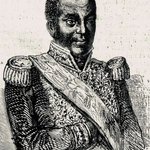
Yes, but also the clothing and pose of Faustin and Napoleon is nearly identical. This year they found the tomb of D'artagnan. Long thought to be a fictional charachter in Dumas's three Musketeers. < it was not long after the heist of Empress Adeline's crown in France. 2 crowns...


Woods retweeted
Marquess like Marquis, and Markgraf/Margrave - Marchioness (feminine) is a noble title that evolved from the Greek - Latin words for Black. From Mavrvs - to Marcus and names like Morris and Maurice (Moorish) - to Marquis and Marquess. Etc.
Woods retweeted
The true pronunciation always has an
"A" at the beginning like shown in the photo see > Amore<. Ex. Black Amoor Amaru. Amavru. Etc. Which is also the origin of the name America. The word is inherently tied to both love and sea. Even the word Armor / Armour are derived from it.

Woods retweeted

Since Éber Finn and Éremón, Ireland has had a recurring tendency to be divided into two north-south halves: La Tène (3rd century BC), Leath Cuinn-Leath Moga (2nd century AD), Synod of Ráth Breasail (1111), and, well, the 1921 partition--undoubtedly the most imperfect of them all.


