

Expert and consultant on self-organization of social systems.
Cēsis
Joined June 2009
- Tweets1.9K
- Following106
- Followers1.4K
- Likes23.7K




Pauls Irbins retweeted

🚨 THE LARGEST INVESTOR ON EARTH JUST SILENCED THE AI BUBBLE CROWD
BlackRock CEO Larry Fink controls $14 trillion in assets. Every Fortune 500 CEO reads his letter before breakfast
He just said this in his latest BBC interview:
1. “This is not a bubble”
Fink talks directly to hyperscaler CEOs. Their message: demand is outpacing supply. Not slowing. Accelerating. They can’t build fast enough.
2. One data centre = $50 billion
A single 1GW AI data centre costs over $50 billion. One tech CEO told Fink he needs 23 gigawatts by 2030. That’s over $1 trillion. From one company.
3. China is building 100GW of nuclear. Right now.
That’s 30+ nuclear power stations under construction. While Europe debates planning permission, China pours concrete.
4. The real bottleneck isn’t chips. It’s power.
“The biggest issue that limits the West is the cost of power.” His words. Not mine.
5. AI will create a blue-collar boom
Fewer analysts. More technicians (e.g. electricians, welders, plumbers). The people who build and maintain AI infrastructure will be in massive demand.
6. Energy pragmatism, not ideology
Oil. Gas. Solar. Nuclear. Wind. Use everything. Cheap power = economic resilience. Expensive power = recession.
The largest investor on Earth just told you exactly where the money is going.
AI infrastructure demand is real and accelerating. Only constrained by power.

Pauls Irbins retweeted

Izlasiet visi.
Viss pausaulē tieši tagad mainās fundamentāli - izglītība, madicīna, bizness, karš.
Aizmirstiet par veco ekonomiku un tās stutēšanu.
@EM_gov_lv un @LIAALatvija nupat izpļekarēja desmitiem miljonu "digitalizācijai", kur taisīja weblapas, pielāgotus e-veikalus, ieviesa dārgas sistēmas.
To, ko tuvākā laikā @claudeai uzkodēs dažās nedēļās.
Dikusija par Latvijas ekonomikas attīstību ir jāsāk no baltas lapas. Tagad.

Marc Andreessen just dropped ~105 mins on Lenny's Podcast covering AI, jobs, careers, and why everyone is panicking about the wrong thing.
Just the clearest macro framework I've heard on where AI actually lands.
My notes:
𝟭. 𝗔𝗜 𝗶𝘀 𝗮𝗿𝗿𝗶𝘃𝗶𝗻𝗴 𝗮𝘁 𝘁𝗵𝗲 𝗲𝘅𝗮𝗰𝘁 𝗺𝗼𝗺𝗲𝗻𝘁 𝗵𝘂𝗺𝗮𝗻𝗶𝘁𝘆 𝗻𝗲𝗲𝗱𝘀 𝗶𝘁.
US productivity growth has been running at half the rate of the 1940-1970 era and a third the rate of 1870-1940. The global population is declining below replacement in dozens of countries, including China. Without AI, we would be panicking about economies shrinking from depopulation, not job loss.
The timing is almost miraculous. This is what Andreessen means when he says the real boom has not started yet. We have been in a 50-year productivity drought, and most people do not even realize it.
𝟮. 𝗔𝗜 𝗶𝘀 𝘁𝗵𝗲 𝗽𝗵𝗶𝗹𝗼𝘀𝗼𝗽𝗵𝗲𝗿'𝘀 𝘀𝘁𝗼𝗻𝗲.
Isaac Newton spent decades trying to transmute lead into gold and never succeeded. AI does something more powerful: it converts sand (silicon) into thought. The most common material in the world is the rarest output.
This one metaphor reframes the entire AI conversation. You do not have a job loss problem. You have a philosopher's stone sitting on your desk that you are not using enough.
𝟯. 𝗔𝗜 𝗺𝗮𝗸𝗲𝘀 𝗴𝗼𝗼𝗱 𝗽𝗲𝗼𝗽𝗹𝗲 𝘃𝗲𝗿𝘆 𝗴𝗼𝗼𝗱, 𝗮𝗻𝗱 𝘃𝗲𝗿𝘆 𝗴𝗼𝗼𝗱 𝗽𝗲𝗼𝗽𝗹𝗲 𝘀𝗽𝗲𝗰𝘁𝗮𝗰𝘂𝗹𝗮𝗿𝗹𝘆 𝗴𝗿𝗲𝗮𝘁.
The best coders right now are not reporting 2x productivity. They are reporting 10x. The gap between "pretty good with AI" and "elite with AI" is widening, not narrowing.
This is the most important signal for career planning right now. If you are just using AI to do the same job slightly faster, you are leaving the real leverage on the table.
𝟰. 𝗧𝗵𝗲𝗿𝗲'𝘀 𝗮 𝗠𝗲𝘅𝗶𝗰𝗮𝗻 𝘀𝘁𝗮𝗻𝗱𝗼𝗳𝗳 𝗯𝗲𝘁𝘄𝗲𝗲𝗻 𝗣𝗠𝘀, 𝗲𝗻𝗴𝗶𝗻𝗲𝗲𝗿𝘀, 𝗮𝗻𝗱 𝗱𝗲𝘀𝗶𝗴𝗻𝗲𝗿𝘀.
Every engineer now thinks they can be a PM and designer. Every PM thinks they can code and design. Every designer knows they can do both. And they are all correct, because AI enables each role to absorb the tasks of the other two.
I have seen this firsthand in the investing world. The analyst who can build models and write narratives is 5x more valuable than someone who can do only one. The same convergence is happening in the product.
𝟱. 𝗙𝗼𝗿𝗴𝗲𝘁 𝗧-𝘀𝗵𝗮𝗽𝗲𝗱. 𝗕𝘂𝗶𝗹𝗱 𝗮𝗻 𝗘-𝘀𝗵𝗮𝗽𝗲𝗱 𝗰𝗮𝗿𝗲𝗲𝗿.
Scott Adams could not have created Dilbert by being the world's best cartoonist or the world's best business mind. He needed both. The additive effect of two skills is more than double. Three skills are more than triple. Larry Summers puts it differently: don't be fungible.
The person who can code, design, and ship a product is no longer a unicorn. They are the new baseline for "extremely valuable." If you are only one of those three things, you are increasingly replaceable.
𝟲. 𝗝𝗼𝗯𝘀 𝗮𝗿𝗲 𝗯𝘂𝗻𝗱𝗹𝗲𝘀 𝗼𝗳 𝘁𝗮𝘀𝗸𝘀. 𝗧𝗮𝘀𝗸𝘀 𝗰𝗵𝗮𝗻𝗴𝗲. 𝗝𝗼𝗯𝘀 𝗽𝗲𝗿𝘀𝗶𝘀𝘁.
Executives never typed their own emails in the 1970s. Secretaries printed incoming emails and hand-delivered them. Both roles survived the transition, just with different task sets. The same will happen with AI and coding, PM work, and design.
Everyone obsessing over "will my job disappear" is asking the wrong question. The right question is: which tasks in my job are about to rotate, and am I ready to pick up the new ones?
𝟳. 𝗔𝗜 𝗰𝗼𝗱𝗶𝗻𝗴 𝗶𝘀 𝗷𝘂𝘀𝘁 𝘁𝗵𝗲 𝗻𝗲𝘅𝘁 𝗮𝗯𝘀𝘁𝗿𝗮𝗰𝘁𝗶𝗼𝗻 𝗹𝗮𝘆𝗲𝗿.
We went from human calculators to machine code to assembly to C to scripting languages. Each layer was dismissed by the previous generation. Each time, the new layer won, and total coding employment grew. AI coding is the same pattern, not a rupture.
The Perl programmers of 2005, laughing at JavaScript, are the C programmers of 1995, laughing at scripting. History rhymes, and it always rewards the people who adopt the next abstraction first.
𝟴. 𝗔𝗜 𝘁𝘂𝘁𝗼𝗿𝗶𝗻𝗴 𝗱𝗲𝗺𝗼𝗰𝗿𝗮𝘁𝗶𝘇𝗲𝘀 𝗲𝗹𝗶𝘁𝗲 𝗲𝗱𝘂𝗰𝗮𝘁𝗶𝗼𝗻.
One-on-one tutoring is the only method proven to move a student from the 50th to the 99th percentile (Bloom's two sigma effect). It used to require being born into royalty. Alexander the Great was tutored by Aristotle. Now, any kid with a phone can access the same quality of personalized instruction.
This is the most under-discussed consequence of AI. Every parent reading this should be supplementing their kid's education with structured AI tutoring right now. Not next year. Now.
𝟵. 𝗣𝗲𝘁𝗲𝗿 𝗧𝗵𝗶𝗲𝗹 𝘄𝗮𝘀 𝗺𝗼𝗿𝗲 𝗿𝗶𝗴𝗵𝘁 𝘁𝗵𝗮𝗻 𝗔𝗻𝗱𝗿𝗲𝗲𝘀𝘀𝗲𝗻 𝗼𝗿𝗶𝗴𝗶𝗻𝗮𝗹𝗹𝘆 𝗮𝗱𝗺𝗶𝘁𝘁𝗲𝗱.
Progress in bits masked stagnation in atoms. The built world is barely different from 50 years ago. Same bridges from the 1930s, same dams from the 1910s. Cartels, monopolies, unions, and regulations prevent the rate of change that people had 100 years ago.
This is also why AI will not transform everything overnight. Institutional sclerosis is real. Healthcare alone could take a generation. If you are building in atoms, budget for a war of attrition, not a blitzkrieg.
𝟭𝟬. 𝗠𝗼𝗮𝘁𝘀 𝗶𝗻 𝗔𝗜 𝗮𝗿𝗲 𝗴𝗲𝗻𝘂𝗶𝗻𝗲𝗹𝘆 𝘂𝗻𝗸𝗻𝗼𝘄𝗻.
Within a year of ChatGPT's launch, five American companies, five Chinese companies, and open-source all had roughly equivalent models. DeepSeek emerged from a hedge fund in China and basically replicated the American labs' work. The smartest AI insiders privately admit there aren't many real secrets among the big labs.
This is the most honest take I have heard from a top-tier VC. No one knows if the value accrues to models, apps, or infrastructure. Anyone who tells you otherwise is selling you certainty they do not have.
𝟭𝟭. 𝗔𝗜 𝗜𝗤 𝘄𝗶𝗹𝗹 𝗯𝗹𝗼𝘄 𝗽𝗮𝘀𝘁 𝗵𝘂𝗺𝗮𝗻 𝗹𝗶𝗺𝗶𝘁𝘀.
Human IQ caps around 160 because of biology. Current AI models test around 130-140. There is no theoretical ceiling stopping AI from reaching 200, 250, or 300. The concept of AGI as a "human equivalent" will be a footnote because AI will race past that threshold.
This is the frame that makes the "will AI take my job" debate feel small. We are not building a replacement for human thought. We are building something that will be better than the best human thought has ever been.
𝟭𝟮. 𝗧𝗵𝗲 𝗯𝗲𝘀𝘁 𝗳𝗼𝘂𝗻𝗱𝗲𝗿𝘀 𝗮𝗿𝗲 𝗿𝗲𝘁𝗵𝗶𝗻𝗸𝗶𝗻𝗴 𝘄𝗵𝗮𝘁 𝗮 𝗰𝗼𝗺𝗽𝗮𝗻𝘆 𝗲𝘃𝗲𝗻 𝗶𝘀.
Layer one: AI redefines products. Layer two: AI redefines jobs within companies. Layer three, which has not dropped yet: AI redefines the very concept of having a company. The holy grail is the one-person, billion-dollar outcome, and the best founders are chasing it.
Satoshi did it with Bitcoin. Instagram and WhatsApp came close with tiny teams. The question is no longer if this is possible with software. The question is how many of these we will see in the next five years.
AI is the philosopher's stone. The question is whether you pick it up.
The full podcast is worth your time. Link in replies.

Visiem Latvijas faniem un patriotiem, kas ar putām uz lupām gavilē par mūsu sasniegumiem sportā, bet nav Zemessardzē, ir iespēja pierādīt savu patriotismu reģistrējoties par Zemessardzes Atbalstītāju. Uz priekšu, Latvieši!
zs.mil.lv/lv/zinas/zemessard…

Pauls Irbins retweeted

Davosas tikšanās ieies vēsturē ar Kanādas premjera lielisko politiskās realitātes skaidrojumu. Iepriekšējā pasaules kārtība ir beigusies, jauna veidojas. Tikai aktīva Latvijas drošības un ārpolitika var mūs pasargāt no satricinājumiem un dot stabilu pamatu jaunajā kārtībā.
Pauls Irbins retweeted

Zelensky proposed to European leaders the creation of joint European armed forces with at least three million soldiers to counter the threat from Russia, which plans to have an army of two to two and a half million by 2030. He stressed that each country would keep its sovereign army and this would not compete with the US or undermine NATO, but Europe as a separate continent needs its own strong force. Ukraine could make a fundamental contribution, including through sharing wartime experience and technologies that help partners improve their weapons. He noted he raised this idea a year ago, but no steps have been taken toward it yet, and current challenges might make European leaders reconsider.

Pauls Irbins retweeted

Fantastiska Kanādas premjera runa Davosā. Jābeidz izlikties.
Izņemiet no skatlogiem lozungu "Visu zemju proletārieši - savienojieties". Izlasiet. Pamācoši. Un kāds, lūdzu, iztulkojiet latviski un iedodiet Mieriņas kundzei. Jeb nolasiet Saeimā. Lūdzu.
pm.gc.ca/en/news/speeches/20…

Pauls Irbins retweeted
Davosā, Briselē, Grenlandē, jebkur, šis ir mirklis, kad Latvijai jāapliecina sava piederība Ziemeļeiropai, taisnīgumam un tiesiskumam. Mazām valstīm ģeopolitiskajā juceklī ir jāapliecina sava morālā atbildība, līdzīgi kā Islande to darīja būdama pirmā, kas atzina mūsu neatkarību.
Pauls Irbins retweeted
Tuvojoties ārpolitikas debatēm Saeimā, gribu uzsvēt nepieciešamību mainīt ārpolitikas/aizsardzības politikas prioritāti par labu straujai militāri politiskai integrācijai ar Baltijas jūras valstīm. Tas nenozīmē atteikšanos no aktivitātēm NATO, bet uzsvars jāliek uz mūsu reģionu.
Pauls Irbins retweeted
Beidzot!
Par šo sapņoju un rakstu jau vismaz 2 gadus!
Novēlu izdošanos Eiropas politiķiem nenoraustīties no šī fundamentālā un Eiropas izdzīvošanai svarīgā lēmuma!

❗️Europe is discussing the creation of its own security alliance without the United States, but with the participation of Ukraine, amid worsening relations with the Trump administration — Politico
Politico notes that Ukraine could become a key element of the new alliance as the most militarized country in Europe — with a large army, a developed drone industry and real combat experience. Combined with the military power of France, Germany, Poland and the United Kingdom, such a bloc would become a serious force.

Pauls Irbins retweeted

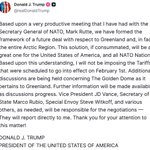
Estonia🇪🇪 is contributing to planning the joint European military exercise in Greenland🇬🇱 and is ready to put boots on the ground if requested.
🇱🇻 varētu uz 🇬🇱 nosutīt vismaz vienu dronu vienību - pašiem patrenēties un sabiedrotos atbalstīt. @Latvijas_armija @nbskomandieris mums nevajag gaidīt 🇩🇰uzaicinājumu, bet pašiem jāpiedāvā.


Pauls Irbins retweeted
Ir vēl trakāk. Birokrātijas džungļi ir radījuši neskaitāmus "konsultantu" biznesus arī privātajā sektorā. Visi šie labie ļaudis arī aizstāvēs savus biznesus.
Metode ir veca un vienkārša - paust BAŽAS, ATLIKT un visbeidzot uztaisīt LIELO DARBA GRUPU problēmas risināšanai.

Pauls Irbins retweeted

“Es nebiju priecīgs, kad mani iesauca, bet pieredze ir izcila”

4️⃣ Vēl tikai četras dienas, lai brīvprātīgi pieteiktos valsts aizsardzības dienesta vasaras iesaukumam.
Izmanto iespēju un iemācies uzvarēt!
👉 Vairāk: klustikaravirs.lv/valsts-aiz…
Pauls Irbins retweeted

Galvenais pretinieks birokrātijas samazināšanā (protams ir izņēmumi) ir publiskais sektors ~ 270 tūkstoši cilvēku. Ienākumi tur bieži ir lielāki kā privātajā sektorā, garantijas, drošība utt . Katrs saprot , ja viņu samazinās - būs dzīves līmeņa kritums, tātad jāsabotē pārmaiņas
Kāda nostāja ir mūsu @Brivibas36 un @Latvijas_armija ? Kā Zemessargs vai pilsonis es būtu gatavs braukt Dāņiem palīgā.


Pauls Irbins retweeted
Kamēr Valdība un NBS jau 3 gadus runā par "Visaptverošu Valsts Aizsardzību", es uztaisiju CivNet civnetlv.bolt.host , kur katrs pilsonis anonīmi var deklarēt savu līdzdalību krīzes situācijā. Pagaidām atsaucības testēšanai un ieteikumiem. Lūgums dalīties.
Kamēr Valdība un NBS jau 3 gadus runā par "Visaptverošu Valsts Aizsardzību", es uztaisiju CivNet civnetlv.bolt.host , kur katrs pilsonis anonīmi var deklarēt savu līdzdalību krīzes situācijā. Pagaidām atsaucības testēšanai un ieteikumiem. Lūgums dalīties.
Pauls Irbins retweeted
Ja mēs tuvākajā laikā neuzliksim visas likmes uz 2 lietām t.i. daudz straujāku ekonomikas attīstību un caurvijošu drošību ( pēc Izraēlas parauga ) , tad labākajā gadījumā mēs kulsimies starp Eiropas nabadzīgākajām valstīm, sliktākajā gadījumā tiksim pakļauti vai okupēti