





Pinned Tweet
I've been working on a PDF refutation of a Khariji telegram channel called "Truth Remains". I handpicked 18 doubts from this channel which I answer in detail. This channel gets frequently cited by many Khawarij as some sort of primary reference to return back to, and none of these people have bothered to critically analyze what’s being promoted in this channel and whether it aligns with the truth or not. This channel is filled with countless blunders.
anyone can download it from the link below, بارك الله فيكم.
tr.ee/zaoW4FaMA0


Jad 🇸🇾 retweeted

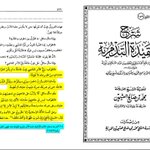
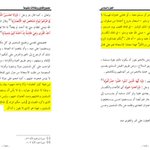
The Filthy Khārijī Ḥamūd Ibn ʿAbdullāh Ibn ʿUqlāʾ Ash-Shuʿaybī implicitly did takfīr of all of the Rulers of the Muslims.
He said:
For this reason, a warning has been narrated from him ﷺ regarding that, where he said: “The best of your rulers are those whom you love and who


Jad 🇸🇾 retweeted
هل يكفر الأشاعرة والمعتزلة ومن على شاكلتهم في المعتقد، وهل يجوز أخذ العلم من مشايخهم في العقيدة، والفقه، والتفسير؛ إذا عُلم موضع إشكالهم؟
Are the Ashʿarīs, the Muʿtazilah, and those of their ilk in belief declared disbelievers, and is it permissible to take knowledge from their shaykhs in ʿaqīdah , fiqh, and tafsīr, if the point of their error is known?
قال الشيخ العلامة الإمام صالح بن فوزان الفوزان حفظه الله تعالى:
لا يكفر إلا من عرف الحق وعاند، أما من خالف الحق عن تأويل أو عن جهل فهذا لا يُكفّر، بل يقال: هذا خطأ، وهذا ضلال. ومن تأوّل وظن أن هذا التأويل حق، أو أنه مقلد لغيره ظانًّا أنه مصيب، أو فعل هذا عن جهل؛ فهؤلاء كلهم لا يكفرون، ولكن يضللون. أما الأخذ عنهم في غير العقيدة من العلوم التي يتقنونها -فلا بأس-، مثل أن يؤخذ عنهم الفقه، والنحو، وعلم الحديث؛ لا مانع من ذلك بشرط أن لا يكونوا مجاهرين ببدعتهم. ولكن إن وجد غيرهم مِمَّنْ هو أفضل منهم فإنه يجب التتلمذ على من هو أفضل منهم، وإذا لَم يجد الشخص غيرهم في مثل هذه العلوم، الفقه، اللغة العربية، وما أشبه ذلك لا مانع أن يؤخذ عنهم هذه العلوم أما العقيدة فلا تؤخذ إلا من أهلها.
Shaykh Ṣāliḥ ibn Fawzān al-Fawzān said:
"None is declared a disbeliever except one who knows the truth and stubbornly opposes it. As for one who opposes the truth due to misinterpretation (taʾwīl) or ignorance, such a person is not declared a disbeliever; rather, it is said: this is an error, and this is misguidance. Whoever makes a misinterpretation thinking that this interpretation is the truth, or blindly follows someone else thinking he is correct, or does this out of ignorance—none of these are declared disbelievers, rather they are deemed misguided.
As for taking knowledge from them in subjects other than ʿaqīdah among the sciences that they have mastered, there is no harm in that—such as taking fiqh, Arabic grammar, and the science of ḥadīth from them; there is no objection to that, on the condition that they do not openly call to their innovation.
However, if someone else is found who is better than them, then it is obligatory to study under the one who is better than them. And if a person finds no one other than them in sciences such as fiqh, the Arabic language, and the like, there is no objection to taking these sciences from them—as for ʿaqīdah, it is not taken except from its rightful people [i.e., Ahl al-Sunnah]."
al-Ajwibah al-Mufīdah ʿan Asʾilat al-Manāhij al-Jadīdah (الأجوبة المفيدة عن أسئلة المناهج الجديدة), pp. 165–166.

Jad 🇸🇾 retweeted

Busy your day reading the Quran and dhikr with istighfaar. Enjoy the quiet moments reflecting upon the blessings of Allah. And busy in learning and teaching. Learn patience and forbearance. Make the salat the coolness of your eyes. Life passing by quickly before you.
Jad 🇸🇾 retweeted
قال أبو قلابة رحمه الله:
«لا تجالسوا أهل الأهواء، ولا تحادثوهم، فإني لا آمن أن يغمسوكم في ضلالتهم، أو يلبسوا عليكم ما كنتم تعرفون».
Siyar A‘lam al-Nubala’ by Imam al-Dhahabi rahimahullah [4/468–475]
Jad 🇸🇾 retweeted
هل الخلاف في مسألة العذر بالجهل خلاف فقهي أم عقدي؟
Is ikhtilāf on the issue of ʿudhr bil-jahl a fiqhī or a 'Aqeedah one?
قال الشيخ محمد بن صالح العثيمين رحمه الله تعالى:
الاختلاف في مسألة العذر بالجهل كغيره من الاختلافات الفقهية الاجتهادية، وربما يكون اختلافًا لفظيًّا في بعض الأحيان من أجل تطبيق الحكم على الشخص المعين، أي أن الجميع يتفقون على أن هذا القول كفر، أو هذا الفعل كفر، أو هذا الشرك كفر، ولكن هل يصدق الحكم على هذا الشخص المعين لقيام المقتضي في حقه وانتفاء المانع أو لا ينطبق لفوات بعض المقتضيات، أو وجود بعض الموانع. وذلك أن الجهل بالمكفِّر على نوعين: الأول: أن يكون من شخص يدين بغير الإسلام أو لا يدين بشيء، ولم يكن يخطر بباله أن دينًا يخالف ما هو عليه فهذا تجري عليه أحكام الظاهر في الدنيا، وأما في الآخرة فأمره إلى الله -تعالى-، والقول الراجح أنه يمتحن في الآخرة بما يشاء الله -عز وجل-، والله أعلم بما كانوا عاملين، لكن نعلم أنه لن يدخل النار إلا بذنب لقوله -تعالى-: ﴿وَلَا يَظْلِمُ رَبُّكَ أَحَدًا﴾ [سورة الكهف، الآية: ٤٩]. وإنما قلنا تجري عليه أحكام الظاهر في الدنيا وهي أحكام الكفر؛ لأنه لا يدين بالإسلام فلا يمكن أن يعطى حكمه، وإنما قلنا بأن الراجح أنه يمتحن في الآخرة لأنه جاء في ذلك آثار كثيرة ذكرها ابن القيم -رحمه الله تعالى- في كتابه «طريق الهجرتين» عند كلامه على المذهب الثامن في أطفال المشركين تحت الكلام على الطبقة الرابعة عشرة.
النوع الثاني: أن يكون من شخص يدين بالإسلام ولكنه عاش على هذا المكفِّر ولم يكن يخطر بباله أنه مخالف للإسلام، ولا نبهه أحد على ذلك فهذا تجري عليه أحكام الإسلام ظاهرًا، أما في الآخرة فأمره إلى الله -عز وجل-، وقد دل على ذلك الكتاب، والسنة، وأقوال أهل العلم
Shaykh Muḥammad ibn Ṣāliḥ al-ʿUthaymīn (رحمه الله) said:
"Differing over the issue of excuse due to ignorance is like other juristic differences open to ijtihād , and sometimes it is merely a verbal disagreement regarding the application of the ruling to a specific individual—meaning everyone agrees that this statement is disbelief, or this action is disbelief, or this shirk is disbelief, yet [the question is] whether the ruling applies to this specific individual due to the fulfillment of the requisite conditions in his case and the absence of preventative barriers, or whether it does not apply due to the absence of some conditions or the presence of some preventative barriers—and this is because ignorance of what constitutes disbelief falls into two categories:
The first is when it comes from a person who professes a religion other than Islam or professes no religion at all, and it never crossed his mind that there is a religion contradicting what he is upon, so the outward rulings [of disbelief] apply to him in this world, while in the Hereafter his affair is with Allah the Exalted, and the preponderant view is that he will be tested in the Hereafter with whatever Allah (Mighty and Majestic) wills—and Allah knows best what they would have done—though we know he will not enter the Hellfire except for a sin, due to His saying (the Exalted): {And your Lord does injustice to no one} [Sūrat al-Kahf: 49], and we only say the outward rulings apply to him in this world—which are the rulings of disbelief—because he does not profess Islam so he cannot be given its ruling, and we only say the preponderant view is that he will be tested in the Hereafter because many narrations have come regarding that which Ibn al-Qayyim (may Allah the Exalted have mercy upon him) mentioned in his book Ṭarīq al-Hijratayn when discussing the eighth position concerning the children of the polytheists under his discussion of the fourteenth category;
and the second category is when it comes from a person who professes Islam, yet he lived upon this act of disbelief and it never crossed his mind that it contradicts Islam, nor did anyone alert him to that, so the rulings of Islam apply to him outwardly, while in the Hereafter his affair is with Allah (Mighty and Majestic)—and the Book, the Sunnah, and the statements of the people of knowledge have indicated this."
Sharh' Kashf al-Shubuhāt (pp. 50–52)

Jad 🇸🇾 retweeted

Al-ʿAllāmah Zayd al-Madkhalī (raḥimahullāh):
“Every Muslim needs a home library – every single Muslim, whether they read or not… The truly deprived person is the one who turns away from gaining religious understanding.”
📖 SalafiBookstore.com
Jad 🇸🇾 retweeted
also Al-Ghunayman:
— Seeking judgement to other than the Shari'a is minor disbelief
— Legislating man-made laws is minor disbelief

Shaykh al-Ghunaymān was asked:
Q: Our Shaykh, Someone said, that regarding ruling by man-made laws, the scholars are in agreement that one who rules by man-made laws is not takfired unless he deems it permissible (meaning istiḥlāl), alters the law or rejects the ruling of Allah.
Is this, may Allah preserve you, Shaykh, correct?
A: It is not correct. This is the speech of the Murjiʾah.
Jad 🇸🇾 retweeted
Explanation of the saying of Allah تعالى :
فَلَا وَرَبِّكَ لَا يُؤْمِنُونَ حَتَّىٰ يُحَكِّمُوكَ فِيمَا شَجَرَ بَيْنَهُمْ ثُمَّ لَا يَجِدُوا فِي أَنفُسِهِمْ حَرَجًا مِّمَّا قَضَيْتَ وَيُسَلِّمُوا تَسْلِيمًا
"But no, by your Lord, they will not believe until they make you, [O Muḥammad], judge concerning that over which they dispute among themselves and then find within themselves no discomfort from what you have judged and submit in [full, willing] submission." al-Nisaa' 65
Imam ʿAbd al-Raḥmān ibn Nāṣir al-Saʿdī said in his Tafsir:
"Thus, referring judgment [to the Messenger ﷺ] is in the station of Islām, the absence of discomfort [in the heart] is in the station of Īmān, and complete submission is in the station of Iḥsān. So whoever fulfills and perfects these levels has fulfilled all the levels of the religion. Therefore, whoever abandons this aforementioned referral of judgment without adhering to it [as binding] is a disbeliever whereas whoever abandons it while still affirming his adherence to it holds the ruling of others like him among the disobedient sinners."
Jad 🇸🇾 retweeted
The Last Position of Ibn al-ʿUthaymīn On the One Who Claims to be Muslim while ignorantly doing Shirk
On 14 Shaʿbān 1420AH (November 22, 1999), approximately 14 months before his death, Shaykh Muḥammad ibn Ṣāliḥ al-ʿUthaymīn was asked:
"If a man is among the grave-worshippers—prostrating to graves, circumambulating around them, slaughtering for shrines, and considering these matters to be part of Islam, knowing that the da‘wah of Islam has not reached him, and he does not know the meaning of Tawḥīd nor the statement of Tawḥīd, what is the ruling concerning him?
Do we consider him among the Muslims, or among the polytheists?
To which he answered:
"We ask: Has the da‘wah reached him in a correct manner, or not? If the call has not reached him in a correct manner, and he attributes himself to Islam, then he is outwardly a Muslim. As for the Hereafter, his affair rests with Allah. However, if the call had reached him, but he said: "Indeed, he found his forefathers upon this," then this person is a disbeliever. Because he is like those regarding whom Allah said: {Rather, they say: "Indeed, we found our forefathers upon a religion, and we are guided by their footsteps"} [Az-Zukhruf: 22]."
Liqā’at al-Bāb al-Maftūḥ (Session 214)

Jad 🇸🇾 retweeted
Indeed, Allah has humiliated this sect by causing them to divide within themselves over matters of 'usul, not even matters of valid differing, due to their oppression.
the Haddadi who got bullied off TikTok by a couple of teenagers and who is known to steal scans from people will get Takfired by another Haddadi for excusing Ibn 'Uthaymin the "adhiri" 😂
They have their own civil war over these issues, and indeed this is a sign of their misguidance.

هل الخلاف في مسألة العذر بالجهل خلاف فقهي أم عقدي؟
Is ikhtilāf on the issue of ʿudhr bil-jahl a fiqhī or a 'Aqeedah one?
قال الشيخ محمد بن صالح العثيمين رحمه الله تعالى:
الاختلاف في مسألة العذر بالجهل كغيره من الاختلافات الفقهية الاجتهادية، وربما يكون اختلافًا لفظيًّا في بعض الأحيان من أجل تطبيق الحكم على الشخص المعين، أي أن الجميع يتفقون على أن هذا القول كفر، أو هذا الفعل كفر، أو هذا الشرك كفر، ولكن هل يصدق الحكم على هذا الشخص المعين لقيام المقتضي في حقه وانتفاء المانع أو لا ينطبق لفوات بعض المقتضيات، أو وجود بعض الموانع. وذلك أن الجهل بالمكفِّر على نوعين: الأول: أن يكون من شخص يدين بغير الإسلام أو لا يدين بشيء، ولم يكن يخطر بباله أن دينًا يخالف ما هو عليه فهذا تجري عليه أحكام الظاهر في الدنيا، وأما في الآخرة فأمره إلى الله -تعالى-، والقول الراجح أنه يمتحن في الآخرة بما يشاء الله -عز وجل-، والله أعلم بما كانوا عاملين، لكن نعلم أنه لن يدخل النار إلا بذنب لقوله -تعالى-: ﴿وَلَا يَظْلِمُ رَبُّكَ أَحَدًا﴾ [سورة الكهف، الآية: ٤٩]. وإنما قلنا تجري عليه أحكام الظاهر في الدنيا وهي أحكام الكفر؛ لأنه لا يدين بالإسلام فلا يمكن أن يعطى حكمه، وإنما قلنا بأن الراجح أنه يمتحن في الآخرة لأنه جاء في ذلك آثار كثيرة ذكرها ابن القيم -رحمه الله تعالى- في كتابه «طريق الهجرتين» عند كلامه على المذهب الثامن في أطفال المشركين تحت الكلام على الطبقة الرابعة عشرة.
النوع الثاني: أن يكون من شخص يدين بالإسلام ولكنه عاش على هذا المكفِّر ولم يكن يخطر بباله أنه مخالف للإسلام، ولا نبهه أحد على ذلك فهذا تجري عليه أحكام الإسلام ظاهرًا، أما في الآخرة فأمره إلى الله -عز وجل-، وقد دل على ذلك الكتاب، والسنة، وأقوال أهل العلم
Shaykh Muḥammad ibn Ṣāliḥ al-ʿUthaymīn (رحمه الله) said:
"Differing over the issue of excuse due to ignorance is like other juristic differences open to ijtihād , and sometimes it is merely a verbal disagreement regarding the application of the ruling to a specific individual—meaning everyone agrees that this statement is disbelief, or this action is disbelief, or this shirk is disbelief, yet [the question is] whether the ruling applies to this specific individual due to the fulfillment of the requisite conditions in his case and the absence of preventative barriers, or whether it does not apply due to the absence of some conditions or the presence of some preventative barriers—and this is because ignorance of what constitutes disbelief falls into two categories:
The first is when it comes from a person who professes a religion other than Islam or professes no religion at all, and it never crossed his mind that there is a religion contradicting what he is upon, so the outward rulings [of disbelief] apply to him in this world, while in the Hereafter his affair is with Allah the Exalted, and the preponderant view is that he will be tested in the Hereafter with whatever Allah (Mighty and Majestic) wills—and Allah knows best what they would have done—though we know he will not enter the Hellfire except for a sin, due to His saying (the Exalted): {And your Lord does injustice to no one} [Sūrat al-Kahf: 49], and we only say the outward rulings apply to him in this world—which are the rulings of disbelief—because he does not profess Islam so he cannot be given its ruling, and we only say the preponderant view is that he will be tested in the Hereafter because many narrations have come regarding that which Ibn al-Qayyim (may Allah the Exalted have mercy upon him) mentioned in his book Ṭarīq al-Hijratayn when discussing the eighth position concerning the children of the polytheists under his discussion of the fourteenth category;
and the second category is when it comes from a person who professes Islam, yet he lived upon this act of disbelief and it never crossed his mind that it contradicts Islam, nor did anyone alert him to that, so the rulings of Islam apply to him outwardly, while in the Hereafter his affair is with Allah (Mighty and Majestic)—and the Book, the Sunnah, and the statements of the people of knowledge have indicated this."
Sharh' Kashf al-Shubuhāt (pp. 50–52)
Indeed, Allah has humiliated this sect by causing them to divide within themselves over matters of 'usul, not even matters of valid differing, due to their oppression.
the Haddadi who got bullied off TikTok by a couple of teenagers and who is known to steal scans from people will get Takfired by another Haddadi for excusing Ibn 'Uthaymin the "adhiri" 😂
They have their own civil war over these issues, and indeed this is a sign of their misguidance.
Sayyid Qutb states in his Tafsir:
"So the Qurʾān is a worldly/cosmic phenomenon like the earth and the heavens"
And he also stated:
"And rising over the Throne is a metaphor for ultimate control and supremacy."
This is clear from Qutb that he believes that the speech of Allaah is a created phenomenon just like the earth and the heavens, and that the Istiwa' of Allaah on His throne is just a metaphor.
So I say: there is no doubt that anybody, whether they claim to be a scholar or not, who defends Qutb after knowing his condition, and wages a war against Ahl al Sunnah for speaking harshly against Qutb is a vile innovator just like Qutb.
فَلْيَحْذَرِ ٱلَّذِينَ يُخَالِفُونَ عَنْ أَمْرِهِۦٓ أَن تُصِيبَهُمْ فِتْنَةٌ أَوْ يُصِيبَهُمْ عَذَابٌ أَلِيمٌ
Allah said: "So let those beware who dissent from his [i.e., the Prophet's] order, lest Fitnah strike them or a painful punishment."

Haddadis themselves aren't united on whether Ibn 'Uthaymin died upon giving 'udhr or not
honest Haddadis like this admit that in their paradigm Ibn 'Uthaymin died upon the 'Aqidah of Dawud Bin Jirjis, while others will tell you "we need to reconcile these kufri statements with what his students narrated"
either way, we ask Allah to eradicate this sect and remove its oppression from the earth


Can someone be excused due to ignorance in matters of Tawḥīd?
Shaykh Muḥammad ibn Ṣāliḥ al-ʿUthaymīn رحمه الله was asked:
"Is a person excused due to ignorance regarding matters of Tawḥīd?"
To which he replied:
"Excuse due to ignorance is established in everything with which a servant worships his Lord; because Allah—Glory be to Him and Exalted is He—said: «Indeed, We have revealed to you, [O Muhammad], as We revealed to Noah and the prophets after him...» up until He—Mighty and Majestic is He—said: «[We sent] messengers as bringers of good tidings and warners so that mankind would have no argument against Allah after the messengers."
And due to His statement—the Exalted: «And never would We punish until We sent a messenger.» (Al-Isrāʾ: 15)
And due to His statement—the Exalted: «And Allah would not let a people stray after He has guided them until He makes clear to them what they should avoid.» (At-Tawbah: 115)
And due to the saying of the Prophet ﷺ: «By the One in Whose Hand is my soul, no one of this nation—whether a Jew or a Christian—hears of me and then dies without believing in what I was sent with, except that he will be among the companions of the Fire.»
The texts regarding this are numerous. Therefore, whoever is ignorant is not held accountable for his ignorance in any matter of the religion.
However, we must understand that among the ignorant are those who possess a type of stubbornness (ʿinād), meaning that the truth is mentioned to him, yet he neither investigates it nor follows it; rather, he persists upon what his mentors, and those whom he venerates and follows, were upon. In reality, such a person is not excused, because enough proof has reached him such that his minimal duty was to investigate that doubt so that the truth becomes clear to him.
The one who venerates those he follows shares the same state as those concerning whom Allah said: «Indeed, we found our forefathers upon a religion, and we are guided by their footsteps» (Az-Zukhruf: 22), and in the other verse: «...and indeed, we are following in their footsteps.» (Az-Zukhruf: 23)
The crucial point is that the ignorance for which a person is excused—such that he has no knowledge of the truth and it was never brought to his attention—lifts the sin as well as the ruling dictated by his action upon the doer.
Then, if he attributes himself to the Muslims and bears witness that there is no deity worthy of worship except Allah and that Muhammad is the Messenger of Allah, he is regarded as one of them; and if he does not attribute himself to the Muslims, then his ruling is that of the people of his own religion."
Majmūʿ Fatāwā wa-Rasāʾil (vol. 2, pp.127–128)

The Last Position of Ibn al-ʿUthaymīn On the One Who Claims to be Muslim while ignorantly doing Shirk
On 14 Shaʿbān 1420AH (November 22, 1999), approximately 14 months before his death, Shaykh Muḥammad ibn Ṣāliḥ al-ʿUthaymīn was asked:
"If a man is among the grave-worshippers—prostrating to graves, circumambulating around them, slaughtering for shrines, and considering these matters to be part of Islam, knowing that the da‘wah of Islam has not reached him, and he does not know the meaning of Tawḥīd nor the statement of Tawḥīd, what is the ruling concerning him?
Do we consider him among the Muslims, or among the polytheists?
To which he answered:
"We ask: Has the da‘wah reached him in a correct manner, or not? If the call has not reached him in a correct manner, and he attributes himself to Islam, then he is outwardly a Muslim. As for the Hereafter, his affair rests with Allah. However, if the call had reached him, but he said: "Indeed, he found his forefathers upon this," then this person is a disbeliever. Because he is like those regarding whom Allah said: {Rather, they say: "Indeed, we found our forefathers upon a religion, and we are guided by their footsteps"} [Az-Zukhruf: 22]."
Liqā’at al-Bāb al-Maftūḥ (Session 214)