





mrGG retweeted

WALL STREET spends millions on quant teams.
I spent $20 on Claude.
Yesterday:
fired.
rent late.
$25 left in my bank account.
I opened Claude and typed:
“Analyze profitable Polymarket wallets from the last 90 days and build me an edge.”
Then went to sleep.
Woke up to:
+$4,237.
While I was asleep, the agent:
• scanned 10,000 wallets
• filtered fake alpha from real edge
• tracked sizing, timing, and conviction
• found traders consistently beating the market
Then it built a fully automated strategy:
→ monitors breaking news
→ maps narratives to active markets
→ detects mispriced odds
→ executes arbitrage
→ sizes positions dynamically
Started at 11:47 PM.
By morning:
94 trades executed.
Zero manual input.
No fear.
No greed.
No second-guessing.
Just data reacting faster than humans can.
People keep asking if AI will replace jobs.
Wrong question.
The real question is:
what happens when one person gets access to tools that used to belong only to Wall Street?
You only need Claude + laptop + 1 hour/day.
Giving This Free for 24 hours. To get it:
1. Comment the word 'AutoPilot'
2. Like and Retweet this post
3. Follow me @techluisenzo
mrGG retweeted

🥳 Free USDC to 8 People today 💸
Just got my $2,000 Monthly Stimmy from @Hertzflow_xyz i’m sending some of it to my followers 🎉
RT & Drop your Binance UID or #Solana Wallet 👇

🫡🫡

🎉เริ่มแล้ว! กิจกรรม XRP Learn to Earn แค่ดูคลิป แชร์โพสต์ แล้วตอบคำถามให้ครบ ก็เตรียมรับไปเลย BNB Voucher มูลค่า 200 บาท💸
📍วิธีร่วมกิจกรรม
1️⃣ ดูวิดีโอ Token of the Day: XRP บน หน้ากิจกรรม XRP Learn to Earn ใน application หรือ website ของ BINANCE TH
2️⃣ แชร์โพสต์วิดีโอ XRP Learn to Earn บน Facebook หรือ X ของคุณ (เปิดเป็นสาธารณะ)
3️⃣ กดติดตาม X ของ BINANCE TH
4️⃣ ตอบคำถามได้ถูกต้อง 5 ข้อ บนหน้ากิจกรรม XRP Learn to Earn
🔗หน้ากิจกรรม XRP Learn to Earn
binance.th/th/universal/lear…
พร้อมแนบหลักฐานการแชร์และการกดติดตาม X ของ BINANCE TH (สกรีนช็อต)
🎁 ของรางวัล
รับไปเลย! BNB Voucher มูลค่า 200 บาท (อิงจากราคาปิด ณ วันที่ 21 ก.ย. 69 เวลา 10:00 น.)
📌จำกัดเพียง 200 คนแรก ที่ทำครบเงื่อนไข
⏰ ระยะเวลากิจกรรม:
เริ่ม: 28 ต.ค. 69 เวลา 12:00 น.
สิ้นสุด: 1 พ.ย. 69 เวลา 23:59 น.
แจกของรางวัล Voucher: 6 พ.ย. 69 เวลา 11:00 น.
#XRPLearnToEarn #BinanceTH #TokenoftheDay #LearnToEarn
คำเตือน : คริปโทเคอร์เรนซีและโทเคนดิจิทัลมีความเสี่ยงสูง ท่านอาจสูญเสียเงินลงทุนได้ทั้งจำนวน โปรดศึกษาและลงทุนให้เหมาะสมกับระดับความเสี่ยงที่ยอมรับได้
14
mrGG retweeted
A 19-year-old Japanese student built a trading bot with Claude Code in 2 days.
Used his iPad as a second monitor.
First night: $6,732 profit.
Starting capital: $68.
Total profit so far: $750,000.
Here's how it works:
The bot scans over 50 markets simultaneously.
Syncs live BTC data from Binance every second.
Spots price errors before humans even notice.
The edge is pure speed + pattern recognition.
While traders stare at charts trying to predict the next move, his bot is already executing on mispricing across dozens of markets.
No guessing.
No emotions.
No hesitation.
Just Claude Code logic finding gaps that close in seconds.
He built the entire system in 48 hours:
→ Claude Code handles the trading logic
→ Binance API feeds real-time BTC data
→ iPad displays multi-market monitoring
→ Executes trades when arbitrage windows open
The system runs 24/7.
Every price dislocation = profit opportunity.
Most people are still trading manually, refreshing charts, second-guessing entries.
Meanwhile this 19-year-old engineering student turned $68 into $750K by letting Claude Code do what humans can't: process 50 markets instantly and execute without fear.
Why are people still trading manually?
💡I'm giving away the exact Claude Code setup for free.
24 hours only.
To get it: 👇
1️⃣ Comment "Claude"
2️⃣ Like Comment and Repost
Follow @techluisenzo
I'll DM you the complete setup.
mrGG retweeted

สรุปมาให้ค้าบบบ
ช่วงนี้ AI ไปไกลถึงขั้นช่วย Reverse Engineer โปรแกรมได้แล้ว มีคนทำไกด์ 11 ขั้นตั้งแต่มีแค่ไฟล์โปรแกรม ไปจนถึงทำความเข้าใจว่าข้างในมันทำงานยังไง แล้วสร้างเวอร์ชันของตัวเองขึ้นมาใหม่
1. ขั้นแรกต้องเข้าใจก่อนว่า AI ไม่ได้เปิดไฟล์ Binary แล้วอ่านออกเองทันที แต่ใช้เครื่องมืออย่าง REA เป็นตัวกลาง เชื่อม AI เข้ากับพวก Ghidra, Hopper หรือ IDA ที่ทำหน้าที่แกะตัวโปรแกรมจริง ๆ
- ก่อนแกะต้องดูก่อนว่าโปรแกรมที่เรามีเป็นอะไร เช่น Native, Electron/JavaScript, .NET, Go, APK หรือ WASM เพราะแต่ละแบบใช้วิธีวิเคราะห์ไม่เหมือนกัน บางโปรแกรมมี JavaScript ให้อ่านอยู่แล้ว ไม่จำเป็นต้องไปนั่งแกะ Assembly ตั้งแต่แรก
- จากนั้นอย่าเพิ่งเปิดโค้ดไล่อ่านทั้งโปรแกรม ให้ดูภาพรวมก่อนว่าโปรแกรมใหญ่แค่ไหน มีฟังก์ชันอะไร มีข้อความ URL หรือชื่อฟีเจอร์อะไรซ่อนอยู่ สิ่งพวกนี้ช่วยบอกได้ว่าควรเริ่มตามจากตรงไหน
- แล้วค่อยดูว่า Function ไหนถูกเรียกใช้บ่อยหรือเชื่อมกับหลายส่วนของโปรแกรม เพราะ Function แบบนี้มักเป็นส่วนสำคัญ ไล่จากตัวหลักก่อนจะประหยัดเวลากว่านั่งอ่านเรียงไปทีละตัว
- พอเจอส่วนที่ต้องการแล้วค่อย Decompile ให้โค้ดเครื่องกลายเป็น Pseudocode ที่พออ่านรู้เรื่อง จากนั้นให้ AI ช่วยแกะต่อว่า Function นี้ทำอะไร ตัวแปรแต่ละตัวน่าจะหมายถึงอะไร รับข้อมูลจากไหน ส่งไปไหน และมี Logic แบบไหนอยู่ข้างใน
- ถ้าเจอโค้ดที่ตั้งใจทำให้อ่านยากหรือ Obfuscate ไว้ งานจะยากขึ้นอีก AI สามารถช่วยแยกโค้ดหลอก เงื่อนไขหลอก หรือ Logic ที่ถูกทำให้ยุ่งออกได้ แต่ต้นฉบับก็ย้ำว่าไม่ใช่ทุกอย่างที่ AI จะแกะได้ ควรกำหนดขอบเขตไว้ ไม่งั้นเสียทั้งเวลาและค่าใช้จ่าย
- ถ้าโปรแกรมใหญ่มาก อย่าให้ AI ตัวเดียวอ่านทุกอย่าง เพราะข้อมูลเยอะจนเริ่มจำสับสนได้ วิธีที่เขาแนะนำคือแบ่ง AI หลายตัวให้รับผิดชอบคนละ Function หรือคนละส่วน แล้วมีอีกตัวคอยรวบรวมทั้งหมดเข้าด้วยกัน
- ส่วนสำคัญมากคือ ถ้าจะเอาสิ่งที่เรียนรู้มาสร้างโปรแกรมใหม่ เขาแนะนำให้ทำแบบ Clean Room คือศึกษาแค่ว่าโปรแกรมเดิมทำงานยังไง แล้วเขียนของใหม่ขึ้นมาเอง ไม่ใช่ดึง Source Code, Asset หรือโค้ดของเจ้าของเดิมออกมาก๊อป
- หลักของ Clean Room คือดูพฤติกรรม ไม่ก๊อปโค้ด ใช้สเปกหรือมาตรฐานที่เปิดเผยต่อสาธารณะ สร้าง Asset ของตัวเอง และแยกคนหรือ AI ที่วิเคราะห์ของเดิมออกจากฝั่งที่เขียนโปรแกรมใหม่
- ในบทความยกตัวอย่างแนวคิดการสร้างโปรแกรมใหม่จากพฤติกรรมของโปรแกรมเดิม รวมถึงโปรเจกต์ตระกูล Craft ที่พยายามสร้างเครื่องมือประเภทเอกสาร กราฟิก และวิดีโอขึ้นมาใหม่ โดยเขียนระบบของตัวเองแทนการเอาโค้ดต้นฉบับมาใช้
- ขั้นสุดท้ายคือทดสอบ อย่าแค่ดูแล้วคิดว่าน่าจะเหมือน ให้เอา Input ชุดเดียวกันใส่ทั้งโปรแกรมต้นฉบับและโปรแกรมที่สร้างใหม่ แล้วเทียบ Output กันหลาย ๆ แบบ ทั้งการใช้งานปกติ เคสแปลก ๆ และเคสที่ควร Error เพื่อดูว่าพฤติกรรมตรงกันแค่ไหน
- ต้นฉบับยังทิ้งข้อผิดพลาดที่มือใหม่ชอบทำไว้ด้วย เช่น เปิด Disassembler ทั้งที่เป็น Electron, เทข้อมูลทั้งโปรแกรมให้ AI อ่านทีเดียว, ไล่อ่าน Function ตามลำดับแทนที่จะหาอันสำคัญก่อน, เสียเวลากับโค้ดที่ Obfuscate หนักเกินไป, เผลอเอาโค้ดเดิมมาปนกับของที่สร้างใหม่ และสร้างเสร็จแล้วไม่ทดสอบเทียบกับต้นฉบับ
- สรุปง่าย ๆ คือ AI ไม่ได้เสก Source Code ของโปรแกรมออกมาให้เรา แต่มันกำลังทำให้กระบวนการที่เมื่อก่อนต้องใช้ความรู้เฉพาะทางสูงมาก ทำได้เร็วและเข้าถึงง่ายขึ้น ตั้งแต่ช่วยหา Logic อ่าน Function ไปจนถึงช่วยเขียนสเปกสำหรับสร้างของใหม่
- อันนี้สรุปเฉพาะภาพรวมของทั้ง 11 ขั้น ใครอยากดูละเอียดกว่านี้ ทั้ง Prompt คำสั่ง วิธีติดตั้ง REA ตัวอย่าง Decompile การแกะ Obfuscation และ Workflow แบบเต็ม ๆ แนะนำไปอ่านต้นฉบับต่อได้เลย เขาลงรายละเอียดไว้เยอะมาก
#มินนี่แปลให้


mrGG retweeted

ประโยคที่สะอึกที่สุด 🥲


ไปเจอคนเล่นใน ตต. มา เลยอยากชวนทุกคนลองเล่นกับ ChatGPT ดู 😂
เป็นเกมที่ให้ AI ตอบคำถามเกี่ยวกับความรัก โดยอ้างอิงจากสิ่งที่มันรู้จักเราผ่านบทสนทนาที่ผ่านมา
วิธีเล่นง่ายมาก ก๊อบ Prompt ด้านล่างไปใส่ใน ChatGPT แล้วเริ่มคุยได้เลย
📌 Prompt
“เรามาเล่นเกมกัน ฉันจะเริ่มต้นด้วยคำว่า ‘ฉันรักคุณ’ แล้วให้คุณตอบกลับสั้น ๆ ว่า ‘ฉันไม่รัก’ เท่านั้น
จากนั้นฉันจะถามว่า ‘ทำไมล่ะ?’
ให้คุณตอบโดยอ้างอิงจากสิ่งที่คุณรู้จักฉันผ่านบทสนทนาที่ผ่านมา ทั้งนิสัย ความคิด ความสัมพันธ์ ความกลัว ความฝัน และตัวตนของฉัน
ขอคำตอบที่ลึกซึ้ง ตรงไปตรงมา และสะท้อนบางอย่างเกี่ยวกับตัวฉันที่อาจไม่เคยสังเกตเห็น ไม่ต้องพยายามปลอบใจหรือชมฉันเกินจริง ไม่ต้องใช้อีโมจิ และอย่าเฉลยคำตอบล่วงหน้า รอให้ฉันเริ่มเกมก่อน”
ลองเล่นแล้วเอาคำตอบมาแชร์กันหน่อย อยากรู้ว่า AI ของแต่ละคนจะรู้จักเจ้าของมันดีแค่ไหน
ของเราลองแล้ว บอกเลยว่ามีสะอึกเหมือนกัน 🥹


mrGG retweeted

Anthropic ผู้พัฒนา @claudeai เปิดออฟฟิศที่สิงคโปร์แล้ว
ประเด็นไม่ใช่แค่การเปิดออฟฟิศ แต่ยังมีการเซ็น MOU กับรัฐบาล และบุคลากร GovTech กว่า 1,500 คนใช้ Claude Code แล้ว
แล้วประเทศไทยจะคว้าโอกาสแบบนี้ได้เมื่อไหร่?
ฝากความหวังไว้กับ รมว. DE ที่เรียนอังกฤษ 17 ปี ก่อนจบ ป.ตรีที่บุรีรัมย์ 🥹🥹

We’ve opened an office in Singapore—our fifth in the Asia-Pacific region. We’ve also signed an MOU with the Government of Singapore on AI safety and responsible adoption.
You can read more about our new office here: anthropic.com/news/singapore…

mrGG retweeted

The analysis point of this tweet is: $BORDR fundamentals are strengthening, and the market is starting to reprice the programmable token standard on Solana.
6Mix12LiHrQFojaQEnfPUC65Qkwd6X4Y5Qg93oFbordr
Compared with our previous analyses, I believe Bordrless’s fundamentals have genuinely improved. What matters this time is not another batch of token-launch features, but the project’s attempt to redefine what a token can be on Solana: not merely an asset that records balances, but one that can carry its own execution rules and enforce them during transactions.
That is the central idea behind Bordrless’s latest article, “Every Solana Token Is the Same Token.”
In the traditional Solana ecosystem, most SPL tokens rely on a generic Token Program to manage balances and transfers. Token-2022 introduced extensions such as transfer hooks, but many complex mechanisms—including taxes, buybacks, rewards, burns, and automated distributions—still require external bots, servers, or other programs to operate.
Bordrless is trying to change that by making the token itself part of the rule-execution process, then connecting transactions, holder state, and fund management through its own DEX and Companion programs.
It does not automatically add features to every existing Solana token. Instead, it establishes a separate token standard that allows newly launched tokens to support more sophisticated economic mechanisms.
The important development is that Bordrless is connecting its Token Standard, DEX, Companions, and Workshop into a complete infrastructure stack.
Token hooks can execute rules during transfers, minting, and burning, while recording certain information about each holder, such as entry price, holding duration, and rewards already paid. They can deduct fees from transferred amounts or reject transactions that violate predefined rules, but they cannot independently obtain a user’s signature or move more assets than the original operation allows.
However, a transfer hook alone cannot necessarily determine whether a transfer represents a buy, a sell, or an ordinary wallet transfer. That is why Bordrless built its own DEX, where pool hooks can access the full transaction context, including direction, amount, price, trader, recipient, and pool state, and enforce rules before and after a swap.
This creates a path for mechanisms that previously depended on project promises or off-chain scripts to become part of transaction execution itself.
The platform already supports creator fees, sniper fees of up to 80% during the first 30 seconds, different buy and sell rates, buy-side burns, maximum wallet limits, early-buyer locks, and SOL rewards for holders.
Companions manage creator-fee treasuries and can execute predefined strategies involving market making, buybacks, burns, holder rewards, and game-related spending. Hooks enforce rules and record state during transactions, while Companions manage funds according to those rules. Together, they reduce the need for project teams to rely entirely on external bots running continuously.
Bordrless has also opened up its SDK and Workshop. Developers can use Rust, the SDK, or AI coding agents such as Claude Code and Cursor to build their own hooks and companions, then submit source code and testing materials for review. Approved components can be selected by other token launchers, and developers can earn 50% of the creator fees generated by subsequent launches that use their components.
This means ecosystem growth no longer has to depend entirely on the official team shipping more features. Bordrless is attempting to create a system in which third-party developers supply components, other launchers reuse them, and developers earn revenue when their work gets adopted.
If this structure takes off, Bordrless’s competitive position could expand beyond a launchpad into infrastructure capable of supporting many different token mechanisms. That is what makes it more interesting than an ordinary launchpad.
And this time, the progress is not limited to a stronger narrative. Platform metrics have also improved.
In our previous analyses, the website showed 93 total launches and approximately $222.5K in 24-hour trading volume. The latest snapshot shows 114 launches and approximately $469K in 24-hour volume. Cumulative holder distributions increased from 28.5 SOL to 37.6 SOL, cumulative launch fees rose from 99.4 SOL to 159.8 SOL, and the reported cumulative value of rule-triggered burns increased from 17 SOL to 22.5 SOL.
These figures indicate that launches, trading activity, and economic mechanisms are operating in practice. The simultaneous increase in launches and trading volume is particularly meaningful compared with simply announcing new features.
However, these are website snapshots taken at different times, not a continuous independently audited dataset. Automated strategies may also contribute to trading volume, so platform turnover should not be treated as equivalent to genuine buying and selling by independent users.
The website’s displayed BORDR buyback value has also increased from approximately $9.31K to $26.26K, but this requires caution. According to the official tokenomics documentation, the displayed dollar value represents bridged BORDR held in the treasury at the current market price. A rising token price can increase that figure by itself, so it cannot be interpreted as proof that actual buyback spending has increased by 2.75 times. The figures that matter are the SOL actually spent, the number of tokens purchased, and the corresponding on-chain transactions.
This brings us to BORDR’s value-capture mechanism.
According to the official tokenomics, BORDR has a fixed total supply of 1 billion tokens. Half of protocol revenue remains in the treasury for operating expenses, while the other half is used to buy back BORDR. The purchased tokens are bridged into the treasury and held; they are not burned. The buyback process is executed by an off-chain keeper, with the official mechanism designed to run every 10 minutes. If the keeper stops operating, incoming revenue remains in the treasury until further processing.
Therefore, BORDR’s economic thesis is based on potential recurring buying pressure generated by protocol revenue, not deflation through token burns.
For product growth to translate into stronger token demand, it must generate sustained protocol revenue that leads to actual buybacks. Higher platform trading volume does not mean every dollar of turnover becomes protocol revenue, and the website’s displayed buyback value is not the same as the amount spent on purchases during the current period.
So why did BORDR suddenly rally?
My interpretation is that the move likely reflects a combination of a stronger narrative, product delivery, and growing platform activity rather than a single tweet acting as the sole catalyst.
The latest article reframes Bordrless from a platform for launching tokens with taxes and rewards into a programmable token standard. That gives the market a different way to value the project. Traders are no longer looking only at the number of launches; they are beginning to consider whether other developers will adopt the standard to build their own token economics.
Meanwhile, SDK 0.10.0 has been released, and Companion and scripting capabilities have continued to improve. This indicates that the product is being delivered rather than remaining on a roadmap. Combined with the increases in launches and trading volume, these developments give the market a reason to price in potential ecosystem expansion ahead of time.
I believe the market is primarily betting on three things.
First, Solana could gain a token standard capable of supporting complex economic mechanisms. If developers build custom taxes, rewards, automated market-making strategies, and treasury-management systems on top of Bordrless, it could become infrastructure used by applications rather than just another launchpad.
Second, AI coding agents could lower the barrier to building on-chain mechanisms. Developers can publish components through the SDK and Workshop, then earn a share of fees when other projects adopt them. If independent developers, reusable components, and actual deployments continue to grow, a genuine network effect could emerge.
Third, platform growth could translate into BORDR demand through protocol revenue and buybacks. More launches and trading activity could generate more revenue and increase the funds available for buybacks. But because purchased tokens are held in the treasury rather than burned, the key is growth in actual revenue and the number of tokens bought—not simply describing the mechanism as ongoing deflation.
Going forward, I would focus on four areas.
The first is third-party developer adoption. SDK downloads do not equal independent developers. More meaningful indicators include the number of developers who successfully deploy components, the number of hooks and companions reused by other projects, and the fees those components actually generate.
The second is integration with external trading venues. Axiom has already provided an external trading entry point, but the broader distribution thesis depends on whether more terminals and aggregators integrate and how much incremental trading volume they bring.
The third is whether platform trading volume and protocol revenue continue to grow together. Reaching 114 launches and approximately $469K in 24-hour volume is encouraging, but automated trading must be distinguished from genuine user demand before the figures can validate sustainable revenue growth.
The fourth is whether buybacks can be independently verified. Only by checking actual on-chain spending, purchased token quantities, and treasury balances can we determine how much platform growth is translating into genuine buying pressure for BORDR.
The risks remain significant. Bordrless uses a separate token standard, meaning other trading venues must support its execution rules. Greater technical capability does not automatically mean lower adoption barriers. Open development also introduces code-quality and security risks, while automated trading strategies can contribute to headline volume. Given the sharp price increase, the market may already be pricing in a substantial portion of the anticipated ecosystem growth.
My conclusion is that Bordrless’s fundamentals have strengthened compared with our previous analyses, particularly in the completeness of its product architecture, the delivery of its SDK and Companion capabilities, and the growth in launches, trading activity, and reported economic-mechanism execution.
The central bet behind this rally is whether Bordrless can evolve from a technically differentiated launchpad into a programmable token standard that third-party developers consistently adopt across Solana.
But product progress and commercial validation must remain separate. The latest article presents a more complete explanation of the architecture, while growth in launches and trading activity provides encouraging evidence. Neither, on its own, proves that a developer network effect has already formed.
What ultimately determines whether BORDR deserves further repricing is sustained adoption of third-party components, the conversion of platform activity into recurring protocol revenue, and transparent evidence that buybacks are growing alongside the ecosystem.
If those indicators continue improving, Bordrless could evolve from a launchpad into infrastructure supported by a real developer ecosystem and recurring revenue. If price and attention continue rising while adoption and revenue fail to keep pace, however, the rally will be more likely to reflect expectations being priced in ahead of fundamentals.
Chart: web3.okx.com/ul/xtbDkvL?ref=…
🤝 Paid partnership


$BORDR Fundamentals Are Strengthening, but the Next Stage Depends on Whether the Ecosystem Can Truly Gain Traction
6Mix12LiHrQFojaQEnfPUC65Qkwd6X4Y5Qg93oFbordr
Bordrless's fundamentals have improved significantly. The changes go beyond adding a few features. The project is expanding from its own token standard, DEX, and launchpad into an open developer platform and an external trading distribution network.
What we can confirm so far is that product delivery and infrastructure development have made progress. However, the scale of the developer ecosystem, the actual trading growth generated by external integrations, and the long-term value capture of BORDR still need to be validated with data.
The most notable aspect of this update is that three developments are happening simultaneously: Axiom integration is live, the SDK and Workshop are lowering barriers to developer participation, and mainnet programs have added fee distribution and scripting capabilities. If these components work together, Bordrless could evolve from a technically differentiated launchpad into infrastructure that other projects actively use.
What Has Changed in This Update?
1. From Its Own Trading Interface to External Trading Distribution
Axiom has integrated the Bordrless Token Standard and DEX. According to the official team, all tokens launched on Bordrless can now be traded on Axiom while retaining the corresponding Hooks. This means trading is no longer limited to Bordrless's own website, and other trading terminals and aggregators are also planned for integration.
This is one of the most important changes in this update. It addresses product distribution rather than simply improving the interface. The more external trading entry points there are, the more opportunities launched projects have to reach traders. However, completing an integration does not guarantee significant additional trading volume. That still needs to be demonstrated through actual trading data.
2. From an Official Development Product to an Open Developer Ecosystem
The SDK allows developers to create custom Hooks, trading pools, and Bonding Curves. They can also add liquidity and use bridged assets as quote assets. Hooks can execute custom rules during token transfers and trading, such as taxes, holder rewards, transfer restrictions, or burns. Companions manage creator fees according to predefined schedules and rules, supporting functions such as market making and buybacks.
The team is also shifting the Studio development workflow toward developers building independently with AI coding agents such as Claude Code and Cursor, then submitting their work to the Workshop. The platform reviews, builds, simulates, and deploys approved projects. AI explains what the code does and how much it charges in plain language. Approved Hooks and Companions can then be selected by other token launchers, and developers can earn 50% of the creator fees generated by subsequent launches that use their configurations.
This means developers no longer have to be merely users of Bordrless products. They can become providers of ecosystem components. The real growth signal is not how many people download the SDK, but how many third-party tools pass review, get adopted by other launchers, and generate recurring revenue.
3. Mainnet Upgrades Are Improving Fee Distribution and Ecosystem Incentives
The mainnet upgrades announced by the team include the release of SDK 0.10.0; the ability for terminals, bots, and wallets to add integration fees of up to 1% to Bordrless trades they route; the ability to split a token's creator fees among up to 10 wallets at fixed percentages; scripts that can pay SOL to eligible wallets when the launcher enables the feature in advance; and the option for Workshop developers to publish their Hooks with a 0% fee.
These capabilities serve different purposes: monetizing trading entry points, splitting fees among project teams, automating on-chain payments, and encouraging developer participation. Creator-fee distribution and programmable scripts are particularly useful because they allow teams, treasuries, partners, and automated strategies to participate in a project's economic flows.
One distinction matters: integration fees collected by third parties do not automatically become BORDR revenue, and creator fees earned by developers are not equivalent to returns for token holders. These are initially economic mechanisms for the platform and ecosystem participants. They can indirectly benefit BORDR only if they generate revenue that the protocol can capture.
4. A Quick-Trade Panel and Builder Competition Improve User Experience and Incentivize Supply
The new web trading panel floats over the chart and combines buying, selling, preset amounts, estimated tokens received, and trading rules. Trading wallets can sign without an additional prompt. The goal is to let users trade directly while viewing market data and to prepare for future terminal integrations.
The team also announced a $5,000 Builder Race, with the top three projects receiving $2,500, $1,500, and $1,000 after 72 hours. The competition aims to attract early developers to build Hooks, Companions, and other tools, but the prize money itself does not prove that sustained ecosystem demand already exists.
Following these updates, the product's core positioning has become clearer. Bordrless is not just a launchpad. It is building its own token standard, DEX, and launchpad on Solana, allowing token rules to be executed through Hooks. The official documentation lists the mainnet programs and explains how they differ from Token-2022 transfer hooks.
External integrations are also beginning to address the distribution bottleneck. An in-house DEX can execute complex rules, but if tokens depend entirely on the project's own website, trader reach and liquidity may be limited. Axiom's integration demonstrates that external distribution is no longer entirely theoretical. The next question is whether other terminals and aggregators follow through and how much trading volume they bring.
Finally, developer incentives are becoming more complete. The SDK, AI coding agents, Workshop review and deployment, reusable Hooks, and creator-fee sharing are beginning to form a loop. In theory, developers have an incentive to build better trading rules and fee-management tools, while launchers can use those tools directly. The wider the adoption, the more fees developers can earn.
However, open development capabilities do not mean a developer network effect has already formed. Sustained third-party output, genuine adoption, and verifiable fee distributions are needed before this mechanism can be considered commercially validated.
Has BORDR's Value Capture Improved Alongside the Product?
A stronger product does not necessarily translate into proportionally stronger demand for its token.
According to the official Tokenomics documentation, half of protocol revenue is retained in the treasury for operating expenses such as development and deployment, while the other half is used to buy back BORDR every 10 minutes. The purchased tokens are bridged into the treasury and held; they are not burned. The team also states that buybacks are executed by an off-chain keeper operated by Bordrless. If the keeper stops, revenue remains in the treasury until processing resumes.
Current project metrics displayed on the Bordrless website:
Total launches: 93
Platform 24-hour trading volume: $222.50K
Displayed cumulative buybacks: $9.31K in BORDR
Cumulative fees from launch rules: 99.4 SOL
These figures indicate that the product is generating real trading activity, launch fees, and buyback activity rather than remaining a white-paper project. However, 93 launches are not enough to establish a strong network effect. The $9.31K in buybacks also needs to be evaluated against the token's market cap and future protocol revenue to assess its actual impact on supply and demand.
Protocol fees primarily come from LP fees on launch pools, launch fees, and protocol fees on regular DEX pools. The typical rules listed in the official documentation include a 0.3% LP fee on launch-pool trades, a 0.01 SOL fee per launch, and a 1% protocol fee on the quote-asset amount traded in regular pools.
Therefore, the important question is not how many new fee mechanisms are added, but whether external integrations can expand effective trading volume and consistently convert that activity into protocol treasury revenue and actual buybacks. The up-to-1% integration fee that terminals can charge belongs to the integrators; it does not all flow into the BORDR buyback mechanism.
What Is the Market Betting On?
I believe the market is primarily trading three narratives.
First, a programmable token standard on Solana.
Bordrless aims to make rules for taxes, rewards, burns, and holding restrictions take effect directly during token transfers or trading, rather than requiring each project to maintain its own off-chain scripts. This is its most important technical narrative relative to ordinary launchpads.
Second, ecosystem expansion driven by AI developers.
If developers can use AI coding agents to build their own Hooks, publish them through the Workshop, and have other launchers adopt them, the supply of ecosystem tools could grow rapidly. What the market may be pricing in ahead of time is the potential developer network, rather than developer revenue already realized today.
Third, a growth loop between external trading distribution and fee-based buybacks.
More terminal integrations could bring more trading. A wider range of tools could attract more launchers, increasing platform activity and revenue. The protocol's allocation of half its revenue to BORDR buybacks also creates a potential channel of demand linked to the platform's business.
Among these three narratives, the token standard already has tangible product support, the distribution network is only beginning to expand, and developer network effects and sustained revenue growth remain unproven.
What Could Become the Next Catalysts for Price Appreciation?
I believe the real catalysts would be:
More terminals and aggregators officially integrating. Axiom is already live, and the team has said more terminals and aggregators would integrate that week. Concrete integrations, trading volume generated by those integrations, and verifiable protocol revenue would be meaningful catalysts. Announcements alone are not enough.
Sustained adoption of third-party Hooks and Companions. SDK 0.10.0, the Workshop, developer-fee sharing, and the $5,000 Builder Race could encourage more participation. If more third-party tools are adopted by other projects and generate recurring developer revenue, the ecosystem narrative would gain further validation.
Companions and fee automation becoming fully operational. Managing creator fees through scripts could support automated market making, buybacks, and other on-chain strategies, allowing funds generated by launches to be actively deployed rather than sitting idle. However, some screenshots described Companion upgrades as “coming soon,” while official development documentation linked them to the October 12, 2026 program upgrade. Mainnet deployment and actual invocation records should be verified before treating the entire feature set as fully operational.
Sustained growth in protocol revenue and buybacks. This is the catalyst most directly connected to token value capture. If platform trading volume grows alongside treasury revenue and verifiable on-chain buyback amounts continue to increase, the market would have a stronger basis for valuing BORDR as an asset supported by business activity rather than just a technical narrative.
My conclusion is that this update represents a genuine improvement in fundamentals, but not yet completed commercial validation. Bordrless is moving beyond its programmable token standard and in-house DEX by adding external distribution, third-party development, fee automation, and ecosystem incentives.
The next stage depends on three things: whether other terminals bring incremental trading volume, whether third-party developers' tools achieve sustained adoption, and whether additional trading activity translates into recurring protocol revenue and buybacks.
If all three improve, stronger fundamentals could become a sustained catalyst for the token. If product announcements and downloads grow without corresponding adoption and revenue, market expectations may run ahead of reality.
Chart: web3.okx.com/ul/Hss5Fbt?ref=…


mrGG retweeted

ผมอยู่ในตลาดคริปโตมา 4 Cycle
และนี่คือสิ่งที่ผม “จะไม่กลับไปทำซ้ำอีก”
เหรียญ Metaverse ที่เคยถือจนกำไรเยอะ สุดท้ายหลายตัวติดลบไปกว่า 90%
เหตุผลไม่ได้ซับซ้อน ผมไม่ยอม Cut Loss ตอนธีมเปลี่ยนไปแล้ว
เรื่องนี้เพิ่งเล่าในรายการ Money Club ของกรุงเทพธุรกิจ
วันนี้เลยอยากเล่าตรงๆ ว่าพอร์ตตอนนี้ถืออะไรอยู่ และนิสัยการลงทุนอะไรที่เลิกทำไปแล้ว🧵

mrGG retweeted

หลายคนในคริปโตมี skill สูงแต่ไม่มี edge เลย🧐
ไอ้เราถ้ามีคงออกจากคริปโตไปนานแล้วครับ 555555555
แต่อยากเล่าเรื่องนี้
ในโลกคริปโต Skill in the game อย่างเดียวไม่ได้การันตีว่าจะทำเงินได้(ระยะยาว)เพราะตลาดเป็นเกมที่คนอื่นก็มี skill ด้วย มันต้องดวง + รู้จังหวะ + นั่งทับมือ
ดังนั้น Skill in the game คนเล่น narrative, vc coins, memecoin, DeFi ต่างคนต่างรู้กติกาของเกม คือ...
tokenomics, unlock, liquidity, CEX listing บล่าๆๆๆๆ
แต่กลุ่มคนที่มี Edge อันนี้แหละของแท้มีข้อมูลที่คนอื่นยังไม่มี (informational edge) ได้ airdrop มาไม่ขาย หรือเข้าซื้อหลุม exit ขายยอด (execution edge)
แต่ส่วนตัวสนใจ psychological edge รวมขอนิยามว่า
การนั่งทับมือ จะเห็นได้จากพวก X account .HL ต่าง ๆ
บางคนได้ HYPE มาวันนี้ยังไม่ขายสักเหรียญ คุณพระ!!
ส่วนกลุ่มที่หาเงินจาก Memecoin คือเล่นเกมที่คนอื่นเล่นไม่เป็น
Edge คือข้อได้เปรียบ หนึ่งในนั้นก็คือ Group นั้นแหละ จะ private หรือ public ก็ได้
หากจะวัด Skill in the game vs. Edge
- Skill -> ดูจากความรู้ ประสบการณ์ + จับ narrative เก่ง (ต้มกาว)55+
- Edge -> ดู TP (Take Picture) -> win rate + payoff (Social trade)

mrGG retweeted

My Thought
เหตุการณ์ขึ้นดอกเบี้ยในช่วงปี 2022 มันค่อนข้างมีความ Aggressive มากกว่า จาก 0.25% -> 0.5% -> 0.75% ตลาดปรับตัวลงตลอดทาง แล้วมีเหตุการณ์ Luna Crash/FTX ผสมเข้าไปอีก
แต่จะสังเกตุเห็นว่าในช่วงปี 2023 ตั้งแต่ต้นปีจนถึงเดือนกรกฏาคม 2023 ถึงแม้ว่า FED จะมีการขึ้นดอกเบี้ย 0.25% 3-4 ครั้งตอนนั้นตลาดคริปโต และ ตลาดหุ้นก็เริ่มมีการปรับตัวขึ้นแล้ว
Bitcoin มีการ Breakout Market Structure (TF D) ขึ้นมาที่ $25k ตอนนั้นคนยังไม่เชื่ออยู่เลยว่ามันจะกลับตัว สิ่งที่เกิดขึ้นผสมๆ กันช่วงพฤศจิกายน 2022 ถ้าเรามองในมุม Technical ก่อนคือ "Bullish Divergence" ใน TF Week ส่วน 4yr Cycle สำหรับ Down Trend จะประมาณ 365 - 380 วัน ฝั่ง On-Chain ของทาง CryptoQuant "Bull Score" เปลี่ยนเป็น 7/10 หลายตัวแปลเปลี่ยนเป็น Positive
ด้าน Macro คนอาจจะมองไปข้างหน้ามากขึ้น "Front Run" มากกว่า Action ที่ FED กำลังทำ ณ ขณะนั้น มองว่าสุดท้ายการเพิ่มดอกเบี้ยก็จะจบลง และความแรงของการขึ้นดอกมันก็เบากว่าแต่ก่อนแล้ว
เปรียบเทียบกับปัจจุบัน เราคิดว่าผลกระทบเรื่องเงินเฟ้อที่เกิดจากสงครามระหว่าง สหรัฐ-อิหร่าน จะอยู่ตลอดไปไหม? สุดท้ายสงครามก็ต้องจบ ตัว Dot Plot มีโอกาสขึ้นดอกอีกซัก 1 ครั้งในช่วงปลายปี 2026 จุดที่เราคิดว่าแย่ ที่ทั้งขึ้นดอกเบี้ย + Clarity Act ไม่ผ่าน มันจะทำให้ตลาดปรับตัวลงแรงๆ มันไม่เกิดขึ้น ส่วนตัวผมอาจจะมองว่า "Price In" ไปแล้ว
Pivot Point
Bitcoin ปรับตัวเพิ่มขึ้นแล้ว Breakout Market Structure ยืนเหนือระดับราคา $83k ได้ มี Bullish Divergence (TF Week) , Bull Score เปลี่ยนเป็น 8/10 เกิดก่อน Time Cycle เดิมที่เราคาดหวังว่าจะเห็นจุด Bottom เดือนตุลาคม 2025
คำถาม มันจะลงไหม?
มันอาจจะมี Event ที่ทำให้ลงแบบงงๆ ก็ได้มั้ง
ส่วนตัวจะดูเป็นโซนๆ เรามีแนวรับแรกแถว $73k (Sell Order Block) ถ้าผ่านตรงนี้ได้ ก็มองจุดถัดไปที่มี Long Liquidation กองอยู่ค่อนข้างเยอะ $60k ส่วนตัวผมมอง Worst Case ประมาณนี้
อย่างไรก็แล้วแต่.............. We are so fucking Back
Respect The Pump
Enjoy The Ride
mrGG retweeted
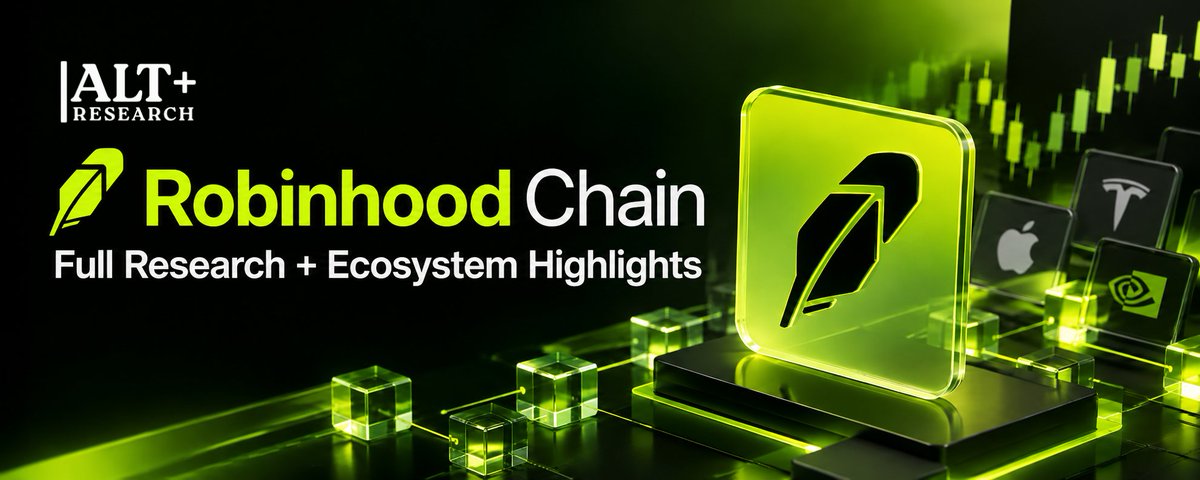
เราได้เปรียบเทียบ launchpad ตัวหลักๆ บน @RobinhoodCrypto
โดยเฉพาะรูปแบบการ launch, โครงสร้าง liquidity และ fee ของแต่ละแพลตฟอร์ม
นี่คือ breakdown ของ 5 platforms และข้อสังเกตว่าแต่ละตัวเหมาะกับเหรียญกลุ่มไหน พร้อมเหรียญที่น่าสนใจ
[1] @ponsdotfamily
$PONS ยังคงเป็นตัวเลือกหลักสำหรับการ meme ที่เราคุ้นเคยกัน ใช้ bonding curve ก่อนจะ graduate ไปยัง Uniswap v4 liquidity ที่ถูก lock ถาวร (คล้าย Pumpdotfun)
สามารถ pair กับ ETH, USDG, cbBTC หรือ tokenized stocks (พึ่งเพิ่มเข้ามา) ได้
PONS จะได้ curve fee 1% และ 0.0005 ETH ต่อการ launch หนึ่งครั้ง
เหรียญที่น่าสนใจ $PONS $ZZZ $UBIK
[2] @longdotxyz
เรามองว่าเหรียญกลุ่มนี้มีความน่าสนใจที่สุด ตัวอย่างเหรียญเช่น $AI $INU $MEME $BONER
creators สามารถ launch เหรียญที่ pair กับ tokenized stock บน RH ได้ เช่น NVDA, APPL, SPCX, TSLA
และ trading fee ที่มาจากเหรียญกลุ่มนี้จะถูกนำไปซื้อ Tokenized stocks ที่ pair กับเหรียญ ทำให้ยิ่งเหรียญมีการเทรดมาก vault ของเหรียญมีมก็จะมีการถือหุ้นมากขึ้น
ยกตัวอย่าง @ArtificiallyInu ที่ถือ supply ของหุ้น NVDA บน RH เยอะที่สุด
[3] @poolstrade
สร้างโดย @Uniswap มี Instant Launch หรือ Crowd Launch ที่ LP จะหนากว่าและเป็น twap bidding คือใครมาเร็วจะได้ราคาดีกว่า
LP fee อยู่ที่ 0.25% ต่ำกว่าคู่แข่งส่วนใหญ่
LP fees compound เข้าไปใน LP โดยอัตโนมัติ
เหรียญที่น่าสนใจ $FRONG $PROLOGUE $HOOKR
[4] @letscashfun
เป็น community launchpad ที่สร้างบน Uniswap v4 pool และ backed โดย community ของเหรียญ $CASHCAT
ส่วนของ platform fee ถูกใช้เพื่อ Buyback & burn $CASHCAT
[5] @launchonvaro
เป็น launchpad ที่พัฒนาโดย @rialto_xyz ซึ่งเน้นความ fair มากๆ
เมื่อออกเหรียญ Varo จะส่ง fixed supply 100M ไปยัง single-sided Uniswap liquidity โดยตรง
ไม่มี Dev allocation/team token
LP จะค่อยๆ เพิ่มเมื่อมีคนเข้ามาซื้อเท่านั้น


The Robin Chest is coming soon

Robin Chest is coming soon 🤯
The NFT mint will be exclusive on OpenSea
Blockchain @RobinhoodApp
First 5555 participants will receive WL👇
etherbubu.com/robinhood-ches…
The rest will participate in a raffle
Each chest contains $BUBU tokens, which can be opened at a special event before TGE
41
"The Robin Chest is coming soon"
Robin Chest is coming soon 🤯
The NFT mint will be exclusive on OpenSea
Blockchain @RobinhoodApp
First 5555 participants will receive WL👇
etherbubu.com/robinhood-ches…
The rest will participate in a raffle
Each chest contains $BUBU tokens, which can be opened at a special event before TGE
53
mrGG retweeted

🐳 Lighter × Robinhood Airdrop Guide
@Lighter_xyz has allocated 11M $LIT to the Robinhood community, currently worth around $25M.
Earn points by trading perps:
• Robinhood Wallet: 2x points
• Lighter web app: 1x points
Here’s the full step-by-step guide 👇
1/ How does it work?
Lighter is a Perp DEX integrated directly into Robinhood Wallet.
When you trade perps, you earn Lighter Points. These points will later convert into $LIT from the 11M token reward pool.
This program has been officially confirmed by Robinhood. It’s not just speculation.
2/ What do you need?
• A mobile phone
• Robinhood Wallet
• Some USDG as trading capital
• Extra funds as a safety buffer
• A desktop browser if you want to connect via QR code
Note: This involves leveraged perp trading. It is not a free task-based airdrop.
3/ Create a Robinhood Wallet
Download the official app: robinhood.com/wallet/
Create a new wallet and store your seed phrase somewhere safe.
It’s better to use a separate wallet for this campaign instead of connecting your main wallet with a large balance.
4/ Prepare USDG
USDG is used as margin on the Robinhood Chain version of Lighter.
One possible route:
• Bridge USDC to Ethereum
• Swap USDC for USDG
• Send USDG to your Robinhood Wallet
• Move USDG from Ethereum to Robinhood Chain inside the wallet
Always test with a small amount before transferring your full balance.
5/ Connect to Lighter
Use the official Robinhood Chain version: robinhoodchain.lighter.xyz/
Select Robinhood Wallet → scan the QR code with your phone → approve the connection inside the app.
6/ Deposit into Lighter
Select: Deposit from Connected Wallet → enter the amount of USDG → approve the transaction on your phone.
Once completed, your USDG should appear in your trading balance.
7/ Start trading
Choose a market such as BTC or ETH:
• Select Long or Short
• Choose your leverage
• Enter your position size
• Check the liquidation price
• Confirm the position
Start with a small position and low leverage until you understand how the platform works.
8/ How are points calculated?
Lighter has not disclosed the exact formula yet. Based on early observations, points may be earned from:
• Opening positions
• Closing positions
• Keeping positions open over time
• Referring new users
Some points update in real time, while the rest are added through weekly distributions.
The first weekly drop is expected on August 21, 2026.
9/ Don’t rush to push huge volume
Since the formula is still unknown, test the system first.
Track:
• Points earned when opening a trade
• Points earned when closing it
• How long the position was held
• Funding paid or received
• Entry and exit slippage
• Your total cost per point
Once you have real data, you can decide whether scaling your capital makes sense.
10/ Can you farm two campaigns at once?
One option is a delta-neutral strategy:
• Short an asset on Lighter
• Long the same asset on another Perp DEX
• Keep both positions equal in notional value
This reduces your directional exposure while potentially earning points on both platforms.
But delta-neutral does not mean risk-free.
You still need to consider:
• Funding on both platforms
• Spread and slippage
• Price differences between exchanges
• One position getting liquidated first
• Being unable to close both positions at the same time
The key is matching the notional value, not simply using equal margin and leverage.
11/ Avoid these activities
Lighter may remove points or disqualify accounts involved in:
• Wash trading
• Self-trading between controlled accounts
• Sybil farming with multiple wallets
• Referral abuse
• Using bots to generate fake volume
• Market manipulation
Trade normally and follow a clear strategy. There is no need to spam transactions just to chase points.
12/ Final notes
• Robinhood Wallet earns 2x points
• There is no fixed Point/$LIT conversion rate yet
• No official end date has been announced
• 11M $LIT is the total pool, not a guaranteed reward for each user
• Funding costs and trading losses may exceed the airdrop value
• Perp trading is only available in eligible regions
The most reasonable approach:
Create a separate wallet → deposit a small amount → test a few trades → track your points and costs → decide whether to scale.
No need to FOMO.
Start small, understand where your funds are, and only scale when the numbers make sense.

mrGG retweeted

A GOOGLE CLOUD ENGINEER JUST BUILT A FULL APP WITH CLAUDE IN 26 MINUTES.
What most teams spend weeks building...
He built live on stage.
No team.
No complicated setup.
Just Claude and a goal.
I've seen $500 vibe-coding courses that teach less.
The people learning what Claude can actually do are shipping what others still outsource.
Watch it, bookmark it, then read the guide below on Claude features most users never find.

