


Shaheryar Azhar retweeted

At the Astronauts Media Briefing — filled with immense pride and excitement as I witness history in the making.
Watching our astronaut, Muhammad Zeeshan Ali take center stage is a deeply moving moment. We had dared to dream big and laid the foundational blocks for Pakistan’s space and science ambitions. Today, seeing those dreams take flight and come true right before our eyes reaffirms that no frontier is beyond our reach when a nation commits to knowledge, innovation, and perseverance.
The sky is no longer our limit—it is our launching pad.
#SUPARCO #PakistanInSpace #UraanPakistan #HistoryInTheMaking #SpaceExploration #ScienceAndTechnology #ProudMoment

Shaheryar Azhar retweeted

A Pakistani Air Force Pilot will blast off on China’s Shenzhou-24 spacecraft Wednesday, becoming the first foreign astronaut in the history of China’s manned space program and the latest symbol of deepening bilateral ties. bloomberg.com/news/articles/…

Shaheryar Azhar retweeted
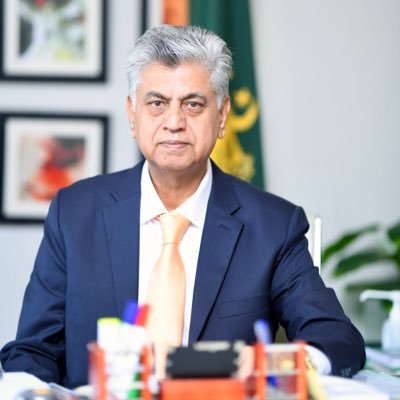
Truly a proud moment for Pakistan.
This also epitomises three quarters of a century long, all weather unbreakable friendship between Pakistan and China.

【Video】"Hello everyone, I'm astronaut Zeeshan Ali, part of the #Shenzhou-24 crew," said Ali in the video introduction. The #China Manned Space Agency on Tuesday revealed that #Pakistani astronaut Muhammad Zeeshan Ali has been selected as a payload specialist for the Shenzhou-24 mission, making him the first foreign astronaut to board China's Tiangong space station.
Shaheryar Azhar retweeted

Asked if PM Modi would attend next year’s SCO Summit in Pakistan, Pakistani Minister Musadiq Malik tells @News18India that he hopes all leaders will participate.
Shaheryar Azhar retweeted

Pakistan minister Musadik Malik in Delhi
"Yahan aa key bhut khushi mili, ap logon ney bhut Mohabbat di"
Delhi "toh Adab ki treasure chest pe hai"
Shaheryar Azhar retweeted
I couldn’t expect anything less from @DrMusadikMalik
He handled it brilliantly.
Five star performance indeed!
👏 👏 👏

Dr Musaddiq’s first interaction with Indian media was akin to Indian cricket team’s lower order of late 80s facing king of swing Wasim
Akram .
Of late, few Indian dignitaries visited Pakistan, our media did not welcome them at airport or any other venue with such hostile attitudes. Reason ; Pakistan does not claim to be a Wishwa Guru. Likewise, no Indian can claim that their county’s media during May 25 conflict could add to Indian civilisational claims. It rather earned a bad name for the country, globally.
There are many nation states that have sustained rivalry for much longer duration compared to Pakistan - India . Many have shed far more blood of each other compared to us. Even in those states with deep rooted animosity when receiving diplomats / govt representatives for multilateral events, media interacts with them carefully. They do ask tough questions but in a dignified manner with tone and framing marked by decency. They do so with an intent to show case societal values and shared norms of conduct. It is time Indian media adopts practices and attitudes which suit second largest country and acclaimed biggest democracy of the world .
Shaheryar Azhar retweeted

A commendable performance by Dr. Musadik Malik for representing Pakistan with confidence, clarity and conviction. His powerful arguments and effective presentation of Pakistan’s stance on terrorism deserve appreciation.
He eloquently highlighted the grave challenges Pakistan has faced due to terrorism and firmly defended Pakistan’s position while countering India's narrative with facts and clarity.
Pakistan needs voices that can confidently present its case on international platforms. Well done, Dr. Musadik Malik! 🇵🇰

#WATCH | Delhi: At the first SCO Civilisational Dialogue Forum, Pakistan Minister Musadik Masood Malik says, "I am speaking in the context of the entire region—after all, discussions within the SCO framework naturally pertain to the region as a whole. Currently, the region is navigating complex geopolitical nuances, and there are multiple epicentres of instability. We are very hopeful that when representatives from various nations sit down together, it will lead to an improved situation. You have witnessed that whenever instability has arisen—even in instances where Pakistan had no direct involvement—the country has consistently endeavoured to play a significant, constructive role. Our stance remains the same: wherever there is a discourse on peace, and wherever nations come together to sit down and seek a way forward, we are fully committed to participating..."

Indeed. Musadik Malik, the cool cat! Rational & thoughtful under fire. The right choice for the forum where the Indian press hounds, like a broken and boring record, attack any official visiting from Pakistan. Very proud of you, Musadik!! Be well and be safe!

Dr Musadik Malik is so eloquent, rational and on point in this discussion. A very worthy representative of Pakistan.
40
Provides political cover to parties like PPP, who may want to balance Sindhi nationalism with Pakistani nationalism.

The referendum talk is intellectually lazy and constitutionally illiterate. A referendum offers a crude yes-or-no choice. How can anyone seriously suggest that the complex question of creating new provinces, with all its political, administrative and constitutional implications, can be settled by a simple ballot?
The Brexit analogy is equally absurd. Britain has an unwritten constitution. Pakistan has a written Constitution that lays down specific procedures for creating new provinces. Those provisions cannot simply be bypassed by invoking a referendum. Unless, of course, the Constitution is treated as nothing more than a piece of paper that those who wield power can tear up whenever it suits them.
19
The time of what you wrote had long arrived. But you articulated it first. Kudos!!

Free and fair elections? Absolutely. But then what?Pakistan’s crisis runs deeper than the tired democracy-versus-dictatorship debate. None want to confront the uncomfortable questions. My fresh column
tribune.com.pk/story/2639172…

11
It is not the system of government that matters most, but whether it is appropriate for the times and circumstances of a particular country, and how well it is implemented.
A number of people are singing the praises of democracy following the results of the recent US elections. I think this is a rather shallow reading of the situation and an equally shallow conclusion to draw. We need to look beyond the labels and examine how different systems of government have actually performed in different historical and geographical contexts.
Consider the United States. It took a bloody civil war—not a democratic vote—to settle the issue of slavery. And even then, it took nearly another hundred years before Black Americans began to enjoy the fruits of emancipation through the civil rights movement.
Look at what is happening in Europe today. It is democracy itself that has brought extreme right-wing parties, some of which are described as fascist, into positions of power. In several countries, these forces are targeting immigrants and minorities.
On the other hand, it was communist revolutions in both Russia and China that brought these countries out of extreme underdevelopment and poverty and set them on the path to modernization. And it was within the framework of communist China that leaders such as Deng Xiaoping, and subsequently Xi Jinping, succeeded Mao Zedong and took the country forward in terms of economic development.
The point is not that one system is inherently superior to another. It is that the outcomes of governance depend on historical circumstances, the needs of the time, the quality of leadership, and, above all, how effectively a system is made to work.
I would therefore caution people against drawing sweeping conclusions about the virtues of democracy from the results of the recent US elections. We should wait and see what actually happens under the new democratic Congress. What will it deliver in terms of Palestinian rights and the rights of the people of Gaza? What will it do about the many other pressing challenges facing the country? And, importantly, will it make any meaningful difference to the growing problem of income inequality in the United States?
After all, it was democratic governments under Ronald Reagan and Margaret Thatcher that ushered in policies which contributed significantly to the growth of extreme economic inequality.
So let us not confuse the merits of a particular electorali outcome with the merits of an entire system of government. Democracy is not an end in itself, nor is it a guarantee of good governance. Ultimately, what matters is whether a system is suited to its time and place, whether it delivers justice and human welfare, and whether it is executed well.
Shaheryar Azhar
19
Shaheryar Azhar retweeted

An action may appear irrational, but that does not mean it has no objective. Even irrational decisions can serve clearly defined purposes.
My point is simple: I see no strategic logic, rational or irrational, for going into a second round.
I am asking people to explain what Trump would actually hope to achieve, and how.
Simply saying that Trump is irrational and therefore might do anything is not an explanation. It is a substitute for thinking.
If there is a strategic objective, spell it out. Otherwise, we are confusing unpredictability with strategy.

Thank you for your compassion and love of our motherland

برین ڈرین؟ نہیں۔ پاکستان کا سب سے بڑا اثاثہ اس کے لوگ ہیں۔
ہمارے دانشوروں کو بڑی تصویر دیکھنا کیوں سیکھنا ہوگا
اقبال لطیف
تجزیہ کار۔ مصنف۔ کائنات کا طالب علم۔
ایک شام بے نظیر بھٹو میرے گھر آئیں۔ ہم صبح چار بجے تک باتیں کرتے رہے۔
یہ ان غیر معمولی گفتگوؤں میں سے ایک تھی جو سیاست سے تاریخ تک، ذاتی یادوں سے ایک قوم کے مستقبل تک پھیل جاتی ہیں۔ انہوں نے مجھے اپنی زندگی کی کہانیاں سنائیں، جن میں ایک طوطے کا یادگار قصہ بھی تھا۔
مجھے یاد ہے میں نے ان سے ایک بات کہی تھی جس پر میں آج بھی یقین رکھتا ہوں۔
"بی بی، آپ نے اپنے والد کے پاکستان کے لیے کیے گئے تین سب سے دور رس کاموں سے کبھی پورا فائدہ نہیں اٹھایا۔"
پہلا کام تھا عام پاکستانیوں کے لیے پاسپورٹ کا دروازہ کھولنا۔
ایک وقت تھا جب پاسپورٹ حاصل کرنا ایک عام انتظامی حق نہیں بلکہ ایک مراعت تھی۔ سفر کی آزادی نے وہ دروازے کھول دیے جو اس سے پہلے لاکھوں لوگوں پر بند تھے۔
دوسرا کام تھا طبی تعلیم کی توسیع۔
پاکستان کو ڈاکٹروں، انجینئروں، ٹیکنیشنز اور پیشہ ور افراد کی ضرورت تھی۔ میڈیکل کالج محدود تھے۔ پیشہ ورانہ تعلیم کی توسیع نے ان نسلوں کے لیے مواقع پیدا کیے جو شاید کبھی ان پیشوں میں داخل نہ ہو پاتیں۔
اور تیسرا کام تھا پاکستانیوں کو بیرونِ ملک جانے، کام کرنے، سیکھنے، کمانے اور دنیا بھر میں اپنا مقام بنانے کے قابل بنانا۔
پہلے میڈیکل کالج، پھر پاسپورٹ
ایک سادہ سی بات سمجھنے کی کوشش کیجیے۔ اگر آپ پہلے ڈاکٹر نہیں بنتے، تو آپ دنیا میں کہیں بھی سرجن نہیں بن سکتے۔
آصف حسن نے کراچی کے ڈاؤ میڈیکل کالج سے گریجویشن کی۔ ڈاکٹر حسنات خان نے لاہور کے کنگ ایڈورڈ میڈیکل کالج سے گریجویشن کی۔ پاکستان کے میڈیکل کالج کھلے تھے، اور انہوں نے ایسے ڈاکٹر پیدا کیے جو دنیا کے بہترین ڈاکٹروں کا مقابلہ کر سکتے تھے۔
پھر دوسرا دروازہ کھلا۔ 1970 کی دہائی سے پہلے پاکستانی پاسپورٹ عملاً اشرافیہ کی مراعت تھا، اور بہت کم عام لوگ اسے حاصل کر پاتے تھے۔ جب پاسپورٹ ایک عام شہری کا حق بن گیا، تو ایک متوسط گھرانے کا نوجوان ڈاکٹر بیرونِ ملک جا سکتا تھا، دنیا کے بہترین ہسپتالوں میں تربیت پا سکتا تھا، اور جہاں تک اس کی صلاحیت اسے لے جائے وہاں تک پہنچ سکتا تھا۔
آصف نیوکاسل کے فری مین ہسپتال میں بچوں کی دل کی سرجری کے سربراہ بنے، چار ہزار سے زیادہ اوپن ہارٹ آپریشن کیے، اور 2026 کا پرائیڈ آف برٹن لائف ٹائم اچیومنٹ ایوارڈ حاصل کیا۔ ڈاکٹر حسنات خان نے سڈنی اور لندن میں تربیت پائی، امپیریل کالج سے پی ایچ ڈی کی، اور برطانیہ میں کنسلٹنٹ کارڈیوتھوراسک سرجن بنے۔
یہ لوگ خلا سے نہیں آئے۔ برطانیہ کی این ایچ ایس کو دیکھیے۔ برطانیہ سے باہر تربیت پانے والے ڈاکٹروں میں سب سے بڑی تعداد بھارت اور پاکستان سے آتی ہے، اور اس کے بعد نائیجیریا، مصر اور سوڈان جیسے ممالک کا نمبر آتا ہے۔ امریکہ کو دیکھیے، جہاں اپنا (APPNA)، یعنی ایسوسی ایشن آف فزیشنز آف پاکستانی ڈیسنٹ آف نارتھ امریکہ، ہزاروں پاکستانی نژاد ڈاکٹروں کی نمائندگی کرتی ہے۔ تقریباً دو سو ممالک میں سے پاکستان ان چند ملکوں میں شامل ہے جن کے میڈیکل کالج دنیا کے امیر ترین ملکوں کے نظامِ صحت کو افرادی قوت فراہم کرتے ہیں۔
یہ اخراج نہیں۔ یہ اس بات کا ثبوت ہے کہ پاکستان کیا پیدا کرتا ہے۔
ان کے بغیر پاکستان کیسا ہوتا؟
آج لوگ ٹی وی اسٹوڈیوز میں بیٹھ کر اس چیز کا ماتم کرتے ہیں جسے وہ برین ڈرین کہتے ہیں۔
میں ان سے ایک سادہ سا سوال پوچھتا ہوں۔
کیا آپ نے کبھی حساب لگایا ہے کہ بیرونِ ملک مقیم پاکستانیوں کے بغیر پاکستان کیسا ہوتا؟
ترسیلاتِ زر اب سالانہ تقریباً چالیس ارب ڈالر ہیں۔ اس عدد پر غور کیجیے۔
یہ قرض نہیں ہیں۔ یہ آئی ایم ایف کی قسطیں نہیں ہیں۔ یہ بیرونِ ملک کام کرنے والے پاکستانیوں کی وہ کمائی ہے جو وہ وطن بھیجتے ہیں۔
یہ بہاؤ پاکستان کے بیرونی کھاتوں سے نکال دیجیے، اور پھر زرِمبادلہ، گھریلو اخراجات، درآمدات اور مالیاتی استحکام پر اس کے نتائج کا تصور کیجیے۔
اگر میڈیکل کالج کھلے نہ ہوتے، اگر پاسپورٹ عام نہ ہوتا، اور اگر یہ چالیس ارب ڈالر نہ ہوتے، تو آج پاکستان کہاں کھڑا ہوتا؟ "برین ڈرین" کہنا بہت آسان ہے۔ حساب لگانا کہیں زیادہ مشکل ہے۔
یقیناً ترسیلاتِ زر ہنرمند پیشہ ور افراد کے چلے جانے کی معاشی قیمت کو ختم نہیں کرتیں۔ لیکن اس پورے عمل کو اس کے فوائد کا جائزہ لیے بغیر برین ڈرین کہہ دینا فکری طور پر ادھورا ہے۔
میں اسے کچھ اور کہتا ہوں۔
ذہانت کی گردش۔ ذہانت میں سرمایہ کاری۔ اور جب ہم اسے دانشمندی سے استعمال کریں، تو برین گین۔
وہ واپس آئے، اور انہوں نے تعمیر کیا
برین گین کوئی نظریہ نہیں۔ اس کا نام بھی ہے اور پتا بھی۔
1/2

11
Thank you for your compassion and love of our motherland.
برین ڈرین؟ نہیں۔ پاکستان کا سب سے بڑا اثاثہ اس کے لوگ ہیں۔
ہمارے دانشوروں کو بڑی تصویر دیکھنا کیوں سیکھنا ہوگا
اقبال لطیف
تجزیہ کار۔ مصنف۔ کائنات کا طالب علم۔
ایک شام بے نظیر بھٹو میرے گھر آئیں۔ ہم صبح چار بجے تک باتیں کرتے رہے۔
یہ ان غیر معمولی گفتگوؤں میں سے ایک تھی جو سیاست سے تاریخ تک، ذاتی یادوں سے ایک قوم کے مستقبل تک پھیل جاتی ہیں۔ انہوں نے مجھے اپنی زندگی کی کہانیاں سنائیں، جن میں ایک طوطے کا یادگار قصہ بھی تھا۔
مجھے یاد ہے میں نے ان سے ایک بات کہی تھی جس پر میں آج بھی یقین رکھتا ہوں۔
"بی بی، آپ نے اپنے والد کے پاکستان کے لیے کیے گئے تین سب سے دور رس کاموں سے کبھی پورا فائدہ نہیں اٹھایا۔"
پہلا کام تھا عام پاکستانیوں کے لیے پاسپورٹ کا دروازہ کھولنا۔
ایک وقت تھا جب پاسپورٹ حاصل کرنا ایک عام انتظامی حق نہیں بلکہ ایک مراعت تھی۔ سفر کی آزادی نے وہ دروازے کھول دیے جو اس سے پہلے لاکھوں لوگوں پر بند تھے۔
دوسرا کام تھا طبی تعلیم کی توسیع۔
پاکستان کو ڈاکٹروں، انجینئروں، ٹیکنیشنز اور پیشہ ور افراد کی ضرورت تھی۔ میڈیکل کالج محدود تھے۔ پیشہ ورانہ تعلیم کی توسیع نے ان نسلوں کے لیے مواقع پیدا کیے جو شاید کبھی ان پیشوں میں داخل نہ ہو پاتیں۔
اور تیسرا کام تھا پاکستانیوں کو بیرونِ ملک جانے، کام کرنے، سیکھنے، کمانے اور دنیا بھر میں اپنا مقام بنانے کے قابل بنانا۔
پہلے میڈیکل کالج، پھر پاسپورٹ
ایک سادہ سی بات سمجھنے کی کوشش کیجیے۔ اگر آپ پہلے ڈاکٹر نہیں بنتے، تو آپ دنیا میں کہیں بھی سرجن نہیں بن سکتے۔
آصف حسن نے کراچی کے ڈاؤ میڈیکل کالج سے گریجویشن کی۔ ڈاکٹر حسنات خان نے لاہور کے کنگ ایڈورڈ میڈیکل کالج سے گریجویشن کی۔ پاکستان کے میڈیکل کالج کھلے تھے، اور انہوں نے ایسے ڈاکٹر پیدا کیے جو دنیا کے بہترین ڈاکٹروں کا مقابلہ کر سکتے تھے۔
پھر دوسرا دروازہ کھلا۔ 1970 کی دہائی سے پہلے پاکستانی پاسپورٹ عملاً اشرافیہ کی مراعت تھا، اور بہت کم عام لوگ اسے حاصل کر پاتے تھے۔ جب پاسپورٹ ایک عام شہری کا حق بن گیا، تو ایک متوسط گھرانے کا نوجوان ڈاکٹر بیرونِ ملک جا سکتا تھا، دنیا کے بہترین ہسپتالوں میں تربیت پا سکتا تھا، اور جہاں تک اس کی صلاحیت اسے لے جائے وہاں تک پہنچ سکتا تھا۔
آصف نیوکاسل کے فری مین ہسپتال میں بچوں کی دل کی سرجری کے سربراہ بنے، چار ہزار سے زیادہ اوپن ہارٹ آپریشن کیے، اور 2026 کا پرائیڈ آف برٹن لائف ٹائم اچیومنٹ ایوارڈ حاصل کیا۔ ڈاکٹر حسنات خان نے سڈنی اور لندن میں تربیت پائی، امپیریل کالج سے پی ایچ ڈی کی، اور برطانیہ میں کنسلٹنٹ کارڈیوتھوراسک سرجن بنے۔
یہ لوگ خلا سے نہیں آئے۔ برطانیہ کی این ایچ ایس کو دیکھیے۔ برطانیہ سے باہر تربیت پانے والے ڈاکٹروں میں سب سے بڑی تعداد بھارت اور پاکستان سے آتی ہے، اور اس کے بعد نائیجیریا، مصر اور سوڈان جیسے ممالک کا نمبر آتا ہے۔ امریکہ کو دیکھیے، جہاں اپنا (APPNA)، یعنی ایسوسی ایشن آف فزیشنز آف پاکستانی ڈیسنٹ آف نارتھ امریکہ، ہزاروں پاکستانی نژاد ڈاکٹروں کی نمائندگی کرتی ہے۔ تقریباً دو سو ممالک میں سے پاکستان ان چند ملکوں میں شامل ہے جن کے میڈیکل کالج دنیا کے امیر ترین ملکوں کے نظامِ صحت کو افرادی قوت فراہم کرتے ہیں۔
یہ اخراج نہیں۔ یہ اس بات کا ثبوت ہے کہ پاکستان کیا پیدا کرتا ہے۔
ان کے بغیر پاکستان کیسا ہوتا؟
آج لوگ ٹی وی اسٹوڈیوز میں بیٹھ کر اس چیز کا ماتم کرتے ہیں جسے وہ برین ڈرین کہتے ہیں۔
میں ان سے ایک سادہ سا سوال پوچھتا ہوں۔
کیا آپ نے کبھی حساب لگایا ہے کہ بیرونِ ملک مقیم پاکستانیوں کے بغیر پاکستان کیسا ہوتا؟
ترسیلاتِ زر اب سالانہ تقریباً چالیس ارب ڈالر ہیں۔ اس عدد پر غور کیجیے۔
یہ قرض نہیں ہیں۔ یہ آئی ایم ایف کی قسطیں نہیں ہیں۔ یہ بیرونِ ملک کام کرنے والے پاکستانیوں کی وہ کمائی ہے جو وہ وطن بھیجتے ہیں۔
یہ بہاؤ پاکستان کے بیرونی کھاتوں سے نکال دیجیے، اور پھر زرِمبادلہ، گھریلو اخراجات، درآمدات اور مالیاتی استحکام پر اس کے نتائج کا تصور کیجیے۔
اگر میڈیکل کالج کھلے نہ ہوتے، اگر پاسپورٹ عام نہ ہوتا، اور اگر یہ چالیس ارب ڈالر نہ ہوتے، تو آج پاکستان کہاں کھڑا ہوتا؟ "برین ڈرین" کہنا بہت آسان ہے۔ حساب لگانا کہیں زیادہ مشکل ہے۔
یقیناً ترسیلاتِ زر ہنرمند پیشہ ور افراد کے چلے جانے کی معاشی قیمت کو ختم نہیں کرتیں۔ لیکن اس پورے عمل کو اس کے فوائد کا جائزہ لیے بغیر برین ڈرین کہہ دینا فکری طور پر ادھورا ہے۔
میں اسے کچھ اور کہتا ہوں۔
ذہانت کی گردش۔ ذہانت میں سرمایہ کاری۔ اور جب ہم اسے دانشمندی سے استعمال کریں، تو برین گین۔
وہ واپس آئے، اور انہوں نے تعمیر کیا
برین گین کوئی نظریہ نہیں۔ اس کا نام بھی ہے اور پتا بھی۔
1/2
5
Finally, I have a fellow being whose opinion, so succinctly expressed, is exactly that of mine. I have characterized Hasan Nisar's opinions for the last 30-years as extreme narcissim and self-hate turned to a money-making venture.
1
1
75
Shaheryar Azhar retweeted

War Is a Moral Argument
I often note that, beyond a contest of arms, war is a moral argument.
I also firmly believe that those whom we are told to regard as our enemies ought to be afforded the privilege of speaking for themselves.
I give this speech my highest recommendation.
This is an important national issue so let the debate rage on.
Interior Minister @MohsinnaqviC42 spoke in detail after my session at @UMTOfficial conference. Here’s my assessment of his very important speech which I listened to very carefully in the audience:
1. It is absolutely clear that the intent for smaller administrative units is firm. But beyond that, the path can take various routes
2. There is no rush. No huge decision is coming imminently. The debate will rage on. Parties may be convinced to start taking positions. Time for sitting on the fence will be over soon.
3. There is no final decision on the shape or scale or number of administrative units. Much remains to be finalised through a political process.
4. The “referendum” route is very much a constitutional option
5. The PPP hard line is not seen as an effective deterrent. It’s not a game-changer but a challenge to be tackled with a combination of engagement & firmness.
6. Mohsin Naqvi’s first speech launched this debate. This second speech is the beginning of the next stage where more clearly articulated positions will be visible.
7. Today’s speech by Mr Naqvi was well prepared and tightly formulated on key points. This was choreographed calibration. He stayed on the message and did not veer off at any point. Too much is riding on his words
8. Smaller administrative units appear on a higher priority list than empowered local bodies. They may follow later.
9. There seems clear realisation that this is a politically sensitive issue and will need to be dealt very carefully & through greater engagement
10. After today’s speech by Interior Minister, expect this issue to dominate the news cycle in both intensity and expanding debate parameters
13
44
STOP ELEVATED HIGHWAY OVER SUNSET BLVD, KORANGI ROAD & KHAYABAN-E-JAMI - Sign the Petition! c.org/T8gncLRYYb via @Change
13
That is the way to go. Let 28th Amendment be about this.
