

Author // Columnist // frmr Chief Editor of Žurnal // frmr Chief Editor @plusportal // frmr @SIAG Adviser // frmr Adriatic Council VP // RT is not endorsement
European Union
Joined September 2008
- Tweets29.4K
- Following632
- Followers10.2K
- Likes19.1K
Keeping the bill clear in Germany is not necessarily seen as ungenerous – it can be a way of protecting the friendship
bbc.com/travel/article/20261…

Dejan Steinbuch retweeted

Alarm about declining interest in books is perpetual, but to some, it seems recently to have reached new heights. It has been less than a year since the Reader’s Digest declared a “reading slump.” A summer Atlantic cover pronounced: “The Age of Reading Is Over.” In America, though, reading is up. Book sales have increased significantly over the past decade, and the number of new independent bookstores has skyrocketed. The global book market is expected to grow five per cent annually for the next several years. For the generation now entering college, book sales are at a lifetime high.
James Daunt believes in the future of reading. He likes to think of his work—founding the independent U.K. Daunt Books chain, leading the behemoth Waterstones, and, in 2019, becoming the C.E.O. of Barnes & Noble—as the preservation of a kind of literary and civil space. “The more bookshops there are, the more people will read. The better bookshops are, the more people discover things,” he tells Nathan Heller. Read more about why Daunt remains optimistic: newyorker.com/magazine/2026/…

Dejan Steinbuch retweeted

An ice cream company president in Japan stood in a dark suit in front of a hundred factory workers and bowed on national television over nine cents.
His company makes the blue soda popsicle that every kid in Japan buys with pocket change after baseball practice on a hot summer afternoon.
For a quarter of a century, the company fought inflation to keep the price at roughly forty cents—because everyone in the factory knew little kids were counting coins in front of the freezer case.
When soaring ingredient costs finally forced them to raise the price by nine cents, the executives refused to shrink the popsicle behind the scenes or hide the increase in fine print.
Instead, the president and a hundred employees lined up outside company headquarters, stood still for sixty seconds on prime-time television, and bowed in silent apology to the children of Japan.
Nobody was angry. Sales jumped ten percent the very next month because parents wanted to support a company that treated a child's allowance like a sacred contract.
A nation's integrity is not measured by the size of its corporations, but by how honestly they treat a child holding a handful of coins.

Dejan Steinbuch retweeted

Generacija Z u Južnoj Koreji ima novu opsesiju: čitanje knjiga. Generacija koja je odrasla onlajn prihvata ovu zabavu kao protivotrov za skrolovanje i pretvara ga u nešto društveno, estetsko i povezano sa identitetom. Mladi se masovno učlanjuju u književne klubove (poput popularnih platformi i klubova kao što je Trevor), gde uz čitanje piju vino, diskutuju o idejama i sklapaju nova poznanstva. Popularni korejski autori (poput Han Kang, dobitnice Nobelove nagrade za književnost, ili pisaca poput Hwang Bo-reuma sa romanom Dobrodošli u knjižaru Hyunam-dong) pišu pristupačna, topla dela koja se bave mentalnim zdravljem, pronalaženjem sebe i svakodnevnim borbama mladih, što dodatno podstiče interesovanje.📚
(📷️: Thu-Huong Ha)

Dejan Steinbuch retweeted

One of the biggest problems with some Western leaders is that they still haven't understood the true nature of Vladimir Putin. This man, consumed by countless personal insecurities and complexes, is, first and foremost, a coward. And second, he understands only brute force.
I became convinced of this on two occasions.
The first was in 2015, when Turkey shot down a Russian military aircraft that had violated its airspace. Putin initially threw a tantrum, accusing Ankara of provocation and declaring that the Turks wouldn't get away with it by simply losing their tomato exports. Erdoğan, however, invited Putin to come to Istanbul for talks if he had any complaints. Putin never went. Eventually, the conflict faded away, and relations between the two countries were gradually restored.
The second occasion came in Syria, when American forces annihilated a group of Russian mercenaries attempting to seize an oil facility near Khasham in Deir ez-Zor province. Once again, Putin backed down, swallowed the humiliation, and quietly buried the incident.
After these two textbook examples, Putin became considerably more cautious about confronting either Turkey or the United States directly.
And this is precisely why I believe Putin will never face Volodymyr Zelenskyy in a genuine confrontation. First, because he is a coward. Second, because he would have no answers to Zelenskyy's questions. And third, because he might even be terrified that Zelenskyy would kill him right there, in front of the cameras, on live television. 😂
For the same reason, Putin has never participated in genuine presidential debates against real political opponents such as Alexei Navalny or Boris Nemtsov, both of whom were killed. Nor has he ever faced a truly independent press conference where, instead of obedient Kremlin propagandists, he would have to answer uncomfortable questions from journalists like Michael Naki or Yevgeny Kiselyov.
If I were an adviser to Alexander Stubb, who until today seemed to me one of Europe's most sensible leaders, I would remind him of one simple thing: there should be no conversations with Putin. This former bullied little nobody from the backstreets of St. Petersburg interprets every attempt at dialogue as weakness.
That is why today's talks involving Stubb, Jonas Gahr Støre, and the coward in the Kremlin are, in my opinion, a serious mistake. They merely hand Putin another propaganda victory before a Russian population that seems to have largely surrendered to collective madness.
No negotiations. No heartfelt conversations. Only devastating sanctions, relentless pressure, and concrete actions against Russia.
As for nuclear weapons, I believe those threats will remain the empty rhetoric of Kremlin propagandists. Putin loves himself far too much to risk his own survival. Just look at the additional air defenses surrounding his residences.
Even strikes against Moscow might leave him indifferent. There is only one thing he truly cares about: his own life. And to preserve it, he has already dragged his entire country into the gutter.
Meanwhile, much of Russian society seems willing to endure almost anything, provided the bloodshed continues and the familiar refrain survives: "We've been through worse! We'll survive this too! At least it's not the 1990s!"
This, unfortunately, reflects a particular feature of Russia's political and social mentality — Russian in the sense of the state and its historical culture, not ethnicity.
That is why I insist: no more conversations. Only actions. Preferably asymmetric ones.
Yet many European politicians still fail to understand the extraordinary moral monster they are dealing with, or how perfectly Putin embodies the darkest instincts and historical ambitions of Russian imperial society.
God willing, one day they will understand.
And to paraphrase Pyotr Chaadayev:
"Perhaps God invented Russia to show humanity how not to live."


Dejan Steinbuch retweeted

We mourn the passing of Patrick Stewart, who inspired countless individuals at NASA (and beyond) to boldly go where no one has gone before.

ALT Image description: A packed, sparkling starfield captured by our Hubble telescope — with strange new worlds potentially awaiting. Credit: ESA/Hubble and NASA, R. Cohen
The Ayatollah don’t want regime change in Israel.

جمهوری اسلامی پس از دههها دشمنی ایدئولوژیک با #اسرائیل با یک فرض غلط، چشم به انتخاباتشان دوخته تا شاید نتیجه، #ایران را از بحرانی نجات دهد که خود در شکلگیریاش نقش اصلی را داشته. حامیانش از پیش از آغاز انتخابات نتانیاهو را بازنده فرض کردهاند و به حزب رقیب او دل بستهاند! گویی مخالف نتانیاهو بودن، الزاماً به معنای مخالفت با #جنگ با ایران و سیاستهای کلی اسراییل است.
برای نخستین بار در تاریخ معاصر ایران، مردم یک کشور تا این اندازه مستأصل، ساعتبهساعت و با اضطراب، نتیجهی انتخاباتی در کشوری دیگر را دنبال میکنند… انتخاباتی که نه در آن حق رأی دارند و نه در تعیین نتیجهاش نقشی، نه مرز مشترکی دارند و نه منافعی. کافی است همین توییتر را مرور کنید تا ببینید شمار زیادی از ایرانیان چگونه تحولات انتخاباتی اسرائیل را لحظهبهلحظه پیگیری میکنند… با این امید که نتیجهی آن شاید بر سرنوشت جنگ و زندگیشان تأثیر بگذارد. وضعیتی که حتی نمیتوان بهسادگی گفت شهروندان بسیاری از کشورهای دیگر، یا حتی خود اسرائیلیها، با چنین اضطرابی تجربهاش میکنند.
این تصویری عریان از هزینهی سیاست خارجی جمهوری اسلامی است… حکومتی که دههها با شعار نابودی اسرائیل و دشمنی ایدئولوژیک، امنیت و آیندهی ایران را به تقابل با کشوری گره زد که حتی یک سانتیمتر مرز مشترک با آن نداریم! و حالا مردم ایران باید برای فهمیدن اینکه فردا چه بر سر زندگیشان میآید، چشم به صندوقهای رأی کشوری دیگر بدوزند.
گروگان گرفته شدن سرنوشت یک ملت به دست ایدئولوژی حاکم و حاکم بی منطق، یعنی مردم یک کشور برای نجات زندگیشان ناچارند نتیجهی انتخابات کشوری دیگر را ساعتبهساعت دنبال کنند… همانگونه که در انتخابات امریکا، کشور ایران ۲۴ ساعت بیدار بود…
بیچاره مردم عادی که علاوه بر استرس جنگ و بازداشت و گرانی و دلار و تورم و آلودگی هوا و ده ها تروما، سالهاست آینده خود را بر اساس نظر مردم کشورهای دیگر برای آینده کشور خودشان برنامه ریزی میکنند…
ما آیندهمان را بر اساس انتخاب آنها برای آینده شان برنامه ریزی میکنیم!!!!!!
Why I am not surprised?

Breaking News: Benjamin Netanyahu pushed for an attack on Iran ahead of Israel’s election, according to officials. nyti.ms/4kfHDqv

Dejan Steinbuch retweeted

אבא שלי נולד בנובי-סאד, העיר השנייה בגודלה בסרביה, על גדת נהר הדנובה. הוא היה אוהד של קבוצת וויבודינה.
גר ברחוב הרכבת, לא רחוק מהתחנה (תיכף נחזור לתחנה הזו). במרכז העיר יש עד היום בניין קהילה ובית כנסת גדול, יפהפה.
אני יודע שחשבתם עד לרגע זה שאבא שלי היה הונגרי, וגם זה נכון. הוא נולד בסרביה למשפחה של דוברי הונגרית, וכל חייו החזיק את שתי הזהויות.
כשהייתי ילד היינו נוסעים ליער בן-שמן פעם בשנה, למפגש של הקהילה הסרבית. הם היו מנגנים באקורדיון, אוכלים נקניקיות ורוקדים. זה היה מצחיק לראות את אבא ככה - איש שמן רוקד.
צוחק ורוקד ואוכל עוד נקניקיה.
״הסרבים,״ אבא היה אומר, ״היו היחידים שמעולם לא ויתרו לנאצים. הם לקחו רובים ועלו להרים, להלחם משם. סרבים לא נכנעים לעולם.״
בנובמבר 2024 קרס הגג של התחנה בנובי-סאד. 16 איש נהרגו. התברר שהתחנה שופצה פעמיים תוך כמה שנים, מקורבים של השלטון נחקרו, שנתיים אחרי אף אחד לא נענש.
ברחובות נולדה סיסמא: ״השחיתות הורגת״.
הצעירים התחילו לצאת להפגין. כל בוקר ב- 11:52, השעה שבה קרס הגג, הם עצרו את המדינה ל-16 דקות דומיה. דקה לזכר כל הרוג. על הגשרים ניתלו שלטים שתבעו ועדת חקירה ממלכתית. במרץ 2025 מאות אלפים יצאו לרחובות.
ווצ'יץ', הנשיא, הפעיל עליהם את כל המכונה.
אמר שהם ״סוכנים זרים״, פעילי המפלגה שלו הפעילו אלימות, ערוצי התקשורת שלו הפיצו עליהם שקרים. ישראל איינהורן, היועץ של נתניהו שברח מישראל בגלל קטאר-גייט, היה אחד מיועצי הקמפיין.
חלק גדול מהקמפיין היה על הקשרים הקרובים של ווצ'יץ' עם טראמפ.
רוב הסקרים אמרו שווצ'יץ' הולך לנצח.
״סקר הסקרים״, יומיים לפני הבחירות, נתן לו יתרון של 3%. הרבה מאוד סרבים שקעו בדכדוך, אמרו, ״הוא לא יילך לעולם, הוא ימציא משהו ברגע האחרון.״
אבל הרבה יותר סרבים אמרו, ״אל תבלבלו את המוח. אנחנו פשוט נלחם על המדינה האהובה שלנו ולא נוותר.״
הבחירות היו אתמול. ווצ'יץ' הפסיד. בגדול.
אחוזי ההצבעה היו הגבוהים ביותר מאז התפרקה יוגוסלביה וסרביה זכתה בעצמאות. ווצ'יץ' הפסיד בפער של 13%. הודה בתבוסה.
הסרבים אמרו, אנחנו לא מוכנים שירמו אותנו, אנחנו לא קונים תעמולת הפחדה, השחיתות והשקרים לא ינצחו אותנו. הם אמרו: אנחנו סרבים, ואנחנו נחליט על העתיד שלנו. אבא צדק, הם לא נכנעו.
ואנחנו ישראלים, ואנחנו לא נכנעים, ואנחנו נחליט על העתיד שלנו.
מחר נוכיח את זה.
Dejan Steinbuch retweeted

Great interview about Russia with Czech @prezidentpavel. Highlights:
*Current escalation cld end in conflict with NATO
*Europe should lead own negotiations (not rely on sons-in-law)
*Ceasefire must be established before any concessions
*Concessions needed from both EU and RU
*Talks must be much broader than Ukraine
*EU must select leaders like @alexstubb to negotiate instead of EU & NATO officials
*European security must be redefined; Russia is not going to disappear
*US + EU pressure on oil trade worked but Trump gave up (Iran) and is now not working in Europe’s interest so stop relying on him
*As @NATO’s No3 General he had top security clearance: no plans for attack on Russia ever existed - only defence
Full interview in English here: youtu.be/Mcln_IQl3RU?si=bC53…


„Putin vertraut nicht vielen Menschen. Außerdem hat er geradezu obsessive Angst davor, getötet zu werden. Und wenn er nur von einer begrenzten Zahl von Menschen umgeben ist, können diese ziemlich erfolgreich die Informationen filtern, die sie ihn hören lassen wollen.“ Die Folge: „Ich glaube, er ist nach wie vor davon überzeugt, wahrscheinlich sogar aufgrund der Berichte seiner Militärführung, dass die Operation erfolgreich verläuft. (…) Ich glaube, dass er in mehrfacher Hinsicht falsch informiert wird.“ @prezidentpavel im Interview. Das ganze Gespräch überall, wo es Podcasts gibt.
Dejan Steinbuch retweeted

In 1941, a Spaniard walked into the British embassy in Madrid and offered to spy on the Nazis.
The British turned him down.
So he went to the Germans instead, pretended to be a loyal fascist, and got hired as a German spy. His plan was to lie to them for the rest of the war.
It worked better than anyone could have imagined.
His name was Juan Pujol García. Before the war he had tried his hand at running a chicken farm and a movie theater. He had no spy training. What he had was a deep hatred of both fascism and communism after the Spanish Civil War, and an incredible imagination.
The Germans gave him a codename, invisible ink, money, and orders to go to Britain and recruit spies.
He didn't go to Britain.
He went to Lisbon, Portugal, and made everything up.
Using a tourist guidebook, maps, magazines, newsreels, and a British railway timetable from the library, he wrote long, detailed reports about life in England. Military movements. Morale. Ports.
He'd never been there. He made mistakes. He didn't understand British money. He once reported that dockworkers in Glasgow would do anything for a liter of wine.
The Germans loved him anyway.
Then British codebreakers reading German messages noticed something strange. The Germans were hunting for a convoy that didn't exist, based on a report from some agent in Britain they'd never heard of.
The British went looking for this mystery spy. They found Pujol. In 1942 they finally took him on and brought him to London.
Now he had real help. MI5 gave him the codename Garbo, after the actress, because they thought he was the greatest actor in the world.
Together with his British handler, Pujol built a fake spy network for the Germans. It eventually had 27 imaginary agents. Each had a name, a personality, a job, and a backstory. A Welsh nationalist. A Venezuelan student. A Greek sailor. Some of them recruited their own imaginary sub-agents.
When they needed to explain why one agent had gone quiet, they killed him off. They even put a fake obituary in a Liverpool newspaper. The Germans reportedly paid a pension to his widow.
Who also didn't exist.
Then came D-Day.
Hours before the landings, the British let Pujol send a message warning the Germans that the invasion was coming in Normandy. It was timed so it would arrive too late to matter, but it made him look brilliant.
Three days later he sent the most important message of his career. Normandy was a trick, he said. The real invasion was still coming, at Calais, led by a huge army under General Patton.
That army was fake too. But the Germans believed him.
German forces that could have been rushed to Normandy were held back near Calais for weeks, waiting for an attack that never came.
The Germans were so grateful they awarded him the Iron Cross.
A few months later, King George VI made him a Member of the Order of the British Empire.
He's one of the only people known to have been decorated by both sides of the war.
After the war, afraid of revenge from surviving Nazis, he faked his own death from malaria in Africa and disappeared to Venezuela, where he lived quietly running a shop.
For decades the world thought he was dead.
In 1984, a British writer tracked him down. Pujol came back to Normandy for the 40th anniversary of D-Day and met veterans who had landed on the beaches.
Some of them thanked him.

Dejan Steinbuch retweeted

Why is Trump making so many concessions to Russia now?
I think it's three things.
#HighStakes
I’m a Child Psychiatrist. Screens Are Not the Problem. nytimes.com/2026/10/09/opini… via @NYTOpinion

Could not agree more! Zohran Mamdani’s Moral Obscenity nytimes.com/2026/10/09/opini… via @NYTOpinion

Dejan Steinbuch retweeted
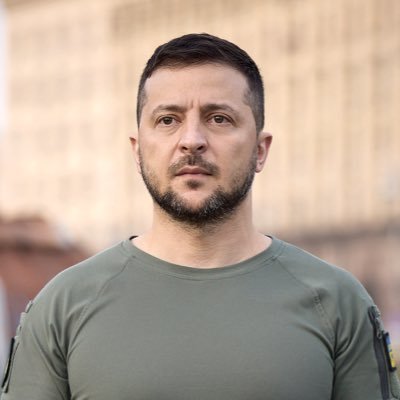
This year, we have two and a half times fewer interceptors than we had in 2025. Russia has two times more ballistic missiles per month than they had before. We pay 100% to the Americans for ballistic missiles. We get the package from the U.S. and then comes my personal involvement. It doesn't work the other way. It's my personal talks, meetings and phone calls each day. I try to exchange something for missiles.
I'm asking American partners to sell 5% of the missiles they have in stock. If the Americans sell us 5% – PAC-3 interceptors, nothing else – we will go through the winter and save people's lives. If they can sell us 10%, we will destroy all the Russians' ballistic missiles. As of today, I have 1%.
From an interview with CNN.

Dejan Steinbuch retweeted

In 2008 Russia attacked #Georgia. 18 years on, the occupation of Abhazia and South Ossetia still persists.
#Slovenia 🇸🇮 reaffirms its support for Georgia's 🇬🇪 sovereignty and territorial integrity. Lasting peace and security can only be built on full respect for international law and the #UN Charter.

Dejan Steinbuch retweeted
81 years ago today, the U.S. B-29 bomber Enola Gay dropped the world's first deployed atomic bomb. A hundred thousand people were killed. John Hersey's pioneering piece, "Hiroshima," tells the stories of six who lived. A young woman working in a tin plant, a doctor at a private hospital, a widow, a German missionary, a young surgeon, and a local reverend—all wondered why they had survived the blast, which arrived as a soundless flash. "It seemed a sheet of sun," one recalled. Revisit Hersey's intimate, deeply reported piece following those survivors through the deadly day, and the ruin and recovery that followed: newyorker.com/magazine/1946/…

Dejan Steinbuch retweeted

“Lahko se ne strinjate z mano, a žvižgi ne bodo pomagali. Skupaj moramo iskati rešitve. “ je rekla govornica na Trgu republike po tem, ko jo je del udeležencev prireditve izžvižgal.
Ljudmila Novak, april 2016
Desetletje je mimo, primitivi ostajajo isti.
slovenskenovice.delo.si/novi…
