

Navy Chief. I write the patterns behind preventable failures. Complacency, fatigue, ignored warnings, and the small exception that becomes the standard.
United States
Joined October 2017
- Tweets15.5K
- Following2.3K
- Followers2.6K
- Likes51.5K





Pinned Tweet
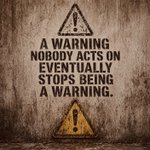
Safety is easy to prioritize until it interferes with the job. That’s when you find out whether it’s the standard or just the slogan.
The near miss was written up. Nothing else changed.
The same condition remained. People kept working around it. What once would have stopped the job became part of the routine.
The next incident wasn’t a near miss. Someone paid the price for a condition everyone had already learned to accept.
The scaffold board was missing. Workers stepped over the gap every morning, but nobody stopped to replace it.
By Friday, everyone was used to stepping over it. New workers followed the same path without realizing a board was missing.
The hazard never changed. People just got used to working around it.
The decision gets blamed. The conditions that shaped it stay untouched.
The same mistake remains built into the work.
The glance itself isn’t what changes the standard. It’s how often people get away with it.
At first, it’s a quick look. Then it happens again and again until nobody questions it.
Repeat a shortcut long enough, and people stop treating it like a shortcut.
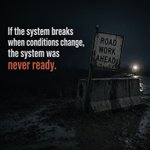
Preparation loses its value when people stop checking whether it still fits the conditions. That’s when yesterday’s safeguards become today’s weak points.


The exception is repeated. Nothing stops it. It becomes normal. The next decision is already shaped by it. The job never sees a choice.
That is how the exception becomes the work.

Your past may explain the behavior. Repeating it after recognizing the damage is a different choice. That’s where responsibility begins.


People often track how much work they get done but ignore what that work is costing them. That pattern catches up eventually.
Being good at the job doesn’t automatically prepare someone to lead the people doing it. Different skills, different responsibilities.

