

why fashion?
the interweb
Joined May 2020
- Tweets62
- Following41
- Followers79
- Likes514

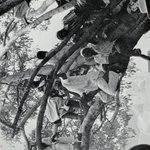



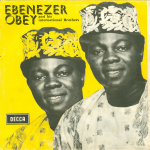


A Selection of Hausa Children’s Fashions by David Heathcote. These images are culled from Volume 38, Part 3 of the Nigerian Field magazine, published in 1973.


Listen to the episode on Spotify.
open.spotify.com/episode/0UT…


Area Council elections is happening on the same day, so there's been a slight change in plans. Method & Madness will no longer be held on Saturday, February 21.
But no worries, we’ve just rescheduled it, and a new date will be announced soon!

Join us for Method & Madness 📂✨
Free to attend. Limited space. Workshop: 15 spots || Performance: 45 spots.
Our only ask: come curious and willing to interact and engage.
See you there!

Researching for fun? Writing a story? Trying to figure out a study curriculum for your research goals? Or just sheer curiosity? Register for the workshop here 👇🏽
luma.com/t4qdrpqf

our fixation for the week are these pictures and writing from a student magazine. reading this felt like watching someone dream in public.
📷 @startarchiving, sardauna, october - december, 2006


adams oshiomole is an interesting character in post-independence nigeria. in 1982, as the general secretary of the national union of textile garment and tailoring workers of nigeria, he opposed the import squeeze due to the resulting job losses.

two words. discard theory.
people who said she doesn't know the meaning of what's written on the shirt are speaking to our culture around second-hand slogan-tees in nigeria.

the looming question for nigeria’s textile industry in the ‘90s and early 2000s was quality. in the early ‘90s, textile firms that had existed for two to three decades ran these ads.
📷: @StartArchiving newswatch 1992, citizen 1992, citizen 1992


on the other hand, second-hand clothing, or okrika as we call it, was the norm for the majority of nigerians due to the quality, options, and price accessibility it offered.
we explore this in latest video essay on tiktok
tiktok.com/@fashoverse/video…

today, the narrative is “polyester bad, cotton good.” in 1960, synthetic fabric was considered innovative. these ads targeted manufacturers and retailers in nigeria. the selling point? durability, lightweight, and “wash and wear.”
📷 @StartArchiving, daily times 1960

ALT An Ad by Toyo Rayon Company, Ltd, advertising the synthetic fabric Nylex in a Nigerian newspaper in 1960.

ALT An Ad by Toyo Rayon Company, Ltd, advertising "wash and wear" Tricot shirts made from polyester fibre in a Nigerian newspaper in 1960. The Ad emphasised their tremendous selling potential.

ALT An Ad by Toyo Rayon Company, Ltd, advertising polyester fabrics - Tetrex in a Nigerian newspaper in 1960.
synthetic fabrics didn’t take off in nigeria’s textile industry until the ‘70s, 30+ years after the global introduction of synthetic clothing as a product. curious about how that happened? watch our video essay on tiktok
vm.tiktok.com/ZMSeEBJWq/

long time, no update! we're now a “we,” a team of 2 – say hi to our research associate, olachi! we also have a new look and a clearer sense of what we’re building. this one’s about team, process, and sharing the research we did over the last four months.
read what we’re up to, and tell a friend or two about us 🩵
fashoverse.com/p/diary-002-p…


i found it fascinating how the kaunda suit has become a capsule of the ill memories kenyans associate with the president. i travelled to kenya, spoke to people and wrote about why william ruto's style is a miss
fashoverse.substack.com/p/wi…