

I’m GhulamHussain Shabrani Central General Secretary Political Organization Jeay Sindh Freedom Movement /Exile In United States 🇺🇸 ( We Want Sindhudesh )
United States 🇺🇸
Joined September 2019
- Tweets13.3K
- Following1.4K
- Followers5.4K
- Likes12.7K






Pinned Tweet
Dominance of the Military Establishment Over Pakistan's Civilian Institutions and Global Silence
An examination of Pakistan's historical and political structure reveals that since the era of the British East India Company, this region has been utilized for specific geo-strategic objectives. Following the partition of India, the manner in which the power structure was transferred led to centralized dominance over the resources of historic nations such as Sindh, Balochistan, Pashtunistan, and other distinct regional identities.
A primary and prominent aspect of this system remains the continuous appointment of military personnel to civilian state institutions.
Appointments of Military Personnel to Civilian Roles
The ongoing placement of both retired and serving military officers within Pakistan's civilian hierarchy and public institutions has turned into an established policy. As shown in recent public records:
Lt. Gen. (Retd.) Abdul Aziz: Appointed as Chairman of the Punjab Public Service Commission.
Maj. Gen. (Retd.) Dr. Ghulam Qamar: Appointed as Director General (DG) of Religious Education.
Maj. Gen. Jawwad Ahmed Qazi: Appointed as the Force Commander for the United Nations Mission for the Referendum in Western Sahara (MINURSO).
Lt. Gen. (Retd.) Hassan Azhar Hayat: Appointed as Managing Director of the Pakistan Land Port Authority.
Lt. Gen. (Retd.) Moazzam Ejaz: Appointed as Chairman of the National Technology Council.
These appointments serve as direct evidence that key educational, administrative, diplomatic, and public service bodies remain under military oversight despite being civilian institutions in name.
Global Assets and Wealth
Beyond controlling internal policy and governance, the post-retirement assets and foreign investments of senior military leaders continue to raise critical questions:
Foreign Real Estate and Offshore Holdings: According to investigative reporting and global leaks (such as the Pandora Papers), substantial assets worth billions of rupees belong to retired generals and their families in countries like the United States, Canada, Europe, Australia, and the UAE.
High-Profile Business Empires: Instances such as the offshore pizza franchise networks linked to Maj. Gen. (Retd.) Asim Saleem Bajwa, along with properties tied to the families of Gen.
Pervez Musharraf and Gen. Ashfaq Parvez Kayani, have frequently drawn public scrutiny.
Affluent Retirements: After influencing governance and resource distribution domestically, many figures utilize the secure legal and financial systems of Western nations to enjoy high-standard retirements abroad.
The Role of International Bodies and Financial Regulators
This situation raises a fundamental question: Will the international community, human rights organizations, and global anti-corruption bodies investigate the origin of these assets?
1. Financial Transparency Standards: Western nations enforce strict Anti-Money Laundering (AML) laws and FATF guidelines.
The absence of formal inquiries into the exact source of funds for these international properties reflects a clear double standard in global governance.
2. Exploitation of Local Resources: Due to systemic political imbalances, local populations in Sindh, Balochistan, Khyber Pakhtunkhwa, and other areas remain deprived of basic rights and control over their natural resources, while central ruling elites build offshore wealth.
It is imperative for the United Nations, international human rights groups, and global financial monitoring agencies to demand public transparency, enforce accountability, and strictly investigate the financial sources behind foreign property investments.
Author:
Ghulam Hussain Shabrani
(Hussain Sindhi)
@UN @UN_HRC @amnesty @amnestyusa @Europarl_LT @JPN_PMO @Europarl_IT @FoxNews @ANI @FoxNews


2
769
ريفرينڊم ، ريفرينڊم ها هي اٿو سنڌوديش جو ريفرينڊم ✌️
جيئي سنڌ جي ڳاڙهي جهنڊي ،
انقلاب ۾ قرباني ۾ ڏنل رت جو رنگ ،
ڪنوار جي ڳاڙهي وڳي ،
ڳلن جي لالڙي ،
چپن جي سرخي ۽ هٿن تي لڳل
سنڌ جي مٺي مائي واري شهر
ميهڙ جي مهندي
جو رنگ به ڳاڙهو ٿيندو آهي ✌️

ڌرتي ماء سان ٿڃ ملهائڻ کو اسان کي سکهي ! ✌️
نه ووٽ وٺون ،
نه ايم پي اي ،
نه ايم اين اي،
نه منسٽر ٿيون ،
نه ڊي سي ۾ لالچ
نه ايس پي ۾ آسرو ،
نه ٽي ايم او جا ملازم
نه وڏيري ڀوتار مير ، پير فاشي فوج جا چمچا !
ها اسين سنڌ جا پٽ ،
سائين جي ايم سيد جا پوئلڳ نڪي اقتدار ۽ پارلياماني سياست جا بکيا !
ها اسين شهيد بشير خان قريشي ، مقصود خان قريشي ، سرائي ، روپلو ، نور الله ، سلمان ، افظل ، ضامن ، صوبل ، يامين ، انيس ، عامر ، سجاد ، راجا ڏاهر ڀنڀر ، سميع الله ڪلهوڙو ، پريل شاھ ، آصف پنهور ، روشن ، ماجد ، واجد ، شڪيل ، پريم ، ذاڪر سميت سومرن قومي شهيدن جا ساٿي ۽ وارث آهيون
سدائين جيلن ۾ سدائين ٽارڇر سيلن ۾ ، بک تي ڏک تي سنڌ جيجل جي ٿڃ ملهايون ٿا ✌️


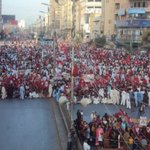
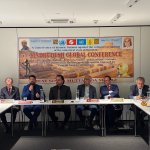
جيئي سنڌ متحدا محاذ جسمم پاران جرمني ۾ سنڌوديش گلوبل ڪانفرنس جي محاذ تي سمورين مظلوم قومن سنڌي ، بلوچ ، پشتون ، ڪشميري ، سرائيڪين کي هڪ پليٽ فارم تي گڏ ڪري
پاڪستان جي جارهيت ، فاشزم ، جبر ۽ قومن مٿان مڙهيل غلامي خلاف گڏيل آواز بڻجي
مظلوم قومن جي اتحاد هيٺ قومن جي آزاديء جو ڪيس رکيو !


G.Hussain Shabrani ( Hussain Sindhi ) retweeted

youtu.be/vpoQCCmG4Ys?is=UpcY…
@PTIOfficial
@ImranKhanPTI
@pmln_org
@NawazSharifMNS
@MediaCellPPP
@BBhuttoZardari
@AAliZardari
@juipakofficial
@MoulanaOfficial
@ANPMarkaz
@AimalWali
@JIPOfficial
@NaeemRehmanEngr
@MQMPKOfficial
@Conv_KMS
@abdul_aleemkhan
@pmlqpak
@ChaudhryShujatH
@BNP_Office
@sakhtarmengal
@BJP4India
@NitinNabin
@INCIndia
@kharge
@AamAadmiParty
@ArvindKejriwal
@Mayawati
@cpimspeak
@MABABYCPIM
@SangmaConrad

G.Hussain Shabrani ( Hussain Sindhi ) retweeted
PRESS RELEASE
FOR IMMEDIATE RELEASE TO GLOBAL MEDIA, DIPLOMATIC MISSIONS, AND INTERNATIONAL ORGANIZATIONS
Sindhudesh Global Conference to be Held in Frankfurt on November 6: JSMM Announces Historic Diplomatic Front of Oppressed Nations and Official Declaration of Sindhudesh Independence.
FRANKFURT, GERMANY — The Jeay Sindh Muttahida Mahaz (JSMM) issues a landmark political declaration to the United Nations, the European Union, democratic governments worldwide, international human rights bodies, and global media organizations: The Sindhudesh Global Conference will convene on November 6, 2026, in the historic city of Frankfurt.
This conference brings together representatives of the historical nations subjugated under internal colonial occupation by the unnatural and theocratic state of Pakistan، including Sindhis, Balochs, Pashtuns, Seraikis, and Kashmiris، to present an unyielding diplomatic indictment against internal colonial occupation, military-political hegemony, and imperial plunder by Punjabi colonialism.
Prominent revolutionary leadership, political thinkers, and diaspora leaders representing the subjugated nations are participating in this landmark forum. Formal invitations have been extended to:
Baloch Political Leadership: Mr. Mehran Marri, BRP leader, Mr. Brahumdagh Bugti, Baloch National Movement (BNM) Chairman, Naseem Baloch, Munir Mengal (President of the Baloch Voice Association), Baloch intellectual Mr. Ahmar Mustikhan, and Waja Siddique Azad;
Kashmiri Leadership: Kashmiri political leader and intellectual Mr. Shaukat Kashmiri, and Kashmiri political leader Jamil Maqsood;
Pashtun Leadership: Mr. Fazal-ur-Rehman Afridi, Mashriqwal Kaihan, and the senior leadership of the Pashtun Tahafuz Movement (PTM);
Seraiki Leadership: Representatives and leaders of the Seraiki nation;
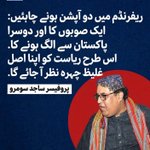
Sindhi Leadership & Intellectuals: Dr. Lakhu Luhano, Hidayat Bhutto, Maqbool Halepoto (SANA), senior Sindhi national intellectuals Dilshad Bhutto Senior, Sajid Soomro, Asghar Sindhi, and Hussain Bux Thebo, as well as the leadership of all Sindhi pro-independence political parties;
Diaspora & Intellectuals: Sindhi, Baloch, Pashtun, Kashmiri, and Seraiki intellectuals residing across Europe, the United States, the United Kingdom, Canada, the Middle East, and India.
1. Fundamental Political and Historical Stance: Abolition of the Artificial State of Pakistan’s Colonial Rule and Full Independence for Sindhudesh and Oppressed Nations
Sindh is not an administrative province of the artificial state of Pakistan; it is the direct continuation of the 7,000-year-old sovereign civilization of Mohenjo-Daro and the Indus Valley, and the sacred national homeland of the Sindhi people. The artificial state constructed in 1947 under religious pretexts has forcibly chained historical nations in servitude.
Right to Self-Determination and UN-Supervised Referendum: In accordance with Article 1 of the United Nations Charter, Article 1 of the International Covenant on Civil and Political Rights (ICCPR), and UN General Assembly Resolution 1514 (Declaration on the Granting of Independence to Colonial Countries and Peoples), the conference demands an independent, neutral, and transparent referendum directly monitored by the United Nations to achieve full national independence for Sindhudesh.
Vision of a Secular and Modern Sindhudesh: An independent Sindhudesh will be established as a secular, democratic state founded on civic equality. Religion will be strictly separated from state affairs, religious extremism will be completely eradicated, and full equal rights will be guaranteed to all minority communities—including Sindhi Hindus, Christians, Ahmadis, and Shias. Foreign relations with India, Afghanistan, Middle Eastern nations, and neighboring states will be built on mutual respect and sustainable regional peace.
2. Ecological Genocide of the Indus River and Systemic Economic Exploitation
The conference will present documented evidence of state terror and economic plunder to the global media:
Water Theft and Ecological Crimes on the Indus River: In violation of the 1945 Water Agreement guaranteeing Sindh a 75% historic share of the Indus waters, Punjabi colonialism has illegally diverted river flows through the Cholistan, Greater Thal, and six newly proposed controversial canals. Blocking downstream discharge below Kotri Barrage has resulted in the Arabian Sea submerging 2.6 to 3.0 million acres of fertile agricultural land, rendering 4.0 million acres barren through salinity and waterlogging, and forcibly displacing over 1.2 million local fishermen and farmers into systemic starvation.
Plunder of Mineral Reserves and Maritime Ports: Sindh produces 62% to 65% of the natural gas, 53% of the crude oil, and holds 175 billion tons of coal reserves in the Thar Desert. The ports of Karachi and Port Qasim generate $25 to $30 billion annually in revenue, and Sindh contributes 73% to 75% of total tax collections to the Federal Board of Revenue (FBR). Despite generating the bulk of the wealth, the Sindhi nation suffers from poverty, lack of healthcare, clean drinking water, and basic infrastructure, while its resources are siphoned off to fund Punjabi hegemony and military expenditure.
Military Land Grabs and Demographics Replacement: Under the pretext of corporate farming, the Special Investment Facilitation Council (SIFC) and the "Green Pakistan Initiative," millions of acres of historic agricultural land in Sindh have been handed over to military-owned corporations. Simultaneously, the state is conducting systematic demographic aggression by settling millions of non-local and foreign populations in Karachi and the coastal belt, reducing the native Sindhi population to a minority in their own homeland.
3. State Terrorism and Collective Human Rights Violations
State brutality and violence are deployed to crush political voices resisting colonial occupation:
Bloody Repression in Sindh: Hundreds of political leaders, intellectuals, and activist students affiliated with JSMM and nationalist parties have been forcibly disappeared into secret torture centers by the Inter-Services Intelligence (ISI) and military intelligence agencies, with many later found extrajudicially executed and dumped in desolate areas.
Genocide of Baloch, Pashtun, and Kashmiri Nations: In Balochistan, over 7,000 individuals remain forcibly disappeared, more than 2,500 mutilated bodies have been recovered, and Gwadar has been converted into a militarized zone. In Pashtun regions, state military operations have displaced millions and left lands contaminated with landmines. In Pakistani-administered Kashmir, peaceful protests demanding basic rights are met with armed violence.
4. Joint Plan of Action: United Diplomatic Council and Global Demands
To dismantle Punjabi colonial hegemony, JSMM will formally propose the establishment of the United Diplomatic and Political Council (UDPC) during the Frankfurt Conference. This unified diplomatic front will launch an organized campaign across Brussels, Geneva, Washington, and London, taking the case to the European Parliament, US Congress, and the United Nations.
For post-independence regional governance, JSMM proposes a "Confederation of Sovereign Indus Nations" structured on the European Union model. Under this framework, sovereign nations, including Sindhis, Balochs, and Seraikis, will retain their independence while entering a free-trade, political, and defensive confederation alongside India, Afghanistan, and regional allies.
Immediate Demands to the International Community, UN, and EU:
United Nations Fact-Finding Mission: Immediate deployment of a high-level UN Human Rights Council mission to Sindh, Balochistan, Khyber Pakhtunkhwa, and Pakistani-administered Kashmir to investigate secret detention facilities and enforced disappearances.
Magnitsky Act Sanctions & Trade Restrictions: Imposition of targeted global sanctions against top military commanders and intelligence officers involved in enforced disappearances and extrajudicial killings. Pakistan's EU GSP+ trade status must be made strictly conditional on ending state fascism and respecting human rights.
Termination of Funding for Disputed Projects: The World Bank, Asian Development Bank, and international financial institutions must immediately freeze all funding for illegal canals diverting the Indus River and corporate farming projects managed by military entities.
Formal Recognition of the Right to Self-Determination: Formal international recognition of the right to national liberation for Sindhudesh and other occupied nations under the UN Charter.
Call for Solidarity Messages
Leaders, intellectuals, and representatives of oppressed nations unable to attend in person due to travel constraints are requested to submit a 3-to-5-minute audio/video statement or a written resolution immediately. These submissions will be incorporated into the official policy document and joint declaration presented to the United Nations, international governments, and human rights bodies.
Shafi Burfat
Chairman, Jeay Sindh Muttahida Mahaz (JSMM)
Frankfurt, Germany
[email protected]
@orfonline @IDSAIndia @the_hindu @IndianExpress
@ISSIslamabad @PIDEpk @dawn_com @geonews_urdu
@CFR_org @BrookingsInst @AP @Reuters @SWPBerlin
@ECFRBerlin @dwnews @tagesschau @Ifri_ @France24_en @lemondefr @EmiratesPolicy
@wamnews @TheNationalNews @dailystarnews
@bdnews24com @AJStudies @AJEnglish
@AlJazeera @INSSIsrael @TimesofIsrael
@haaretzcom @IrnaEnglish @IranIntl_En
@AREUafghanistan @TOLONewsEnglish
@pajhwok @XHNews @CGTNOfficial
@TheGCSP @swissinfo_en @RTSinfo
@ChathamHouse @RUSI_org
@BBCNews @BBCWorld @AFP

بلوچ نه صرف مظلوم قومن جي جنگ وڙهن پيا پر اسلامي دهشتگردي جي شيطان قوت سان پوري دنيا جي امن ، ترقي ۽ خشحالي جي جنگ وڙهن پيا !

1
2
152


Do Not Divide Sindh’s Historic Homeland; Recognize the Freedom and Right to Self-Determination of Historic Nations!
A Strong Critique of Miroslav Zafirov’s Article: A Documented Position on Pakistan’s Military Centralization, Exploitation of Resources, Enforced Disappearances, and the Political Rights of Historic Nations
Author: Hussain Sindhi
Leader Associated with the Sindhi National Liberation Struggle and Writer
A Question for International Institutions: Who Has Given Anyone the Authority to Decide the Future of Historic Nations?
On October 9, 2026, an article by Miroslav Zafirov titled What Pakistan Reveals About Administrative Reform for Fast-Growing Populations was published on the World Economic Forum’s website. It presents possible models for creating 16, 23 to 25, or more than 30 administrative units in Pakistan. The author argues that the administrative structure, authority, financial resources, and accountability must be reorganized to meet the needs of a growing population.
But our question is this: Is the solution to Pakistan’s governance problems to divide the homelands of historic nations into additional administrative units, or should the fundamental causes of these problems be examined, including military centralization, weak democratic institutions, financial opacity, the distribution of resources, and human rights violations?
As a writer associated with the Sindhi national liberation struggle, my position is clear: presenting proposals to divide Sindh’s historic homeland by treating it merely as an administrative unit, while failing to give central importance to Sindh’s national identity and the political aspirations of its people, is an incomplete and politically objectionable approach.
The future of the people of Sindh cannot be determined merely by population figures, government budgets, and administrative maps. It is connected to Sindh’s history, language, civilization, resources, national identity, right to self-determination, and national liberation.
1. The History of Sindh Is Thousands of Years Older Than the Establishment of Pakistan
The Indus Valley Civilization is one of the oldest urban civilizations in the world. Mohenjo-daro and Harappa are important archaeological remains demonstrating the development of urban planning, drainage systems, craftsmanship, trade, and social organization in human history.
The history of Sindh includes different political eras, local ruling dynasties, the continuity of language and literature, economic life connected to the Indus River, and numerous stages in the development of its cultural identity.
Following the British conquest in 1843, Sindh came under colonial rule. In 1936, Sindh was separated from the Bombay Presidency and became a separate province. In 1947, Pakistan was established following the partition of British India. In 1955, under the One Unit policy, Sindh’s separate provincial status was abolished and was restored in 1970.
These historical events demonstrate that Sindh’s political and administrative status has changed across different periods. Therefore, its historical realities cannot be ignored when discussing its future.
Those associated with the Sindhi national liberation movement maintain that numerous questions concerning Sindh’s political autonomy, resources, demographic changes, and national identity remain unresolved following the establishment of Pakistan.
Our question is this: When an administrative change is proposed concerning the homeland of a historic nation, how will the freely expressed political wishes of that nation’s people be determined?
Proposing the administrative division of a historic homeland and deciding the political future of its people are two different matters.
2. Bangladesh in 1971: Military Power Cannot Resolve National and Political Conflicts
The events of 1971 are an important example in Pakistan’s history of how issues involving national identity, political representation, and the distribution of

ower can escalate into a grave crisis.
On March 25, 1971, the Pakistani military launched a military operation in East Pakistan. This was followed by large-scale killings, violence, forced displacement, and a humanitarian crisis. The war ultimately resulted in the establishment of Bangladesh as an independent state.
According to the official Bangladeshi estimate, approximately three million people were killed during the war. Other historical and academic studies provide different estimates, so there is no complete consensus regarding the total number of deaths. Approximately ten million people fled to India as refugees during the war. A 2025 academic study also estimated additional deaths in refugee camps, demonstrating that the human cost of the war extended beyond direct military violence.
We draw an important lesson from this history: national and political conflicts cannot be eliminated solely through military power, coercion, or centralized rule.
When people’s political aspirations, representation, and rights are ignored, a crisis can deepen.
The experience of Bangladesh is not automatically an identical explanation or solution for the different political issues affecting Sindh, Balochistan, Pashtun regions, Gilgit-Baltistan, and Kashmir. Nevertheless, it clearly reminds us that political problems cannot be resolved merely by drawing administrative maps or using force.
3. Balochistan: Documented Concerns Regarding Enforced Disappearances and the Distribution of Resources
Balochistan is Pakistan’s largest province by land area. It is rich in natural gas, minerals, copper, gold, and other natural resources. However, it also faces persistent problems involving poverty, inadequate basic services, political mistrust, and disputes over the fair distribution of resources.
In 2025, a written statement submitted within the United Nations human rights system raised serious concerns regarding Balochistan’s resources, the representation of its local population, enforced disappearances, and alleged extrajudicial killings. The statement claimed that as many as 18,000 people may have been subjected to enforced disappearance in Balochistan since 2000. This figure is a claim presented in that statement, not a definitive total verified by the United Nations.
The U.S. Department of State’s 2024 human rights report also recorded figures provided by human rights organizations. According to the Voice for Baloch Missing Persons, 285 people disappeared between January and September 2024, and the organization claimed that 7,500 people had been subjected to enforced disappearance since 2000. The same report cited figures from the Human Rights Council of Balochistan, which reported 306 disappearance cases between January and June 2024. Of these, 104 people were released, four were found dead, and the whereabouts of 198 remained unknown at the time of reporting.
These figures come from different organizations whose methodologies and definitions of cases may differ. It would not be correct to combine them into a single definitive national total. Nevertheless, they indicate a serious human rights concern requiring independent investigations, transparent information, and accountability.
A fundamental question also arises regarding Balochistan’s natural resources: When natural wealth is extracted from a region, what benefits do local communities receive? Do they receive a fair share in employment, education, healthcare, water, environmental protection, and development?
Our position is that claims of development cannot be considered complete if meaningful local participation and the fair distribution of benefits from resource management are ignored.
4. Sindh: Concerns Regarding the Disappearance of Nationalist Activists and Freedom of Political Expression
Complaints concerning the disappearance of nationalist activists, politically active individuals, and human rights advocates have also emerged in Sindh.
The U.S. Department of State’s
1
122
2024 human rights report stated, citing the Voice for Sindhi Missing Persons, that 80 people were reported missing in Sindh between January and August 2024. According to the report, activists said that many of these individuals were associated with Sindhi nationalist political parties.
This figure concerns cases reported by one organization during a specific period; it should not be treated as a complete or definitive total of all disappearances in Sindh.
Nevertheless, when the families of political activists spend years searching for information about their loved ones, this raises a serious question concerning the rule of law and civil liberties.
Complaints involving the detention of individuals without due legal process, concealing their whereabouts, or withholding information from their families must be independently investigated.
For supporters of Sindh’s national liberation, a fundamental demand is that the people of Sindh must be protected in their peaceful expression of political views, organizational activities, and advocacy for national rights.
5. Pashtuns, Gilgit-Baltistan, and Kashmir: The Lack of Statistics Is Also a Problem
Concerns regarding enforced disappearances and human rights in Pakistan are not limited to Sindh and Balochistan.
According to the U.S. Department of State’s 2024 report, 10,285 missing-person cases had been registered with the government commission between 2011 and July 2024. The commission classified 8,015 cases as resolved, while 2,270 cases remained pending at the time of reporting. Among the resolved cases, the report stated that 4,514 people had returned home, 1,002 were present in internment centers administered by the military, 671 were in prisons, and 277 had died.
The same report stated that, among cases reported in 2023, 33 percent were associated with Khyber Pakhtunkhwa and 27 percent with Balochistan. These proportions concern cases reported during that year; they do not provide a complete estimate of the actual total number of enforced disappearances in each region.
Concerns regarding restrictions on the peaceful activities of the Pashtun Tahafuz Movement and the civil and political rights of Pashtun communities have also been raised in submissions to United Nations human rights forums. Such statements should be attributed to the organizations and authors presenting them, rather than being portrayed as definitive findings of the United Nations without further investigation.
Gilgit-Baltistan and Pakistan-administered Kashmir also face various questions concerning political status, representation, freedom, and human rights. It would not be correct to apply the figures for Sindh and Balochistan to these regions. Each region requires separate, reliable, and comparable statistics.
Our position is that the issues affecting these different nations and regions must be understood in light of their particular historical, political, and legal circumstances rather than addressed through a single administrative formula.
6. Military Institutions, Commercial Interests, and Financial Transparency
The political and economic role of the military in Pakistan has a long history
58
تارخ جو لطيفو !
ڪلهوڙن ۽ انگريزن جي دور ۾ بلوچ رينجمنٽ جي ظلم ، جبر ، آقائي ، جاگيرداراڻي ۽ غلامداراڻي سوچ سبب اڌ سنڌ سميت چانڊيا سريمڻ چانڊيو ۽ چندرونشي جي اولاد پاڻ کي بلوچ سڏائڻ لڳا .
هاڻ رڳو چانڊيا نه پر ( ڻ ) يعني ڻي زات واريون نج زاتيون جيڪي سنڌي هندن ۾ به آهن
اهي به پاڻ کي بلوچ سڏائن ٿيون !
سندراڻي طوطي مل ، پرچو مل ، سنتوش ڪمار جي اولاد هاڻ سندراڻي بلوچ ٿي ويا آهن
جڏهن ته سندراڻي ، سائراڻي ، ايسراڻي ، آسوداڻي ، مارواڻي ، مارفاڻي ، مرزاڻي ، جوڻا ، جوڻيجا ، جاڙيجا ، آريجا ، ڪورائي ۽ ٻيون نج سنڌي هندن جون زاتيون رکندڙ مسلمان ٿيڻ بعد هاڻ بلوچ ٿي ويا آهن .
يعني جيڪي سنڌي هندن مان مسلمان ٿيا ته انهن تي وري اسلوڪا عربي مسلمان ٽوڪون ، طنز ڪندا هئا پوء انهن بلوچ ، مير ، پير ، سيد سڏائڻ لڳا ۽ هٿرادو قصا گهڙي پاڻ کي عربي ، بغدادي ، عراقي ، شامي ۽ ايراني نسل ثابت ڪندا رهيا .
1
128
A Historical Irony!
During the Kalhora and British periods, due to the oppression, coercion, authoritarianism, feudal mentality, and slave-owning mindset associated with Baloch military regiments, many communities across half of Sindh—including the Chandias, Sreemans, Chandios, and descendants of the Chandravanshi lineage—reportedly began identifying themselves as Baloch.
Today, the situation is no longer limited to the Chandias. Even communities whose names end in the Sindhi letter “ڻ” (ṇ) are increasingly identifying themselves as Baloch. The fact is that the letter “ڻ” does not exist as a letter in the Balochi language, and many of these communities are indigenous Sindhi castes that are also found among Sindhi Hindus.
For example, the descendants of Sundarmal, Totumal, Parchomal, and Santosh Kumar are now identifying themselves as Sundarani Baloch.
Similarly, Sundarani, Sairani, Israni, Asudani, Marwani, Marfani, Mirzani, Juna, Juneja, Jadeja, Arija, Korai, and other communities traditionally associated with Sindhi Hindu society are now identifying themselves as Baloch after converting to Islam.
In other words, according to this historical narrative, when members of Sindhi Hindu communities converted to Islam, some Muslims who identified themselves as being of Arab descent allegedly subjected them to taunts and ridicule, looking down upon them because of their origins. Consequently, some of these converts reportedly adopted titles such as Baloch, Mir, Pir, and Syed and developed genealogical narratives claiming Arab, Baghdadi, Iraqi, Syrian, or Iranian ancestry.
This raises an important historical question: To what extent have political power, social status, religious identity, and historical circumstances influenced the evolution of caste names, tribal affiliations, and claims of ancestry in Sindh?
G.Hussain Shabrani ( Hussain Sindhi ) retweeted

Today, I had the opportunity to meet Congressman Mario Díaz-Balart at a breakfast meeting and raise the serious human rights situation in Balochistan.
I briefed Congressman Díaz-Balart on concerns regarding ongoing Pakistani military operations, enforced disappearances, extrajudicial killings, arbitrary arrests, and the targeting of students, human rights defenders, journalists, intellectuals and other members of Baloch civil society.
I specifically raised the continued detention of Dr. Mahrang Baloch, a prominent leader of the Baloch Yakjehti Committee (BYC), and other detained BYC leaders. I urged greater international attention to their treatment, due-process rights and safety.
I also expressed my deep concern about the role of Pakistan’s security establishment in Balochistan and the continuing allegations of serious human rights violations.
My message to Congressman Díaz-Balart was simple: Balochistan needs international attention. The Baloch people need their fundamental human rights protected, and allegations of serious abuses must not be ignored.
I respectfully urged Congressman Díaz-Balart and the United States Congress to give greater attention to the human rights situation in Balochistan and to support accountability, protection of civilians, freedom of expression and fundamental human rights.
The Baloch people seek dignity, justice, peace and the protection of their fundamental rights.
#Balochistan #HumanRights #MahrangBaloch #BalochYakjehtiCommittee #EnforcedDisappearances #HumanRightsDefenders #USCongress #Pakistan


G.Hussain Shabrani ( Hussain Sindhi ) retweeted

Smit Machchhar, the hero Flydubai captain who fought off a savage attack by his copilot, kept fighting because he could not "let everybody else die," he said in his first public remarks since Wednesday's suspected hijacking attempt. cnn.it/4yxYNUS
